




Hand Painted Pottery Charger
A hand painted pottery charger brings breadth and colour to a room, offering large surfaces decorated by makers centuries ago.
Hand Painted Pottery Charger
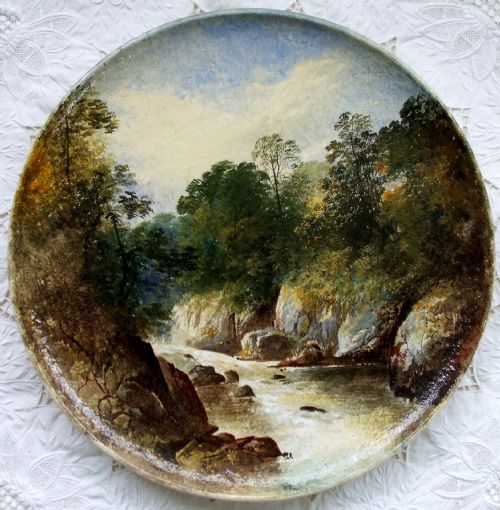
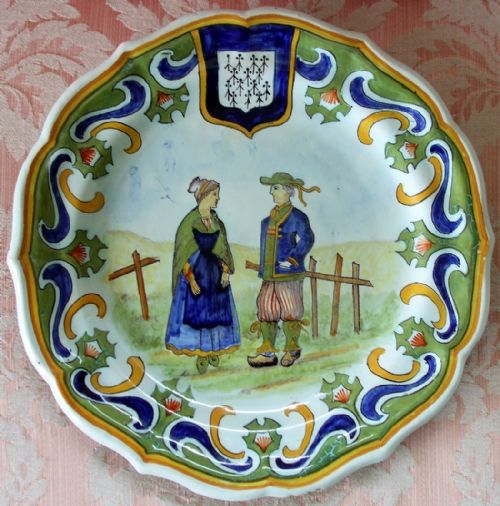
A hand painted pottery charger is a large decorative plate or dish designed primarily for display rather than table service. When searching this phrase, buyers encounter broad shallow forms originating from various European and Asian traditions.
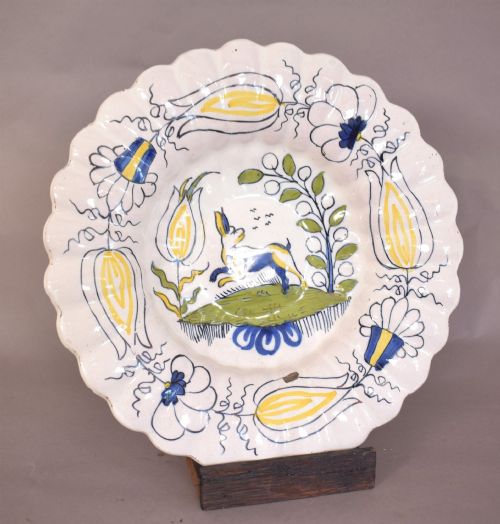
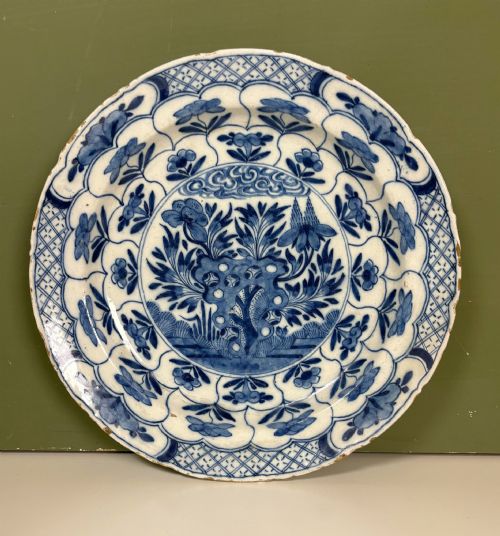
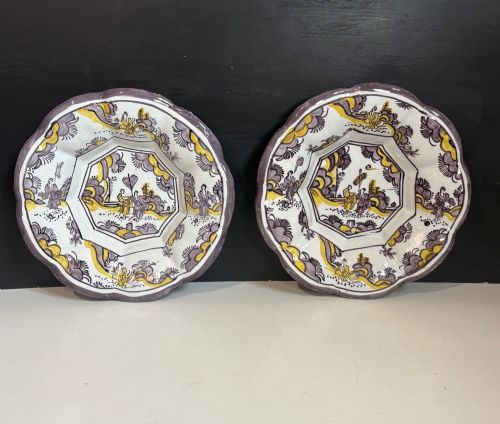
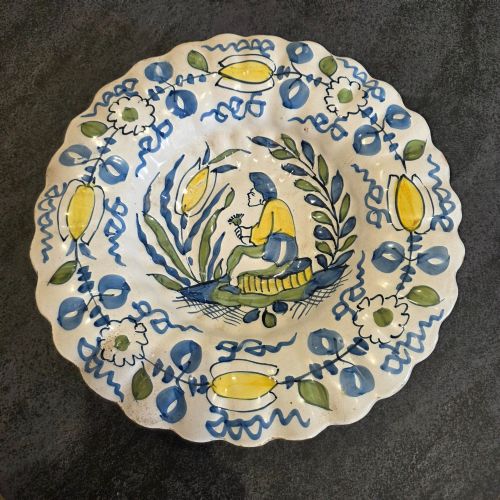
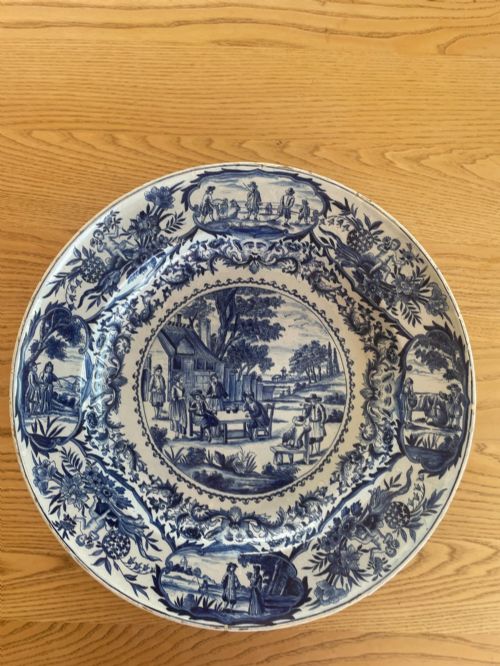
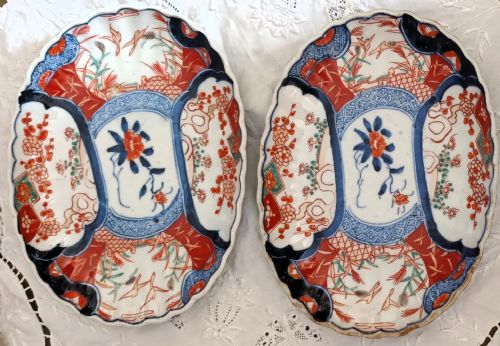
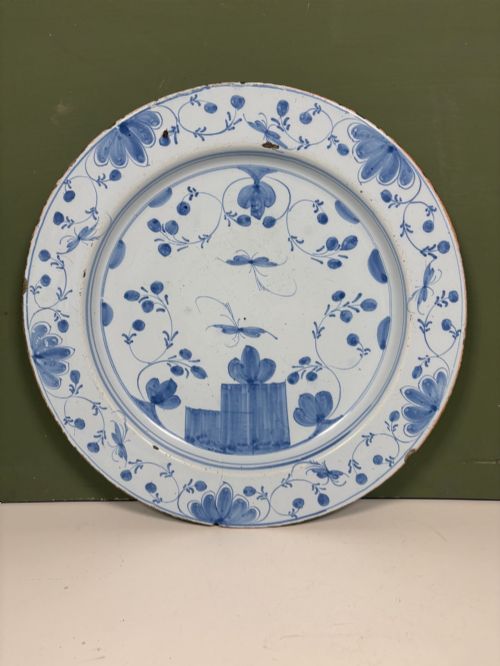
The pieces appearing on this page span several centuries, including Dutch Delftware, English tin-glazed earthenware, Japanese Meiji period porcelain, and Art Deco ceramics. Seventeenth and eighteenth-century examples feature prominently alongside nineteenth-century works and later twentieth-century designs.
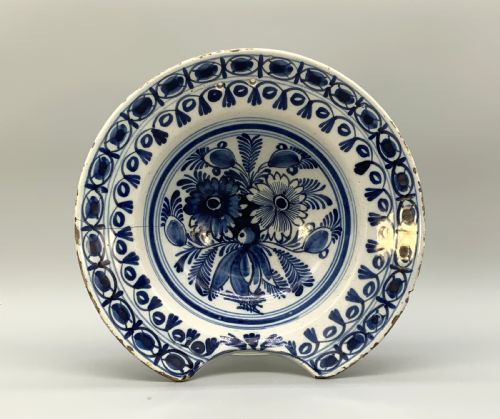
Forms vary from standard chargers and deep plates to specialised items like barber's bowls and wall plaques. These items serve as focal points for interior display, combining historical craftsmanship with pigment-decorated surfaces.
How they were made
Makers utilised earthenware, porcelain, and tin-glazed earthenware as the foundational bodies for these plates and dishes. Tin glaze provided an opaque white surface suitable for absorbing cobalt pigment and polychrome enamels before firing.
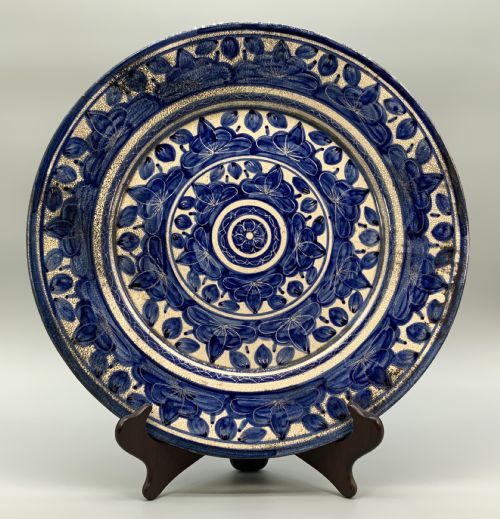
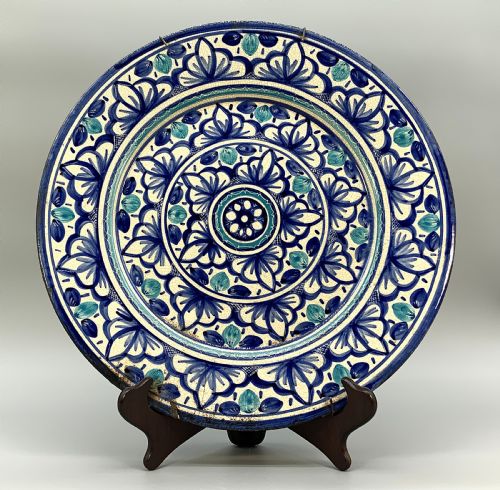
Artists applied designs by hand using mineral pigments such as blue and white cobalt, manganese, and polychrome enamels. Certain twentieth-century pieces incorporated tubelined designs to contain distinct pools of colour on ceramic plaques and chargers.
Several eighteenth-century dishes served double duty as barber's bowls, featuring curved cutouts designed to fit comfortably against a customer's neck.
What varies in quality
The distinction between standard examples and superior pieces rests upon the execution and crispness of the hand-painted decoration. Artisans who maintained confident brushwork and controlled palettes produced surfaces with greater visual depth.
Complexity of design and historical provenance also differentiate individual chargers. Pieces featuring detailed pictorial scenes or ambitious polychrome and manganese compositions represent the more accomplished works within this category.
Koshida·Copeland Pottery·Charlotte Rhead Crown Ducal·Clarice Cliff
The Hand Painted Pottery Charger Glossary
- Charger
- A large decorative plate or dish traditionally used for display. These wide-format items provide an expansive canvas for painted decoration.
- Tin-Glaze
- A ceramic glaze made opaque by the addition of tin oxide. This coating creates a white background that accepts painted cobalt and enamel pigments.
- Polychrome
- Decoration employing multiple colours rather than a single hue. Potters applied various mineral pigments to achieve varied pictorial effects.
- Imari
- Japanese porcelain decorated in underglaze blue, iron red, and gold. These wares became influential across European ceramic production.
- Tubelined
- A technique where narrow trails of clay are applied to a ceramic body to form raised outlines. These boundaries contain liquid glazes and enamels during painting.
Hand Painted Pottery Charger: Frequently Asked Questions
What is a hand painted pottery charger used for?
These large plates function primarily as decorative wall plaques or centrepieces for display on furniture.
Historically, larger chargers sat on sideboards or hung on walls to demonstrate the wealth and taste of the household.
How do I identify a tin-glazed piece?
Tin-glazed earthenware exhibits an opaque white ceramic surface that covers the underlying buff or pinkish clay body.
Examination of the foot ring often reveals the softer earthenware fabric beneath the white glaze layer.
What period do most delft chargers date from?
The majority of traditional delft chargers originate from the seventeenth and eighteenth centuries.
Dutch and English workshops produced these blue and white or polychrome dishes during the height of tin-glaze manufacturing.
How should I display an antique charger?
Antique chargers require secure wall hangers specifically designed for heavy ceramic plates and shallow bowls.
Alternatively, sturdy plate stands support the weight safely when placed upright on stable wooden surfaces.