




Hand Painted Satsuma Pottery
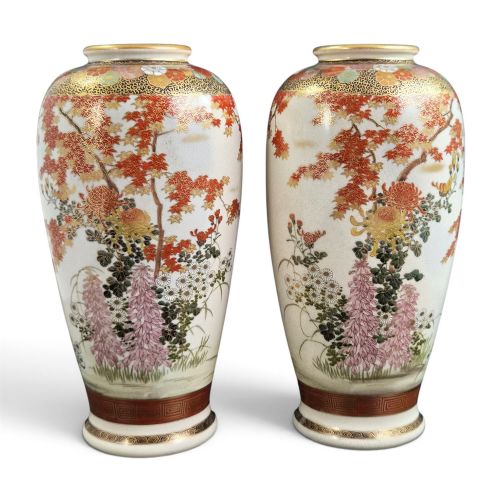
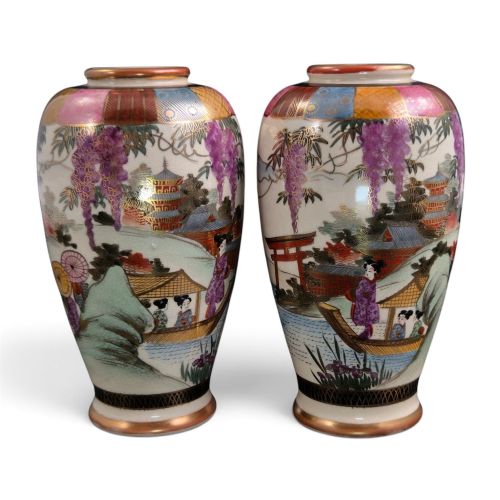
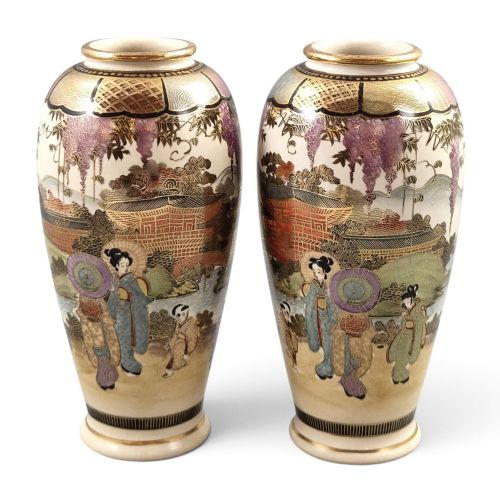
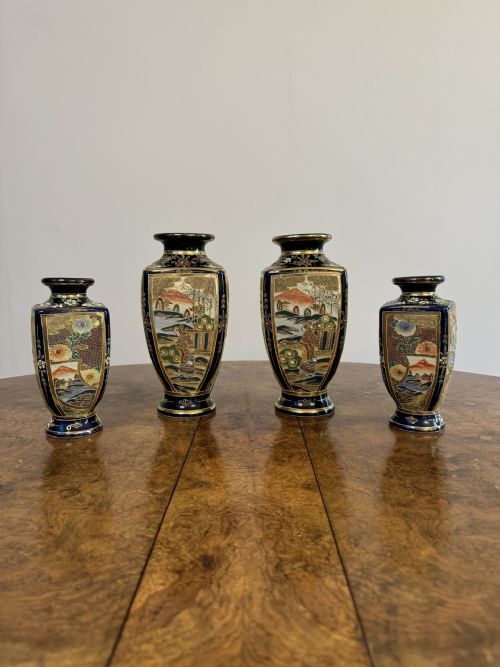
Hand painted satsuma pottery brings together intricate Japanese ceramic traditions and delicate pictorial design, prized for detailed scenes rendered in gold leaf and enamel.
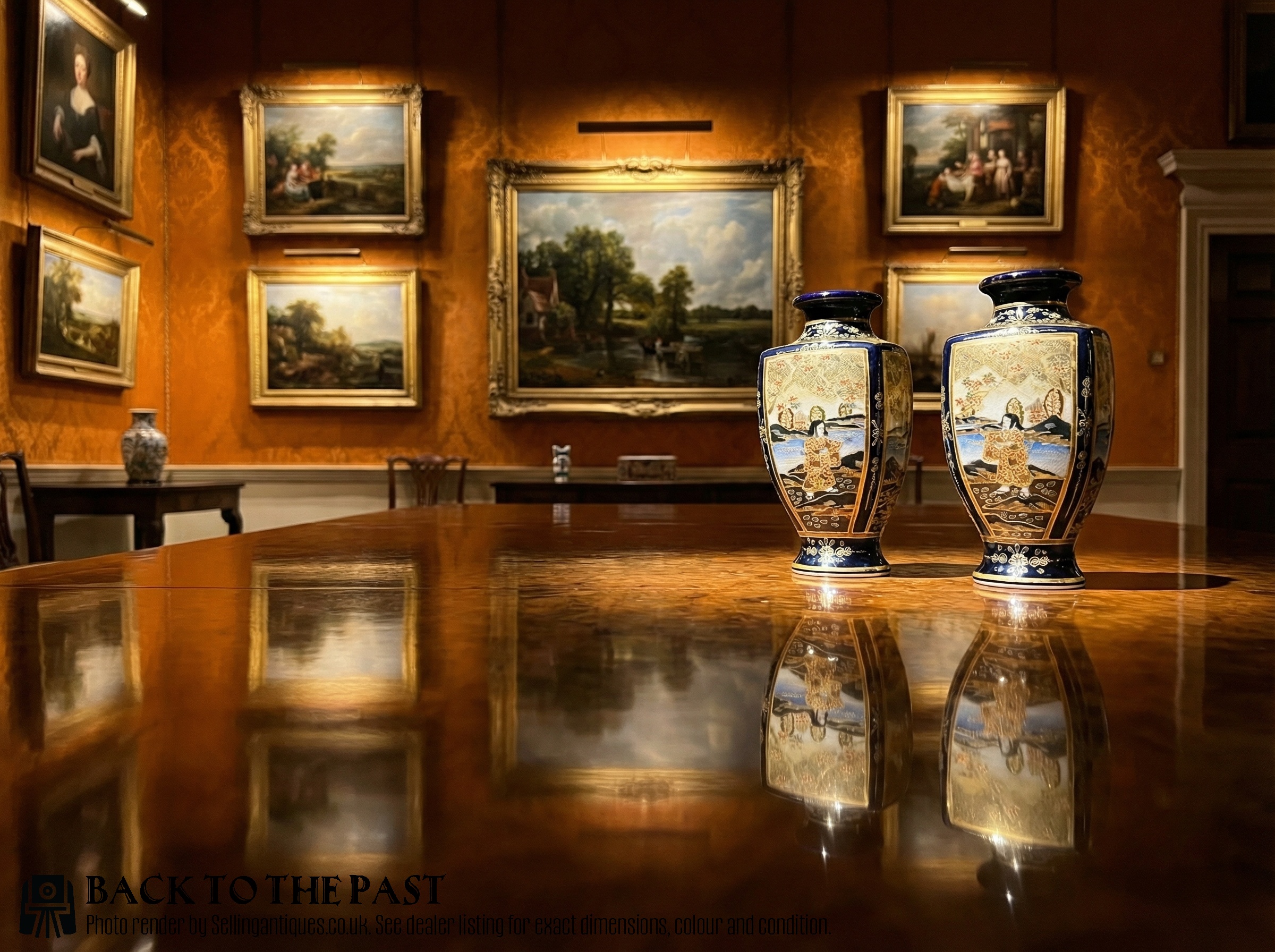
Hand Painted Satsuma Pottery
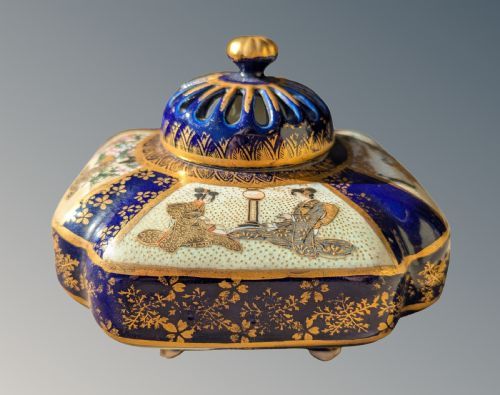
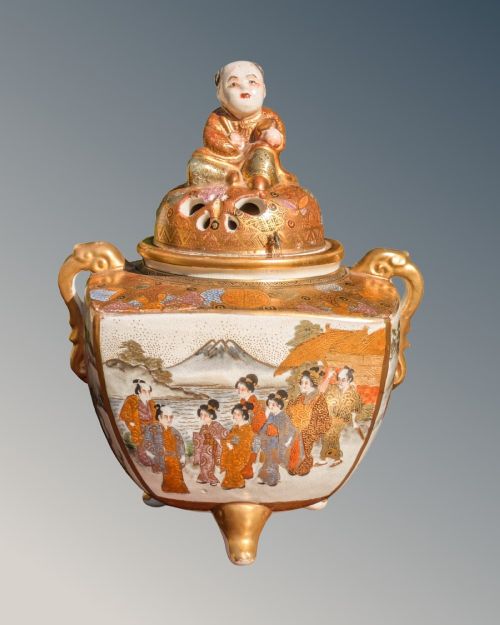
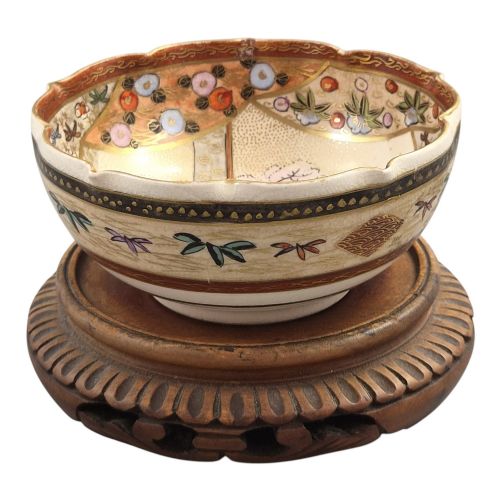
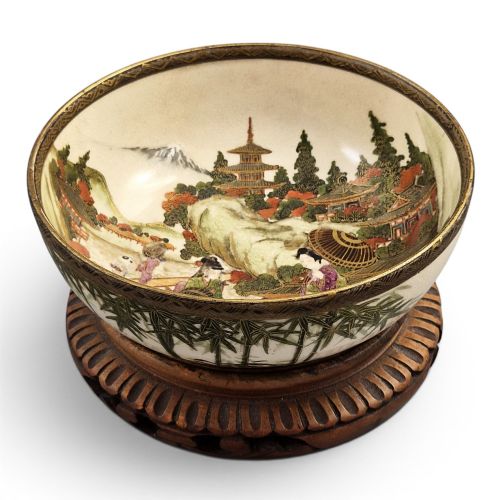
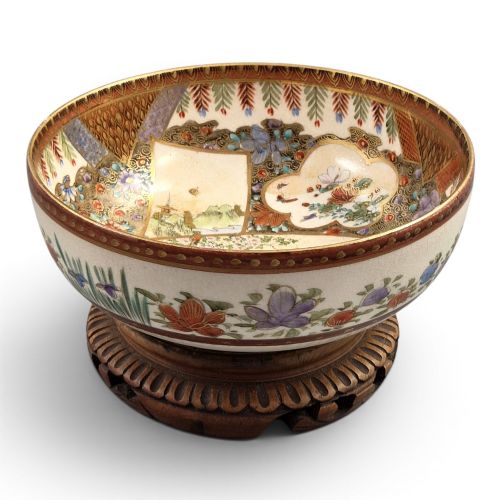
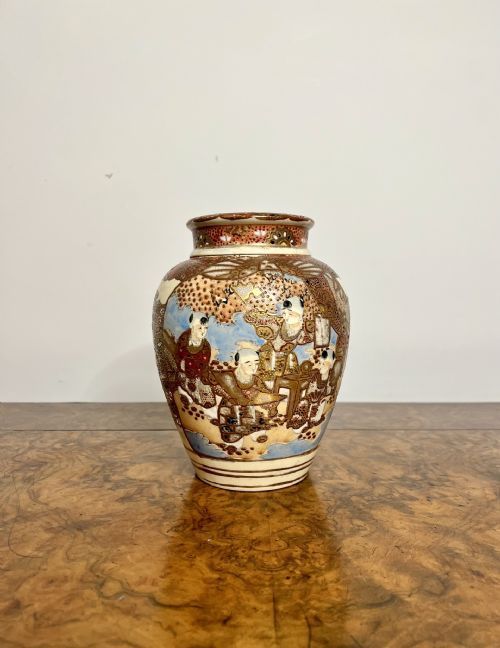
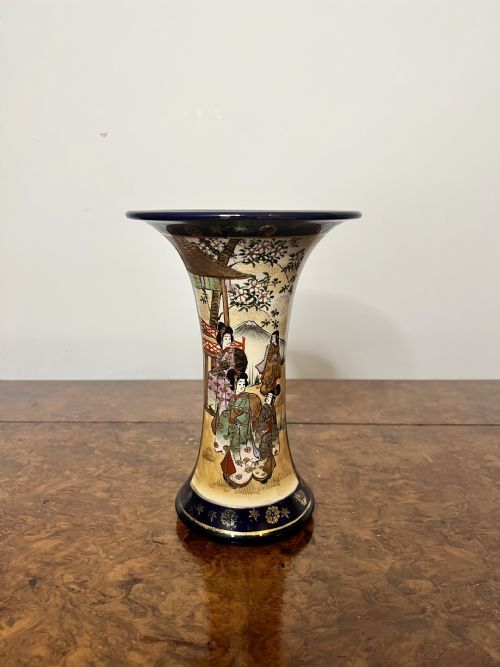
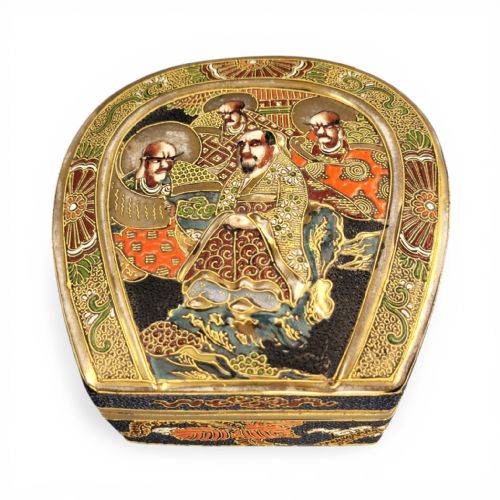
Hand painted satsuma pottery comprises decorative vessels, tableware, and small display objects originating mainly from the Meiji and Taisho periods, spanning the late nineteenth and early twentieth centuries. Buyers encounter pieces ranging from small miniature vases and tea caddies to large monumental bowls, garnitures, and incense burners known as koro.
The aesthetic centres on finely detailed figurative scenes, floral compositions, and landscape motifs, often featuring figures such as samurai or the Seven Gods of Good Fortune. Many items originate from Kyoto workshops and carry workshop signatures or family crests alongside distinct stylistic markers of Japanese Meiji production.
Materials and construction methods
Potters built these items using earthenware, porcelain, and glazed ceramic bodies that provided a stable base for subsequent decoration. Makers then applied enamel and elaborate gilding with gold leaf to articulate complex pictorial narratives across the surface.
Techniques relied on precise brushwork to delineate figures, flora, and architectural elements within dense decorative schemes. Glaze application sealed the ceramic body while accentuating the fine crackle effect characteristic of traditional Satsuma ware.
Miniature vases depict bustling figural processions and secret garden scenes packed into spaces barely larger than an acorn.
Distinctions in craftsmanship
Quality rests upon the delicacy and control of the brushwork within the pictorial panels, where master painters achieved microscopic precision in facial expressions and botanical detail. The distribution and purity of the gold leaf and enamel pigments dictate the visual depth of the surface.
Pieces bearing signatures from recognised Kyoto workshops or prominent makers command attention through superior composition and density of ornament. The balance between negative space and dense decoration separates standard decorative wares from top-tier exhibition pieces.
Kinkozan·Koshida·Maruni Kobe·Shozan·Kizan·Kozan·Toshozan·Ryuzan·Chosei·Shuzan·Nikko·Choshuzan·Jissei·Yoshisada·Hakusan·Hododa·Kotobuki-do·Hayakawa
The Hand Painted Satsuma Pottery Glossary
- Satsuma ware
- A type of earthenware originating from the Satsuma province, traditionally recognised by a fine crackled glaze and polychrome enamel decoration. It became a major export category during the Meiji period.
- Koro
- A traditional Japanese incense burner typically supported on three feet and fitted with a pierced lid. These burners often feature intricate pictorial panels and gilt highlights.
- Natsume
- A small tea caddy used in Japanese tea ceremonies, traditionally shaped with a flat top and rounded base. Examples in this medium are finely painted with seasonal motifs.
- Shimazu Mon
- The family crest or heraldic badge of the Shimazu clan, featuring a cross within a circle. Its presence denotes patronage or origin linked to the lords of Satsuma.
- Meiji Period
- The historical era spanning from 1868 to 1912, characterised by the opening of Japan to Western trade and a surge in highly detailed decorative arts.
Hand Painted Satsuma Pottery: Frequently Asked Questions
What is hand painted satsuma pottery?
Hand painted satsuma pottery is a distinct category of Japanese ceramics featuring earthenware or porcelain bodies decorated with elaborate enamel and gold leaf motifs. These pieces typically date from the late nineteenth and early twentieth centuries.
Items range from miniature cabinet vases to large temple jars and bowls, created primarily for export and international exhibition during the Meiji and Taisho eras.
How do I identify a Meiji period piece?
Meiji period items are identified by dense pictorial decoration, signature marks from Kyoto workshops, and stylistic elements reflecting traditional Japanese themes like samurai battles and botanical gardens. The integration of the Shimazu crest is also a common indicator.
Examining the base often reveals artist signatures or workshop marks stamped or hand-painted into the glaze, helping anchor the piece within the late nineteenth or early twentieth century.
How should I display satsuma pottery at home?
Display these ceramics away from direct sunlight to preserve the vibrancy of the enamel colours and the integrity of the gold leaf highlights. Stable shelving prevents accidental knocks to fragile items like miniature vases and tripod incense burners.
Grouping pieces by period or workshop, such as pairing Kyoto vases with a matching bowl, creates a coherent display that highlights the intricate hand-painted details.