
Hand Painted Pottery Vase
A hand painted pottery vase carries the brushwork and kiln scars of centuries past, offering colour and form that modern vessels simply cannot match.
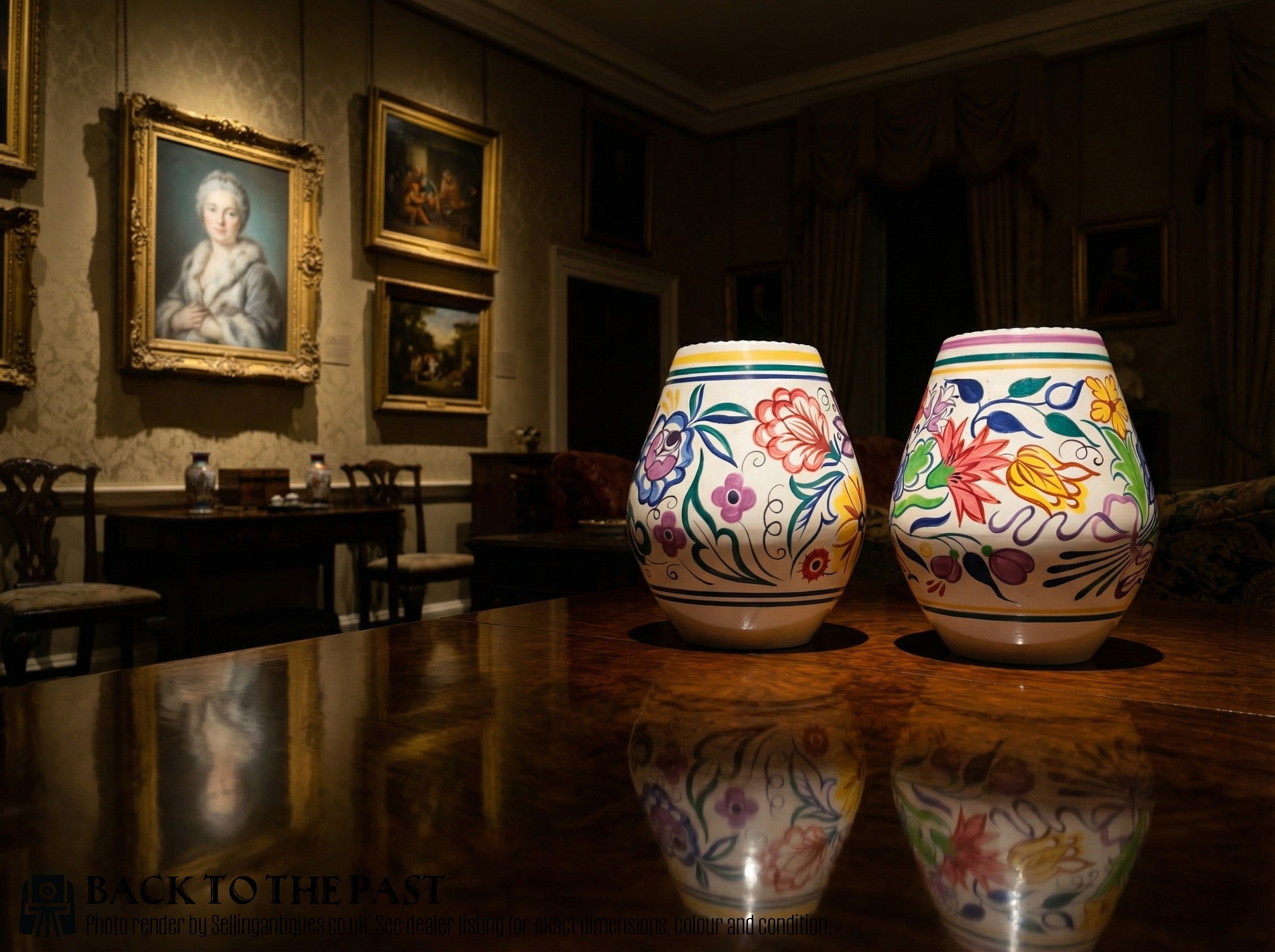
Hand Painted Pottery Vase
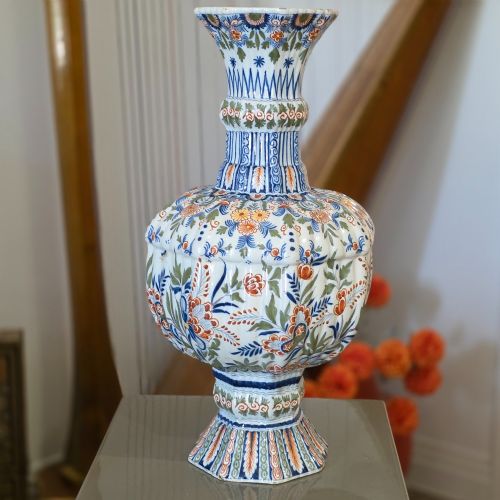
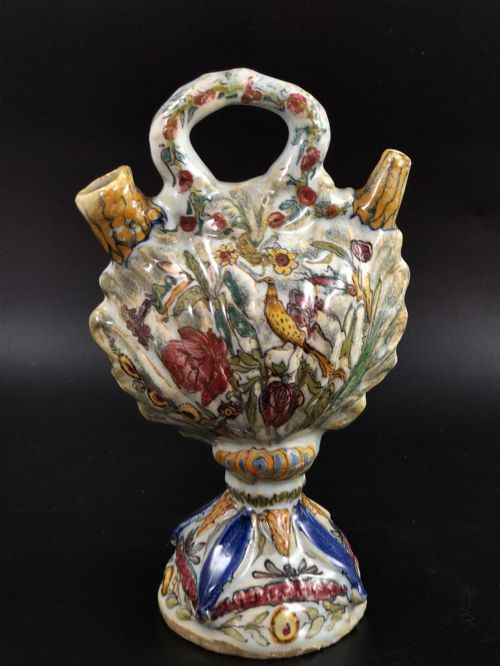
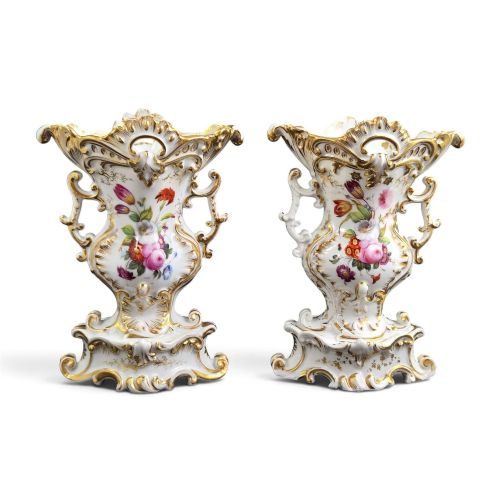
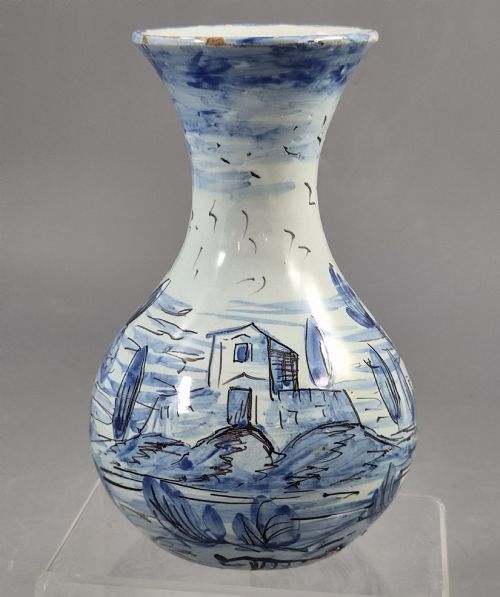
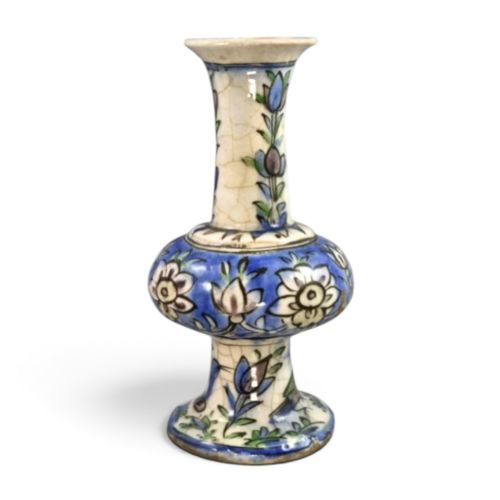
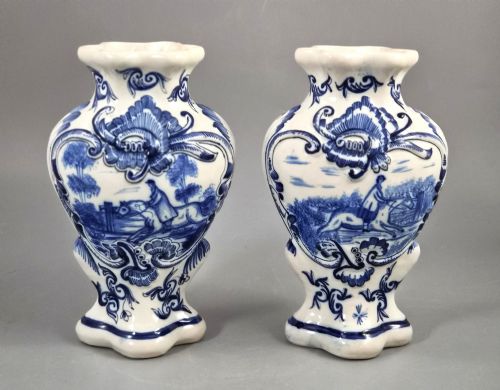
When you search for a hand painted pottery vase, you encounter a vast geographical spread encompassing English earthenwares, Dutch tin-glazed vessels, Asian porcelains, and Continental majolica. The pieces span from the eighteenth century through the Victorian era and into the Art Nouveau and Art Deco periods, shifting from utilitarian domestic vessels to ornamental cabinet pieces.
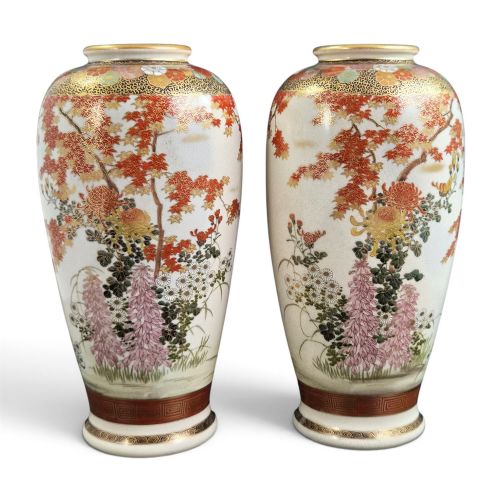
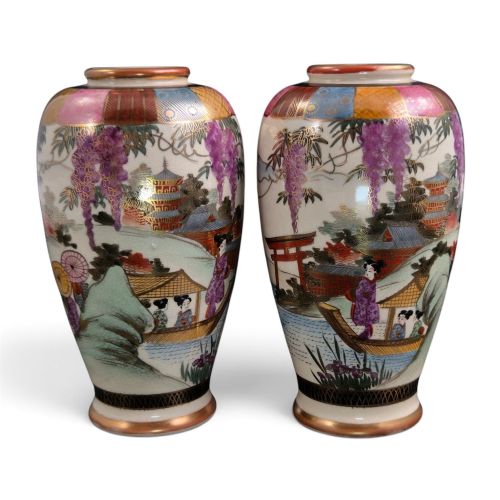
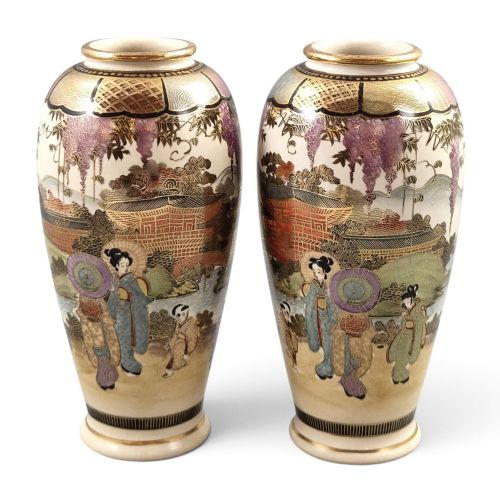
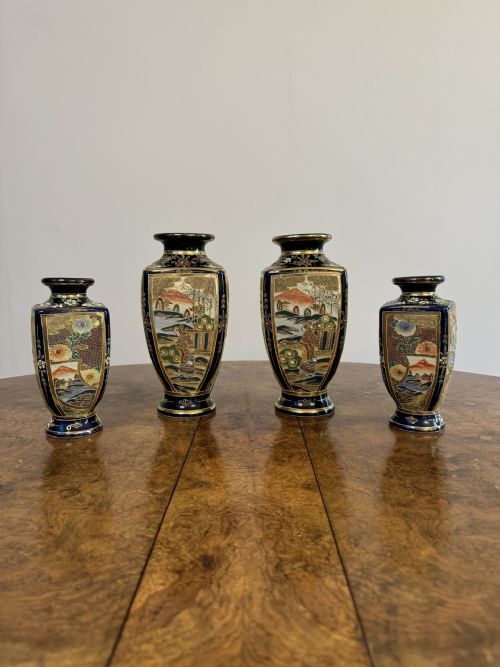
You are most likely to meet nineteenth-century and early twentieth-century examples on this page, particularly Japanese Satsuma wares, English earthenware pieces, and Delft containers. These range from modest domestic spill vases and ginger jars to large garnitures and moon flasks.
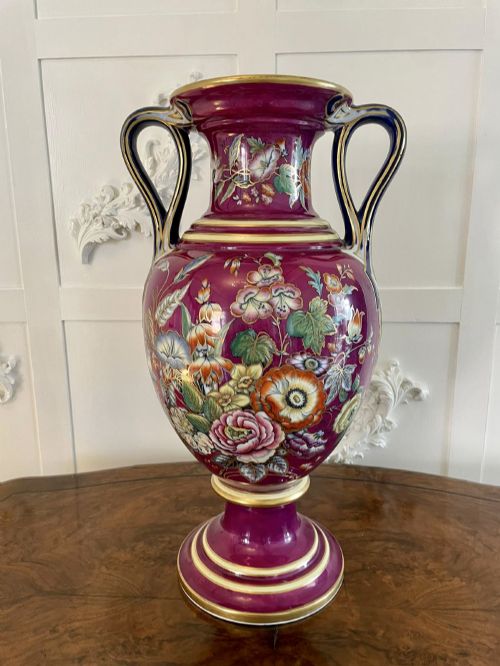
The forms vary widely from slender pilgrim flasks and handled urns to robust bottle vases and lidded containers. Each serves primarily as a decorative focal point rather than a utilitarian holder for fresh flowers.
How they were made
Makers shaped these vessels from earthenware, stoneware, and porcelain, frequently applying tin glaze, enamel, or coloured glazes as a ground for subsequent decoration. Artists then hand painted pigments directly onto the prepared surface before firing the piece in a kiln to fix the colours.
Techniques such as gold leaf application, lustre finishes, and intricate polychrome overglaze painting required immense skill and multiple kiln firings. Earthenware bodies received tin opacified glazes to create an opaque white canvas for blue and white or multi-coloured pigments.
Potters threw vessels on the wheel or pressed them into moulds, sometimes combining hand-thrown bodies with applied handles, collars, and sculptural elements prior to the initial biscuit firing.
Hand Painted Pottery Vase Retail Price Guide 2026
Typical asking prices for hand painted pottery vase among the pieces listed under this phrase on Sellingantiques today, from the lower quarter to the upper quarter. They describe what is for sale here now, not the wider market.
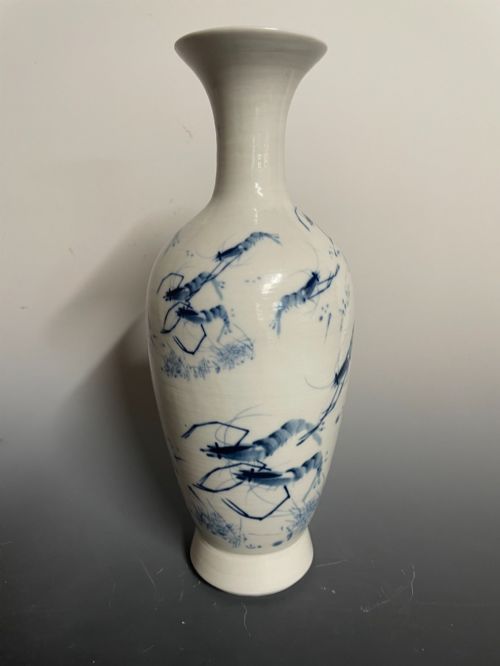
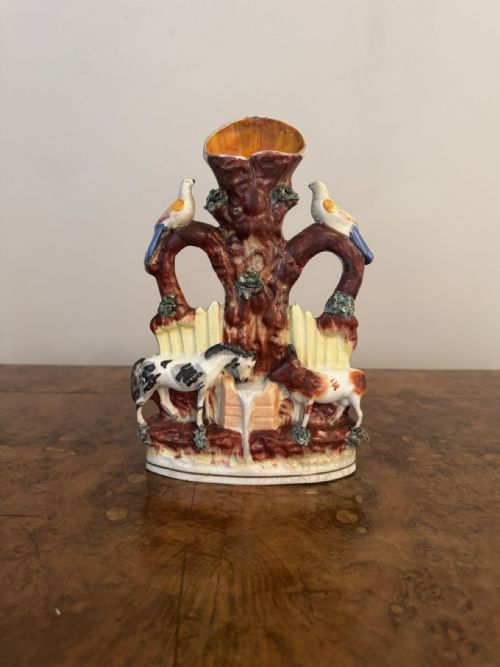
Several vases depict fiercely decorative parrots, fish, and flying birds immortalised in mid-kiln brilliance.
What varies in quality
The precision and confidence of the brushwork separate standard production pieces from exceptional works of art. Skilled painters achieved fluid, lively lines and nuanced shading, whereas lesser examples show stiff, hesitant strokes and poorly mixed pigments.
The complexity of the glaze and the success of the kiln firing dictate the depth of the finished surface. Superior vessels display rich depth in their lustre or enamel layers without pooling, cloudiness, or heavy kiln distortion.
The crispness of moulded details and the harmonious balance between form and decoration determine the overall aesthetic success. When the painted composition respects the contours of the vessel rather than ignoring them, the piece achieves lasting visual strength.
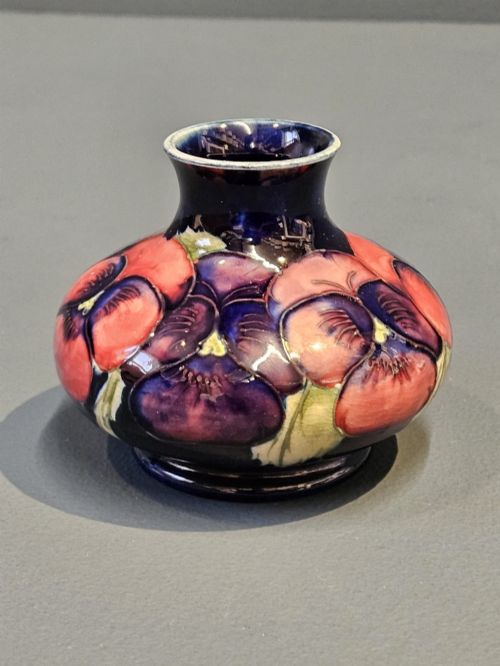
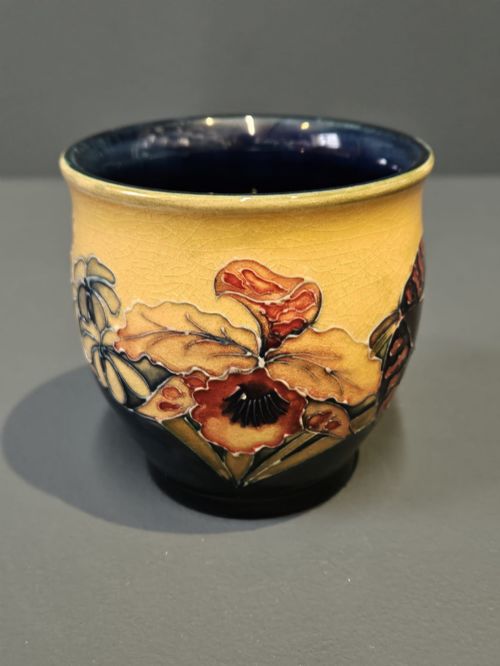
Moorcroft·Jacob Petit·Cantagalli·Doulton Lambeth·Royal Worcester·Minton·Poole Pottery
The Hand Painted Pottery Vase Glossary
- Majolica
- Tin-glazed earthenware produced in Italy and other European countries, noted for its bright polychrome painting over a white enamel ground. The technique developed during the Renaissance and saw revivals in the nineteenth century.
- Satsuma
- A type of Japanese earthenware featuring a crackled ivory glaze decorated with delicate polychrome enamels and gilt. These wares were heavily exported to the West from the late nineteenth century onwards.
- Delftware
- Tin-glazed earthenware made in Holland and England, traditionally painted in blue and white to emulate imported Chinese porcelain. Production flourished from the seventeenth century through the Victorian era.
- Lustre
- A metallic glaze that produces an iridescent, reflective surface when fired in a reduced oxygen atmosphere. Potters utilised silver, copper, and bismuth compounds to achieve these shimmering, rainbow-like effects.
- Famille Rose
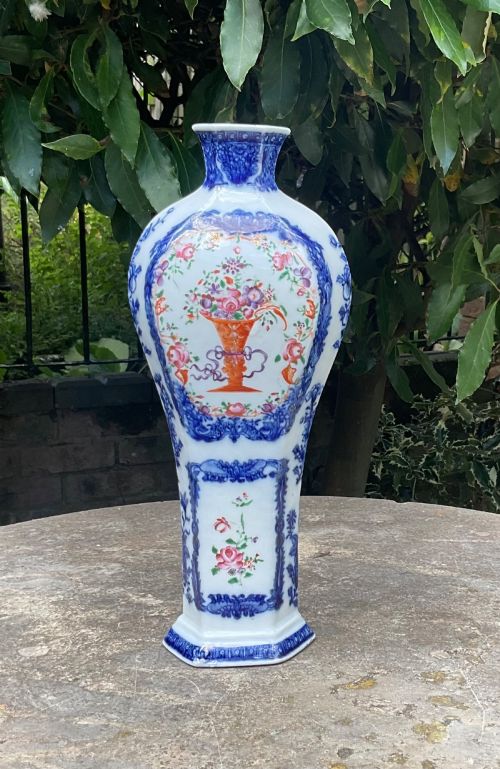
- A palette of Chinese porcelain and ceramic decoration distinguished by opaque pink or rose enamel introduced during the Qing dynasty. This palette allowed for soft gradations of colour not possible with earlier underglaze blues.
Hand Painted Pottery Vase: Frequently Asked Questions
How do I date a hand painted pottery vase?
Dating relies upon examining the ceramic body, glaze characteristics, style of decoration, and any maker marks or impressed stamps found on the base. Stylistic markers such as Victorian aesthetic motifs or Art Deco geometries provide reliable chronological anchors.
Comparing the potting technique and pigment types against known historical periods helps narrow down the decade of manufacture. Unmarked pieces require careful comparison with documented examples from the same workshop or region.
Are these vases suitable for holding water?
Many antique ceramic and earthenware vessels were designed strictly for decorative display rather than holding water. Porous bodies or historical hairline fractures mean that filling them can cause moisture damage to the piece or your furniture.
If you wish to display fresh stems, use a concealed glass liner or test the vessel cautiously with dry botanicals first. Preserved or dried flowers offer a safe and historically sympathetic way to dress these antique containers.
What is the difference between earthenware and porcelain?
Earthenware is made from porous clay fired at lower temperatures, requiring a glaze such as tin or enamel to make it impermeable. It tends to feel heavier and thicker in the hand compared to high-fired ceramics.
Porcelain utilises refined kaolin clay fired at extremely high temperatures until the body vitrifies into a dense, non-porous material. Porcelain rings when struck gently and often displays greater translucency under strong light.
How should I clean and care for my vase?
Dust the surface gently with a soft, dry cloth or a clean artist's paintbrush to remove everyday particulate buildup. Avoid harsh chemical cleaners, abrasive scrubbers, or soaking the vessel in water, as these can strip delicate overglaze enamels and gold leaf.
Keep the piece away from direct sunlight to prevent fading in polychrome pigments and enamel work over time. Stable indoor humidity protects old earthenware bodies from stress and deterioration.