



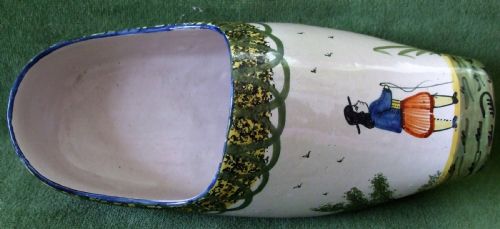


Hand Painted Planter
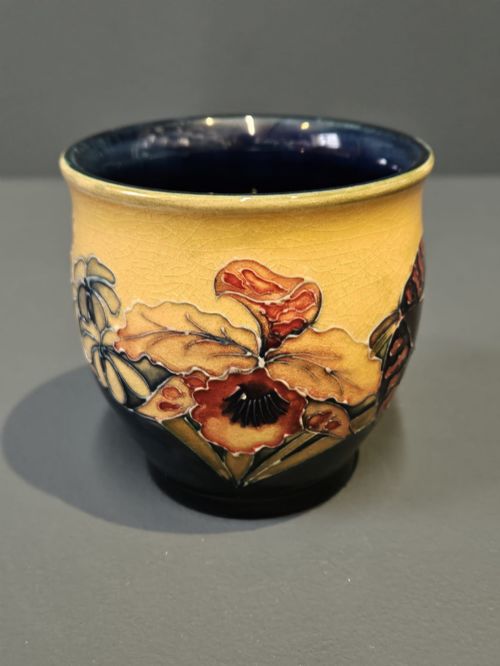
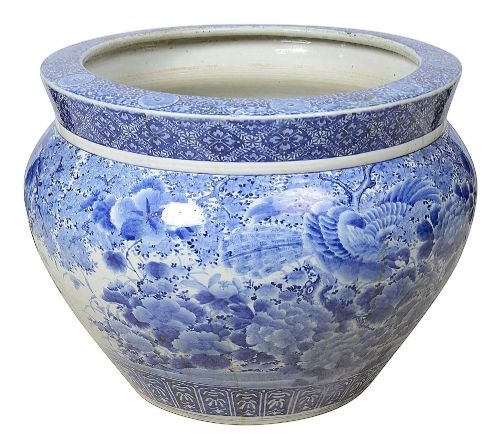
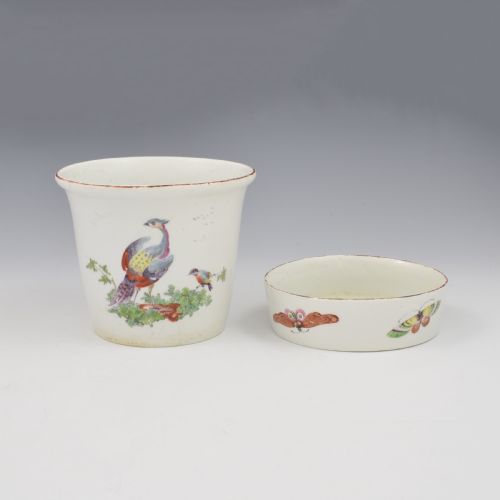
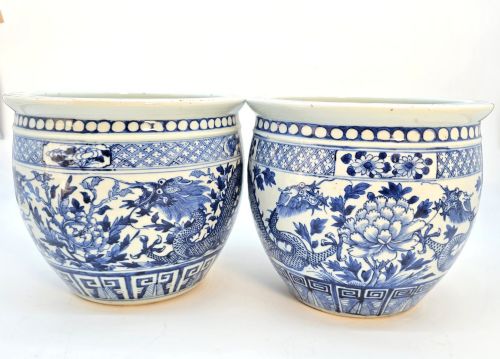
These hand painted planter pieces bring floral motifs and glazed ceramics into domestic interiors across various historical styles.
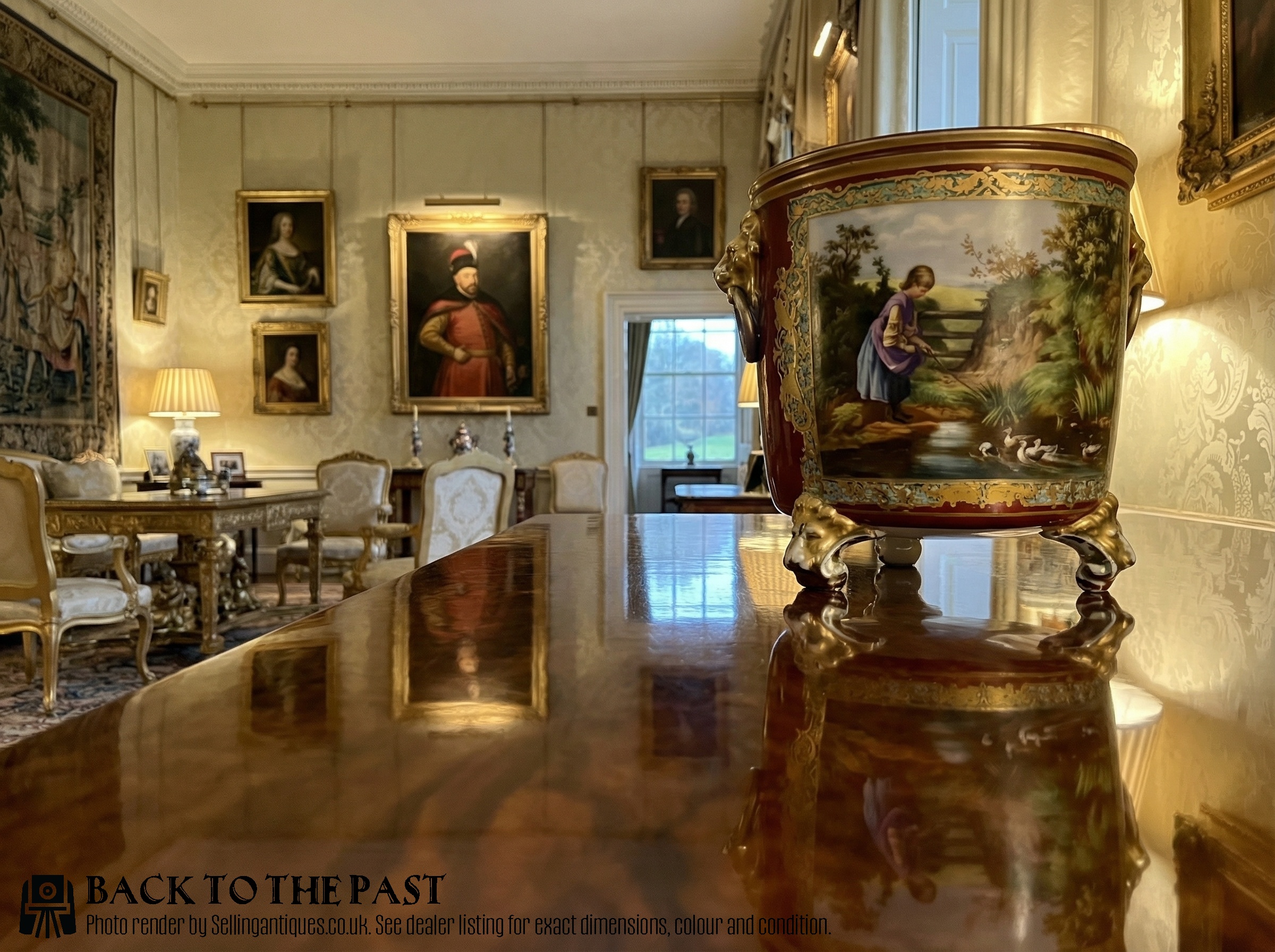
Hand Painted Planter
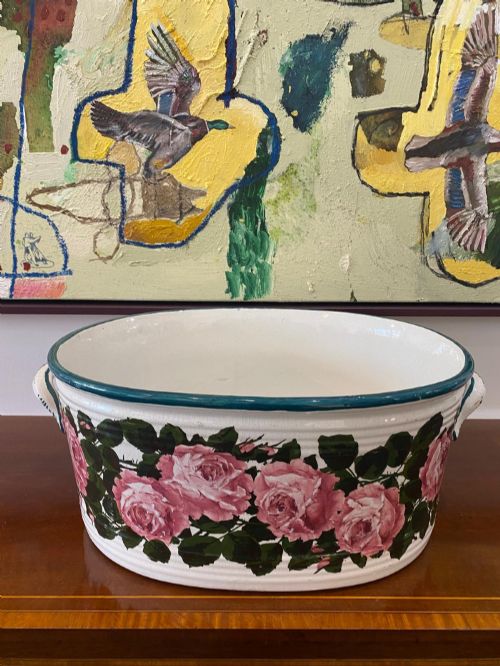
A hand painted planter serves to house indoor vegetation while adding decorative colour to a room through botanical designs and ceramic glazes. You will frequently encounter items such as jardinieres, cachepots, and ceramic pots originating from Chinese export kilns, European porcelain factories, and earthenware potteries.
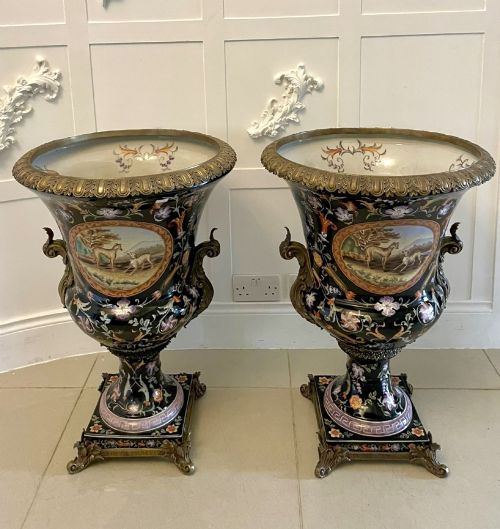
The selections span centuries of production, ranging from eighteenth-century examples to twentieth-century specimens. Makers across different regions applied floral, animal, and scenic motifs directly onto the ceramic body.
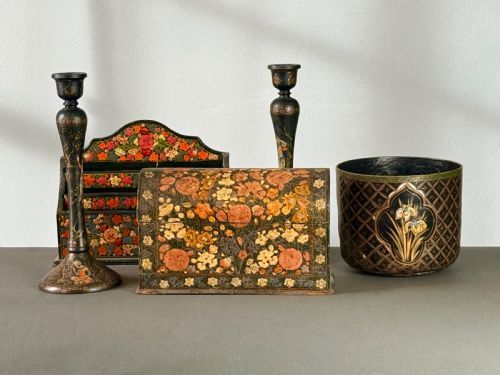
Forms vary from large fish bowls and hexagonal planters to smaller desk accessories and wall pockets. Each piece reflects the aesthetic preferences of its period, whether adopting Rococo curves, Chinoiserie landscapes, or Art Deco geometry.
Materials and construction
Potters shaped these vessels primarily from porcelain, earthenware, and faience, often mounting specific examples with brass or utilising wooden elements. Artisans applied liquid glazes and pigments by hand before firing the ceramics in kilns to seal the surface and fix the colours.
Decoration involved meticulous brushwork using cobalt blue, polychrome enamel, or gold leaf to render detailed scenes and floral patterns. Some pieces relied on underglaze painting, whilst others incorporated overglaze enamels that sat raised upon the glazed body.
Materials recorded across the inventory include porcelain, earthenware, enamel, wood, iron, and gold leaf.
Judging execution and finish
Superior items display crispness in the hand-painted brushwork and precise control over the glaze firing. Finer ceramic bodies tend to be thinner, lighter, and more evenly potted without significant warping or kiln distortion.
The sophistication of the painted composition separates standard production from exceptional work. Detailed facial expressions on figures, subtle tonal gradations in floral sprays, and well-preserved gilding indicate higher craftsmanship by the decorator.
Wemyss·Derby Porcelain·Barr Flight And Barr·Royal Worcester·Coalport
The Hand Painted Planter Glossary
- Jardinee
- A large decorative pot or stand used to hold growing plants or flowers. These vessels often sit on furniture or directly on the floor in reception rooms.
- Cachepot
- An ornamental container designed to conceal a plain flowerpot holding a plant. The French term translates directly to hide pot.
- Imari
- A style of Japanese porcelain decorated in underglaze blue and overglaze iron red, gold, and other colours. This palette gained popularity in European export markets during previous centuries.
- Faience
- Tin-glazed earthenware produced in various European countries, particularly France and the Netherlands. The opaque white glaze provided a smooth ground for painted decoration.
- Famille Rose
- A palette of Chinese porcelain enamels dominated by opaque pink or rose colours. Introduced during the Qing Dynasty, this style spread rapidly to Western collections.
Hand Painted Planter: Frequently Asked Questions
What is the difference between a jardiniere and a cachepot?
A jardiniere typically refers to a larger vessel designed to hold earth and plants directly or house substantial floral arrangements. They often occupy central positions on tables or pedestals.
A cachepot is generally smaller and functions specifically to conceal a utilitarian flowerpot. It protects furniture surfaces from moisture drainage without requiring direct planting inside the ceramic body.
How do I care for antique ceramic planters?
Clean these surfaces gently using a soft, dry cloth to remove dust. Avoid using abrasive household cleaners or harsh chemicals that might damage aged glazes or delicate overglaze enamel painting.
Place a waterproof liner inside the vessel if you intend to use it for live plants. This prevents moisture from seeping through porous earthenware bodies or older hairline cracks.
How can I tell the period of a painted planter?
Examine the base for maker marks, factory seals, or handwritten inscriptions that provide clues to the manufacturing date. Ceramic bodies, glaze characteristics, and painting styles also align with specific historical periods.
Compare the motifs against documented historical designs such as Chinoiserie, Rococo Revival, or Art Deco. Stylistic execution often reveals the era in which the decorator worked.
Can these planters be used outdoors?
Most antique porcelain and fine earthenware pieces are unsuited for outdoor use during freezing weather. Frost expansion can crack the ceramic body or cause the glaze to craze and flake off.
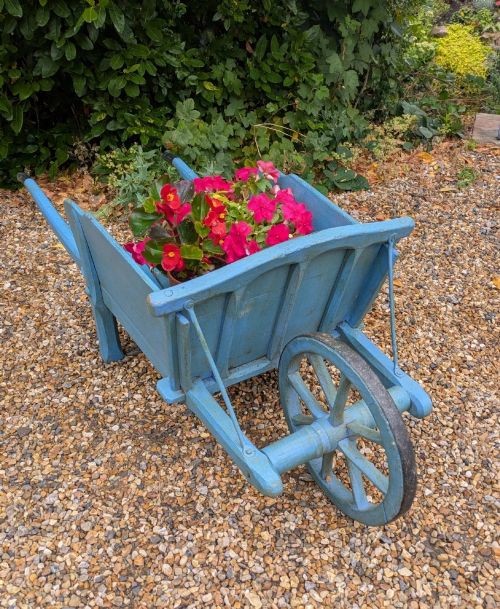
Display these items indoors in controlled environments to preserve the hand-painted surfaces and delicate materials. Garden antiques made of sturdier materials represent exceptions designed for exterior conditions.