
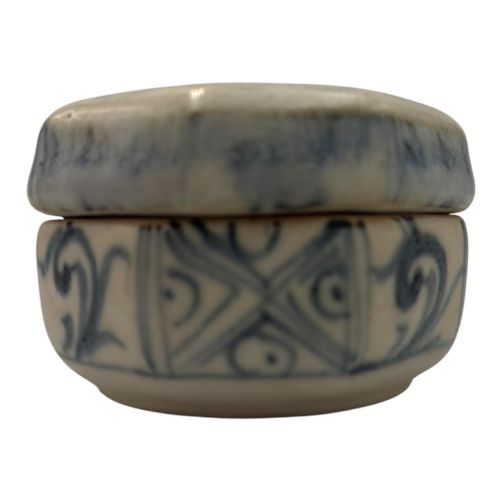
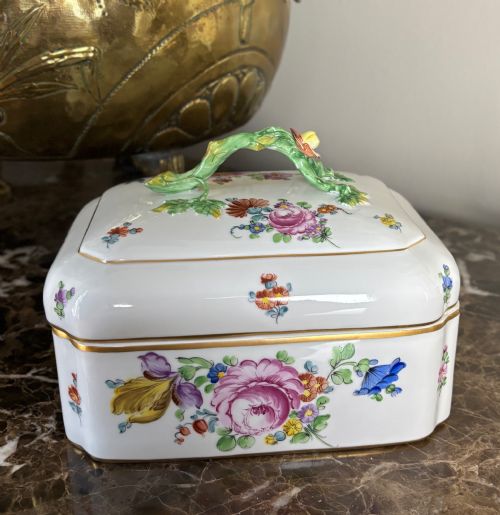


Painted Ceramic Container
These painted ceramic container selections range from delicate lidded boxes to robust ginger jars, offering both decorative charm and practical storage.
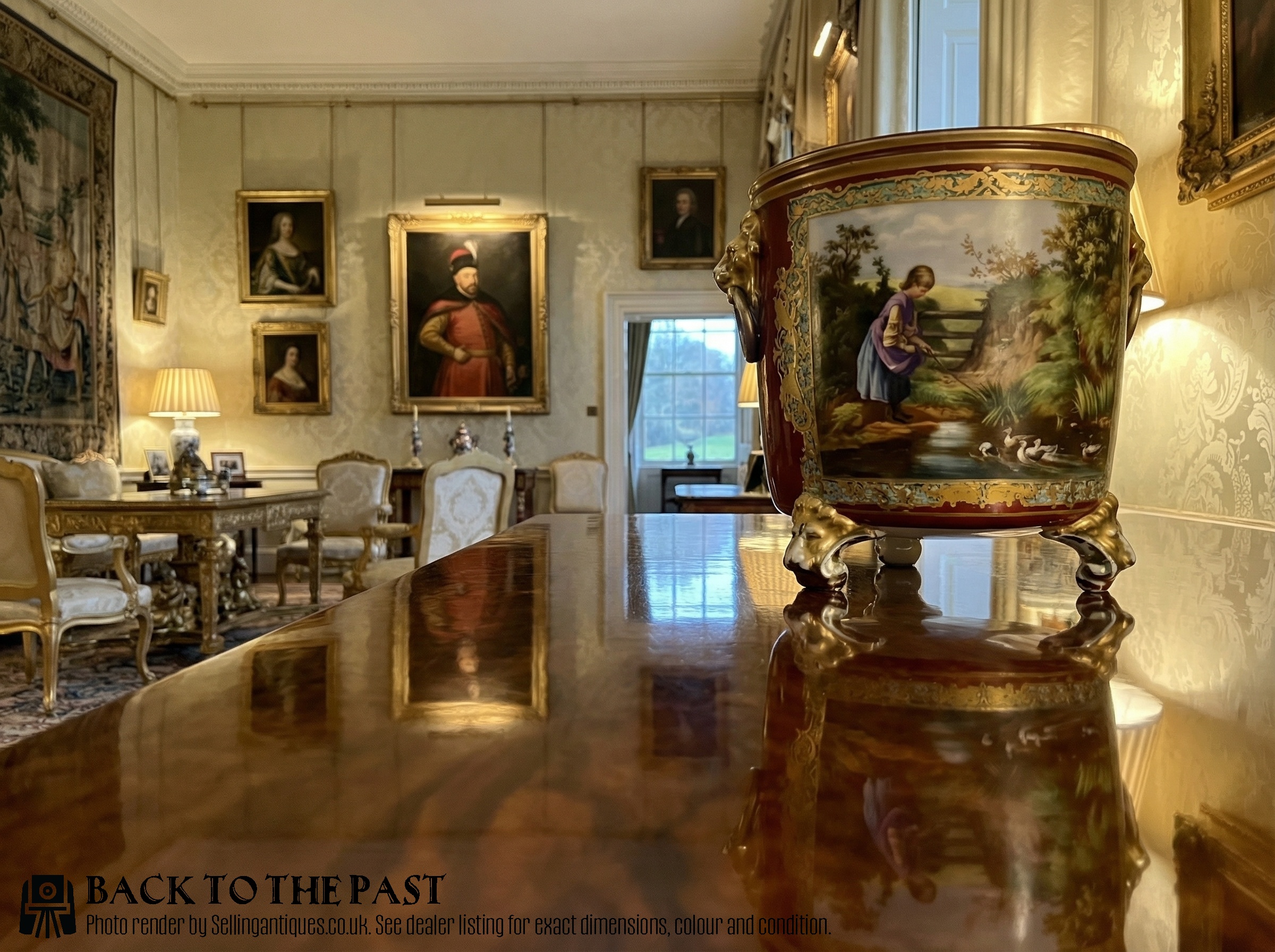
Painted Ceramic Container
A painted ceramic container serves practical storage and decorative display across multiple centuries of craftsmanship. These pieces include lidded boxes, ginger jars, sugar bowls, and biscuit barrels designed to hold small household items.
The selections span diverse global traditions, featuring English porcelain, Chinese export pieces, Japanese Satsuma wares, and European faience. Buyers frequently encounter nineteenth-century production alongside earlier dynasty pieces and mid-twentieth-century studio work.
Forms vary from octagonal covered boxes and snuff bottles to large potpourri vases and sweetmeat presentiers. Each object utilises pigments and glazes applied directly to clay bodies, creating durable vessels intended for regular use or display.
How they were made
Potters shaped these vessels from clay bodies including porcelain, earthenware, and stoneware, before firing them in kilns to achieve structural hardness. Artisans then applied tin glazes, enamel pigments, or underglaze blue painting to the exterior surfaces.
Many items incorporate additional decorative techniques such as hand gilding, gold leaf application, or silver plate mounts. Surface designs range from intricate polychrome brushwork depicting figures and foliage to traditional blue and white motifs.
Listings feature porcelain, earthenware, and stoneware vessels spanning from the sixteenth century through the mid-twentieth century.
What varies in quality
The refinement of the painted brushwork largely determines the distinction between standard and superior pieces. Fine hand-painted details by recognised factories or individual artists display precision and depth absent in routine commercial wares.
The integrity of the ceramic body and the preservation of the original glaze or enamel layers define the overall grade. Superior examples retain crisp moulding, intact gilding, and well-fitted covers without extensive restoration.
Royal Worcester·Clarice Cliff·Tokyo Taizan
The Painted Ceramic Container Glossary
- Faience
- Tin-glazed earthenware produced in Europe, typically featuring opaque white backgrounds painted with coloured enamel designs. This technique became prominent in various continental workshops during the eighteenth century.
- Kamcheng
- A traditional lidded ceramic jar originating from Chinese kilns, often decorated in blue and white or polychrome enamel. These containers were traditionally used for food storage or ceremonial purposes.
- Potpourri
- A mixture of dried petals and spices held within a pierced ceramic vessel to fragrance a room. The associated vases and jars feature perforated covers designed to release scent.
- Presentier
- A decorative dish or container used for serving sweets, sweetmeats, or small confectioneries during formal dining. These pieces often stand on short pedestals or feet.
- Snuff bottle
- A small container designed to hold powdered tobacco, featuring a tight-fitting stopper and a tiny spoon. These portable vessels received meticulous painted or carved ornamentation.
Painted Ceramic Container: Frequently Asked Questions
How do I clean a painted ceramic container?
Dust these vessels gently with a dry, soft cloth to prevent accumulation on painted or gilded surfaces. Avoid immersion in water, particularly for pieces with delicate enamel work, gold leaf, or silver plate mounts.
Harsh chemical cleaners can strip surface pigments and degrade the glaze over time. Professional conservation advice is recommended for pieces showing structural vulnerability.
Were these containers used for food?
Many historical vessels, such as sugar boxes, biscuit barrels, and sweetmeat presentiers, served culinary functions in formal dining settings. Other containers held tobacco, snuff, powder, or potpourri rather than provisions for consumption.
Changes in interior standards over the centuries mean that containers once tied to specific domestic rituals now function primarily as decorative display objects.
How do I identify the period of a piece?
Examine the base for factory marks, artist signatures, or stamps that correlate with known production eras. The composition of the ceramic body and the style of the painted decoration also offer strong chronological indicators.
Comparing glaze characteristics and potting techniques against documented examples helps narrow down the decade of manufacture.
Are lids usually original to these jars?
Most surviving lidded boxes, ginger jars, and sugar bowls retain their matching original covers. The glaze continuity and fit between base and lid generally confirm whether they belong together.
Replacement covers occasionally occur on older ceramic pieces due to centuries of domestic handling and accidental breakage.