
Hand Painted Japanese Urn
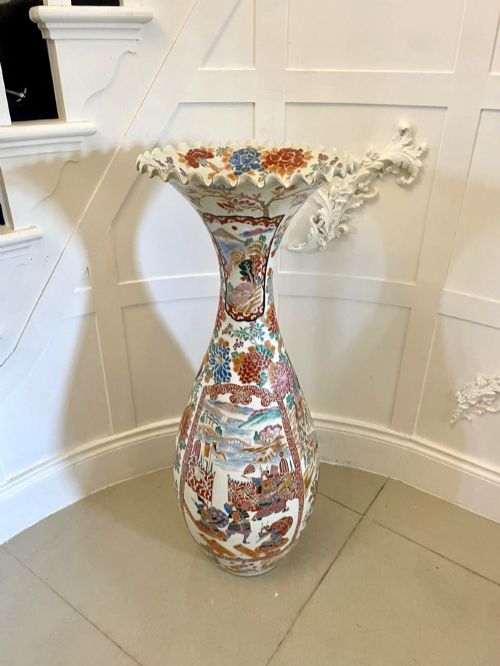
A hand painted japanese urn brings striking ceramic artistry and rich cultural narrative into a room.
Hand Painted Japanese Urn
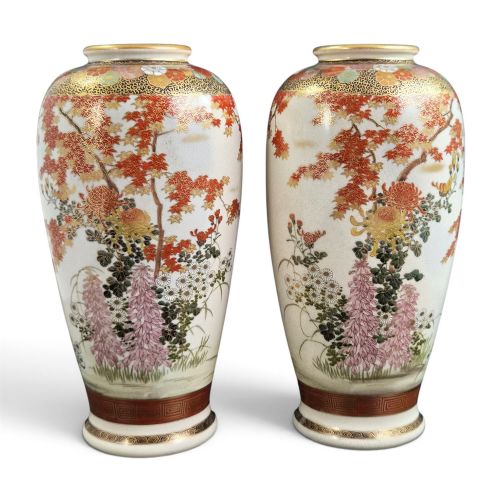
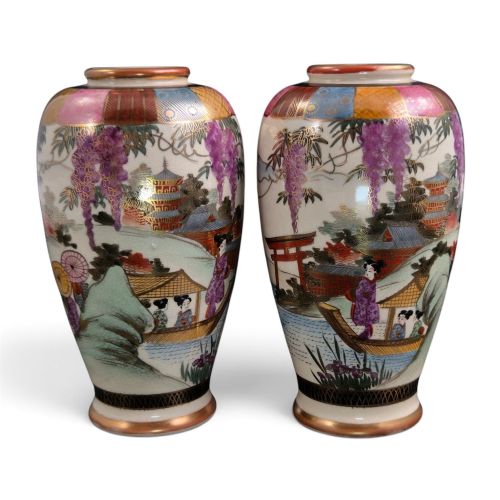
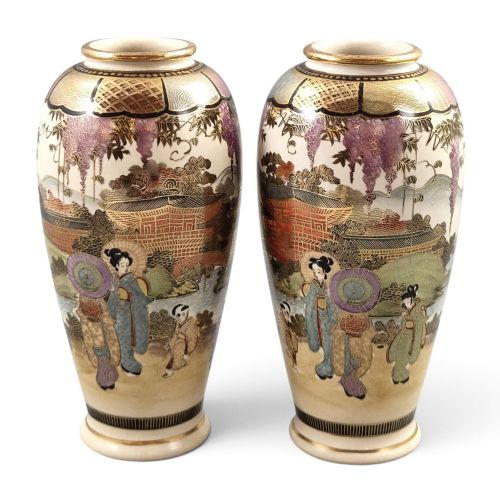
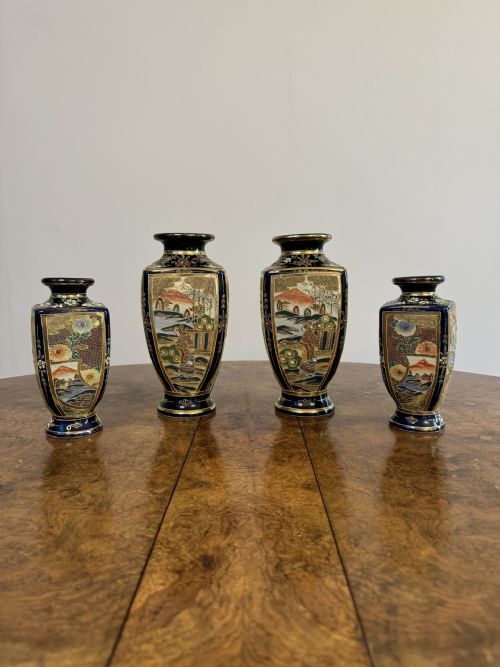
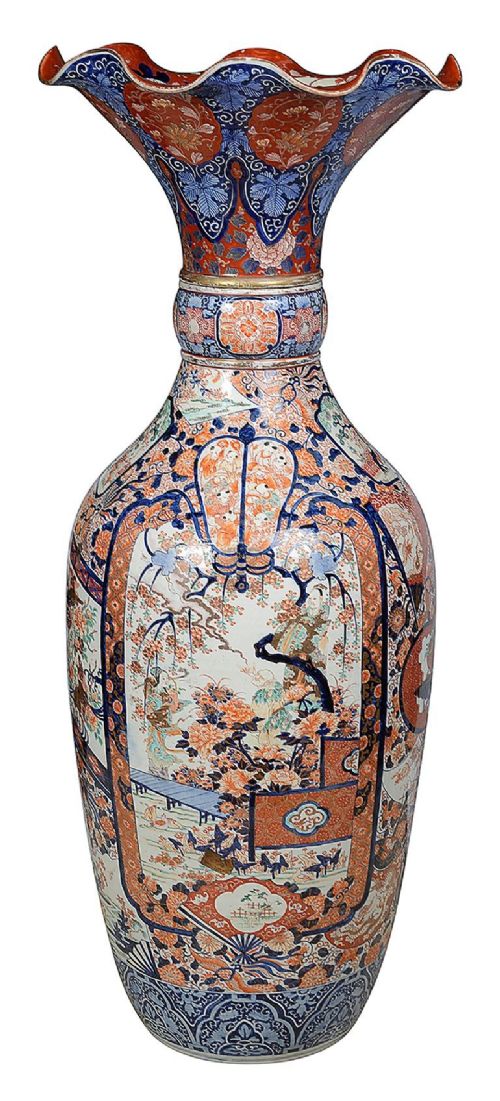
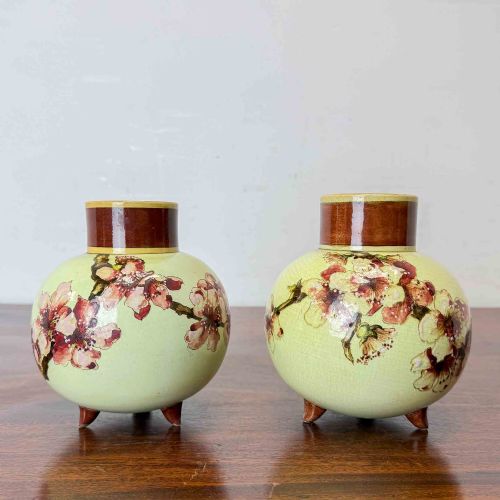
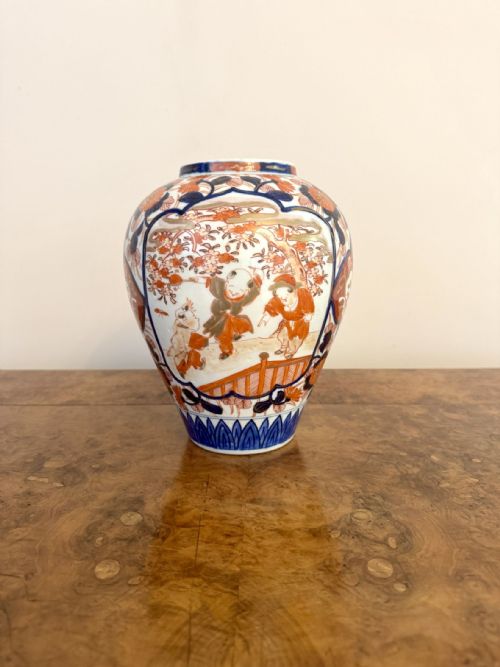
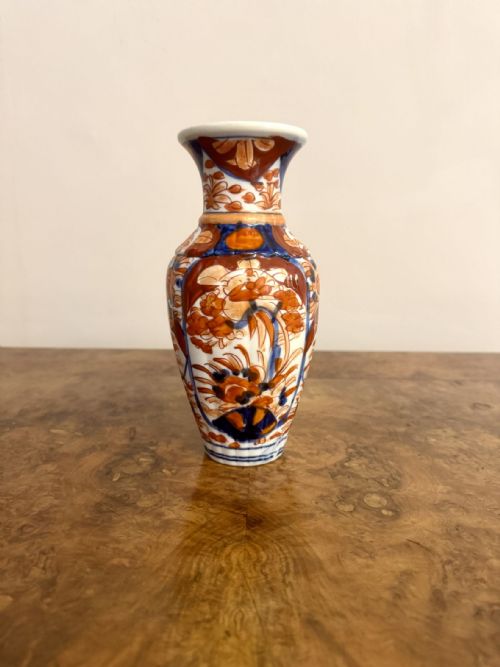
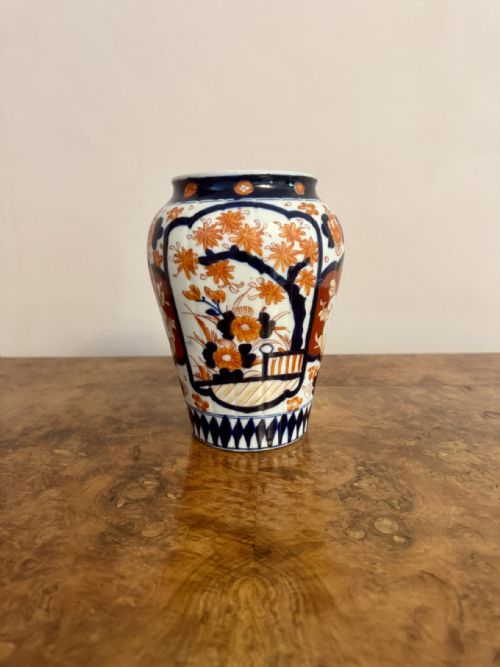
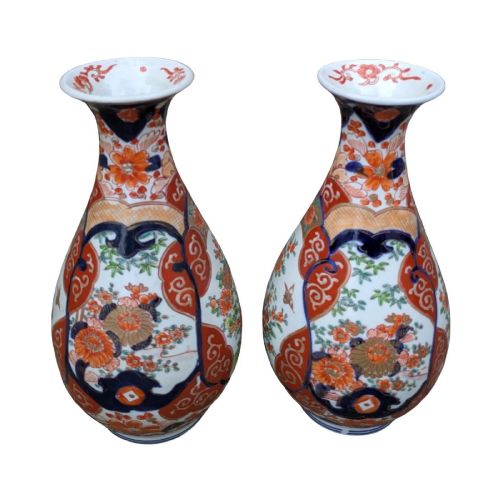
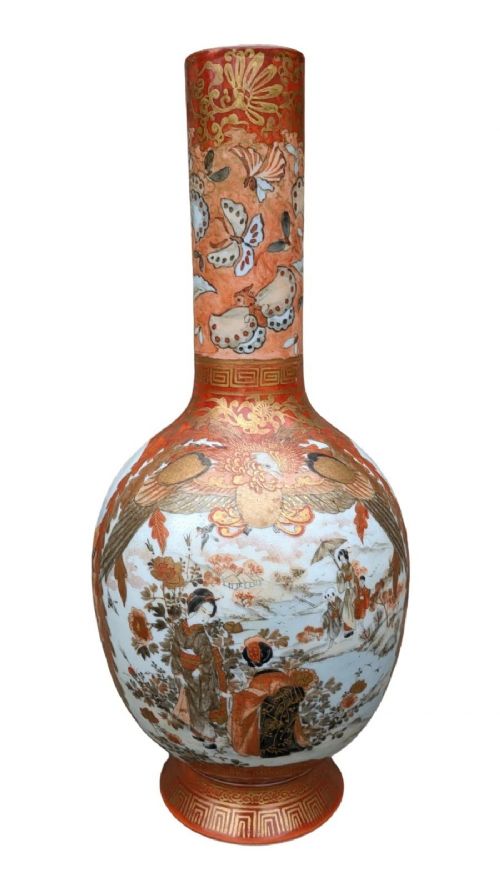
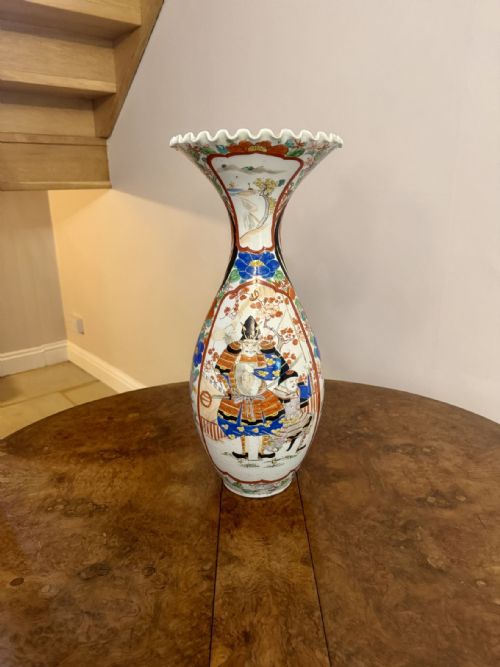
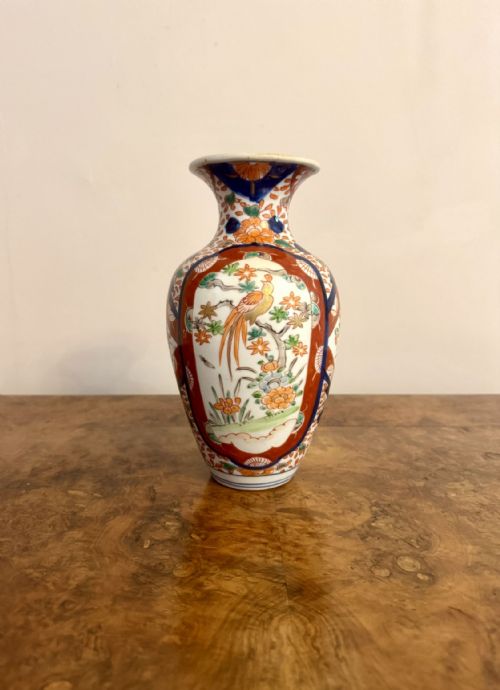
A hand painted japanese urn typically appears on this page as a porcelain or earthenware vessel, ranging from large floor standing pieces and garniture sets down to miniature vases and covered ginger jars. Collectors encounter these forms across multiple historical periods, notably the Meiji and Taisho eras, alongside earlier Edo and seventeenth century examples.
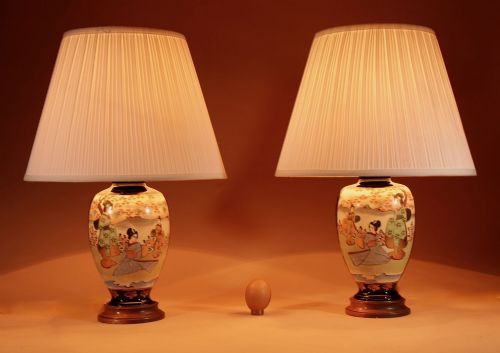
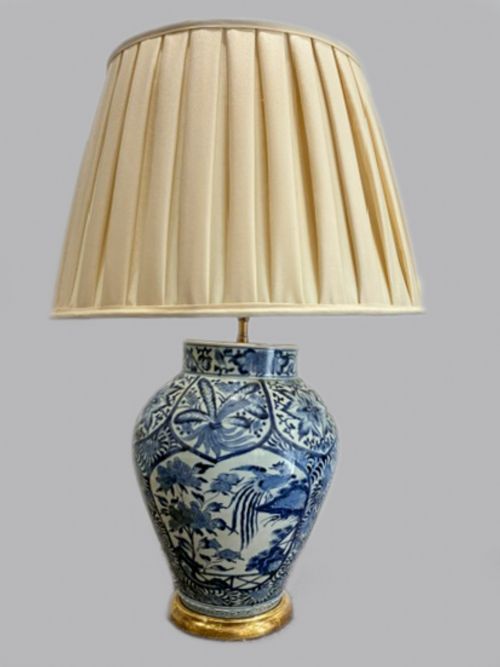
The decorative styles span distinct regional and aesthetic traditions, featuring Japanese Imari, Satsuma, and Kutani wares. Vases and jars dominate the selection, though conversions into table lamps also appear.
Makers and studios imprint distinct artistic identities onto these ceramics, producing objects designed for display or utility in domestic interiors.
How they were made
Potters shaped ceramic and porcelain bodies before applying intricate hand painted designs using enamel, glaze, and gold leaf. Gilt highlights frequently accent the detailed figural processions, floral motifs, and landscape scenes.
Firing techniques allowed for varied surface textures, from the dense underglaze cobalt blues and iron reds of Imari to the finely crackled cream-coloured earthenware ground characteristic of Satsuma wares.
Some nineteenth-century decorators squeezed fine gold leaf through tiny tubes to make warrior eyebrows look convincingly fierce.
What varies in quality
The refinement of the brushwork and the precision of the gilding set individual pieces apart. Finer examples display meticulous detail in human facial expressions, textile patterns, and botanical elements.
The integrity of the ceramic body and the depth of the glaze palette determine the overall visual impact of a piece. Well-preserved surfaces retain their original metallic lustre and vibrant enamel colours without excessive rubbing.
Maruni Kobe·Shozan·Chosei·Kinkozan·Hakusan·Hododa
The Hand Painted Japanese Urn Glossary
- Imari
- A style of Japanese porcelain featuring a distinct palette of underglaze blue, iron red, and added gold. These pieces were historically produced in Arita and exported widely.
- Satsuma
- Earthenware pottery characterised by a ivory-coloured, crackle-glaze finish and ornate polychrome enamel paintings often heightened with gold. Kyoto workshops became major centres for this production.
- Kutani
- Japanese ceramic ware known for bold, expressive colour schemes, particularly strong greens, blues, purples, and yellows. The tradition originates from the Ishikawa prefecture.
- Garniture
- A set of matching vases or jars designed to be displayed together on a mantelpiece or shelf. These sets typically comprise three or more matching vessels.
- Meiji Period
- The era of Japanese history spanning from 1868 to 1912, marked by significant opening to Western trade and the production of highly detailed decorative arts for export.
Hand Painted Japanese Urn: Frequently Asked Questions
How do I identify Satsuma ware?
Satsuma ware is recognised by its distinctive cream or ivory-coloured earthenware body covered in a fine network of microscopic glaze cracks. Artists then painted elaborate scenes over this surface, frequently adding raised gold details.
These pieces often depict figures, landscapes, or wisteria flowers and carry painted studio or artist signatures on the base.
What is the difference between Imari and Kutani?
Imari pieces are made of porcelain and traditionally rely on a palette combining deep underglaze blue with iron red and gold. They tend to feature dense geometric and floral panel designs.
Kutani ceramics utilise a wider, bolder range of enamel colours, particularly greens and purples, focusing on pictorial scenes rather than repeating brocade patterns.
Were these pieces made for export?
Many Japanese ceramics from the late nineteenth century onwards were produced specifically for international markets following the opening of trade during the Meiji period. European and American buyers prized these decorative objects for exhibitions and domestic display.
Maker marks on the base often indicate the specific workshop or export house responsible for the piece.
Can I use these vases for fresh flowers?
While many of these vessels were originally created as purely decorative objects or garnitures, some collectors do utilise them for floral displays. Antique ceramic bodies can be porous or fragile, so placing a discreet glass liner inside helps protect the interior from moisture.
Care should be taken when handling older earthenware like Satsuma to avoid water damage to the unglazed base edges.