





Antique Kutani Ceramic
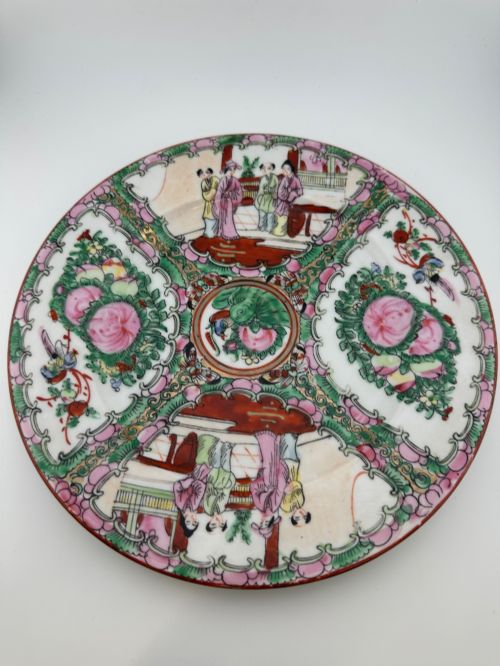
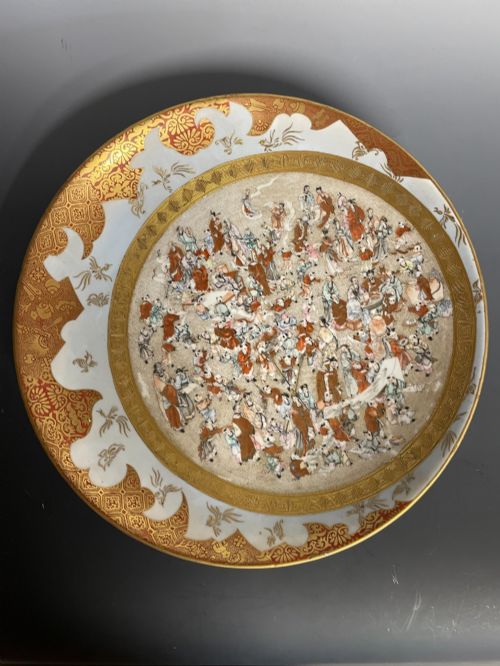
Antique kutani ceramic pieces comprise Japanese porcelain decorated in enamel and gold leaf, offering collectors rich historical artistry from the Meiji and Taisho periods.
Antique Kutani Ceramic
When searching for antique kutani ceramic, buyers examine items originating primarily from Japanese workshops during the nineteenth and early twentieth centuries, spanning the Meiji and Taisho periods.
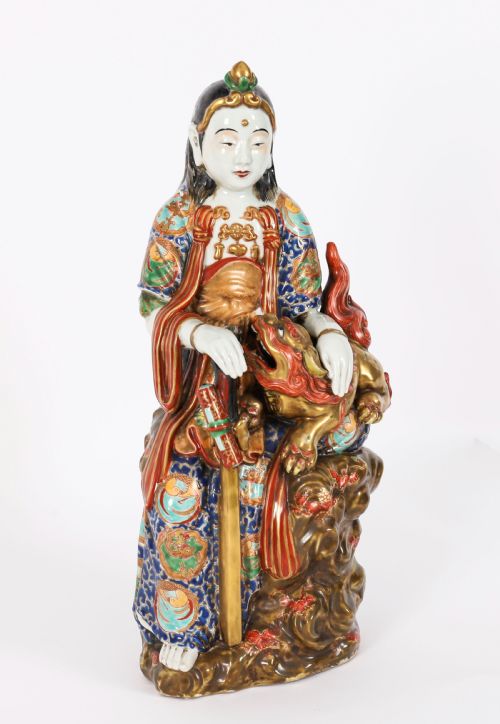
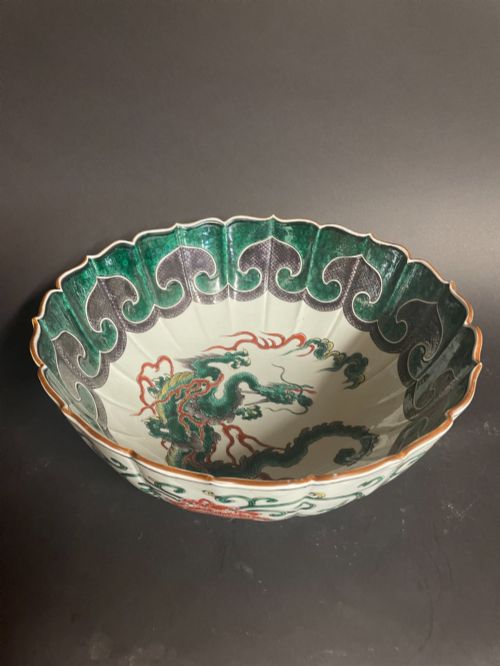
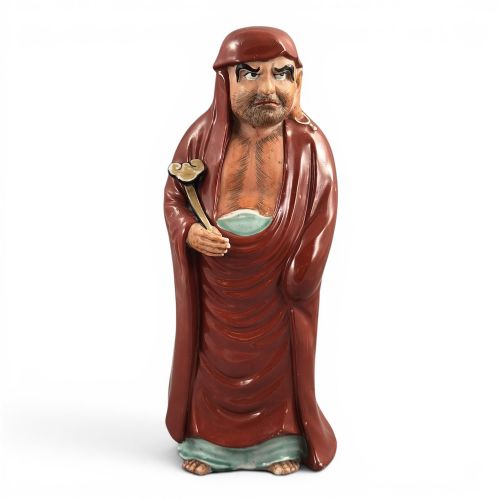
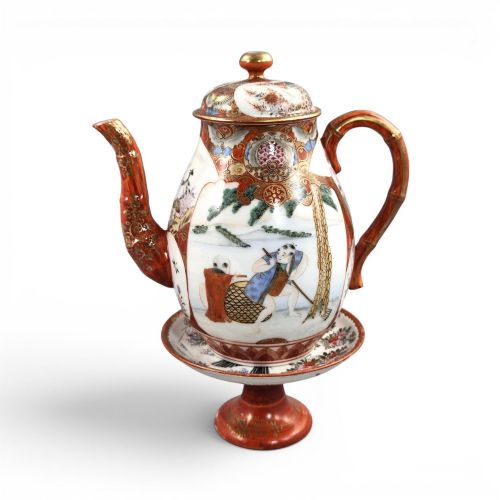
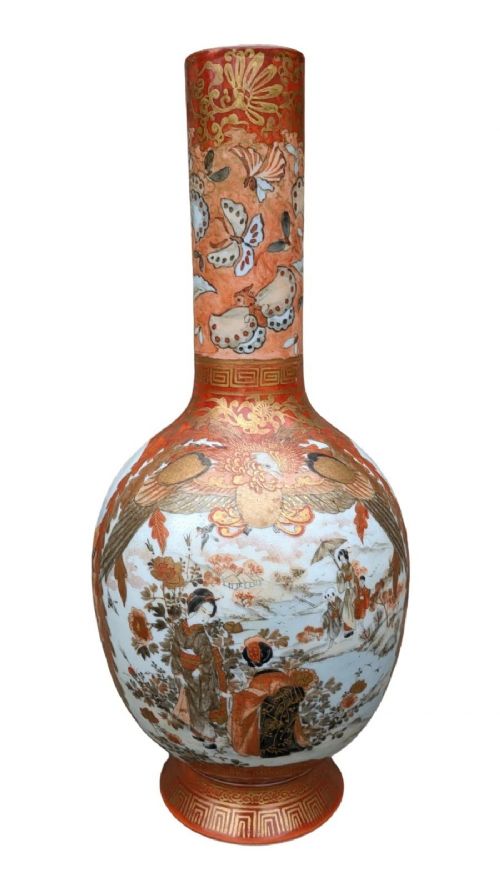
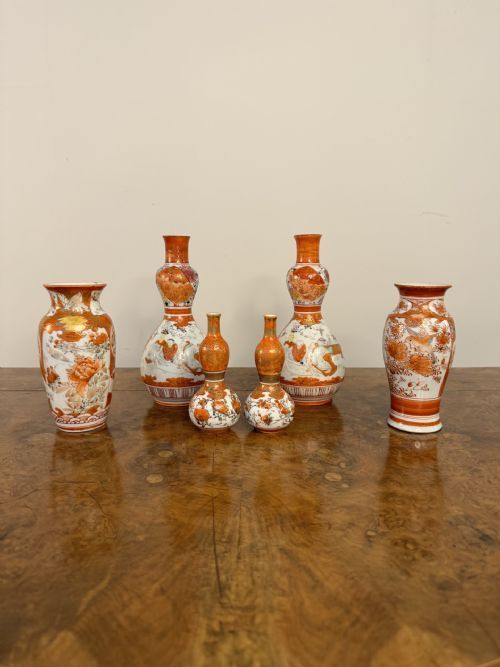
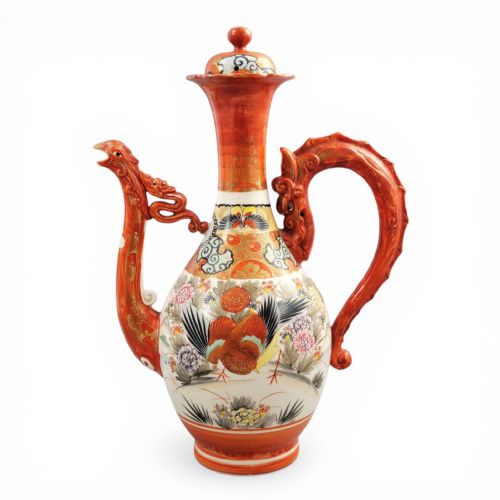
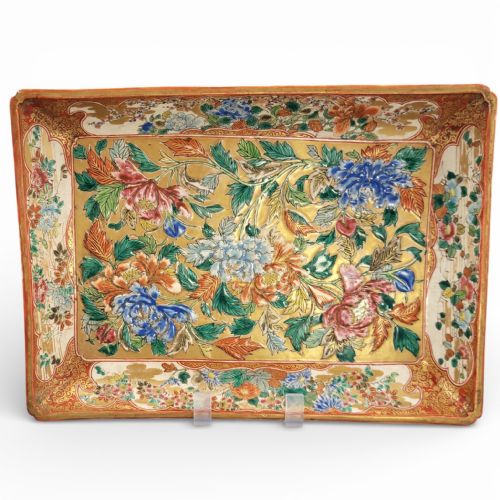
The objects available on this page include chargers, dishes, vases, and ewers alongside figurative sculptures of figures such as Kannon, Jurojin, and Daruma.
Vessels and figures most frequently date from the 1880s and 1890s, showcasing the traditional motifs and forms produced during the height of the Meiji period.
Materials and production methods
Potters shaped porcelain bodies into domestic wares, jars, and intricate sculptural forms, sometimes incorporating brass, wood, or fabric components.
Decorators applied coloured enamels and gold leaf to the surfaces, utilising techniques like moriage to build up raised patterns in relief.
Listings feature porcelain forms from the 19th century, Edwardian era, and the Meiji and Taisho periods.
Assessing quality in the pieces
Distinction across the range lies in the precision of the hand-painted brushwork and the complexity of the gilded and enamelled surface designs.
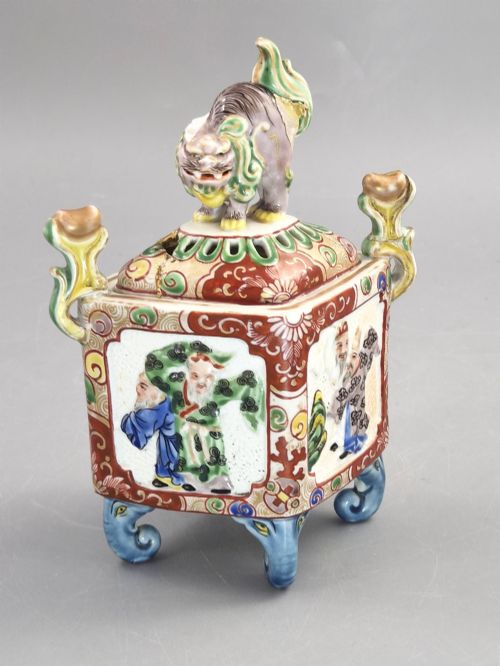
Sculptural pieces show variation in the modelling of forms like shishi lions and human figures, where expressive detail dictates the tier of craftsmanship.
Kinrin Workshop
The Antique Kutani Ceramic Glossary
- Kutani
- A style of Japanese porcelain traditionally characterised by vibrant enamel painting and extensive gilding. It originates from the Kaga province.
- Moriage
- A decorative ceramic technique where slip is piped onto the surface to create raised, three-dimensional designs before glazing and firing. This method adds a tactile dimension to vases and figurines.
- Meiji Period
- The era in Japanese history spanning from 1868 to 1912, marked by the opening of trade with the West and a surge in export ceramics. Pieces from this time show high technical skill.
- Okimono
- A Japanese ornamental statue or figurine intended for display on a shelf or in a tokonoma alcove. These often depict deities, historical figures, or animals.
- Koro
- A traditional Japanese incense burner, frequently featuring pierced covers and decorative legs or handles. They are often modelled as mythological creatures.
Antique Kutani Ceramic: Frequently Asked Questions
What is antique kutani ceramic?
Antique kutani ceramic refers to porcelain items made in Japan featuring hand-painted enamel designs and gold leaf detailing. These pieces predominantly date from the nineteenth and early twentieth centuries.
The category encompasses both functional vessels like vases and plates, and decorative sculptures depicting Buddhist and mythological subjects.
How do I date these pieces?
Dating relies on stylistic indicators, period markers such as the Meiji or Taisho eras, and manufacturing techniques recorded in the items. Many pieces trace back to the late nineteenth century.
Changes in decorative density and subject matter help separate earlier Meiji examples from later Taisho productions.
What subjects appear on figures?
Figurative works frequently depict traditional deities, Buddhist figures, and legendary entities such as Kannon, Jurojin, and Daruma. Shishi lions also appear as independent models or supporting elements.
These subjects reflect the cultural and spiritual traditions integrated into Japanese ceramic art of the period.
How were these items used?
Many items served decorative and ritual functions within Japanese interiors, including incense burners for ceremonies and chargers for display. Vases and ewers held floral arrangements or functioned as ornamental table pieces.
Export wares were also produced specifically for international markets during the Meiji period.