





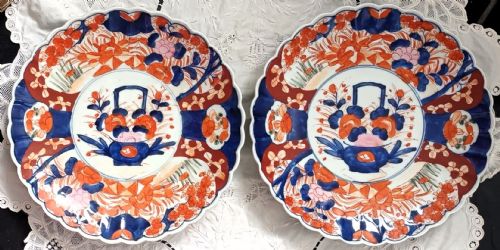
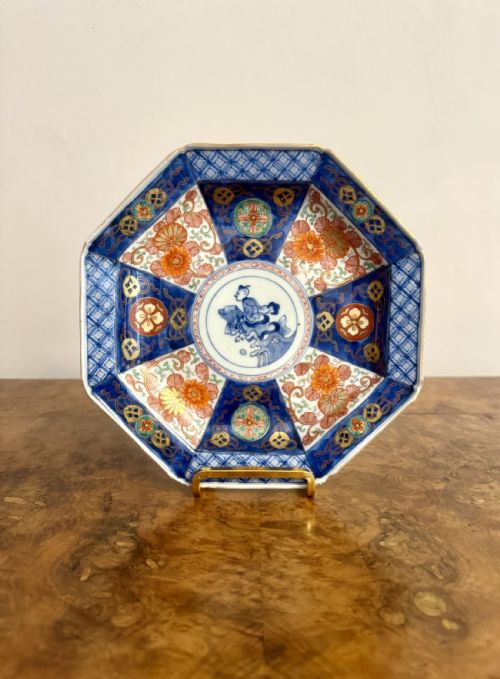
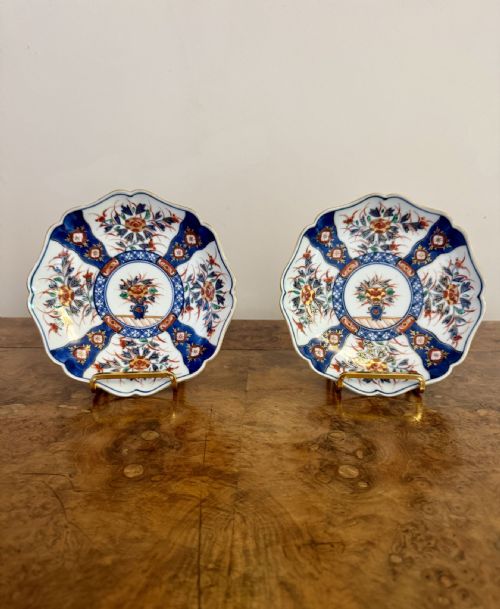
Hand Painted Imari Charger
A hand painted imari charger brings bold palettes of cobalt underglaze, enamel and gold leaf into a room, offering striking decorative presence.
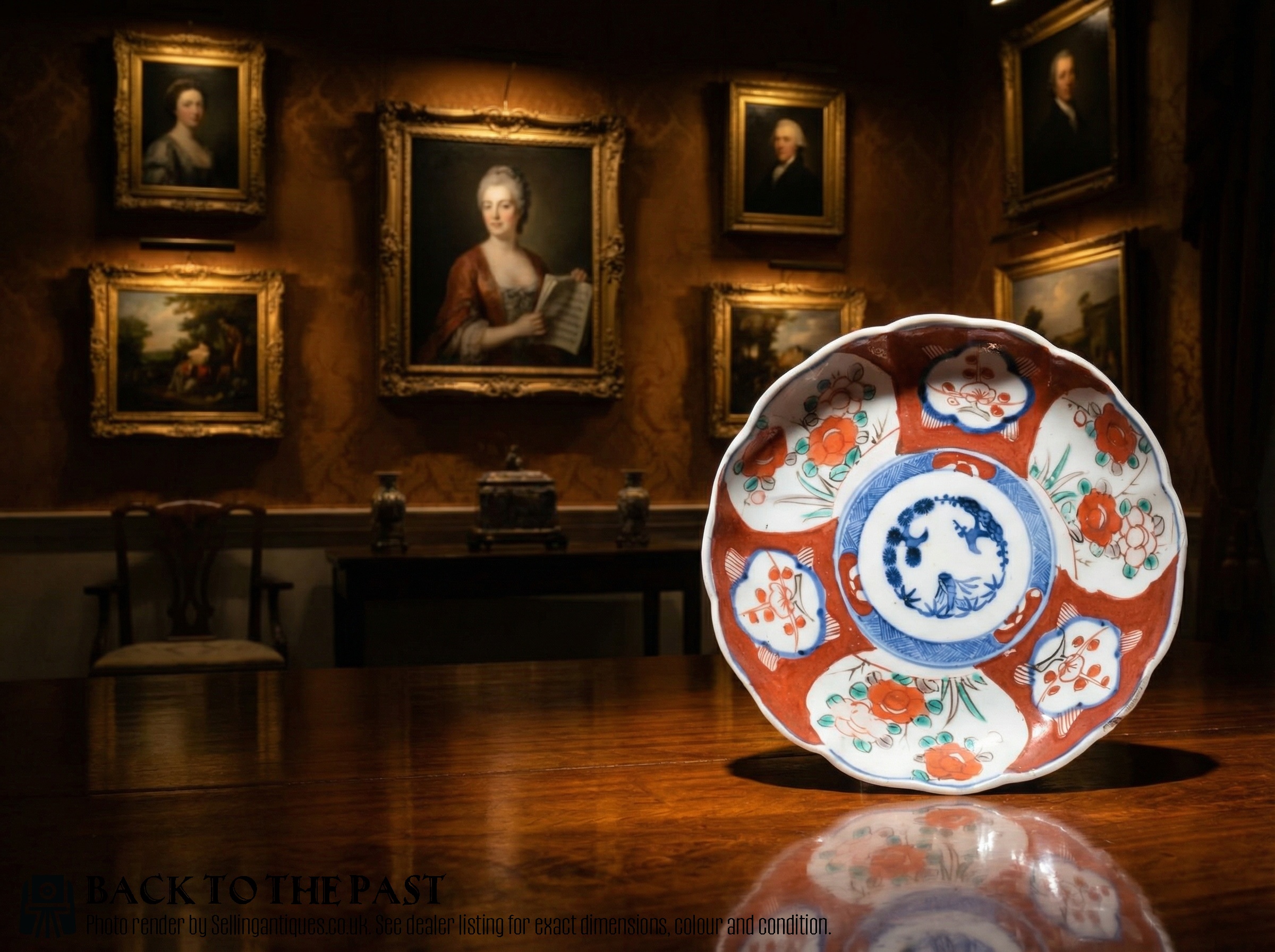
Hand Painted Imari Charger
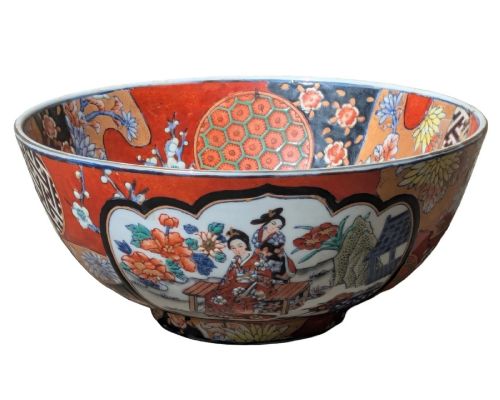
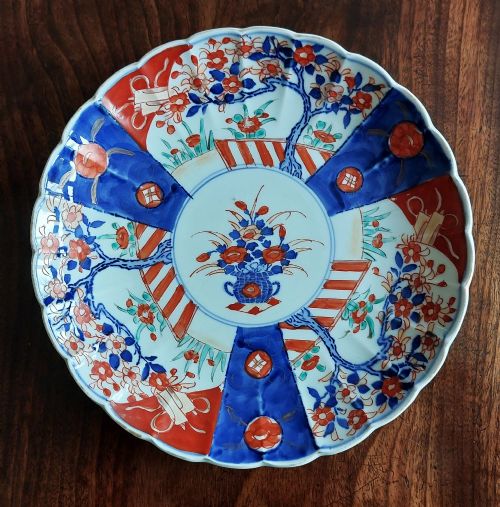
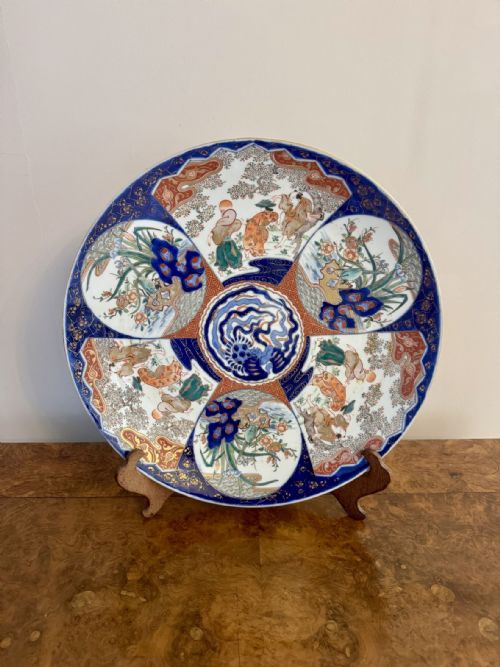
When you search for a hand painted imari charger, you encounter large circular display plates, bowls and dishes intended primarily for decorative display rather than daily dining. These substantial ceramic pieces originate predominantly from Japan across the Meiji period, the late nineteenth century and the early twentieth century, alongside occasional examples from the eighteenth century.
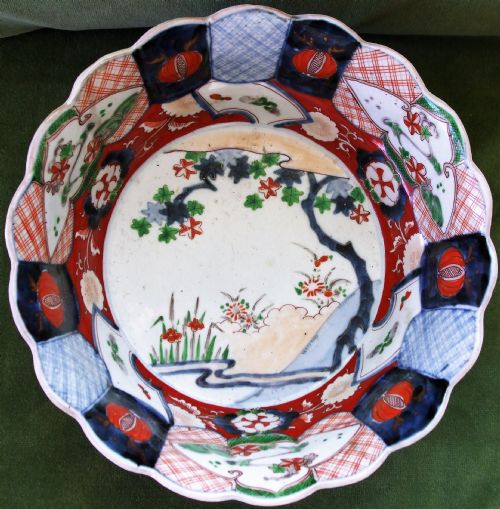
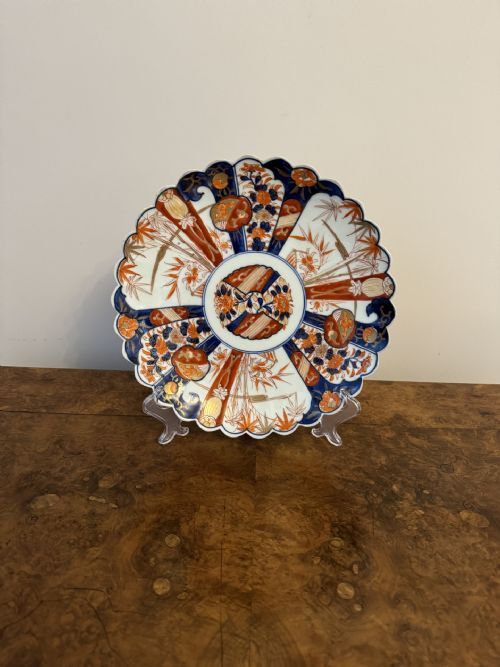
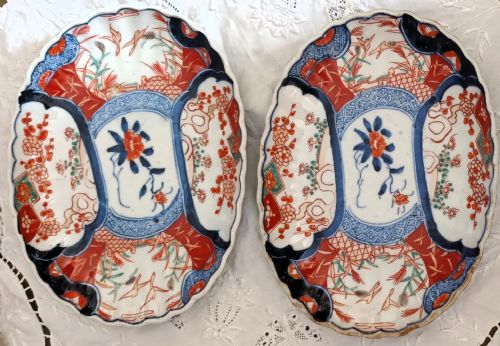
The objects on this page span several specific forms, including scalloped edge bowls, hexagonal plates, oval dishes and expansive wall plates. Japanese Arita production strongly shapes this category, while related nineteenth century English ironstone and eighteenth century Chinese export pieces also appear.
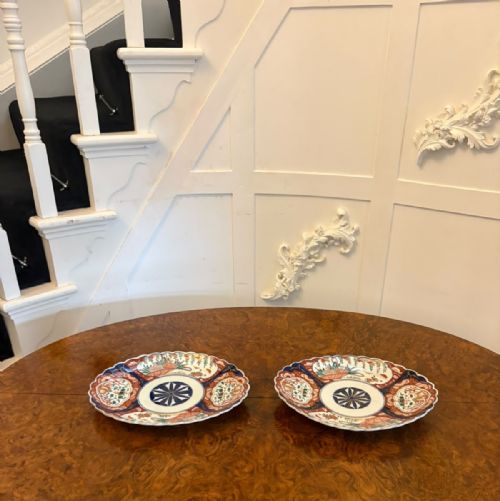
Buyers regularly select these items to mount on walls or display on cabinets, where their characteristic size and rich colour palette draw the eye across a room.

How they were made
Potters shaped these objects from ceramic and porcelain before applying cobalt underglaze details to the raw clay body. Kiln firing fixed this blue foundation beneath a clear glass glaze.
Artisans then added overglaze enamels in distinct shades, frequently complemented by gold leaf, gilt or delicate gilding. A secondary, lower temperature firing bonded these vibrant surface colours and metallic highlights to the glazed ceramic.
Hand Painted Imari Charger Retail Price Guide 2026
Typical asking prices for hand painted imari charger among the pieces listed under this phrase on Sellingantiques today, from the lower quarter to the upper quarter. They describe what is for sale here now, not the wider market.
Certain chargers depict all Seven Lucky Gods gathered together on a single porcelain plate.
What varies in quality
The standard of execution in the hand painted brushwork defines the superior examples within this category. Crisp delineation in the cobalt underglaze and finely rendered motifs of exotic birds or the Seven Lucky Gods distinguish finer specimens from simpler production.
The richness and preservation of the applied enamel and gold leaf elements further separate tiers of quality. Complete gilding and vibrant, intact enamel layers elevate the visual weight of a charger significantly.

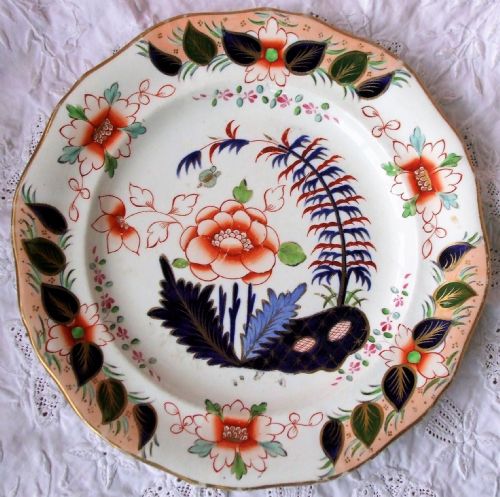
John Davenport of Longport
The Hand Painted Imari Charger Glossary
- Imari
- A traditional style of Japanese porcelain originating from the port of Arita, recognised by a palette comprising cobalt blue, iron red and gold.
- Charger
- A large decorative plate or dish, traditionally too large for individual dining and utilised instead for display or serving.
- Meiji Period
- The era in Japanese history spanning from 1868 to 1912, which produced a vast quantity of the decorative export porcelain found today.
- Cobalt Underglaze
- A blue pigment applied to the unfired ceramic body that withstands high kiln temperatures and remains permanent beneath the clear glaze.
- Ironstone
- A type of durable heavy earthenware developed in nineteenth century England, occasionally decorated in imitation of Asian patterns.
Hand Painted Imari Charger: Frequently Asked Questions
How were imari chargers used?
These large ceramic pieces served primarily as decorative display items in homes rather than functional tableware for meals. Their substantial diameter and vibrant designs made them suitable for placement on sideboards, tables or walls.
Historical examples often functioned as status objects in wealthy interiors, showcasing the skilled integration of cobalt underglaze, enamel and gilding from Japanese and international kilns.
How do I hang a charger safely?
Displaying a heavy porcelain or ironstone dish on a wall requires a specialist spring-loaded plate hanger designed to distribute the weight evenly across the rim. Ensure the mounting hardware is securely fixed into wall studs or appropriate masonry anchors.
Avoid wire adhesives or clips that grip only the rear glaze, as the substantial weight of these large plates demands mechanical support.
How do I clean these plates?
Maintenance requires gentle dusting with a soft, dry cloth to remove particles without disturbing the delicate overglaze enamel or gold leaf. Water immersion and modern chemical detergents should be avoided entirely.
Older gilded and enamelled surfaces remain sensitive to abrasion, so professional conservation cleaning is recommended for heavily soiled antique pieces.
Are all imari chargers Japanese?
While the vast majority of these items originate from Japanese kilns, particularly in the Arita region during the Meiji period and nineteenth century, other traditions produced similar wares. Eighteenth century Chinese export potteries and nineteenth century English makers such as John Davenport also created pieces in this distinct palette.
Examining the paste, weight and underglaze characteristics helps distinguish Japanese porcelain from European ironstone and Chinese export ceramics.