




Hand Painted Floral Dish
When you search for a hand painted floral dish, you find centuries of ceramic artistry spanning English porcelain, Japanese Imari, and European faience.
Hand Painted Floral Dish
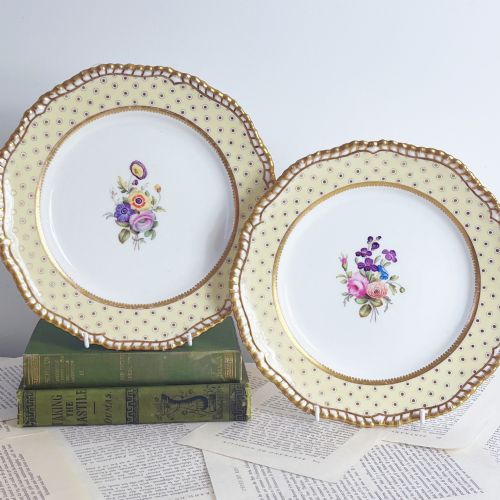
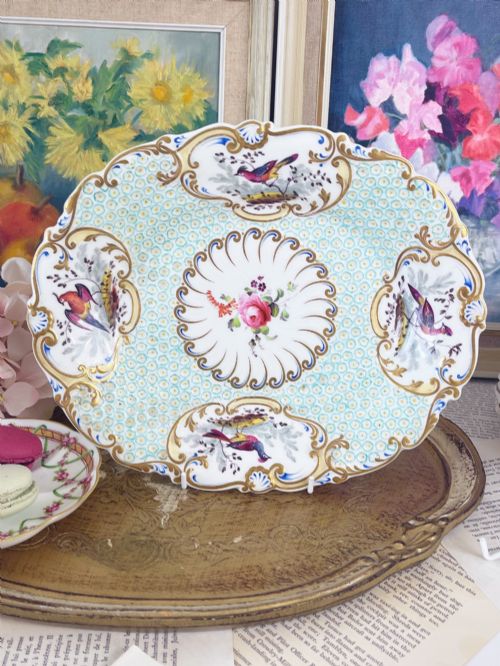
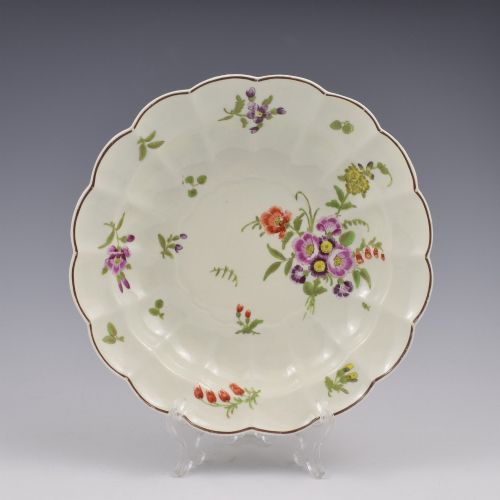
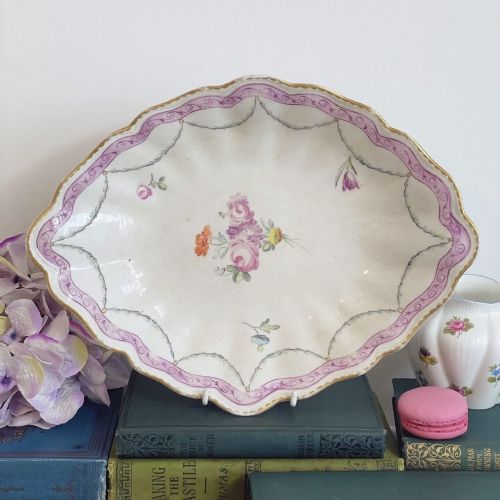
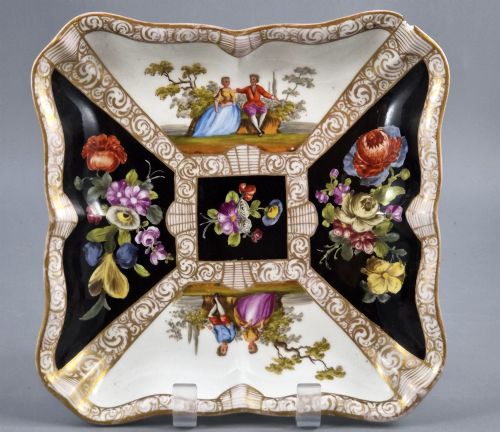
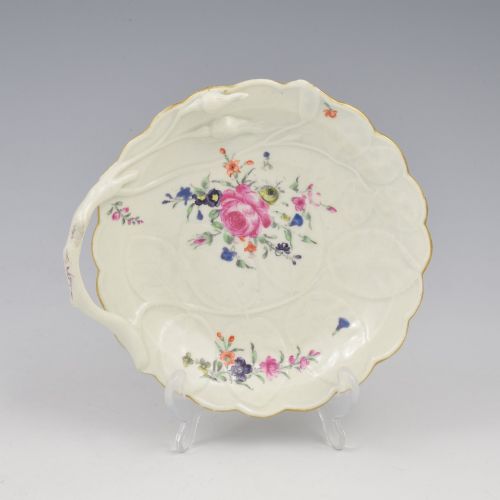
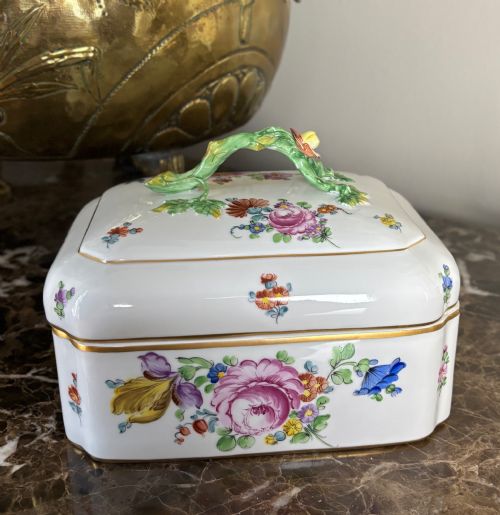
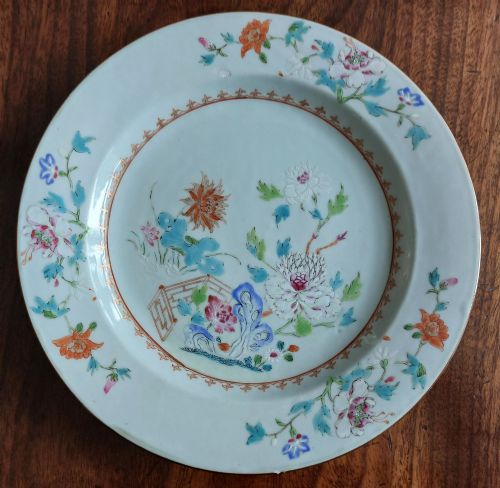
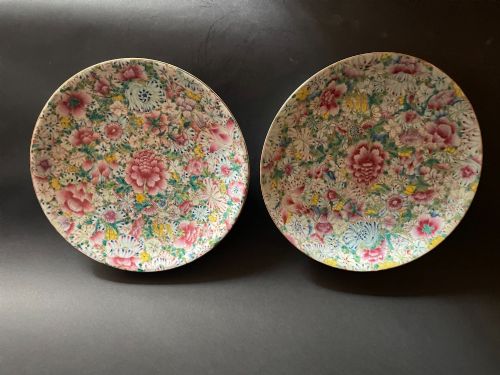
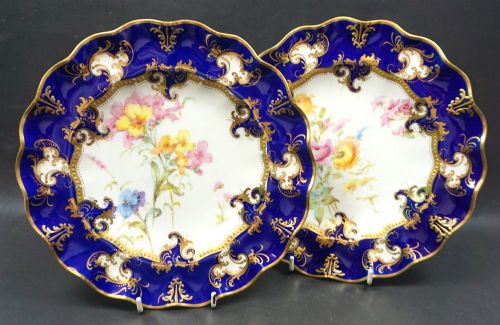
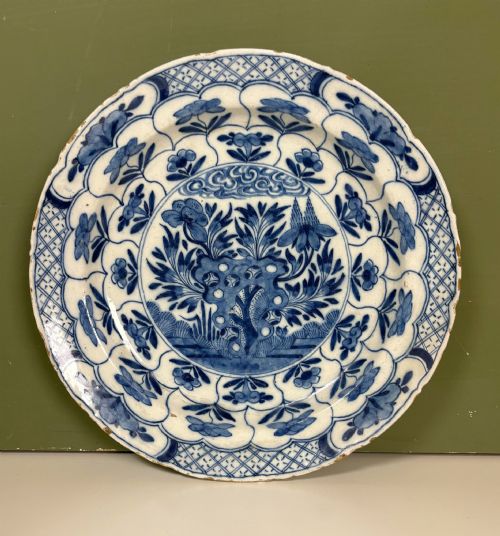
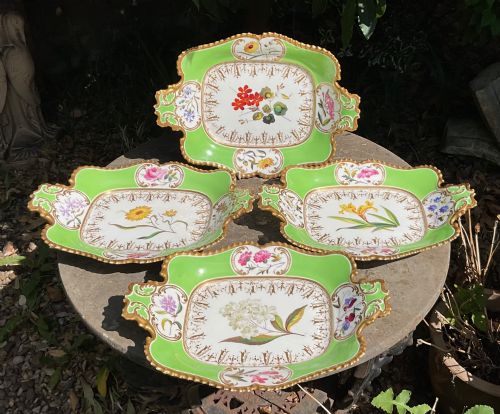
A hand painted floral dish encompasses an array of decorative plates, bowls, chargers, and serving vessels created to showcase botanical motifs. These items emerge from various periods, including the eighteenth and nineteenth centuries, alongside pieces from around nineteen hundred.
The most frequent version encountered on this page is the nineteenth-century porcelain dish or plate, often bearing intricate hand-painted floral or bird designs. English factories, continental European makers, and Japanese kilns all contribute distinct aesthetic traditions to these forms.
How they were made
Potters shaped ceramic, porcelain, earthenware, and ironstone bodies before applying manual brushwork and glaze. Enamelled decoration and polychrome pigments were painted directly onto the surface, sometimes enhanced with gold leaf and gilding.
Firing techniques varied from soft-paste porcelain kilns to robust ironstone production. Skilled painters applied floral scenes, often sealing the colours beneath a protective glaze layer.
Listings feature porcelain, earthenware, ceramic, and glass materials across the eighteenth, nineteenth, and early twentieth centuries.
What varies in quality
The precision and detail of the hand-painted botanical motifs dictate much of the distinction between pieces. Superior examples display nuanced brushwork and careful polychrome shading rather than mechanical transfer printing.
The weight, translucency, and purity of the porcelain or ceramic body also establish hierarchy. Finer items incorporate skilful gilding, well-balanced forms, and verified factory marks that attest to their origin.
Spode·H and R Daniel·Royal Crown Derby·Royal Doulton·John Davenport·Meissen·Sèvres
The Hand Painted Floral Dish Glossary
- Imari
- A style of Japanese porcelain featuring distinctive blue, iron-red, and gilt decoration. These pieces were widely exported and later emulated by European potteries.
- Polychrome
- Decoration utilising multiple distinct colours painted onto the ceramic body. This technique allows for vibrant floral and pictorial scenes.
- Soft-Paste
- A type of porcelain composed of clay and glass frit fired at lower temperatures than hard-paste. It was common in eighteenth-century European factories.
- Faience
- Tin-glazed earthenware produced in France and other European regions. It provides an opaque white surface suitable for hand-painted ornamentation.
Hand Painted Floral Dish: Frequently Asked Questions
How do I identify a floral dish from the eighteenth century?
Eighteenth-century floral dishes often feature hand-painted polychrome enamels on soft-paste porcelain or tin-glazed earthenware. Look for period-specific factory marks and potting characteristics typical of early European kilns.
Brushwork from this era tends to show individual artistic variation rather than the uniformity of later industrial production. Examination of the foot ring and glaze pooling also helps confirm an earlier date.
Were these painted dishes used for food or display?
Many items, such as dessert plates, sweetmeat dishes, and serving bowls, were originally intended for dining tables. Cabinet plates and large chargers were frequently produced primarily for display.
Signs of light wear on the glaze can indicate actual dining use, whereas pristine surfaces often suggest cabinet preservation. Both functional and decorative pieces survive across various periods.
What is Japanese Imari on a European shape?
Japanese Imari describes the traditional palette of underglaze blue, iron red, and gilding exported from Japan during the Meiji and earlier periods. European potteries frequently borrowed these distinctive patterns for their own ceramic dishes.
Comparing the paste, weight, and potting marks helps determine whether a piece originated in Japan or was made by an English or continental factory imitating the style.
How should I care for an antique painted ceramic dish?
Antique ceramic and porcelain dishes require gentle handling and hand washing in warm water with mild soap. Avoid soaking pieces, particularly those with delicate gilt or enamel decoration.
Displaying them securely on plate stands or storing them safely protects the hand-painted surfaces from chips and wear. Chemical cleaners and modern dishwashers should be avoided entirely.