

Hand Painted Floral China
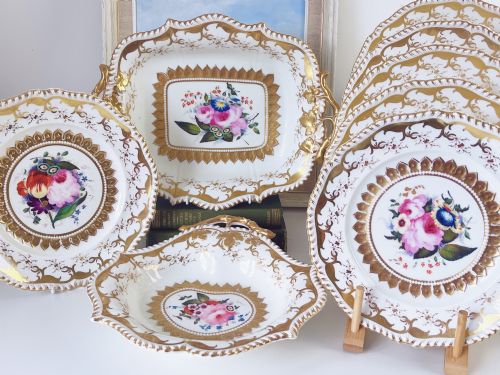
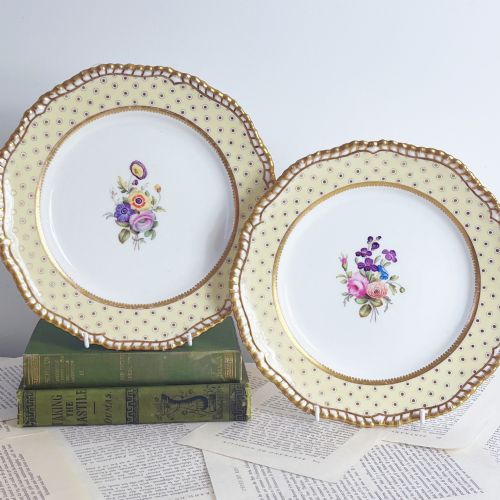
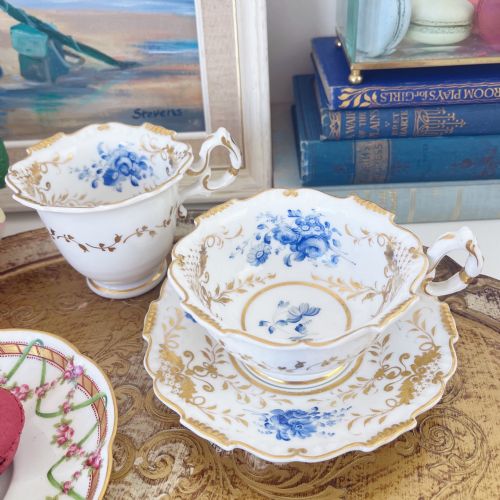
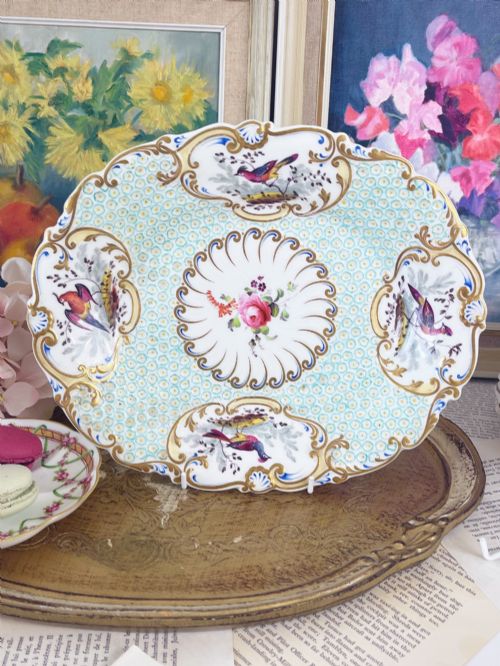
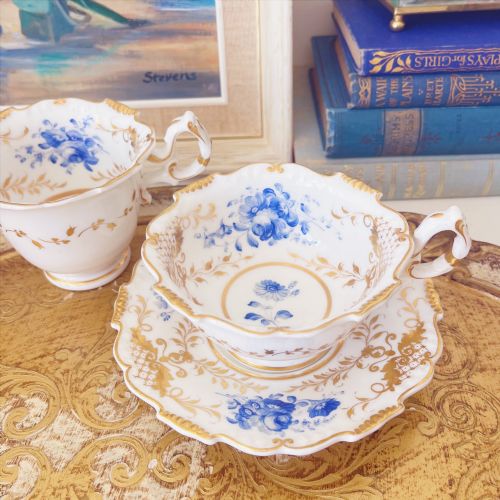
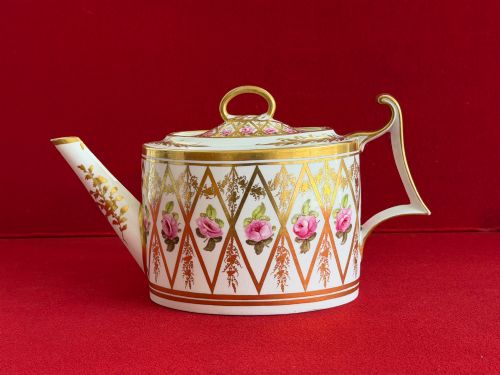
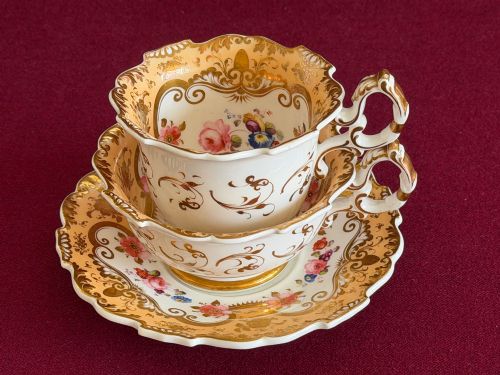
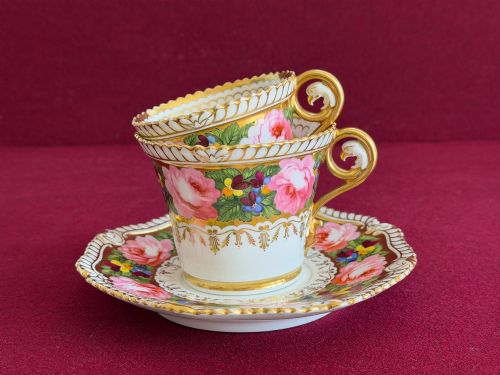
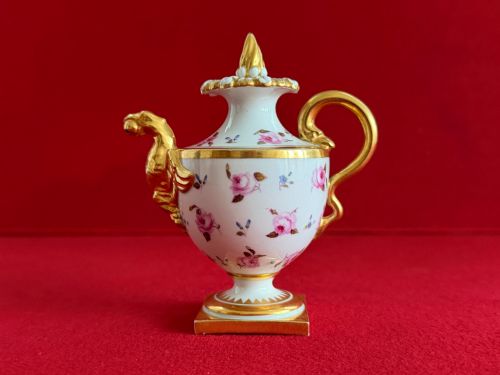
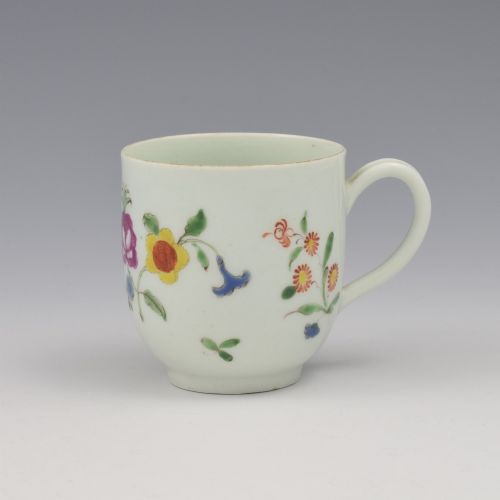
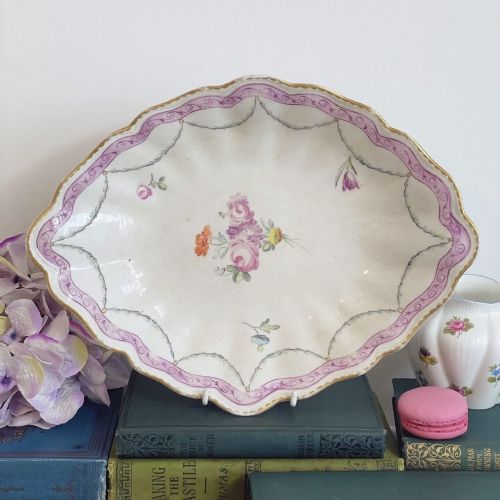
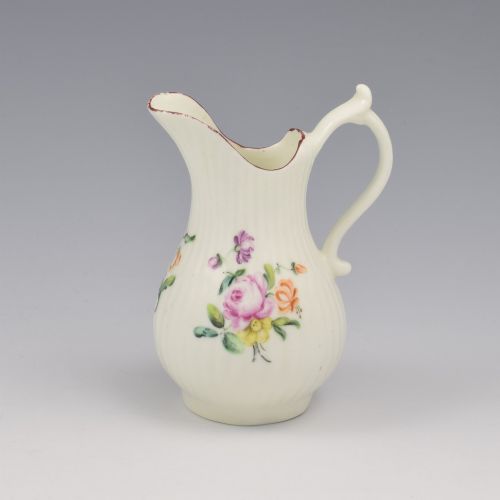
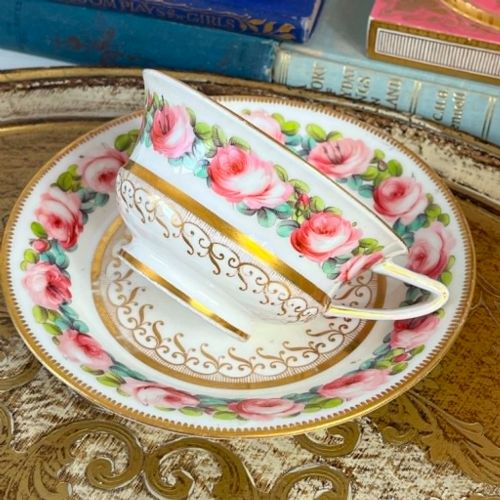
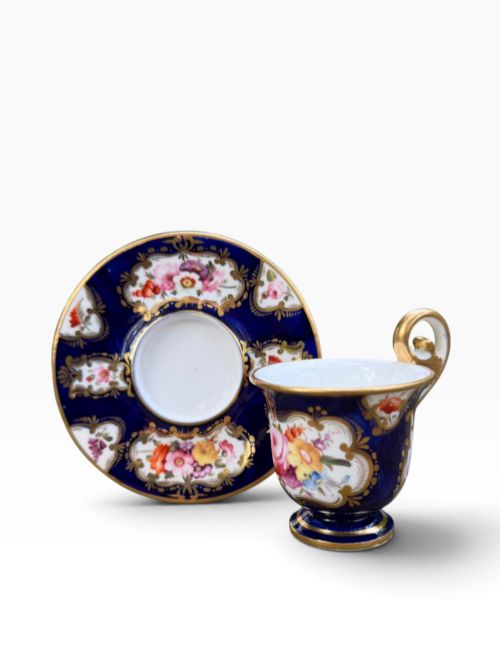
These pieces of hand painted floral china bring botanical artistry straight to the table through delicate brushwork on porcelain, earthenware, and bone china.
Hand Painted Floral China
When you search for hand painted floral china, you encounter a variety of forms designed for display and daily use, ranging from cabinet plates and dessert services to teacups, saucers, and vases.
The selections span multiple eras, including pieces from the eighteenth century, the Georgian and Regency periods, and later nineteenth-century Victorian and Edwardian manufacturing.
Domestic English factories and selected international makers dominate these categories, offering both utilitarian vessels and decorative porcelain meant for formal drawing rooms.
How they were made
The physical construction relies on refined ceramic bodies such as porcelain, bone china, and ironstone, shaped either by throwing on a wheel or pressing into moulds.
Artisans applied polychrome pigments by hand before firing, frequently combining intricate floral brushwork with applied gold leaf, enamel, and rich gilding.
Some nineteenth-century potters painted beetles and stray insects among floral sprays just to amuse observant tea drinkers.
What varies in quality
Quality rests upon the precision and nuance of the hand painting, where fluid, lifelike botanical studies distinguish superior studio work from repetitive factory decoration.
The refinement of the ceramic body itself, alongside the crispness of moulded relief and the generosity of the gilding, separates standard domestic output from high-status cabinet pieces.
Grainger Lee And Co·Spode·H And R Daniel·Derby Porcelain·Chamberlain Worcester·Flight Barr And Barr·Richard Chaffers·Newhall·Coalport·Dr Wall Worcester·Royal Crown Derby·John Davenport·John Baley·John Bevington·Copeland·Royal Doulton
The Hand Painted Floral China Glossary
- Bone china
- A type of soft-paste porcelain incorporating animal bone ash for added strength and translucency. This body forms the basis of many fine nineteenth-century tea services.
- Gilding
- The application of gold leaf or gold paint to ceramic surfaces for ornamentation. Skilled artisans used this technique to accentuate rims, handles, and painted borders.
- Enamel
- Opaque glass-like pigments fused to the ceramic body during firing. These colours provide the vibrant hues seen in floral motifs.
- Ironstone
- A heavy, durable type of earthenware patented in the nineteenth century. It offers toughness while accepting colourful painted glazes.
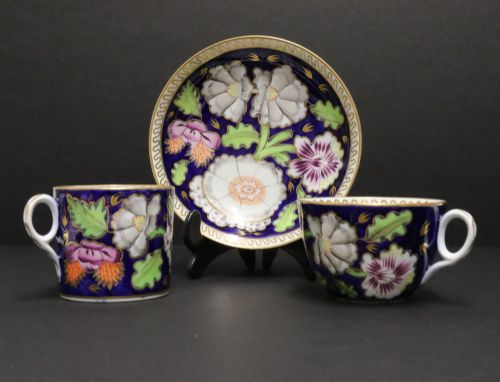
- Trio
- A matching set comprising a teacup, coffee cup, and saucer. These combinations appear frequently in Georgian and Regency breakfast wares.
Hand Painted Floral China: Frequently Asked Questions
How do I date early ceramic pieces?
Dating relies on examining the paste, glaze characteristics, and factory marks underneath the piece. Stylistic markers such as shape and hand-painted pattern numbers also help narrow down the decade of production.
Changes in ceramic bodies from early soft-paste porcelain to later bone china provide further chronological clues for the collector.
Were these items meant for daily use?
Many of these vessels served practical functions in eighteenth and nineteenth-century households for dining and taking tea. Robust ironstone and earthenware handled regular service, while delicate porcelain counterparts often saw reserved use.
Finer cabinet plates and decorative vases were strictly intended for display in formal reception rooms.
What defines a cabinet plate?
Cabinet plates were decorative items manufactured primarily for display in glass-fronted furniture rather than for dining purposes. They typically feature elaborate hand-painted scenes, rich gilding, and decorative borders.
These pieces often highlight the highest artistic capabilities of the factory that produced them.
How should I care for antique china?
Gentle hand washing in lukewarm water using mild detergent preserves both the glaze and the delicate hand-painted enamel details. Dishwashers and harsh abrasives quickly ruin historic gilding and surface pigments.
Storing pieces safely away from direct sunlight prevents fading in the pigments over time.