







Hand Painted Dutch Plate
A hand painted dutch plate brings centuries of tin-glazed earthenware and bold cobalt pigment directly to your wall or table.
Hand Painted Dutch Plate
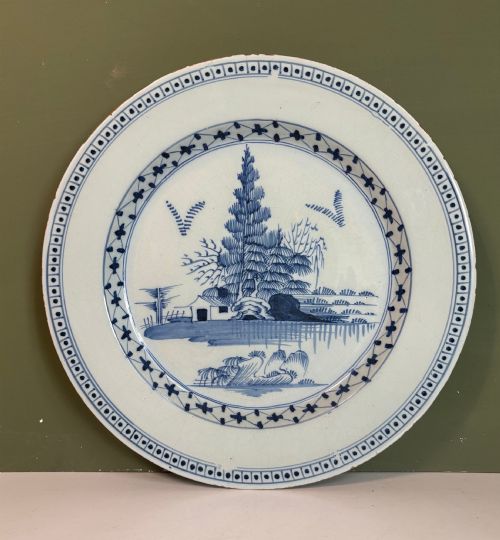
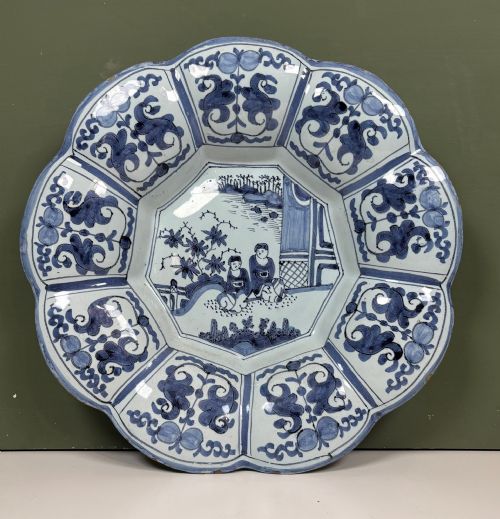
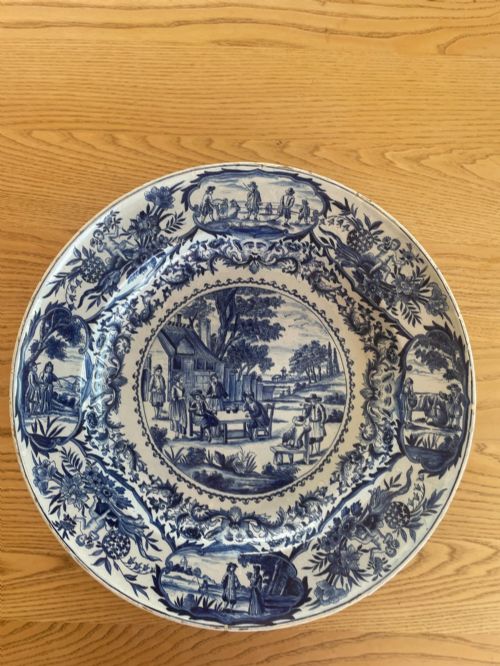
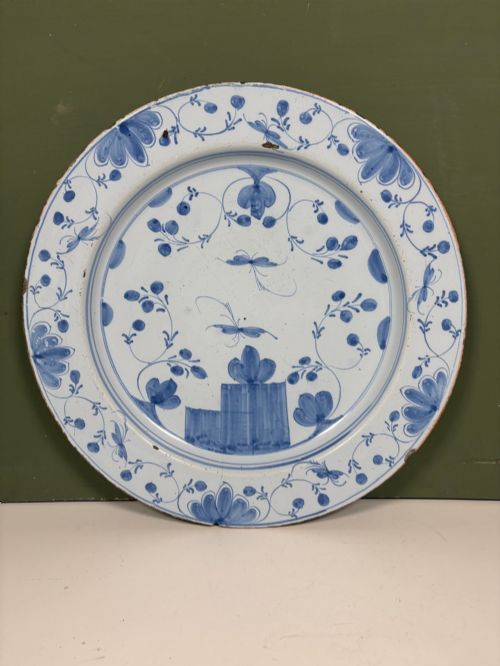
A hand painted dutch plate spans decorative chargers, shallow bowls, and wall dishes originating from the seventeenth to the nineteenth century. Buyers encounter tin-glazed earthenware decorated in blue and white or polychrome palettes, reflecting Dutch Delftware traditions.
The selection ranges from large decorative chargers measuring over thirty centimetres to small domestic plates and sets. Many items display geometric floral patterns, marriage motifs, or landscape scenes executed on earthenware bodies.
How they were made
Potters shaped earthenware bodies and coated them in tin glaze to create a white, opaque surface suitable for painting. Artisans applied cobalt pigment and manganese directly onto this unfired or low-fired glaze before a final kiln firing fixed the colours.
Grand feu techniques allowed pigments to sink into the wet glaze, creating soft borders around motifs. Workshops also produced polychrome designs utilising multiple mineral oxides to achieve varied hues on charger plates.
Hand Painted Dutch Plate Retail Price Guide 2026
Typical asking prices for hand painted dutch plate among the pieces listed under this phrase on Sellingantiques today, from the lower quarter to the upper quarter. They describe what is for sale here now, not the wider market.
Listings feature tin-glazed earthenware and ceramic objects spanning the seventeenth, eighteenth, and nineteenth centuries.
What varies in quality
Depth and clarity of the hand-painted cobalt pigment set finer examples apart from simpler domestic ware. Crisp geometric floral detailing and well-balanced polychrome or manganese tones indicate superior workshop execution.
Scale and vessel form also dictate distinction, with large wall chargers requiring greater technical skill to fire without warping. Intricate subject matter, such as marriage commemoration themes, separates standard production from exceptional pieces.
The Hand Painted Dutch Plate Glossary
- Charger
- A large decorative plate traditionally used for display on a wall or sideboard rather than daily dining. These substantial dishes often measure significantly wider than standard dinner plates.
- Tin-Glazed Earthenware
- Pottery covered with a glaze containing tin oxide, producing an opaque white surface that mimics porcelain. This technique forms the foundation of traditional Dutch Delftware.
- Polychrome
- Decoration employing multiple colours rather than a single pigment like blue. On these plates, it typically involves a combination of cobalt, manganese, and other ceramic colours.
- Grand Feu
- A firing method where pigments are applied directly to the raw glaze and subjected to high kiln temperatures. This process fuses the paint into the glaze for lasting durability.
- Cobalt Oxide
- A mineral pigment utilised to create deep blue painting on white ceramic surfaces. It remains stable at high temperatures, making it the primary colourant for traditional blue and white pieces.
Hand Painted Dutch Plate: Frequently Asked Questions
How were these plates displayed?
Large chargers and decorative plates were traditionally hung on walls or stood on sideboards to showcase the painter's skill and the household's status. Their generous scale made them visual centrepieces in domestic interiors.
Smaller plates often served functional roles at the table or formed matched sets for special dining occasions before transitioning entirely to decorative objects.
What colours appear on these plates?
Blue and white dominates the selection, utilising cobalt pigment painted onto an opaque tin glaze. Many examples also feature manganese, creating rich purple-brown tones alongside broader polychrome palettes.
Grand feu techniques allowed these mineral colours to merge softly into the white glaze during firing, producing distinct visual depth across geometric and floral motifs.
How do I date a Dutch plate?
Dating relies on stylistic shifts in tin-glazed earthenware, changing floral motifs, and documentary evidence like marriage dates inscribed on the surface. Seventeenth-century examples often display looser brushwork compared to later eighteenth-century standards.
Material thickness, tin glaze composition, and recorded workshop patterns help distinguish eighteenth-century production from nineteenth-century revivals.