





Cobalt Blue Pottery Plate
A cobalt blue pottery plate brings rich colour and enduring form to a room, drawing the eye with deep mineral pigments fired onto ceramic surfaces.
Cobalt Blue Pottery Plate
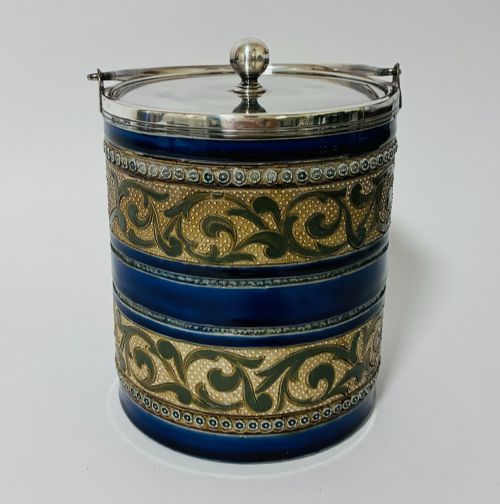
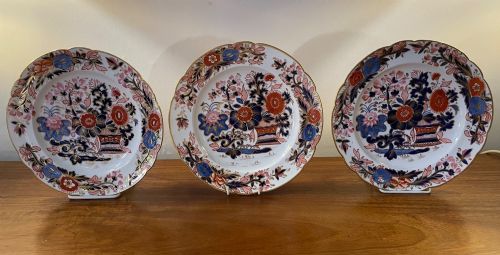
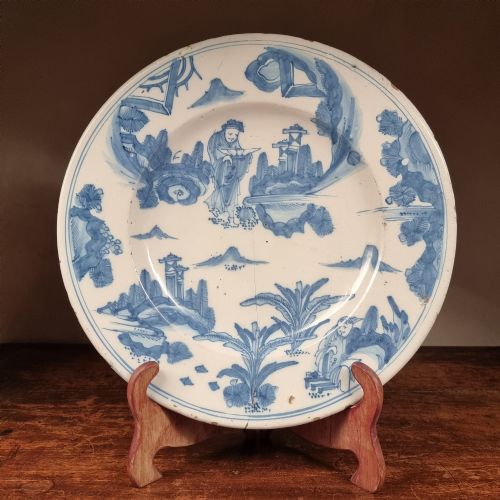
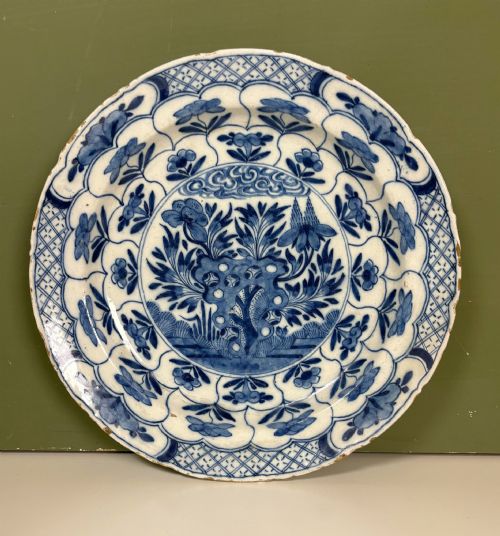
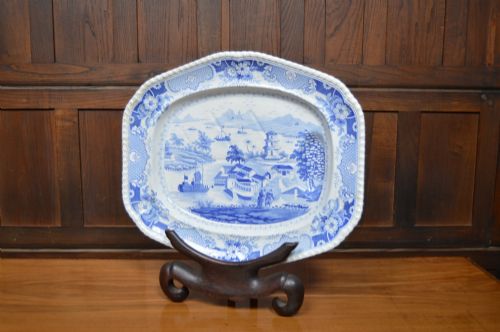
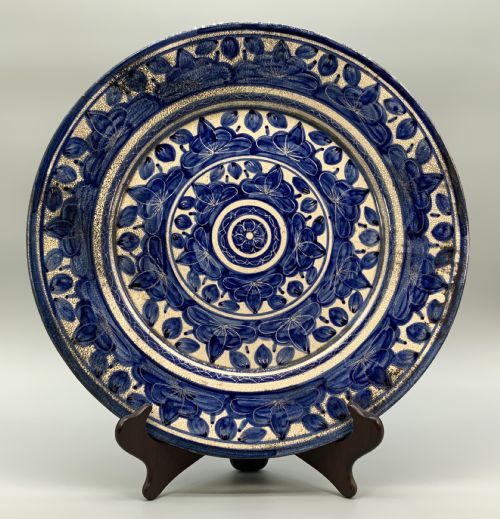
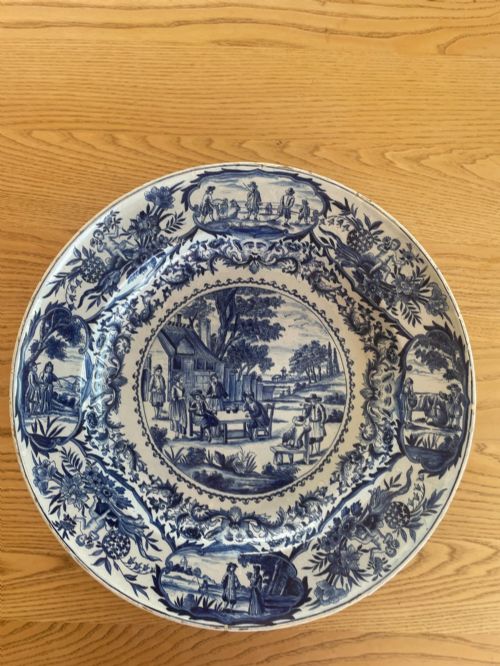
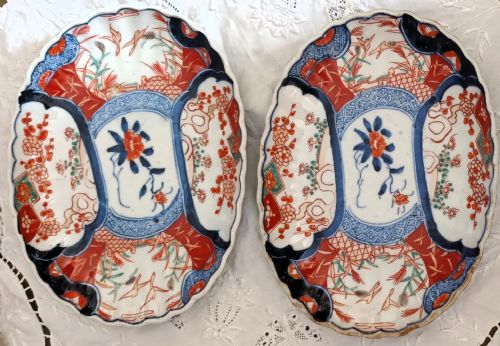
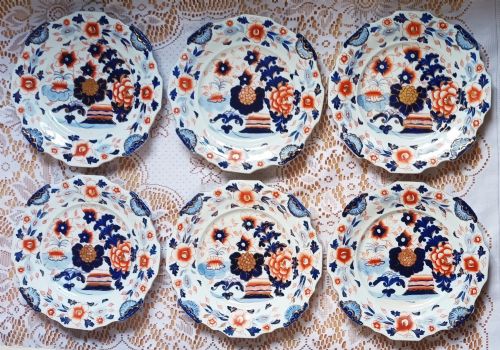
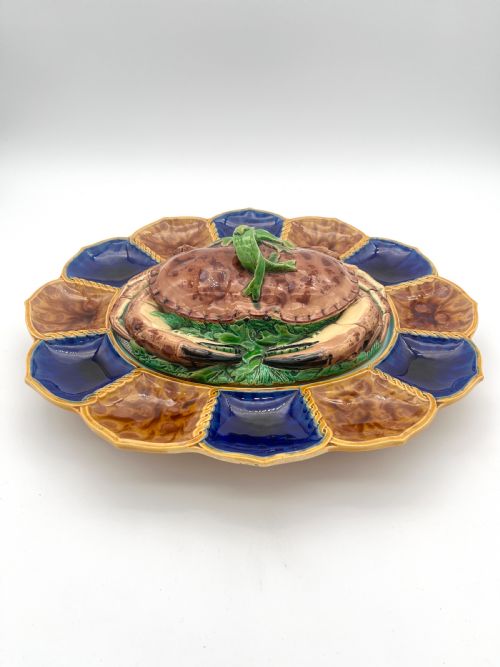
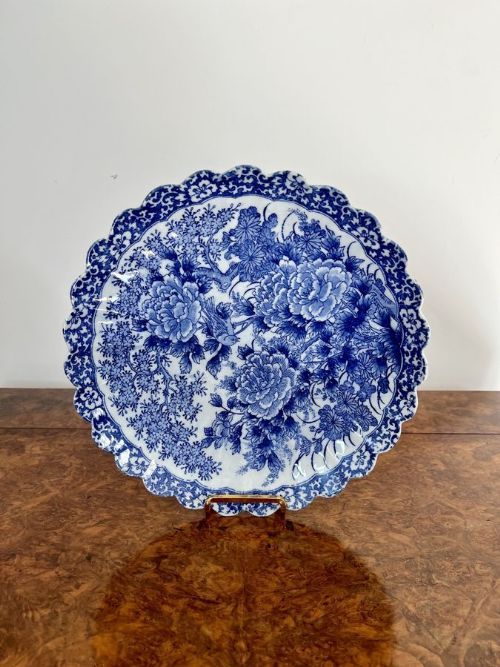
A cobalt blue pottery plate spans decorative chargers, serving platters and dining dishes produced across several centuries. The selection includes eighteenth-century tin-glazed earthenware, nineteenth-century ironstone and transferware, alongside Japanese porcelain chargers.
Dutch Delftware and English earthenware dominate the earlier periods, often displaying hand-painted botanical or architectural motifs. Later nineteenth-century examples introduce transfer-printed scenes and rich ironstone bodies suited to heavier service.
Japanese Imari pieces bring a distinct palette combining cobalt pigment with enamel accents on porcelain bodies. These variations reflect the diverse global origins and stylistic shifts found among the listed items.
Materials and methods
Potters shaped earthenware, stoneware and porcelain bodies before applying liquid glazes and cobalt oxide pigments. Tin-glazed earthenware relied on an opaque white tin glaze that accepted cobalt painting directly onto the unfired surface.
Transfer printing emerged later, allowing intricate copperplate engravings to transfer complex blue patterns onto creamware and ironstone. High-temperature kilns fused the pigments into the glassy glaze, locking in the deep blue coloration.
Listings feature earthenware, stoneware, and porcelain bodies decorated with cobalt pigment, tin glaze, and enamel across the eighteenth and nineteenth centuries.
Evaluating the pieces
Depth and clarity of the cobalt pigment separate standard domestic wares from exceptional display chargers. Hand-painted brushwork shows deliberate variation, whereas transfer printing achieves microscopic line precision across complex patterns.
The integrity of the ceramic body and glaze surface dictates the condition tier. Early tin glazes show characteristic edge chips and crazing, while high-fired porcelain and ironstone maintain smooth, resonant surfaces through decades of handling.
Doulton Lambeth·Minton·John Ridgway·Stubbs·Wedgwood
The Cobalt Blue Pottery Plate Glossary
- Cobalt Pigment
- A metallic oxide colourant producing intense blue hues under high kiln temperatures. It remains stable during firing, allowing fine linear detail.
- Tin Glaze
- An opaque white glaze containing tin oxide applied to earthenware bodies. It provides a smooth canvas for hand-painted cobalt designs.
- Transferware
- Pottery decorated by pressing a paper transfer from an engraved copperplate onto the ceramic surface. This technique enabled uniform pictorial scenes.
- Charger
- A large ornamental plate designed for display on sideboards or walls rather than dining use. These substantial pieces often feature elaborate painted motifs.
- Ironstone
- A heavy, durable type of feldspathic stoneware patented in England. It resists chipping better than traditional earthenware.
Cobalt Blue Pottery Plate: Frequently Asked Questions
How do I hang a heavy charger?
Large chargers require coated wire spring hangers that distribute weight evenly across the rim. Ensure the wall fixing engages solid masonry or studs.
Avoid adhesive discs on antique earthenware because the glaze can detach under tension.
How do I date an early plate?
Examine the footring, glaze pooling and tin opacity under magnification. Eighteenth-century pieces often display kiln star cracks and irregular hand-trimmed bases.
Transfer-printed patterns from the Victorian era frequently include maker stamps or registry marks on the reverse.
What causes crazing in the glaze?
Crazing appears as a fine network of tiny cracks in the glassy surface caused by different contraction rates between body and glaze. Age and atmospheric changes in rooms bring this about naturally.
Stable pieces show tight crazing without active flaking of the underlying ceramic.