



Hand Painted Chinese Pottery
Hand painted chinese pottery brings centuries of colour and decoration into a room, offering vessels and figures shaped by imperial taste and export trade.
Hand Painted Chinese Pottery
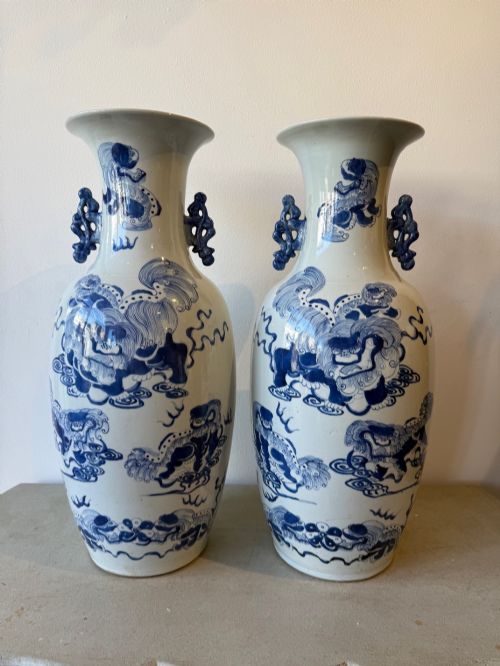
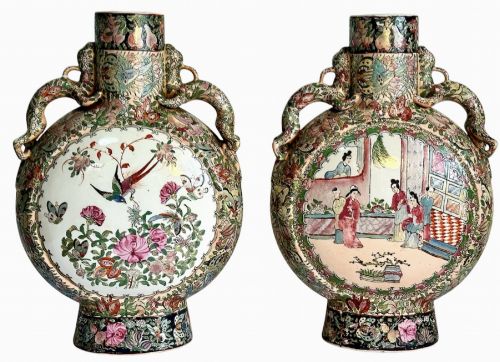
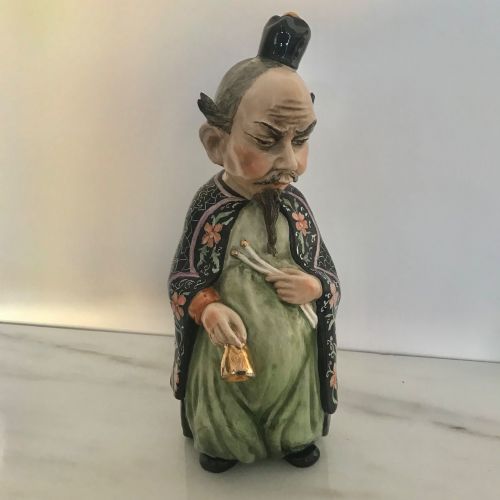
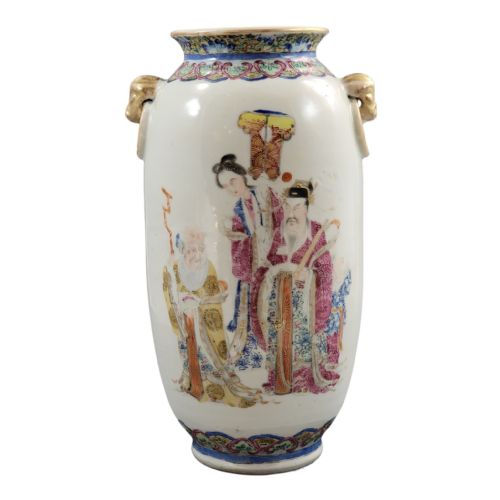
Hand painted chinese pottery encompasses a broad variety of vessels and figures created across multiple centuries, ranging from utilitarian cargo bowls to elaborately decorated vases. Collectors encounter diverse forms such as moon flasks, double gourd vases, ginger jars, and decorative figurines.
The objects span periods from the seventeenth century through to the early twentieth century, reflecting stylistic shifts across the Ming style, Qing Dynasty, and Republic Period. Pieces frequently display traditional motifs including scholars, immortals, and dragons.
Vases and jars dominate the selections available, often appearing as matched pairs or single display pieces. Alongside these vessels, decorative bowls, teapots, and table lamps provide alternative ways to incorporate these ceramic traditions into modern interiors.
How they were made
Potters shaped porcelain and ceramic bodies before applying cobalt underglaze pigments or vibrant enamel glazes by hand. Sancai glaze techniques also appear on sculptural forms like ducks, adding rich green, amber, and cream tones to the fired clay.
Detailed brushwork defines the surface decoration, utilising cobalt blue under the glaze or adding overglaze enamel colours such as iron red and green. Kiln firing fixed these pigments permanently to the ceramic base, creating durable finishes that retained their brilliance over centuries.
Listings feature porcelain and ceramic bodies decorated with cobalt glaze, enamel, and sancai glaze across multiple centuries.
What varies in quality
The precision and fluidity of the hand painting separate ordinary production from exceptional pieces, particularly in the rendering of facial expressions on figures and intricate detail on floral or narrative scenes. Master painters executed brushwork with remarkable control, whereas lesser examples display hurried or rigid lines.
The clarity of the glaze and the purity of the ceramic body also influence the overall character of a piece. Cobalt tones that achieve deep saturation without bleeding into the surrounding white porcelain indicate superior kiln management and materials.
Gao Hengsheng
The Hand Painted Chinese Pottery Glossary
- Famille Rose
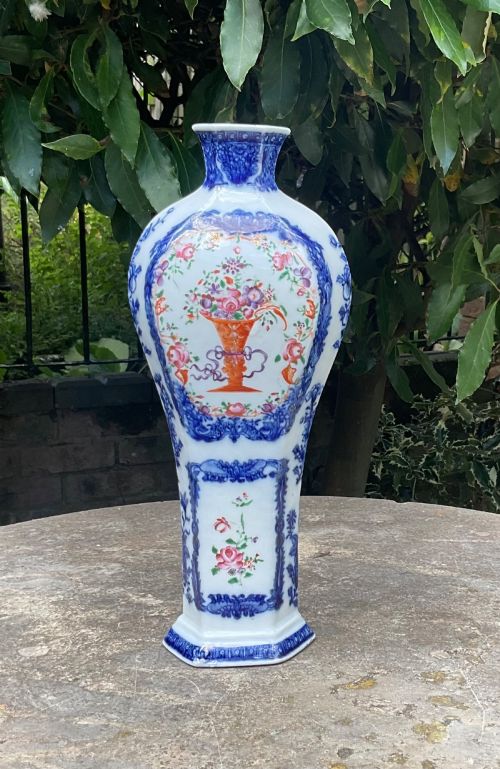
- A palette of opaque pink and rose enamel colours introduced during the Qing Dynasty. This style allowed for nuanced shading and detailed pictorial scenes.
- Blue and White
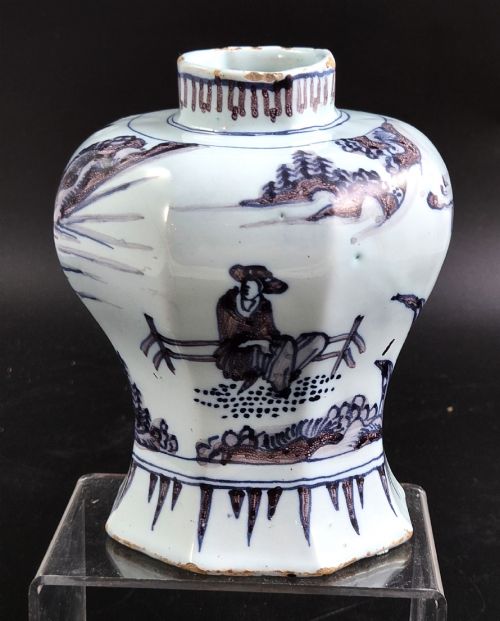
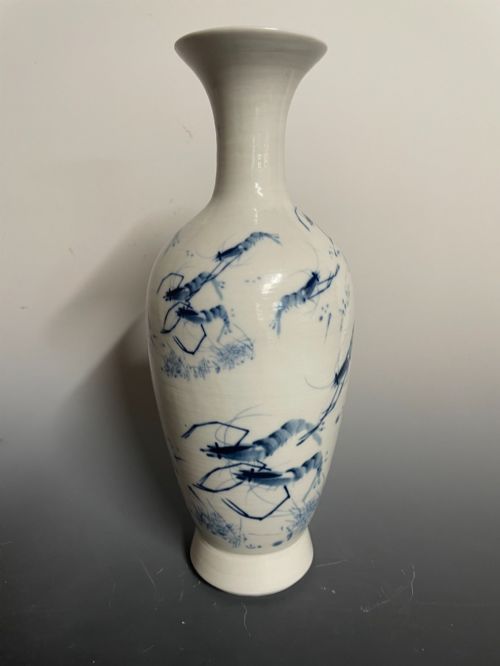
- Decoration created by applying cobalt blue pigment directly to the ceramic body before applying a clear glaze and firing. It remains one of the most enduring traditions in Asian ceramics.
- Doucai
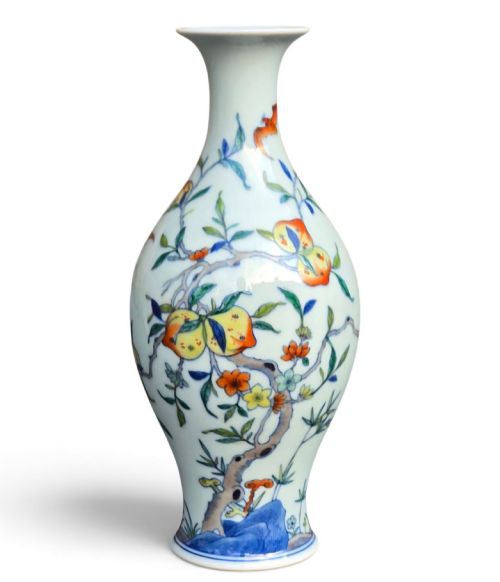
- A technique combining underglaze blue outlines with overglaze enamel infills. The pieces are fired multiple times to achieve the distinct layered effect.
- Gu
- An ancient ritual bronze shape translated into porcelain forms like beaker vases. These pieces feature a flared trumpet mouth and a wide central section.
- Sancai
- A three-colour glaze technique typically using green, amber, and creamy white. It is frequently associated with Tang figures and later revivals.
Hand Painted Chinese Pottery: Frequently Asked Questions
How do I date hand painted chinese pottery?
Dating relies on combining stylistic evidence, such as period glazes and decorative motifs, with physical characteristics of the ceramic body. Base marks can also offer clues, though many pieces carry retrospective marks.
Examining the wear on the foot rim and the depth of the glaze provides further insight into the manufacturing era. Comparing pieces to dated museum examples helps establish a reliable timeline.
Where were these ceramics made?
Many fine porcelains originate from Jingdezhen, the historic ceramic capital of China. Kilns there produced imperial wares and export goods for global markets.
Production also occurred across various regional kilns depending on the dynasty and the specific type of pottery required. Trade routes subsequently distributed these wares across the world.
Are these pieces waterproof?
Most porcelain and high-fired ceramic vessels are inherently non-porous and can hold water safely. However, older vessels or those with repaired cracks require caution before use as flower holders.
To protect antique interiors, placing a discreet glass or plastic liner inside a vase is recommended. This prevents any moisture from interacting with historical clay bodies.