


Hand Painted Chinese Dish
A hand painted chinese dish brings centuries of ceramic artistry into the home, offering intricate floral, avian and figurative scenes rendered in rich enamels.
Hand Painted Chinese Dish
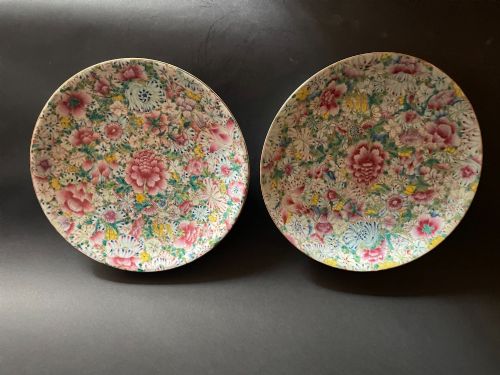
A hand painted chinese dish encompasses decorative plates, chargers, bowls and trays originating from periods such as the eighteenth and nineteenth centuries. These pieces reflect diverse stylistic traditions including Chinese Export, Qing Dynasty, and Canton designs.
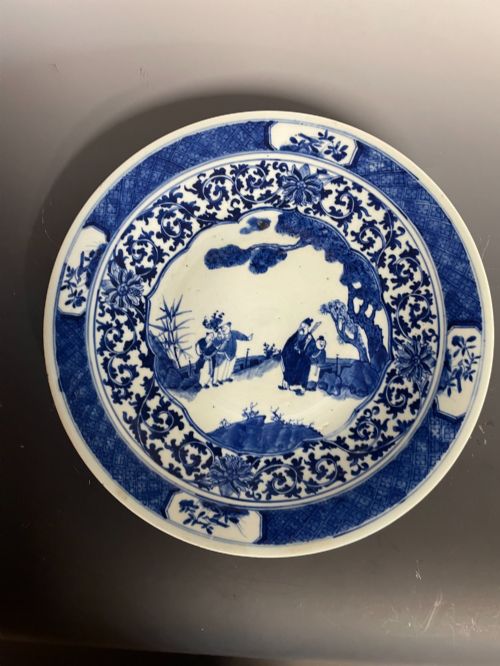
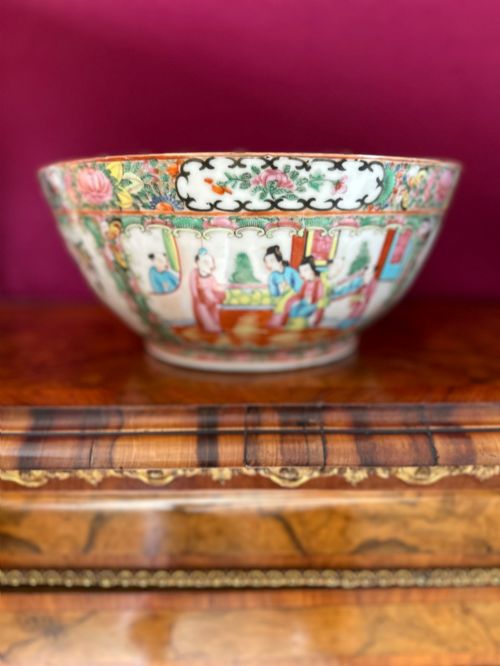
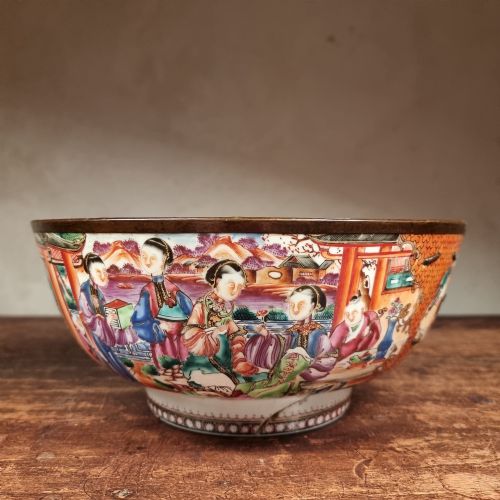
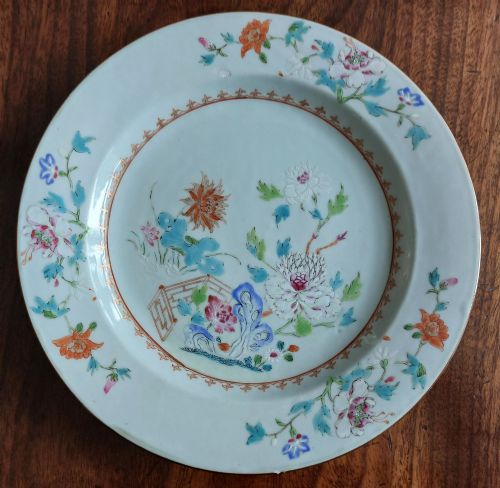
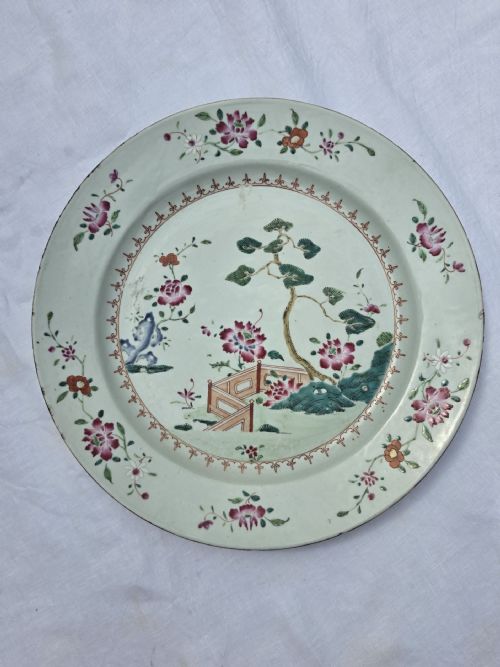
Buyers encounter forms ranging from simple blue and white export plates to elaborate Famille Rose chargers and Canton Rose Medallion service pieces. Many items date across the Georgian and Victorian eras, showing influences from Imperial workshops to regional trade production.
Materials and methods
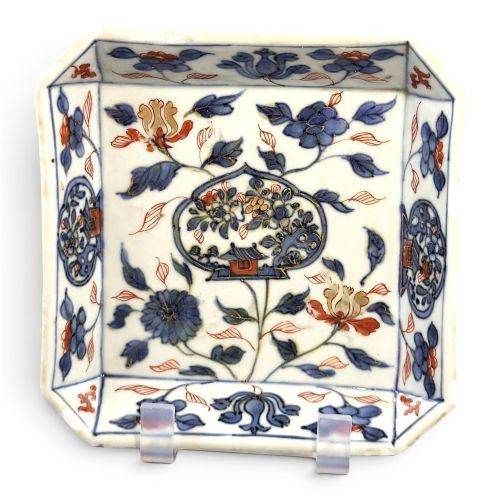
Potters relied on fine white porcelain shaped into plates, bowls and dishes, often decorated beneath the glaze using cobalt blue pigments before high-firing. Artisans then applied overglaze enamels in vibrant palettes such as Famille Rose and Famille Verte.
Gilding with gold leaf and highlights in enamel added refined detail to borders and central motifs. Kiln techniques allowed complex shapes like chamfered squares, trefoil trays and shamrock dishes to hold their form during firing.
Hand Painted Chinese Dish Retail Price Guide 2026
Typical asking prices for hand painted chinese dish among the pieces listed under this phrase on Sellingantiques today, from the lower quarter to the upper quarter. They describe what is for sale here now, not the wider market.
Materials recorded across the inventory include cobalt glaze, enamel, gold leaf, and high-fired porcelain.
Assessing quality and execution
The precision and delicacy of the brushwork separate standard production wares from superior examples, particularly in facial expressions on figurative scenes and botanical rendering. Crisp control over cobalt underglaze and vibrant application of overglaze enamels indicate skilled workshop output.
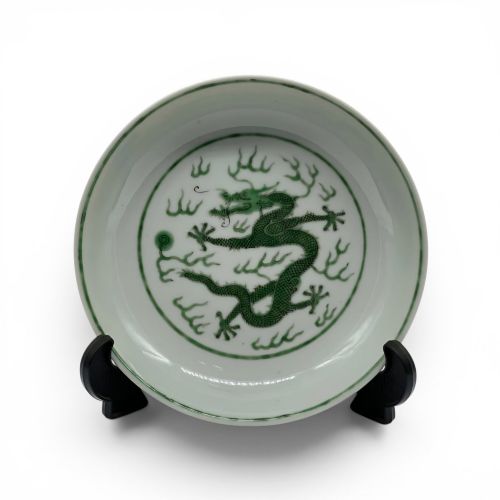
The weight of the porcelain body and the clarity of the white glaze beneath the painted surface determine the caliber of a piece. Armorial commissions and imperial-style green dragon designs demonstrate higher levels of bespoke commissioning compared to generic export items.
The Hand Painted Chinese Dish Glossary
- Famille Rose
- A palette of opaque pink and rose enamels introduced during the Qing dynasty. This distinctive colouring allowed artists to create soft tonal gradations in floral and figural subjects.
- Canton
- A style of ceramic decoration associated with nineteenth-century production centres near Guangzhou. These pieces often feature crowded panels of figures, birds, and butterflies amid dense floral borders.
- Cobalt Underglaze
- A blue pigment applied directly to the raw porcelain body prior to glazing and firing. This method ensures the pigment fuses permanently beneath the glossy surface.
- Chinese Export
- Porcelain manufactured specifically for Western markets from the seventeenth to the nineteenth centuries. Designs frequently incorporated European coats of arms or adapted shapes to suit foreign tastes.
- Armorial
- Ceramic decoration featuring specific family coats of arms or heraldic crests. Wealthy European families commissioned these bespoke services directly from Chinese kilns.
Hand Painted Chinese Dish: Frequently Asked Questions
How do I date a Chinese porcelain dish?
Dating relies on examining the painting style, enamel colours, and potting characteristics relative to known periods like the Qianlong reign or nineteenth-century Canton production.
Changes in palette, such as the introduction of the pink enamel in Famille Rose wares, provide clear chronological markers for collectors.
Were these dishes made for daily use?
Many export and domestic dishes served practical dining and display functions within wealthy households. Robust porcelain bodies and durable glazes allowed them to withstand regular handling at the table.
Larger chargers and armorial plates were often reserved for formal presentation or decorative display on sideboards.
What is the difference between Famille Rose and Famille Verte?
Famille Verte relies predominantly on a palette of transparent green hues alongside iron red, yellow, and blue, flourishing particularly during the Kangxi period.
Famille Rose emerged later, defined by the use of an opaque pink enamel derived from colloidal gold, permitting delicate shading in floral and human subjects.
How should I display antique Chinese porcelain at home?
Displaying these pieces safely involves using stable plate stands designed for heavy chargers or wall-mounting brackets lined with protective material. Keeping them away from direct sunlight preserves the vibrancy of the overglaze enamels.
Grouping bowls and dishes by palette, such as pairing blue and white wares with Famille Rose plates, creates a cohesive visual arrangement.