


Asian Blue White Porcelain
These pieces of asian blue white porcelain bring cobalt pigment under clear glaze into domestic spaces through centuries of East Asian craftsmanship.

Asian Blue White Porcelain
When you search for asian blue white porcelain, you encounter a diverse range of vessels and decorative objects originating from Chinese and Japanese kilns. The selection spans utilitarian forms and imperial wares, crossing multiple dynasties and decorative periods from the fifteenth century onwards.
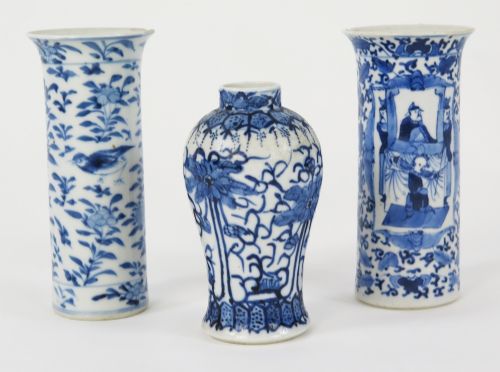
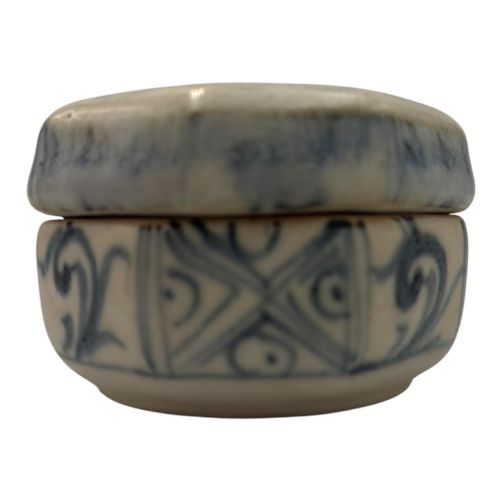
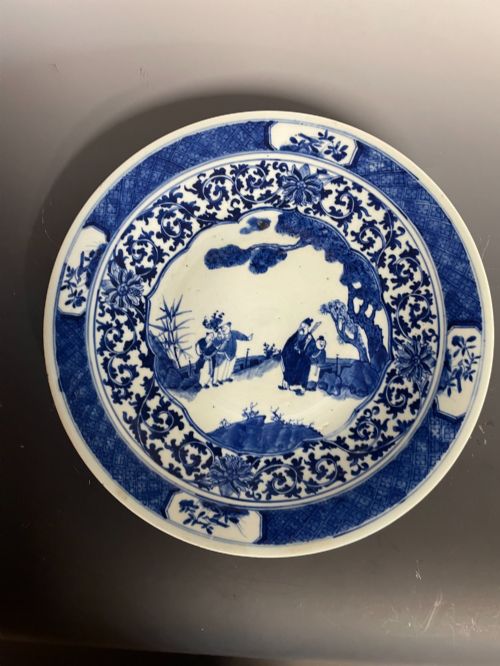
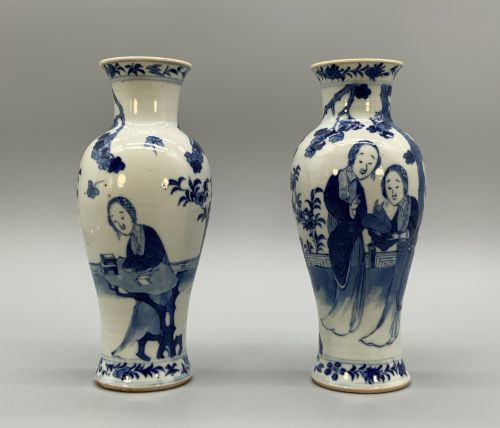
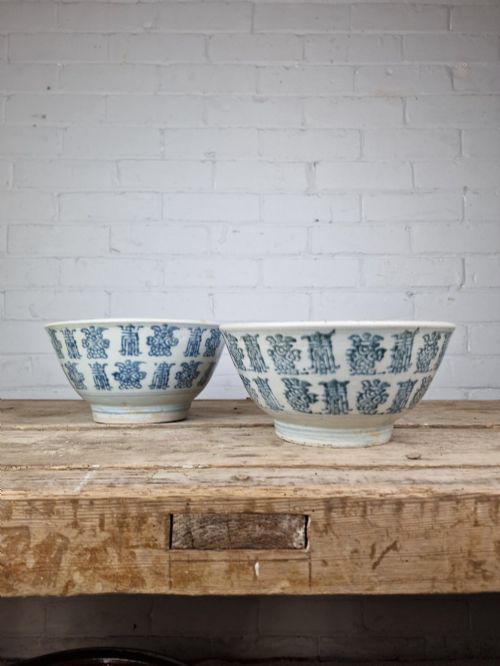
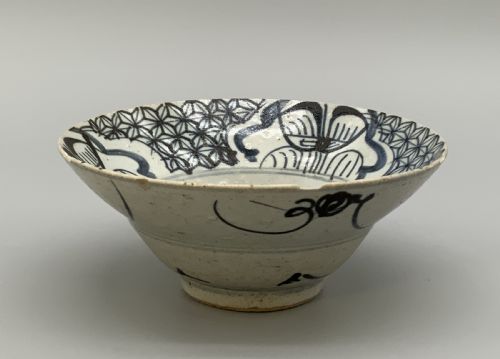
The most common examples on this page include nineteenth-century vases, plates, and chargers, alongside Japanese Imari wares from the Meiji period. Provincial bowls and covered boxes sit alongside finer scholarly items, offering varied expressions of cobalt decoration.
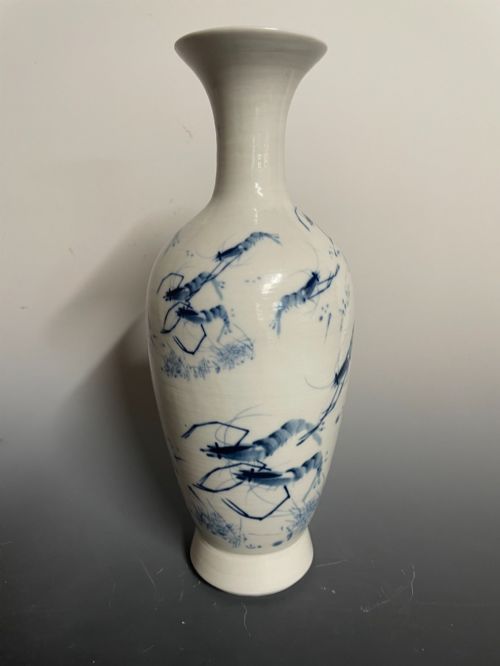
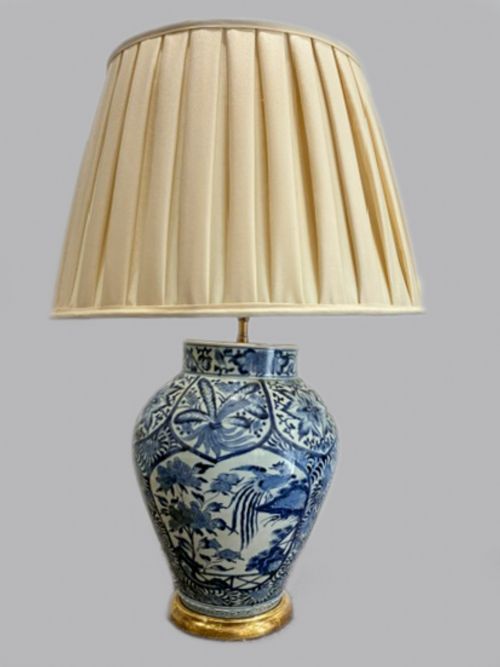
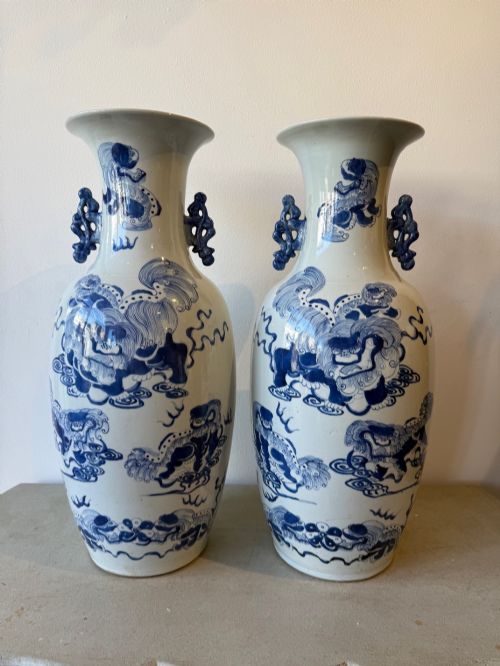
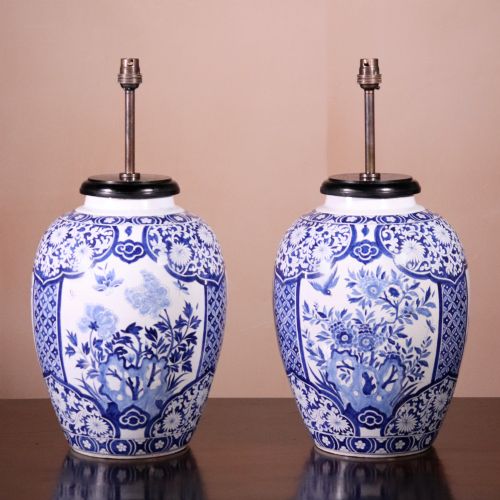
Vessels take many shapes, from bottle vases and baluster forms to fan-shaped dishes and jardinières. Some pieces arrive converted into table lamps, adapting historical porcelain to modern domestic illumination.
What varies in quality
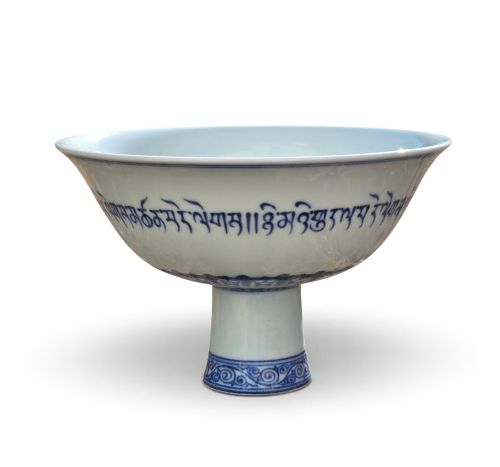
The precision of the brushwork largely defines the standard of an individual piece, distinguishing spontaneous artistic execution from rigid imitation. Finely detailed figures, script, and botanical motifs require steady hands and deep control over cobalt pigment bleed.
The clarity and purity of the porcelain body and the accompanying glaze affect the visual depth of the decoration. Superior pieces display smooth surfaces free from major kiln distortions, allowing the underglaze blue to contrast sharply against a clean white ground.
Historical marks, whether apocryphal period reigns or authentic workshop stamps, indicate the maker's intention to align with esteemed imperial standards, influencing desirability among collectors.
Some seventeenth-century vases found a second life as Victorian table lamps, acquiring wired fittings alongside their ancient dragons.
Makuzu Kozan
The Asian Blue White Porcelain Glossary
- Cobalt Underglaze
- Pigment applied to the clay body prior to glazing and firing. This method ensures the blue colour remains permanently sealed beneath the glassy surface.
- Imari
- A style of Japanese export porcelain originating from Arita, typically featuring a palette of underglaze blue, iron red, and gold. These wares gained immense popularity in Europe during the seventeenth and eighteenth centuries.
- Doucai
- A Chinese porcelain technique combining underglaze blue outlines with overglaze enamel colours filled inside the borders. The method creates a vibrant, contrasting multi-coloured surface.
- Celadon
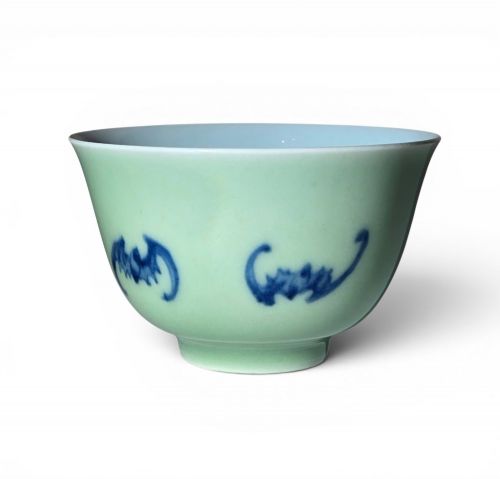
- A pale green jade-like glaze achieved through iron oxide in a reduction kiln atmosphere. Some vessels combine this soft green backdrop with underglaze blue motifs.
- Reticulated
- Openwork decoration carved through the clay wall before firing. This technique creates intricate geometric or figural lattices, seen on specialised incense burners and vessels.
- Kangxi
- The second emperor of the Qing Dynasty, whose long reign is celebrated for exceptional porcelain production. Pieces bearing these marks or emulating this era's aesthetic display notable technical refinement.
Asian Blue White Porcelain: Frequently Asked Questions
How do I date antique blue and white porcelain?
Dating relies on stylistic clues, potting characteristics, and any reign marks found on the base. Comparing the cobalt tone and glaze texture to established historical examples helps narrow down the period of production.
Many pieces carry marks from earlier emperors as a sign of respect rather than an indicator of true age. Examining the wear patterns on the foot rim provides additional context regarding the true age of the ceramic.
Were these pieces made for export?
A significant portion of these ceramics was produced in Chinese and Japanese kilns specifically for international trade to European and domestic markets. These export wares often blended traditional Eastern motifs with shapes suited to Western tastes.
Some objects, however, remained within Asian markets for domestic scholarly use or imperial court functions. Recognising shape variations helps distinguish items destined for local patrons from those created for overseas shipping.
Can I use antique porcelain bowls for food?
While historic bowls and dishes were originally created for practical dining or serving, most collectors display them as decorative objects rather than utilising them for daily meals. Older glazes can be delicate, and modern dishwashers or acidic foods may risk damaging the surface over time.
Hand washing with mild soap is recommended if occasional use is preferred. Careful handling prevents chips to fragile rims that have survived for centuries.
What is the difference between Chinese and Japanese blue and white?
Chinese blue and white porcelain traditionally emphasises fluid brushwork, narrative scenes, and subtle tonal variations in the cobalt pigment across successive dynasties. The clay body and potting style often reflect strict adherence to imperial aesthetic standards.
Japanese examples, such as Arita or Imari wares, frequently incorporate asymmetrical compositions, stark white grounds, and occasional additions of enamel or gold leaf. These regional differences developed through distinct local kiln traditions and raw material availability.