







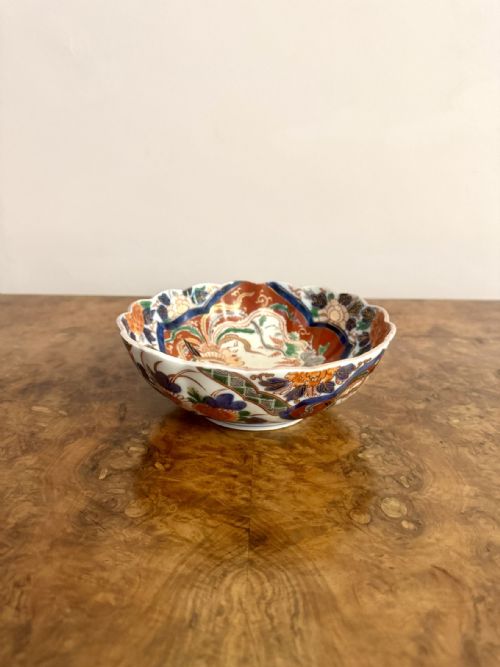
Hand Painted Arita Ceramics
Hand painted arita ceramics bring centuries of Japanese kiln tradition into a room through vibrant plates, bowls, and chargers.
Hand Painted Arita Ceramics
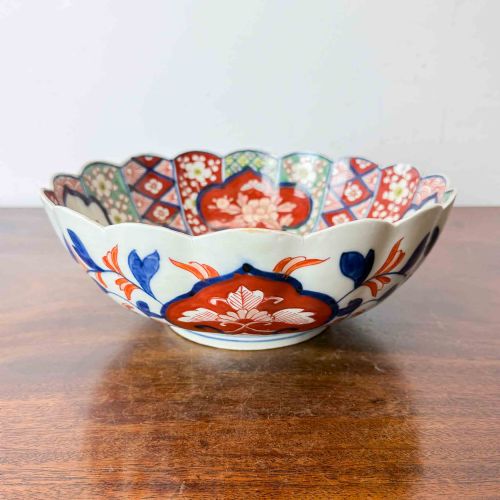
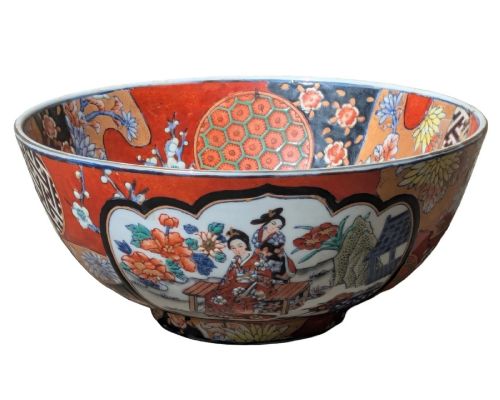
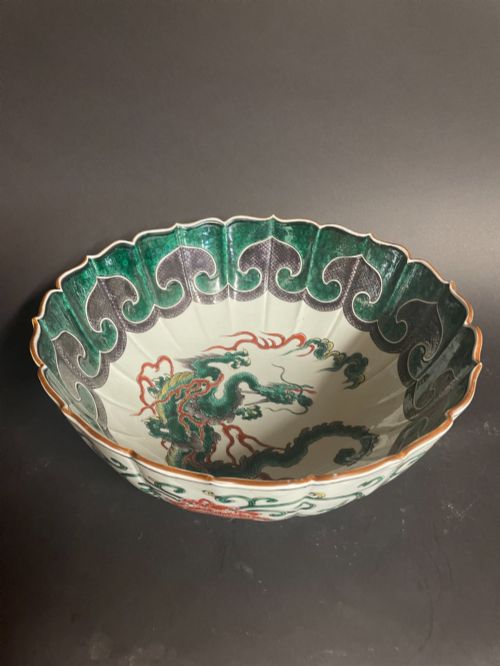
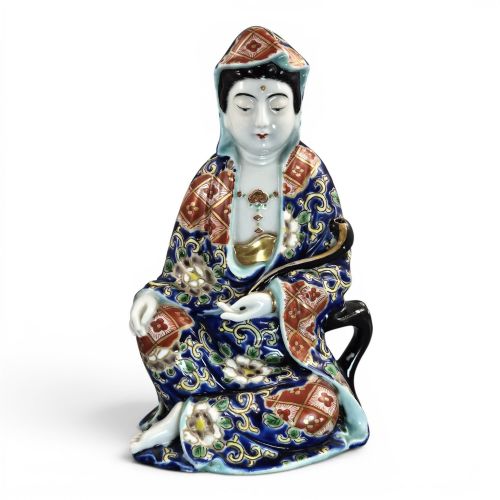
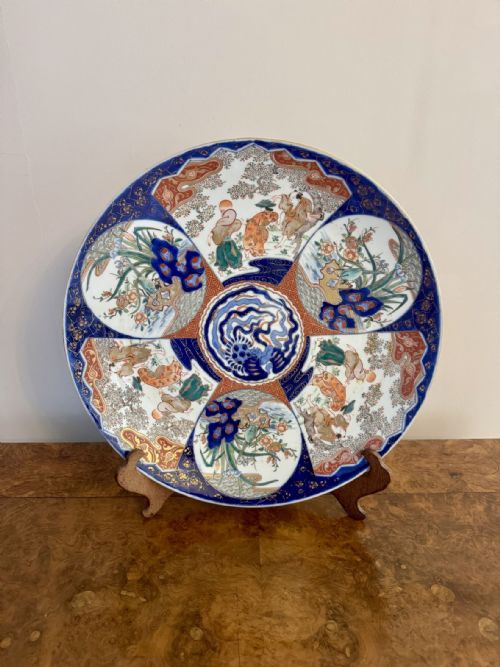
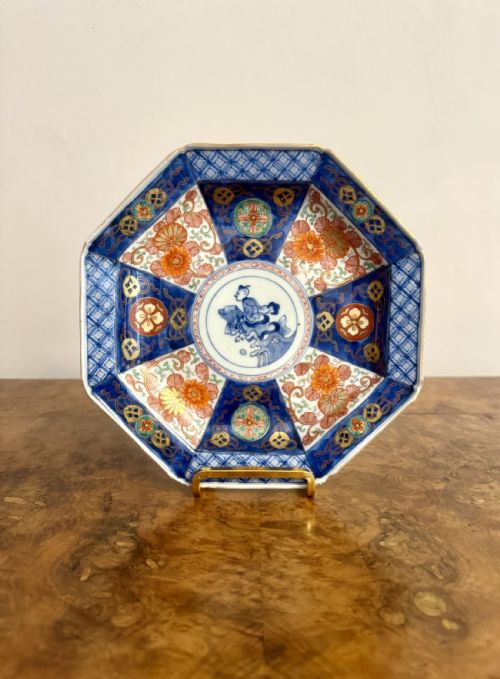
When searching for hand painted arita ceramics, buyers encounter decorative porcelain pieces originating from Japan across several centuries, including the Edo, Meiji, and Taisho periods. The selection on this page consists predominantly of nineteenth-century Imari chargers, plates, and bowls finished with distinct floral, bird, and figural motifs.
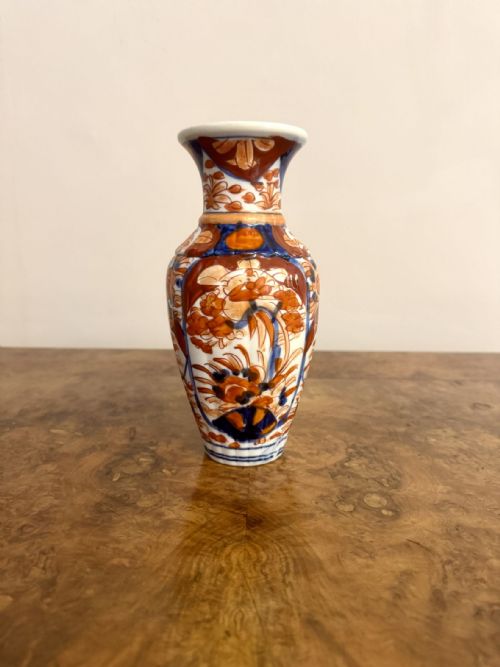
These items take various forms suited for display and interior use, ranging from large scalloped edge bowls and hexagonal dishes to tall vases and jardinières. Nineteenth-century Imari production forms the core of what meets the eye, alongside eighteenth-century works and early twentieth-century examples.
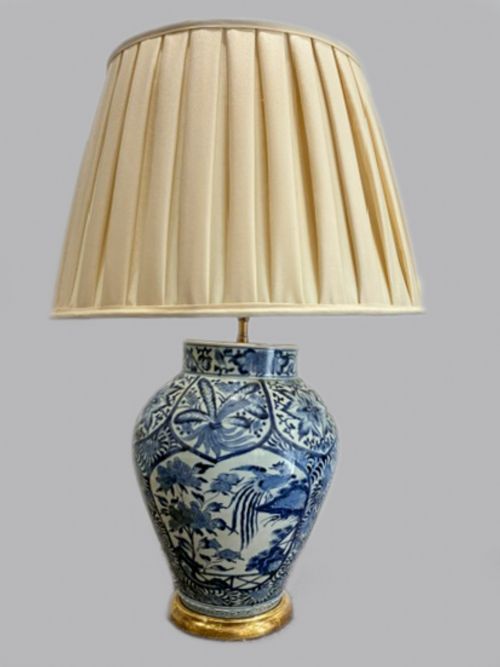
The objects serve as focal points within a room, often deployed as centrepieces on tables or mounted as wall chargers. Forms span from covered ginger jars to converted lamp bases, reflecting the broad range of decorative porcelain exported from the Arita region.
How They Were Made
Potters shaped fine porcelain clay into vessels and plates before applying cobalt underglaze pigments to the raw surface. Artisans then added overglaze enamels in iron red and other colours, occasionally incorporating gold leaf, gold gilt, or gilding to highlight specific details of the design.
The decorated pieces underwent firing in kilns to vitrify the porcelain body and fuse the mineral glazes and enamel layers. Skilled painters executed intricate botanical, avian, and figurative scenes by hand, ensuring each charger, bowl, or vase possessed individual brushwork characteristics.
Hell courtesans and exotic birds frequently share kiln space across these centuries.
What Varies in Quality
The precision and detail of the hand painted brushwork separate standard production wares from superior examples, particularly in complex floral and bird compositions. Crisp execution of cobalt underglaze lines combined with well-preserved overglaze enamels and gilding indicates higher workshop standards.
The structural scale and potting technique also define the tier of a piece, with large chargers, hexagonal plates, and deep scalloped bowls demonstrating greater technical control during high-temperature firing. Intact glaze surfaces and refined proportions elevate the status of individual vases and centrepieces.
The Hand Painted Arita Ceramics Glossary
- Arita
- The Japanese town and surrounding region in Hizen province where porcelain production began in the early seventeenth century after the discovery of suitable clay deposits.
- Imari
- A style of Japanese export porcelain produced in Arita and shipped from the port of Imari, traditionally characterised by a palette of cobalt blue, iron red, and gold.
- Meiji Period
- The era of Japanese history lasting from 1868 to 1912, noted for a significant increase in the export of highly decorative ceramic works to Western markets.
- Cobalt Underglaze
- A blue pigment applied to the unfired porcelain body beneath the transparent glaze, capable of withstanding high kiln temperatures without fading.
- Gilt
- A thin layer of gold applied to the surface of ceramics as an overglaze decoration, often used to accent painted motifs and panel borders.
- Jardiniere
- A large decorative ceramic pot or container designed to hold growing plants or flowers, placed prominently in interior spaces.
Hand Painted Arita Ceramics: Frequently Asked Questions
How do I identify arita ceramics?
Look for fine porcelain bodies combined with hand painted cobalt blue underglaze and iron red enamel decorations. Many pieces feature traditional Japanese Imari patterns showing floral and bird motifs.
The materials span from eighteenth-century wares to Meiji period items, often displaying rich gilding and scalloped edges that mark traditional Arita forming techniques.
What is the difference between arita and imari?
Arita refers to the geographical region in Japan where the porcelain was manufactured, encompassing the kilns and local potting traditions. Imari is the specific style and export designation named after the port from which these ceramics were shipped.
All Imari porcelain from this tradition is Arita ceramic, but not all Arita pieces follow the classic blue, red, and gold Imari palette.
How were these decorative pieces used historically?
Historically, these items functioned primarily as high-status decorative objects for domestic display in both Japanese and Western interiors. Chargers and large plates were often mounted on walls or set upon tables as centrepieces.
Vases, covered ginger jars, and jardinières served to ornament rooms, while some large vessels were later adapted into lamp bases during the nineteenth and twentieth centuries.
How should I care for antique porcelain?
Keep antique porcelain out of direct sunlight to protect overglaze enamels and gold leaf details from fading over time. Dust gently with a dry, soft cloth and avoid harsh chemical cleaners.
Display chargers and bowls on stable surfaces or use specialist plate hangers designed to support the weight of nineteenth-century porcelain without causing stress fractures.
Can I date these pieces accurately?
Dating relies on stylistic markers, potting characteristics, and historical periods such as the Edo, Meiji, or Taisho eras. Nineteenth-century examples often exhibit specific glaze traits and hand painted signatures distinct from earlier eighteenth-century works.
Comparing form, weight, and pigment application helps determine whether a piece originates from the early Arita period or later Meiji revival workshops.