

Hand Knotted Afghan Rug
When choosing a hand knotted afghan rug, you enter a tradition of tribal textile making defined by rich red tones and distinctive geometric guls.
Hand Knotted Afghan Rug
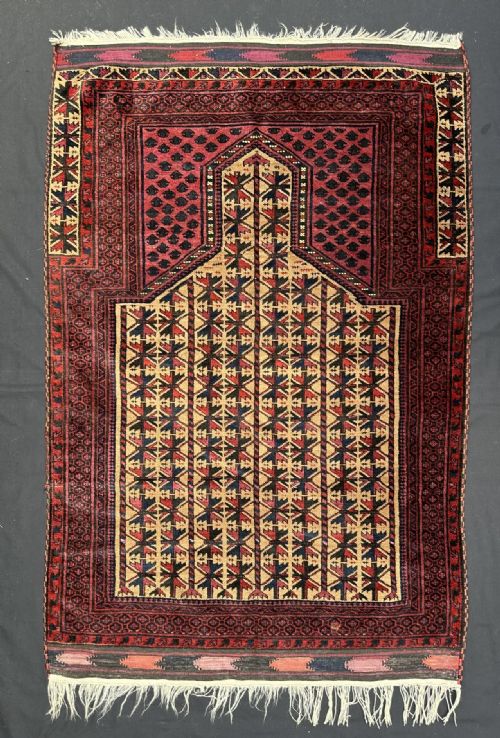
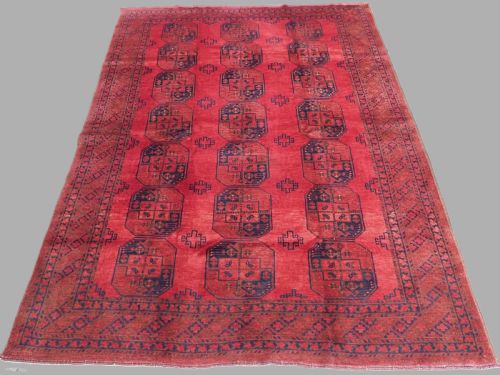
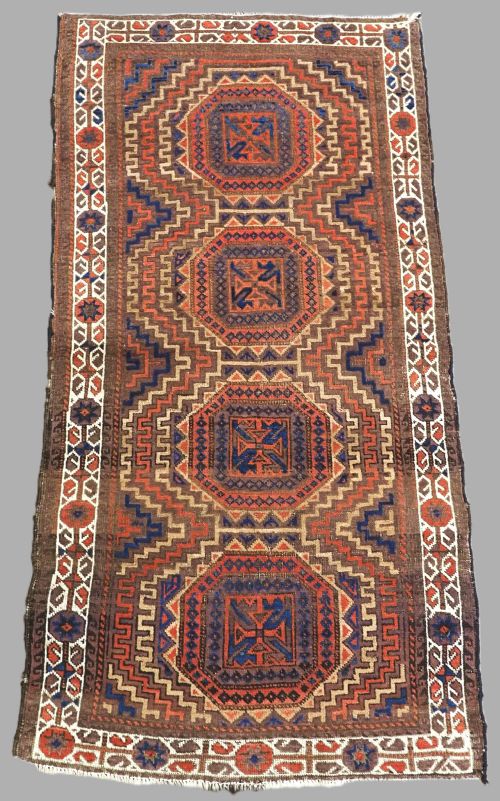
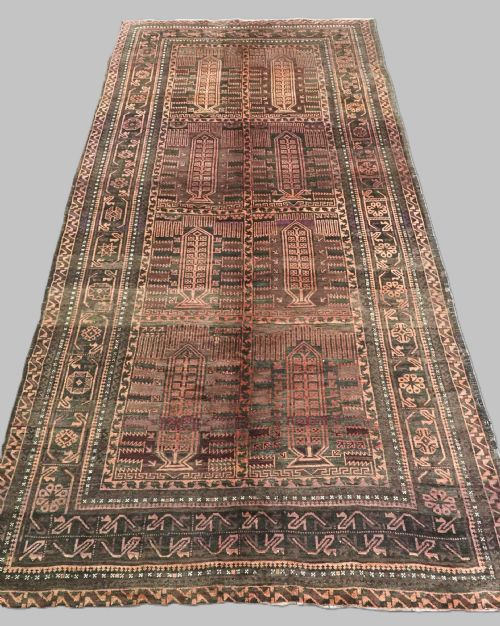
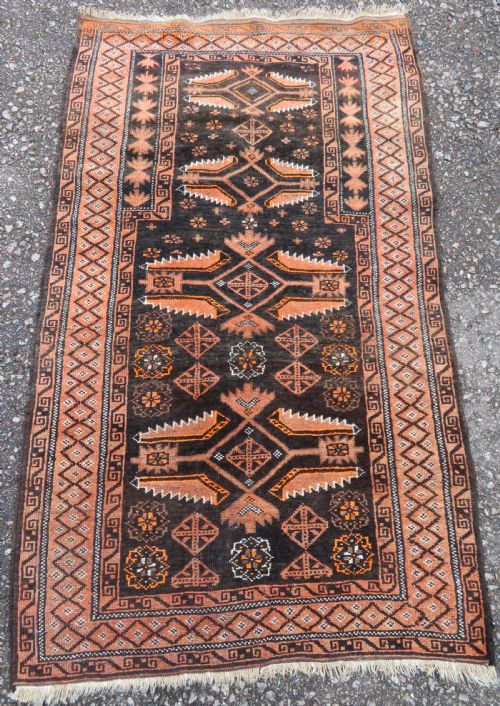
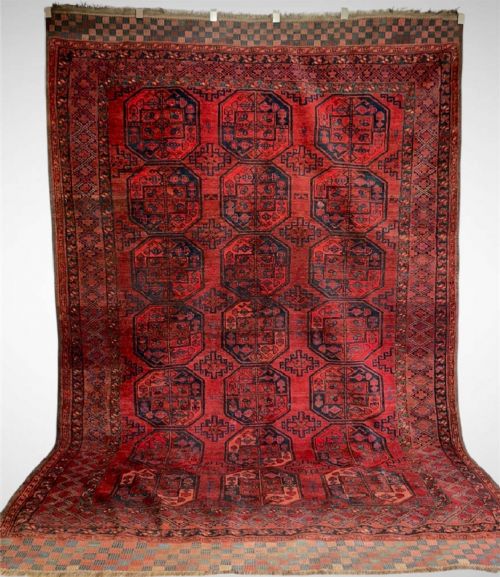
A hand knotted afghan rug encompasses tribal and village floor coverings originating from Afghanistan and its borderlands during the late nineteenth and early twentieth centuries. These textiles include larger room-size main carpets alongside smaller formats such as prayer rugs and runner rugs.
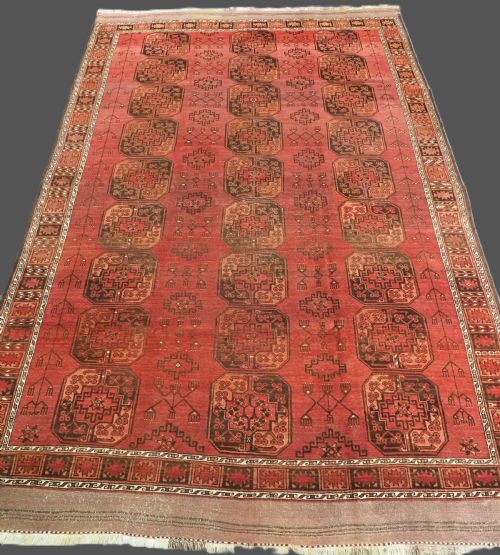
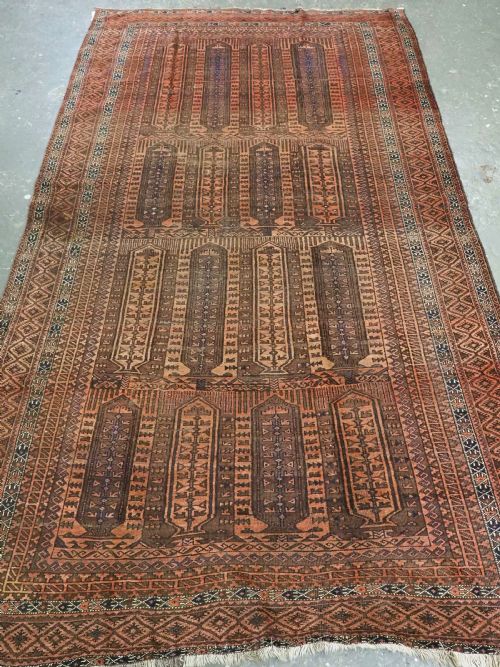
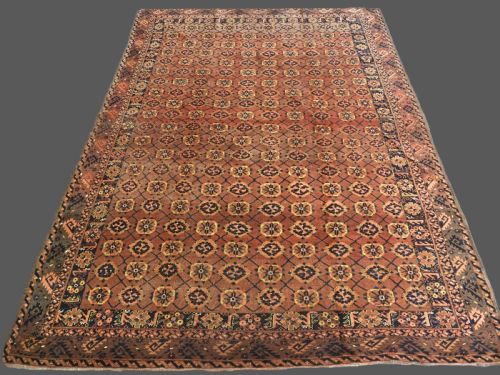
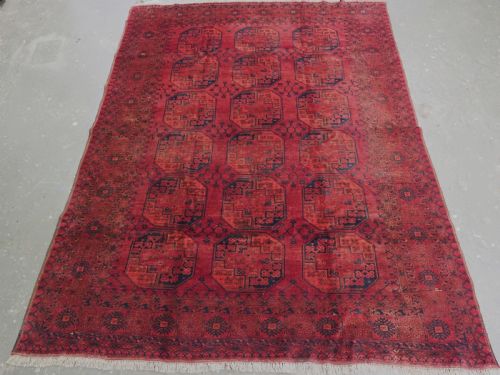
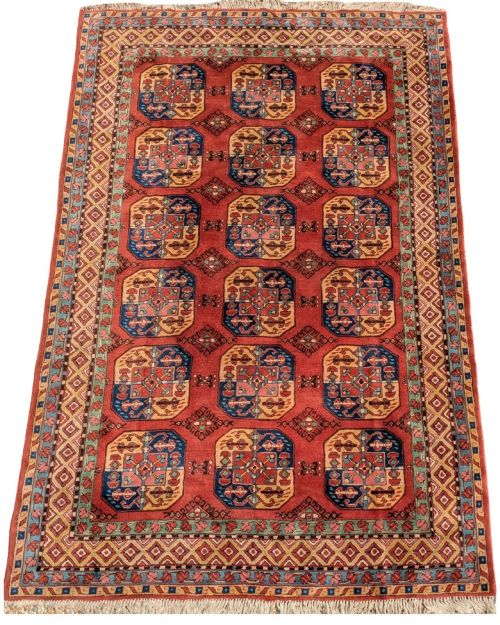
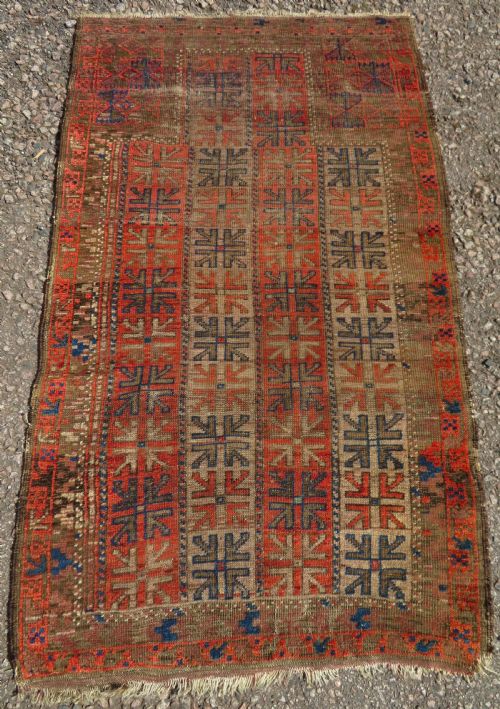
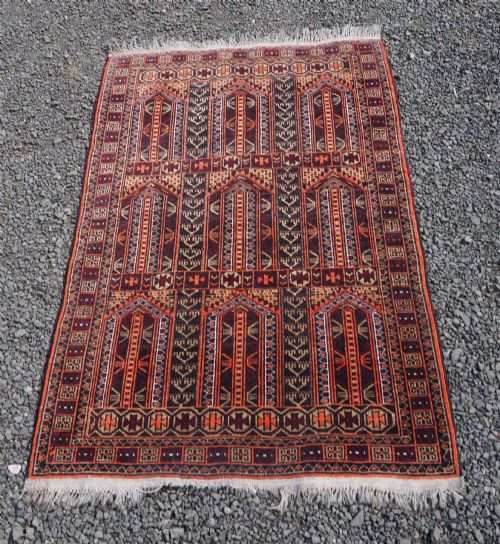
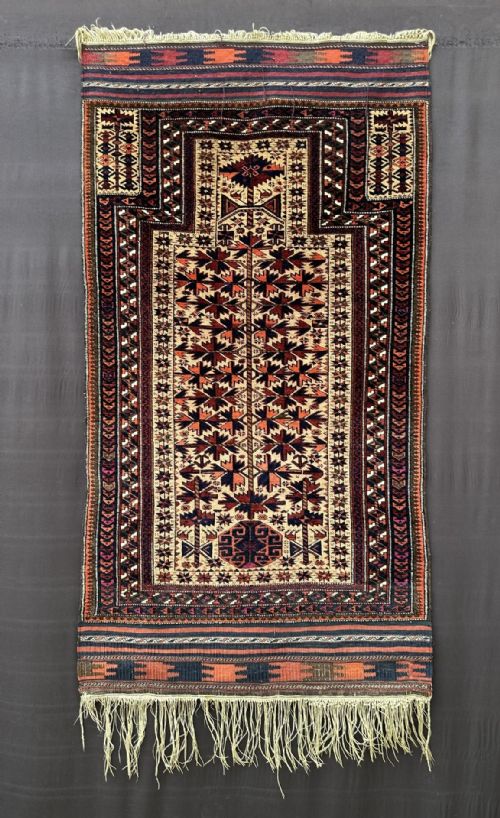
Tribal groups including the Ersari Turkmen, Baluch, Timuri, and Kizil Ayak produced these pieces using traditional designs passed down through generations. The versions most commonly encountered on this page date from the decades around nineteen hundred, displaying classic motifs like large turreted guls, double mihrabs, and pencil box patterns.
Many examples reflect regional aesthetics of northern and western Afghanistan, incorporating wool foundations and distinctive village artistry. Buyers find both compact prayer formats with kilim ends and substantial country house carpets suited to major living spaces.
Materials and Construction Techniques
Weavers constructed each hand knotted afghan rug using hand-spun wool for the pile, often combined with cotton foundations or goat hair elements for added durability. Natural dyes provided the characteristic warm red colour palette, old gold hues, and deep secondary shades seen across the inventory.
The knotting technique secured the dense wool pile firmly to the warp and weft threads, creating a robust textile designed for practical floor use. Artisans finished the ends with flatweave kilim sections and sturdy selvedges to prevent fraying along the borders.
Hand Knotted Afghan Rug Retail Price Guide 2026
Typical asking prices for hand knotted afghan rug among the pieces listed under this phrase on Sellingantiques today, from the lower quarter to the upper quarter. They describe what is for sale here now, not the wider market.
Listings feature pieces dated from the nineteenth century through nineteen thirty, incorporating wool, goat hair, cotton, and natural dyes across various tribal styles.
Assessing Quality and Execution
Quality in these tribal textiles depends upon the tightness of the knotting and the fineness of the wool preparation. Tighter structures allow intricate geometric details like rams horn mihrabs and complex guls to appear crisp and well-defined.
The depth and harmony of the natural dye palette also dictate the standing of a piece, with soft faded patinas and rich saturated tones marking superior examples. Greater care in spinning and dyeing yields textiles that age gracefully while retaining structural integrity.
The Hand Knotted Afghan Rug Glossary
- Gul
- A repeating medallion or octagonal motif central to Turkmen and Afghan tribal carpet designs. These repeating symbols often identify the specific weaving tribe.
- Mihrab
- An arched niche design derived from Islamic architecture, commonly found on prayer rugs. This shape points toward Mecca during daily devotions.
- Kilim end
- A flatwoven section of warp and weft threads extending beyond the knotted pile at the ends of a rug. These decorative flatweaves protect the pile from unraveling.
- Warp
- The vertical foundation threads stretched tightly on the loom before knotting begins. The pile knots are tied around these stationary parallel cords.
- Weft
- The horizontal threads passed alternately over and under the warp cords after each row of knots. This locks the pile firmly into place across the textile width.
Hand Knotted Afghan Rug: Frequently Asked Questions
How do I use a prayer rug at home?
Prayer rugs feature distinct niche designs like the mihrab and generally measure in smaller formats suited for intimate spaces. Placing them as bedside accents or wall hangings highlights their detailed tribal iconography without heavy foot traffic.
Because these textiles often include delicate kilim ends or fine wool piles, positioning them out of direct sunlight preserves the natural dyes. They function well as focal points in studies or hallways where their geometry can be fully appreciated.
What defines Turkmen carpet designs?
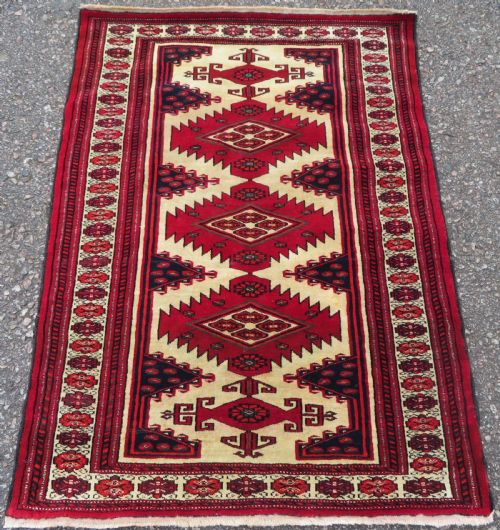
Turkmen styles, particularly those produced by the Ersari and Kizil Ayak groups, rely heavily on repeating gul motifs and deep warm red colour palettes. These orderly geometric arrangements reflect centuries of regional tribal heritage.
Master weavers arranged these medallions across room-size carpets and long runners with strict symmetry. The resulting patterns offer a structured look that grounds traditional and eclectic interiors alike.
Where were Baluch rugs made?
Baluch and Timuri weavers operated across the borderlands of north-east Persia and north-west Afghanistan. Their textiles frequently incorporate darker palettes, camel hair accents, and distinctive motifs such as the pencil box design.
These nomadic and village groups produced compact formats tailored for portable daily life. Their work stands apart through unexpected variations in borders and field layouts.
How do I care for antique wool rugs?
Maintaining these wool textiles requires gentle vacuuming without rotary brushes to protect the hand-spun pile and fragile foundation threads. Keeping them in stable humidity prevents the natural fibres from drying out over time.
Professional textile cleaners experienced with vegetable-dyed wool should handle any deep washing requirements. Promptly addressing minor spills with dry blotting prevents moisture from settling into the natural dyes.