


Hand Hammered Silver
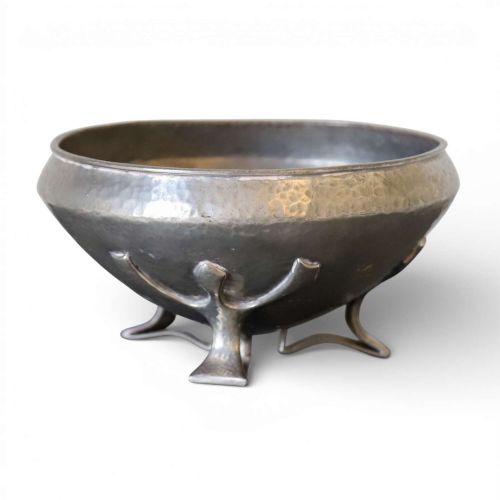
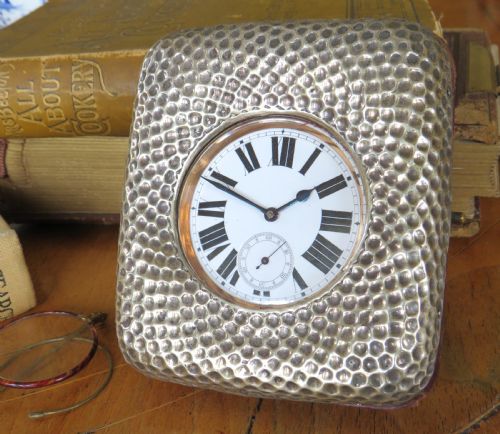
Hand hammered silver pieces display visible tool marks on sterling silver, pewter, and copper, offering tactile domestic objects from the Arts and Crafts era and beyond.
Hand Hammered Silver
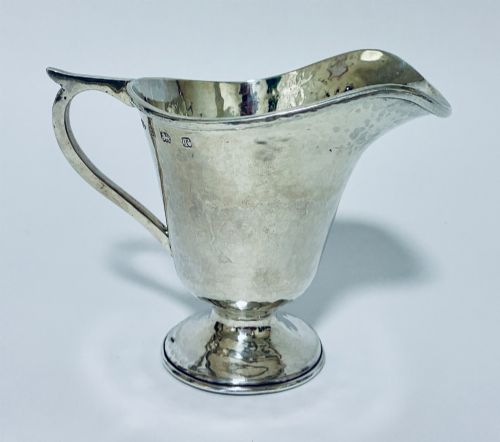
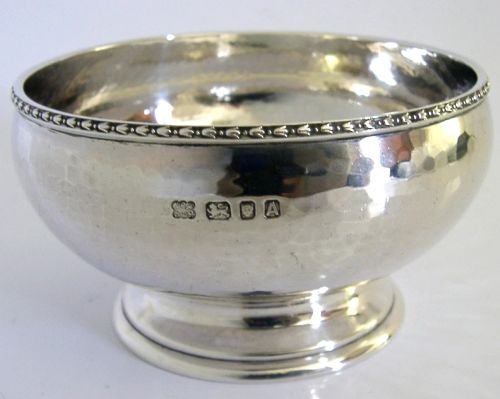
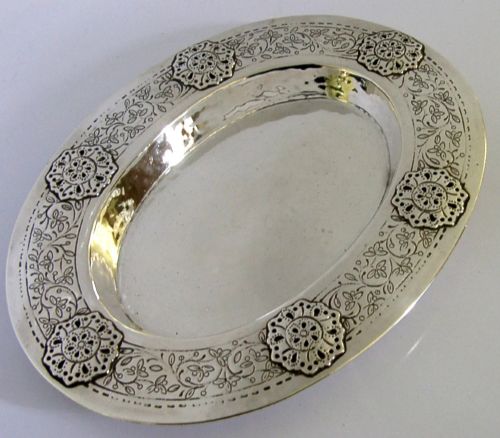
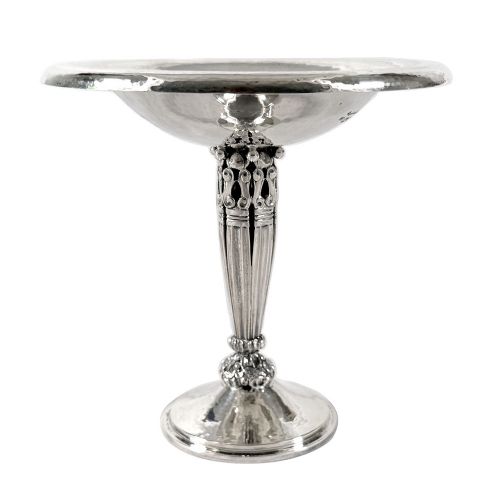
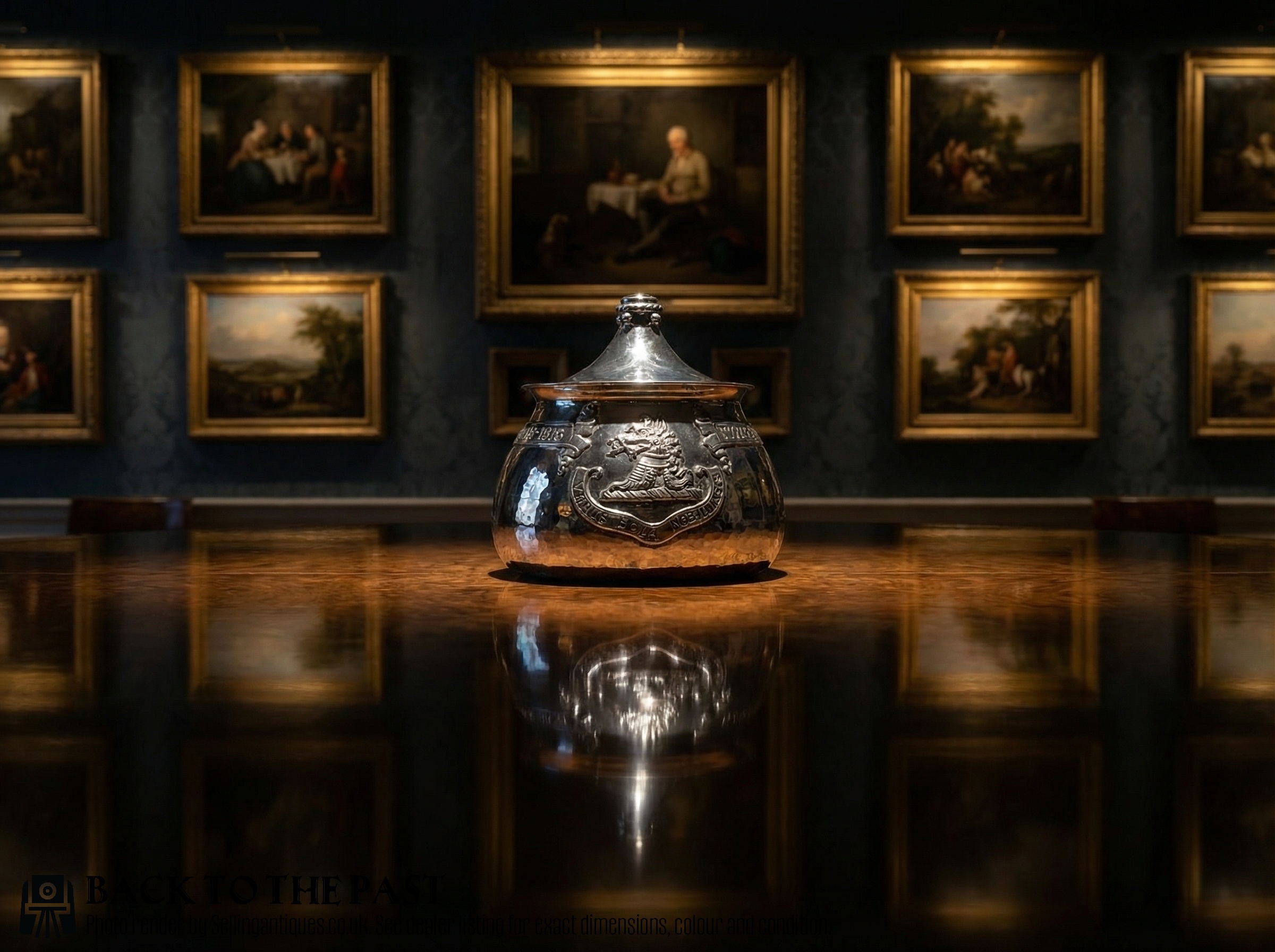
When you search for hand hammered silver, you look at domestic tableware, small decorative containers, and personal accessories shaped by hand from sterling silver, silver, pewter, and copper. The items span the eighteenth century to the mid-twentieth century, with a strong concentration of Arts and Crafts and Art Deco pieces from the early decades of the 1900s.
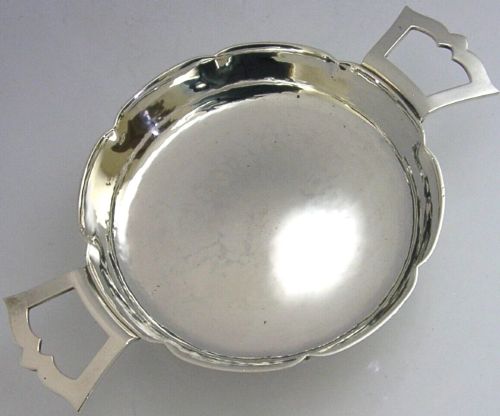
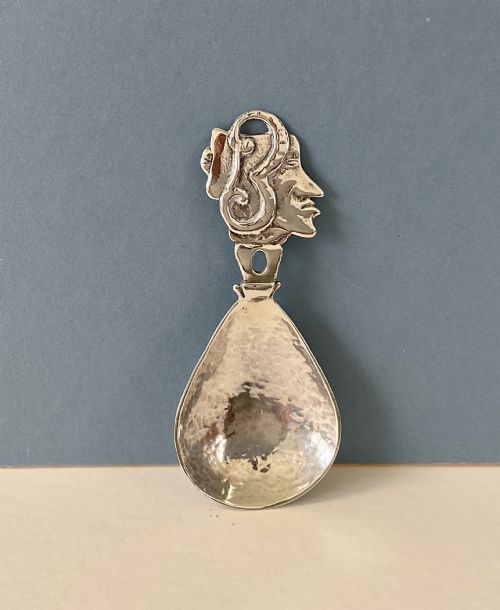
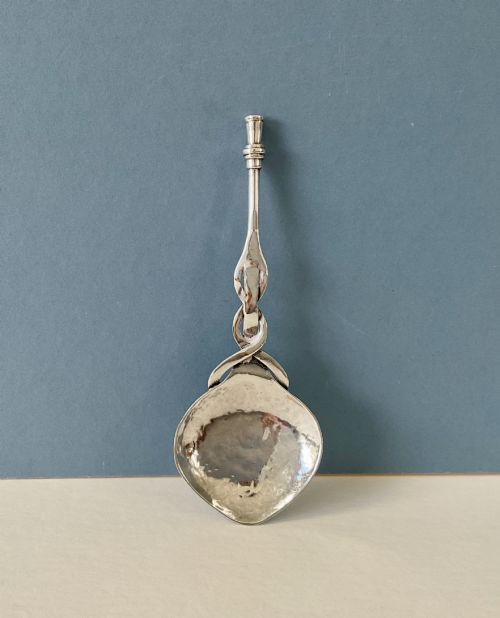
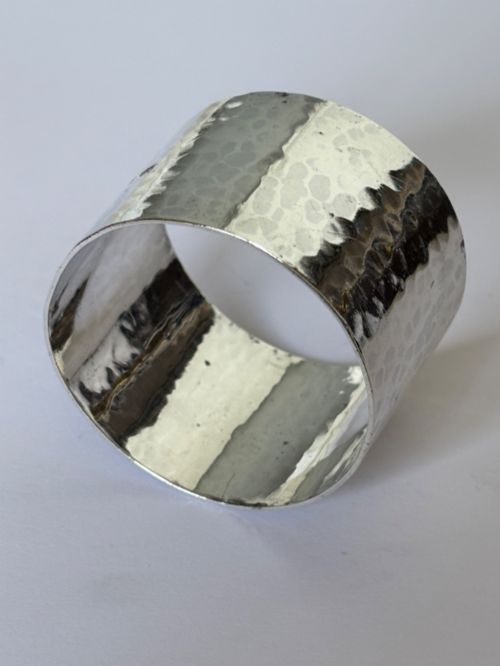
The version you are most likely to meet on this page is the small Arts and Crafts vessel, such as a bowl, dish, caddy spoon, or napkin ring, often bearing the hallmarks of London or Birmingham makers. Alongside solid silver, related items in pewter, copper, and enamel appear, reflecting the broader material culture of the period workshops.
What varies in quality
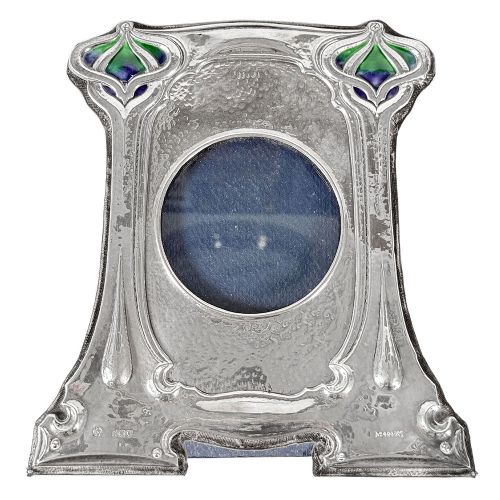
The integration of supplementary materials, such as cloisonné enamel, blister pearls, or carefully chosen cabochon stones, elevates certain objects. Harmony between the visible hand-beaten texture and the underlying architectural form determines the distinction of the work.
Several items feature enamel panels depicting children wearing clogs.
R E Stone·Albert Edward Jones·Charles Edwards·William Hutton and sons·Oliver Baker·Archibald Knox·Charles Boyton·John Barrett·John Paul Cooper·Omar Ramsden
The Hand Hammered Silver Glossary
- Planished
- A surface texture created by systematic overlapping hammer blows that flatten and refine the metal. It catches the light across the facets.
- Arts and Crafts
- A design movement spanning the late nineteenth and early twentieth centuries that prioritised hand workmanship and traditional materials over mass production.
- Quaich
- A traditional two-handled drinking vessel, often rendered in silver with hammered surfaces by twentieth-century makers.
- Tazza
- A small shallow cup or bowl raised on a stem and foot, used for display or serving.
- Cabochon
- A gemstone polished to a smooth convex dome rather than faceted, frequently set into metalwork by period silversmiths.
Hand Hammered Silver: Frequently Asked Questions
What is hand hammered silver?
Hand hammered silver refers to items shaped and textured by silversmiths using hammers to raise the metal from flat sheets.
These pieces show distinct facets from the manufacturing process, setting them apart from smooth factory-rolled goods.
How do I date these pieces?
Dating relies on official hallmarks stamped into the metal, which indicate assay offices, standard purity marks, and specific year ciphers.
Stylistic cues like Art Deco geometry or Arts and Crafts motifs also help narrow down the decade of production.
How were these items used?
Most items served practical domestic functions, from serving tea with caddy spoons to holding sugar or displaying decorative flowers in small bowls.
Personal accessories like napkin rings, boxes, and pendants fulfilled daily grooming and attire needs.
How should I clean hammered silver?
Cleaning requires gentle washing with mild soapy water and a soft cloth to protect the textured surface and preserve dark patinas in recessed areas.
Harsh abrasive polishes should be avoided because they wear down the deliberate hammer marks over time.