
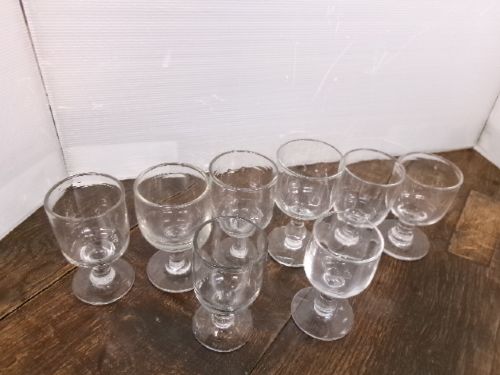
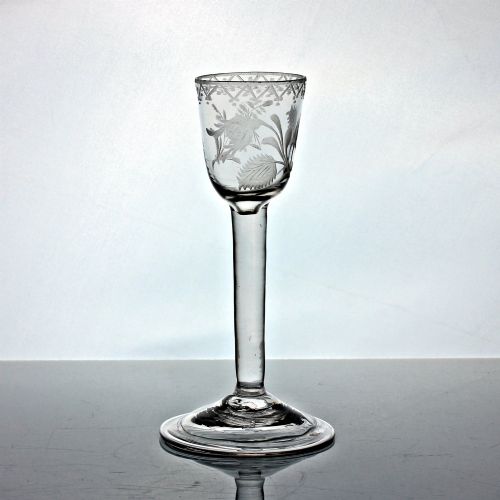

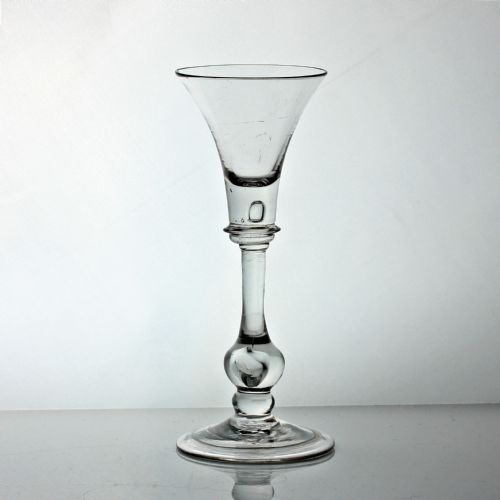
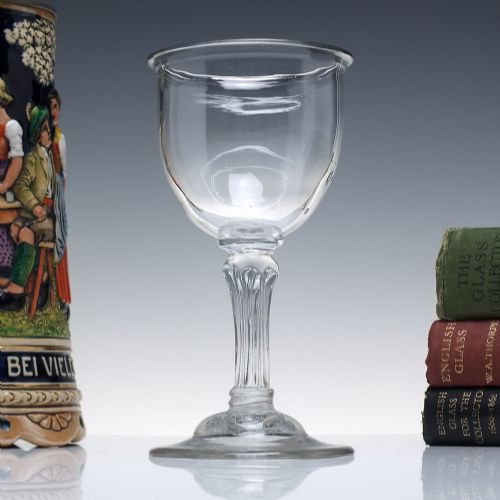


Hand Blown Wine Glass
When you search for hand blown wine glass, you encounter centuries of glassmaking history, from eighteenth-century baluster stems to vibrant Victorian cranberry services.
Hand Blown Wine Glass
A hand blown wine glass represents a tradition of free-blown and mould-blown drinking vessels spanning the Georgian, Victorian and Edwardian periods. Collectors encounter everything from eighteenth-century lead glass with air-teared stems to matching sets of Victorian cranberry or Bristol green stemware.
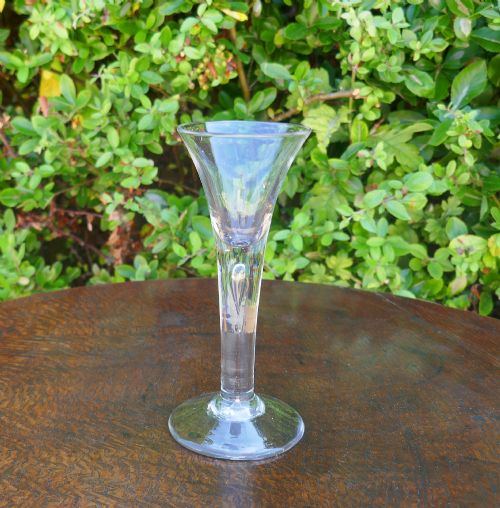
The form adapts across eras, shifting from heavy baluster and trumpet bowls of the mid-eighteenth century to delicate coloured glass and optic-blown designs of the late nineteenth century. These pieces encompass individual dram glasses, cordial glasses and larger wine goblets intended for domestic dining.
How they were made
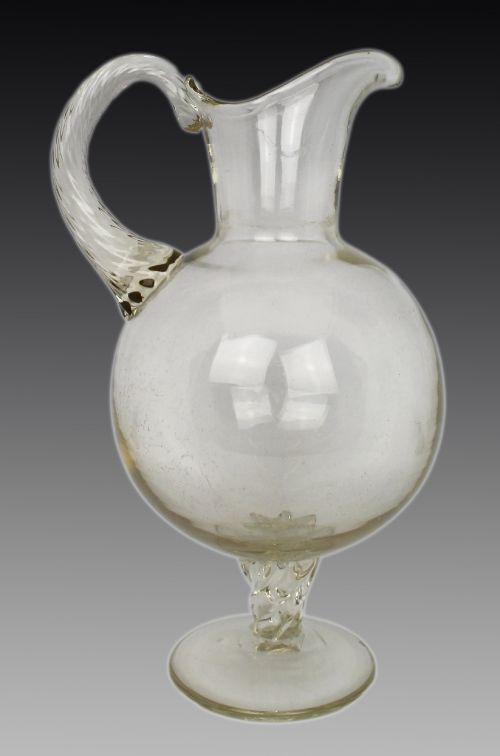
Craftsmen shaped molten metal on the pontil iron, utilising free-blowing and mould-blowing techniques to form bowls, stems and feet. Lead glass provided the weight and clarity required for eighteenth-century baluster and air-twist stems.
Coloured pieces relied on metal oxides added to the batch, producing deep cranberry, amber, turquoise and Bristol green hues. Surface decoration sometimes involved enamel painting or optical moulding within a pattern-book.
Hand Blown Wine Glass Retail Price Guide 2026
Typical asking prices for hand blown wine glass among the pieces listed under this phrase on Sellingantiques today, from the lower quarter to the upper quarter. They describe what is for sale here now, not the wider market.
An eighteenth-century glassblower trapped a single air bubble inside a stem and accidentally created an heirloom.
What varies in quality
The distinction between ordinary utility wares and finer examples lies in the balance of the metal and the precision of the stem formation. An eighteenth-century air bubble or tear within a baluster stem demonstrates deliberate control by the glassblower rather than accidental inclusion.
Consistency across a matched set elevates the standing of Victorian and Edwardian stemware. Subtle variations in bowl thickness and foot diameter separate hand-pulled individual pieces from later factory-standard production.
James Powell·Archibald Knox for Liberty·Salviati
The Hand Blown Wine Glass Glossary
- Baluster stem
- A thick, heavy stem form characteristic of mid-eighteenth-century drinking vessels, often featuring knops or swelling profiles.
- Air twist
- A decorative optical effect inside a glass stem created by drawing out elongated air bubbles during manipulation.
- Roemer
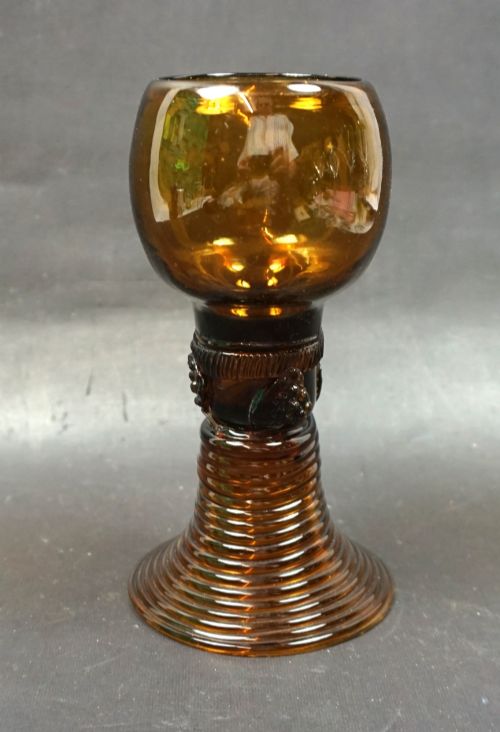
- A traditional Germanic drinking vessel featuring a wide bowl on a cylindrical coiled foot, commonly executed in amber or green glass.
- Pontil mark
- The rough scar left on the base of a vessel where the pontil rod was snapped off after blowing.
- Cranberry glass
- A rich pinkish-red glass produced by adding gold chloride to the molten batch, widely utilised during the Victorian era.
Hand Blown Wine Glass: Frequently Asked Questions
How do I date an old wine glass?
Dating relies on combining stylistic evidence of the bowl, stem and foot with the characteristics of the metal itself. Eighteenth-century examples often display heavy lead composition and distinct pontil marks beneath the foot.
Later Victorian and Edwardian pieces introduce vibrant colours like cranberry and turquoise alongside different forming techniques. Examining the weight, wear patterns and optical qualities helps place each piece within its correct period.
What is an air twist stem?
An air twist is a decorative feature found in eighteenth-century stems where tiny air bubbles are elongated into spiral threads inside the glass. The glassblower manipulated the metal while hot to create this internal pattern.
This technique required high skill to maintain symmetry and clarity throughout the stem. It remains a defining characteristic of mid-Georgian drinking vessels.
Can I use antique wine glasses?
Using antique glassware requires care, particularly with eighteenth-century lead glass or delicate Victorian blown pieces. Hand washing in lukewarm water without abrasive detergents preserves the historical surface.
Sudden temperature changes can crack old metal, so hot liquids must be avoided. Many collectors enjoy using robust Georgian rummers or nineteenth-century tavern glasses for special occasions.
Why are some glasses green or amber?
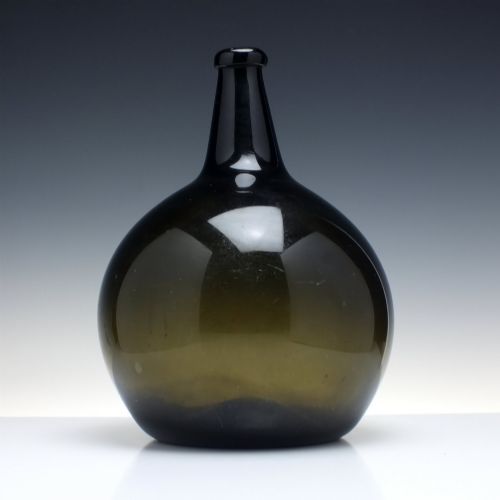
Coloured glass resulted from metal oxides or impurities naturally present in the batch, or deliberately added to achieve specific hues. Bristol green, amber roemer glass and deep cranberry tones were achieved through specific chemical recipes.
These colours helped mask impurities in early metal and provided striking visual appeal on the dining table. Regional preferences in Britain, Germany and Italy dictated the popular shades of each era.