
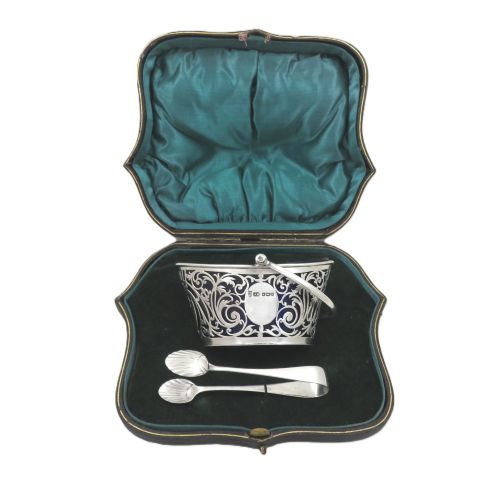

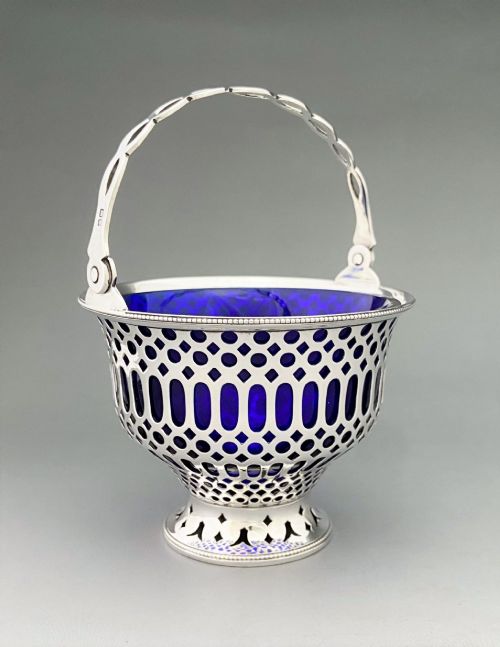


Hallmarked Silver Sugar Basin
These hallmarked silver sugar basin pieces are traditional table vessels crafted from sterling silver, offering a touch of period elegance to your home.
Hallmarked Silver Sugar Basin
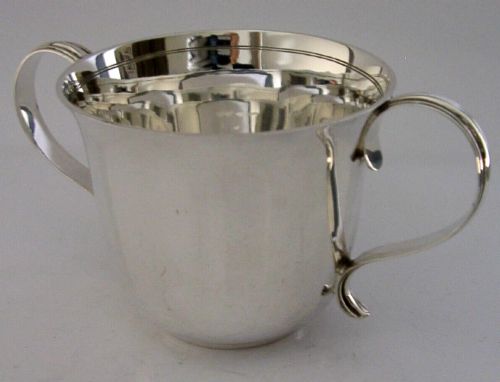
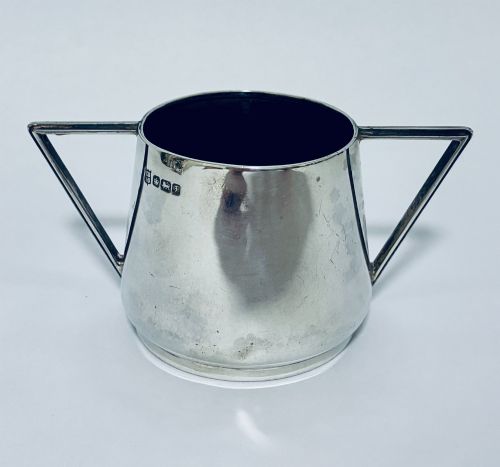
When you search for a hallmarked silver sugar basin, you find a variety of holloware designed for table service, spanning the Victorian, Edwardian, and Art Deco periods. These forms range from handled bowls and pedestal dishes to swing-handled sugar baskets and fitted tea caddies.
The most common versions on this page are Victorian sterling silver bowls and Edwardian sugar baskets, often encountered alongside associated items like sifter spoons or cream jugs. They reflect the changing domestic dining and tea habits across the late nineteenth and early twentieth centuries.
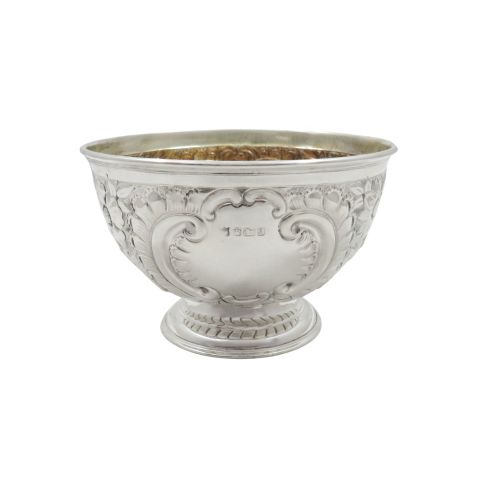
Makers and assay offices across England utilised sterling silver, occasionally pairing pieces with glass inserts, silk linings, or gilt interiors. The selection demonstrates how functional dining ware evolved from ornate Victorian repoussé work to clean-lined Art Deco forms.
How they were made
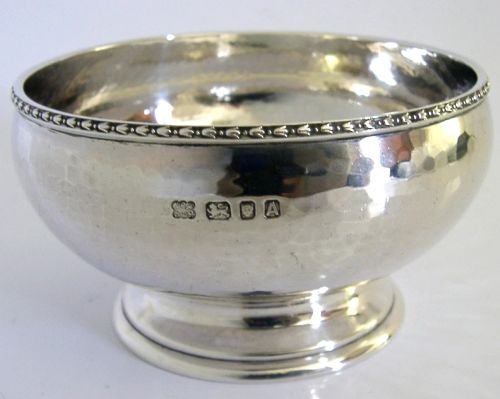
Silversmiths constructed these vessels primarily from sterling silver, employing techniques such as hammering, planishing, and piercing to create decorative patterns and textured surfaces. Master craftsmen raised bowls from flat sheets of metal and added cast or applied handles, pedestals, and swing Bails.
Decoration often involved repoussé work, where designs were hammered into relief from the reverse side, alongside precise hand-piercing to form openwork borders. Pieces were frequently marked with official hallmarks indicating the assay office, metal standard, and date letter.
Listings feature sterling silver sugar vessels across Victorian, Edwardian, and Art Deco periods, incorporating materials such as glass, ebony, and silk.
What varies in quality
Quality in a hallmarked silver sugar basin is determined by the weight of the silver, the crispness of the hand-hammered or pierced decoration, and the integrity of the structural form. Heavier metal gauge and balanced proportions separate sturdy, well-balanced vessels from lighter equivalents.
The clarity and completeness of the hallmarks also influence standing, as do retained original components such as fitted cases, associated spoons, or intact gilt washes. Finer examples show careful finishing at the joints and clean execution of repoussé motifs without distortion.
The Hallmarked Silver Sugar Basin Glossary
- Hallmark
- Official stamps struck into precious metal to guarantee its purity, identifying the maker, assay office, and year of production.
- Sterling silver
- A silver alloy containing 92.5 percent pure silver and 7.5 percent other metals, usually copper, ensuring durability for tableware.
- Repoussé
- A metalworking technique where the artisan hammers a design in relief from the reverse side of the object.
- Planished
- A metal surface finished by hammering with a flat-faced tool, leaving subtle, uniform facets that catch the light.
- Tea caddy
- A small lidded container originally used for storing and preserving loose tea leaves before they were blended.
Hallmarked Silver Sugar Basin: Frequently Asked Questions
What is a silver sugar basin?
A silver sugar basin is an open bowl or basket designed to hold loose sugar on the tea or dining table. They were standard accompaniments to formal tea service.
Over the decades, their forms shifted from heavy Victorian pedestal bowls and swing-handled baskets to geometric Art Deco designs.
How do I date a silver basin?
You can date a silver basin by examining the official hallmarks stamped into the metal, which include a specific letter code for the year of assay. Stylistic details such as heavy repoussé work or geometric lines also point to periods like the Victorian era or Art Deco years.
Comparing the shape and decorative motifs against known production styles helps narrow down the decade of manufacture.
Were these basins used alone?
While many basins were used individually, they frequently formed part of larger matched or matched-period tea sets alongside cream jugs and sugar tongs. Some even accompanied specialised strawberry sets or came housed in fitted presentation cases.
Survival of these companion pieces depends on how carefully past owners kept the service together.
How do I care for silver?
Silver tableware requires gentle cleaning with specialised silver polish and a soft cloth to remove tarnish without abrading the metal surface or delicate hallmarks. Storing pieces in dry environments helps prevent rapid re-tarnishing.
Regular, careful maintenance preserves the original lustre and detail of the hand-worked decoration.