



Victorian Cased Silverware
Victorian cased silverware comprises fitted sets housed in protective boxes, offering elegance and utility for dining and gift-giving.
Victorian Cased Silverware
When you search for victorian cased silverware, you encounter matched dining implements and presentation services preserved within fitted enclosures.
The pieces on this page span the Victorian era alongside related nineteenth and twentieth-century iterations, encompassing flatware and serving implements.
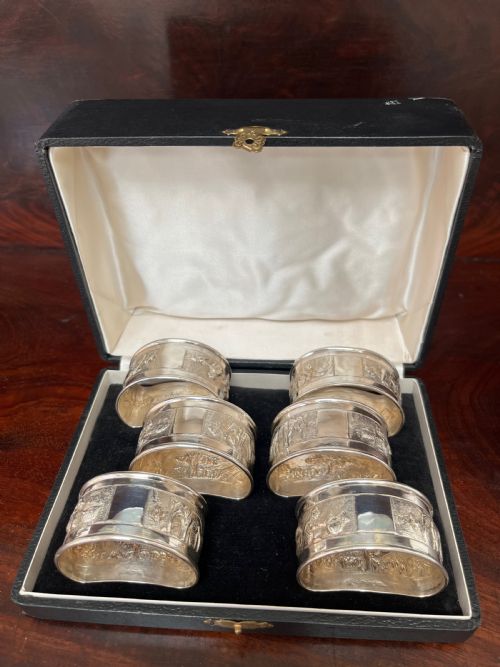
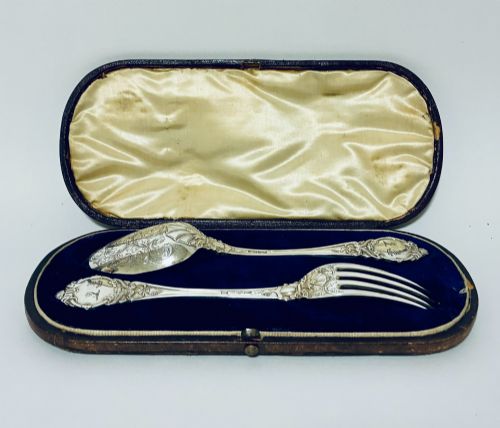
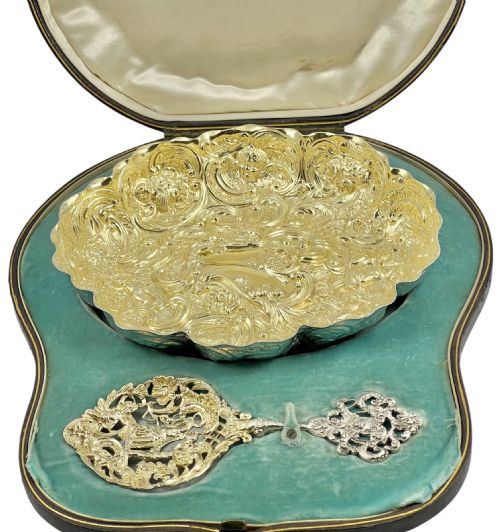
Common forms include napkin rings, christening sets, strawberry sets, and grape scissors, often accompanied by dedicated sugar bowls and tongs.
How they were made
Maker workshops produced these items using sterling silver and silver gilt, sometimes incorporating organic elements like horn handles.
Protective outer cases utilised materials such as leather and leatherette, lined internally with soft textiles like silk and velvet to cradle the silver securely.
Listings feature sterling silver and silver gilt items paired with leather, silk, and velvet cases across multiple nineteenth-century periods.
What varies in quality
Quality differences emerge in the execution of the metalwork, distinguishing standard production sets from more elaborate silver-gilt presentation pieces.
The craftsmanship of the housing also dictates standing, with robust leather exteriors and intact silk or velvet linings preserving the contents more effectively over time.
Robert Stebbings
The Victorian Cased Silverware Glossary
- Silver Gilt
- Silver that has been coated with a thin layer of gold. This technique enhances the visual warmth of spoons and sugar bowls.
- Campaign Cutlery
- Portable dining implements designed for travel. These sets fold or nest efficiently into compact protective cases.
- Grape Scissors
- Specialised shears intended for cutting fruit clusters at the table. They frequently feature decorative silver handles and matched cases.
- Christening Set
- A commemorative collection presented to an infant. Such sets typically include specialised spoons and forks housed together.
Victorian Cased Silverware: Frequently Asked Questions
What is victorian cased silverware?
These items are matched silver implements sold alongside custom-fitted protective boxes. They were designed for dining, serving, or formal presentation.
Most sets include items like napkin rings, fruit shears, or spoons secured in velvet or silk linings.
How were cased sets used?
Owners utilised these collections during formal meals or kept them for special occasions. Many sets served as gifts for milestones like christenings.
The fitted box protected the soft silver from tarnish and damage while stored in a sideboard.
How do I identify the period?
Dating relies on hallmarks stamped into the sterling silver and the specific style of the case. Researching maker marks helps pinpoint the exact year of creation.
Materials like leatherette and certain synthetic linings often indicate mid-twentieth-century production rather than the Victorian era.
How should I care for them?
Store the silver within its original fitted case to prevent unnecessary handling and atmospheric tarnish. Clean the metal gently using appropriate silver conservation methods.
Avoid harsh abrasives that might damage delicate silver gilt or the interior velvet and silk fabrics.