




Silver Gilt Sugar Bowl
A silver gilt sugar bowl brings lavish interior gilding and rich metallic warmth to the table, and these pieces span periods from the eighteenth century to the twentieth.
Silver Gilt Sugar Bowl
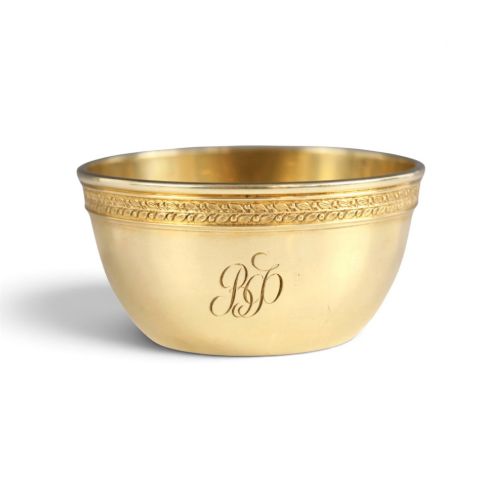
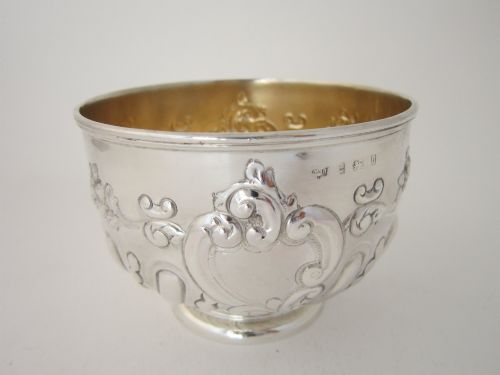
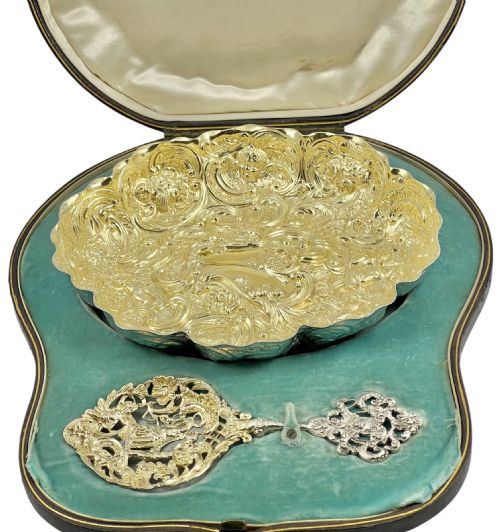
A silver gilt sugar bowl is a refined form of tableware designed for serving sugar, often appearing alongside cream jugs or within larger tea and coffee services. These vessels take various shapes including open bowls, handled baskets, and cased sets complete with matching sifter spoons.
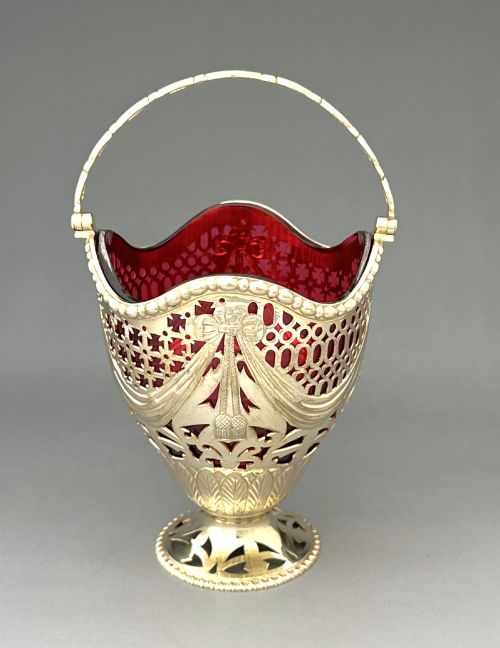
The selections available range from Georgian and William IV sterling silver pieces to Victorian and Edwardian examples. Buyers will also encounter specialised items such as sweetmeat baskets, cranberry glass liners, and presentations originating from Imperial Russian workshops.
Forms extend beyond simple vessels to include matched sets and fitted presentation cases, reflecting how dining practices evolved across different decades. The materials span traditional sterling silver, silver plate, and Old Sheffield plate alongside contrasting glass elements.
Materials and construction
The underlying metal of these vessels is predominantly sterling silver, silver plate, or Old Sheffield plate, shaped through traditional silversmithing techniques like raising and casting. Master silversmiths applied a thin layer of gold to the interior or the entirety of the silver surface through fire gilding or electrogilding.
Many examples incorporate secondary materials such as cranberry glass liners or velvet fitted within presentation cases. Decorative treatments include floral Rococo motifs, chased surface patterns, and pierced metalwork seen in baskets and sweetmeat dishes.
Evaluating craftsmanship
Quality rests upon the crispness of the chased or pierced decoration and the intactness of the gold wash over the silver substrate. Pieces produced by notable makers exhibit superior handling of weight, balance, and fine detail.
The preservation of original fitted presentation cases and matching sifter spoons elevates the integrity of a set. Structural harmony between glass liners and pierced silver baskets also indicates higher manufacturing standards.
Stephan Wekeva·Joseph Craddock·John Kincard·George Fox
The Silver Gilt Sugar Bowl Glossary
- Silver-gilt
- Sterling silver or another silver base that has been coated with a thin layer of gold. This process protects the interior from tarnishing when exposed to acidic contents like fruit or sugar.
- Sucrier
- A French term frequently used to describe a sugar bowl or pot. These containers often feature lids and paired handles.
- Sweetmeat basket
- A small, often pierced or footed basket designed for serving sweet confections, nuts, or small preserves. They frequently date to the Georgian and Edwardian periods.
- Old Sheffield plated
- An early composite material made by fusing a layer of silver to a copper core. This technique predates modern electroplating.
Silver Gilt Sugar Bowl: Frequently Asked Questions
How do I clean a silver gilt sugar bowl?
Maintenance requires gentle washing with mild soapy water and a soft cloth to protect the delicate gold layer. Avoid abrasive polishes that can wear away the gilding over time.
Storing the bowl in a dry environment prevents oxidation of the underlying silver. For cased items, keep the velvet linings free from moisture.
What is the difference between silver gilt and silver plate?
Silver gilt refers to silver or a silver base covered in a thin layer of gold, giving the metal a warm golden interior or finish. Silver plate involves a thin layer of silver applied to a base metal such as copper.
Both materials were utilised across different eras to achieve a luxurious appearance at varying price points. The presence of gold wash distinguishes silver gilt from standard silver surfaces.
Were these bowls used only for sugar?
While primarily designed for sugar service, many vessels functioned as sweetmeat baskets, preserve dishes, or presentation pieces. Some configurations were sold alongside cream jugs as matching pairs.
Their versatility made them suitable for various dining table requirements across the eighteenth, nineteenth, and twentieth centuries.
How do I identify the period of a bowl?
Dating relies heavily on hallmarks stamped into the metal, which indicate the assay office, year of production, and maker's mark. Stylistic clues such as Georgian Rococo curves or Edwardian restraint also point to specific eras.
Examining construction methods, such as Old Sheffield plating techniques versus later electroplating, provides further chronological context.