



Grey Metal Candlesticks
Grey metal candlesticks bring weight and quiet lustre to a room, spanning periods from Stuart times through to Art Deco.
Grey Metal Candlesticks
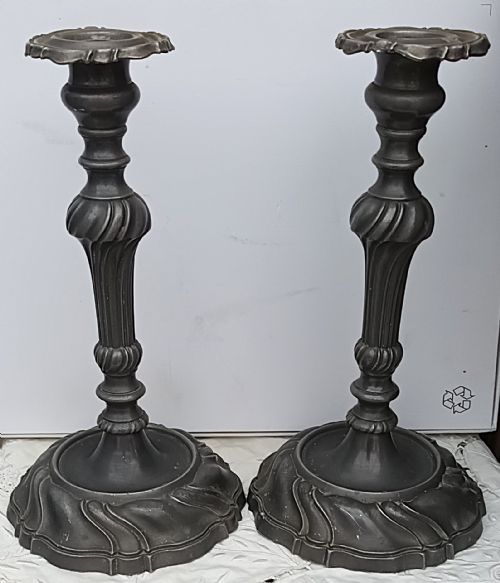
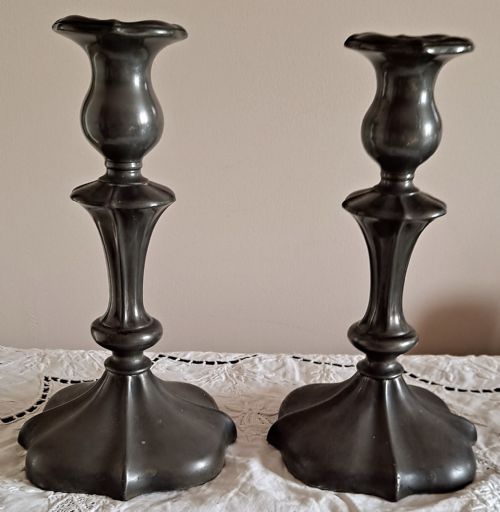
When you search for grey metal candlesticks, you are looking at items primarily fashioned from pewter, occasionally paired with tortoiseshell. The pieces on this page cross multiple eras, including the seventeenth century, eighteenth century, nineteenth century, and early twentieth century.
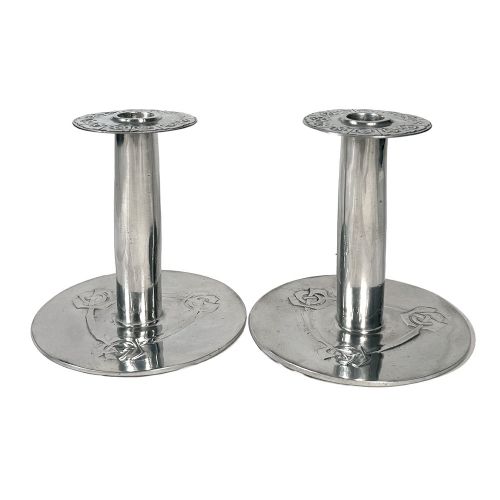
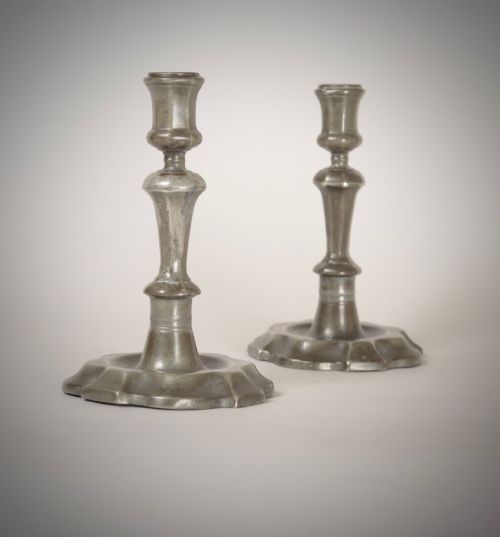
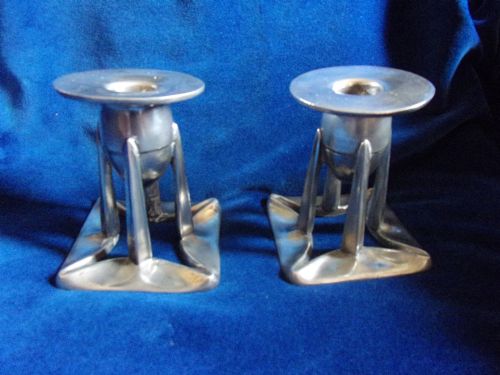
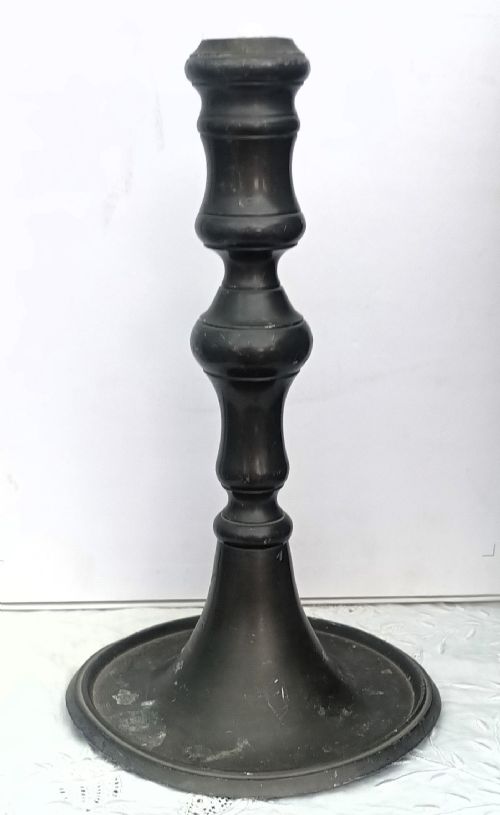
The forms you are most likely to meet on this page include pairs of candlesticks representing distinct design movements such as Stuart, Georgian, Victorian Rococo, Arts and Crafts, Art Nouveau, and Art Deco. These utilitarian objects served to hold wax candles for illumination before electric lighting became common.
Makers and designers of these items utilised the properties of pewter to cast candlesticks with decorative motifs ranging from simple classical lines to elaborate organic curves. Surviving examples demonstrate how domestic lighting evolved across several centuries of British craftsmanship.
How they were made
The primary material visible in these listings is pewter, a durable alloy of tin combined with copper, antimony, or lead. Craftsmen cast this metal into moulds to shape the shafts, bases, and drip pans of the candlesticks.
Certain nineteenth century examples incorporate tortoiseshell panels alongside pewter, combining organic materials with metalwork. Production techniques varied from seventeenth century Stuart hand-casting methods to the stylised designs of the Arts and Crafts and Art Deco periods.
Grey Metal Candlesticks Retail Price Guide 2026
Typical asking prices for grey metal candlesticks among the pieces listed under this phrase on Sellingantiques today, from the lower quarter to the upper quarter. They describe what is for sale here now, not the wider market.
Some nineteenth century makers decided that grey metal needed a bit of sea creature glamour and bolted tortoiseshell to it.
What varies in quality
Quality in these pieces rests upon the crispness of the casting and the preservation of the original metal surface. Early examples from the seventeenth and eighteenth centuries show distinct tool marks and patination that mark their age.
Design execution distinguishes standard domestic items from pieces attributed to notable designers like Archibald Knox. The integrity of the structure and the balance of the base determine how well a pair has survived centuries of use.
ARCHIBALD KNOX
The Grey Metal Candlesticks Glossary
- Pewter
- A malleable metal alloy consisting principally of tin, used historically for tableware and lighting. It develops a dull grey patina over time.
- Stuart
- A period of British design spanning the seventeenth century, known for robust construction and simple domestic forms. Items from this era carry historical weight.
- Art Nouveau
- A decorative style popular around nineteen hundred characterised by organic plant motifs and flowing lines. Candlesticks in this taste feature sinuous stems and bases.
- Tortoiseshell
- The mottled shell of certain sea turtles used historically for inlay and decorative panels. In nineteenth century pieces, it provides a contrasting dark amber and brown texture against grey metal.
Grey Metal Candlesticks: Frequently Asked Questions
What metal are these candlesticks made of?
The listings consist almost entirely of pewter, a durable alloy containing tin that yields a characteristic grey finish. Some nineteenth century examples also incorporate tortoiseshell panels.
This material provided a sturdy base for domestic lighting while remaining accessible for various decorative styles across different centuries.
How do I date a pewter candlestick?
Dating relies on stylistic clues such as the heavy proportions of Stuart pieces versus the clean geometric lines of Art Deco items. Structural forms and decorative motifs like Rococo scrolls or Arts and Crafts simplicity point to specific eras.
Examining the manufacturing marks and the texture of the metal further helps place a piece within its historical period.
Were these candlesticks sold as pairs?
Many surviving examples appear as matched pairs, designed to sit symmetrically on mantelpieces or dining tables. Single candlesticks also occur, representing items that became separated over time.
Pairs generally command more interest from collectors seeking traditional symmetry for interior display.
How should I clean antique pewter?
Antique pewter requires minimal intervention to preserve its historical surface and patination. Gentle dusting with a soft cloth is usually sufficient.
Avoid harsh modern metal polishes that strip away the aged grey finish accumulated over centuries.