





Green Patinated Bronze
Green patinated bronze items deliver tactile historical depth through aged metallic surfaces, combining classical forms with enduring sculptural appeal.
Green Patinated Bronze
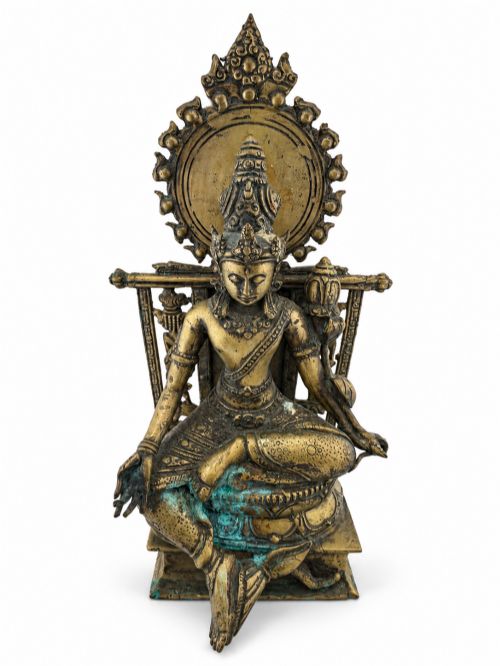
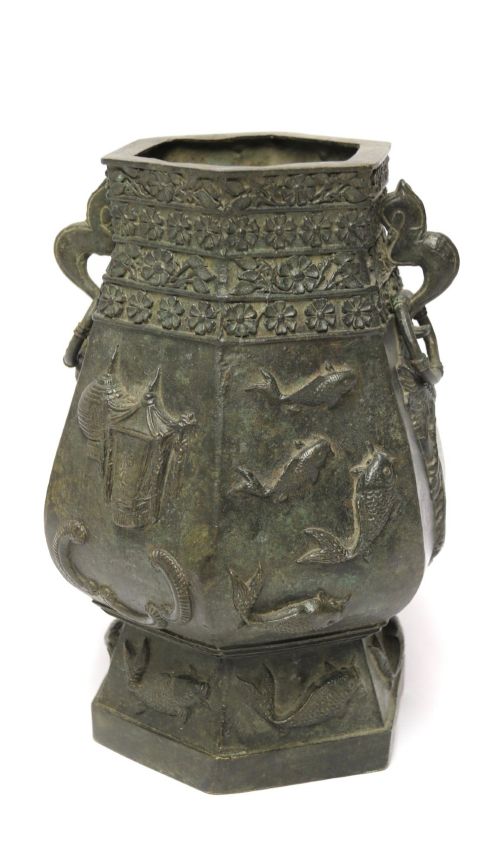
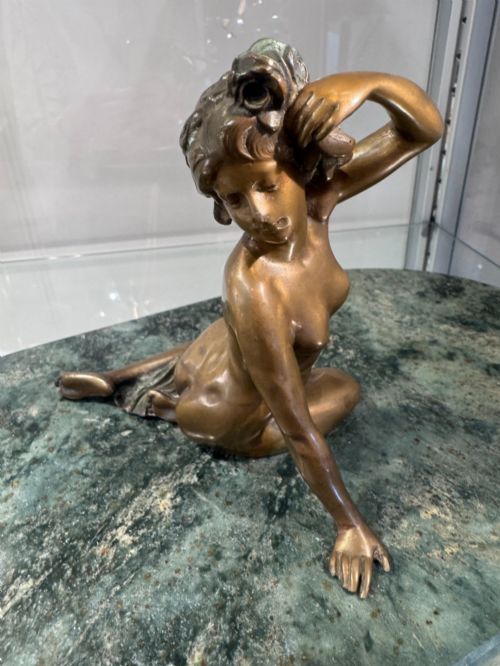
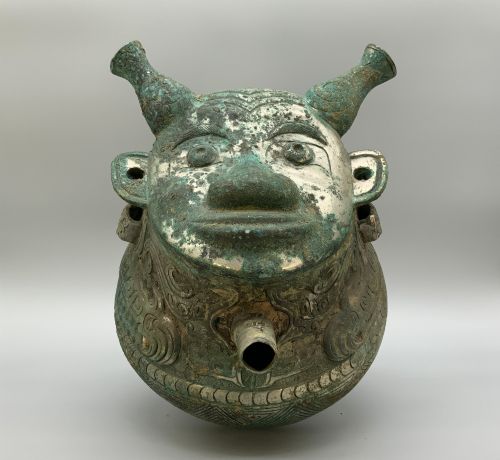
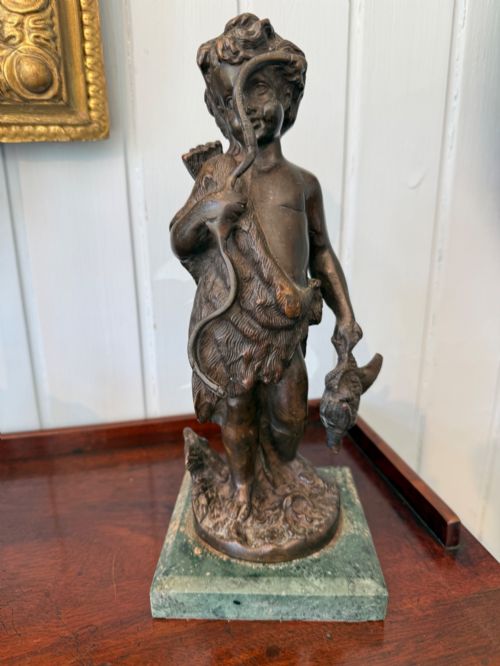
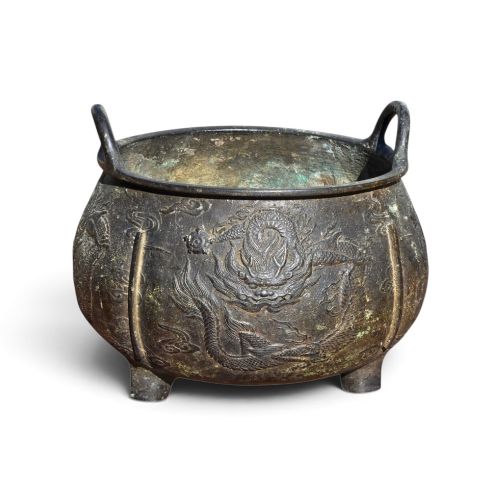
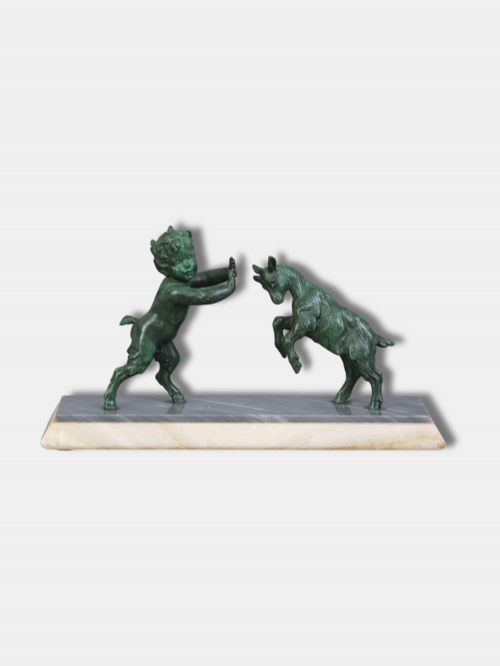
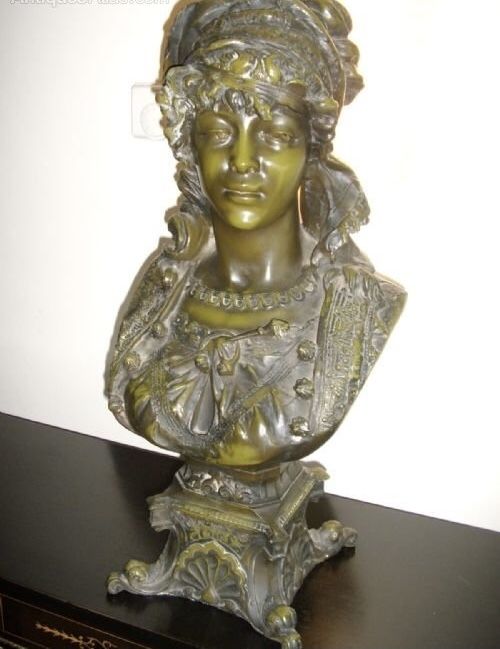
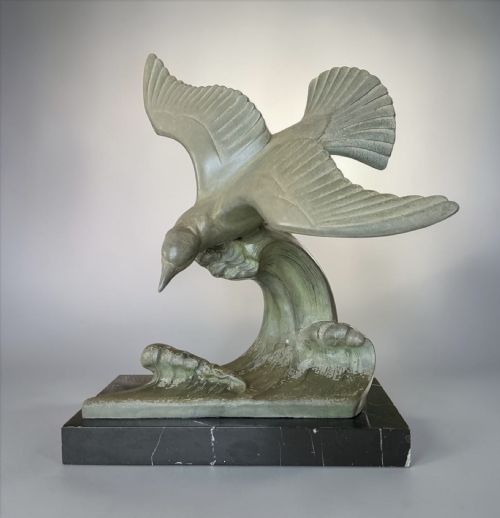
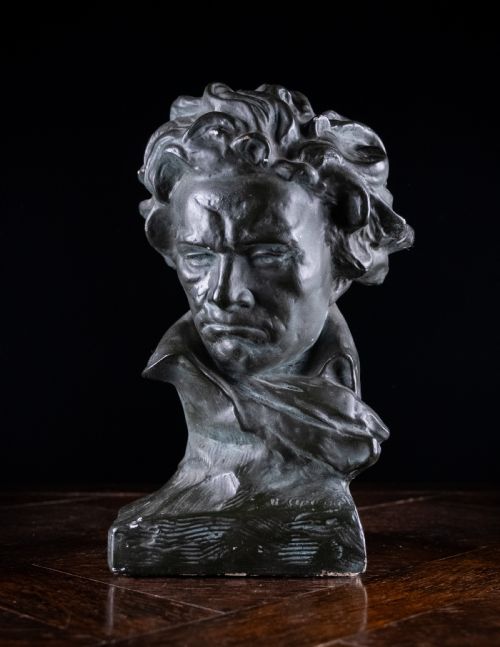
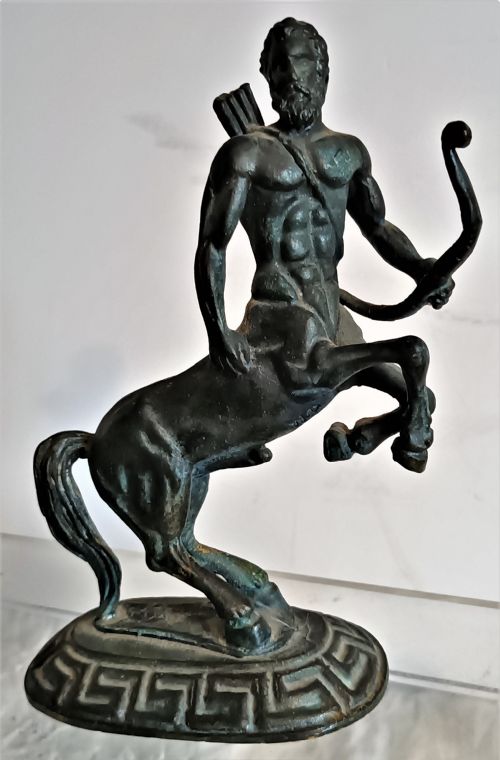
Green patinated bronze objects encompass sculptures, ritual vessels, table lamps, and architectural ornaments spanning multiple centuries of craftsmanship. When examining green patinated bronze on this page, buyers frequently encounter 19th-century Grand Tour souvenirs, French figures, and Art Deco decorative works.
The selection ranges from ancient-style Chinese vessels and Tibetan shrines to European figurative bronzes mounted on marble or onyx bases. Each piece reflects the aesthetic priorities of its specific period, moving from neoclassical revivals to the streamlined geometries of the early twentieth century.
Makers and foundries utilised this distinctive surface treatment to emulate the appearance of buried antiquity or coastal weathering. The resulting finish provides a visual bridge between the raw metal substrate and the natural oxidation of ages past.
Materials and methods
Makers utilised copper alloys combined with tin to cast durable forms, employing traditional lost-wax or sand-casting techniques. These methods allowed founders to capture fine details in figures, vessels, and intricate lamp bases.
The characteristic green patination was achieved through chemical application or natural atmospheric exposure over time. Artisans enhanced these surfaces with painted highlights, verdigris effects, or polished highlights on high points to accentuate the underlying relief.
Many sculptures incorporate secondary materials such as marble, onyx, or brass to provide structural stability and visual contrast. These stone bases often date from the same period as the bronze casting, particularly in Grand Tour and Art Deco commissions.
Sleep, dream, and wake through bronze deities, sleepy fauns, and figures of the god Hypnos cast in metal.
Evaluating the work
The integrity and depth of the green patination significantly influence the visual success of the piece. Skilled application creates tonal variation that mimics natural age, whereas inferior treatments present a flat, uniform layer that obscures the metal beneath.
The quality of the mountings and associated materials, such as integrated marble or onyx plinths, indicates the original tier of production. Well-fitted stones and secure fixings demonstrate a cohesive workshop standard from the date of creation.
Josef Lorenzl·Emile Carlier·Henry Wissen Senior·P. Sega·Antoine L Barye·Rene Andre Varnier·Willems·Lefebvre·Elizabeth Anna Clapp
The Green Patinated Bronze Glossary
- Patination
- The chemical or natural coloration developed on the surface of bronze over time. This process creates the characteristic green hues associated with antique metalwork.
- Grand Tour
- A cultural journey undertaken by European elites in the 18th and 19th centuries, resulting in the acquisition of miniature bronze copies of classical antiquities.
- Lost-wax casting
- A metalworking method where a wax model is rendered in a mould and replaced with molten bronze. This technique permits intricate undercut details.
- Spelter
- An alloy of zinc and other metals utilised as a cheaper alternative to bronze. It frequently appears in decorative figures from the Art Deco period.
- Verdigris
- A green pigment or crust formed on copper, brass, or bronze surfaces through oxidation. It serves as both a natural weathering effect and a deliberate applied finish.
Green Patinated Bronze: Frequently Asked Questions
What is green patinated bronze?
Green patinated bronze refers to copper alloy metalwork that has developed or received a green surface coating through chemical treatment or age.
This finish mimics the ancient oxidation found on archaeological artefacts and classical sculptures.
How do I identify a Grand Tour bronze?
Grand Tour bronzes are typically smaller scale copies of ancient statues acquired by travellers during 19th-century European tours.
They often feature characteristic green patination and sit on marble or slate bases.
What is the difference between bronze and spelter?
Bronze is a durable copper and tin alloy capable of holding sharp, fine casting details over centuries.
Spelter is a softer zinc-based metal frequently utilised for decorative figures in the early 20th century.
How should I clean antique bronze?
Antique bronze requires minimal intervention to preserve the original patination developed over its lifetime.
Dusting with a soft, dry cloth is usually sufficient; abrasive cleaners will damage the surface finish.