
Antique Male Figure
An antique male figure captures the human form through centuries of sculpture, painting, and drawing.
Antique Male Figure
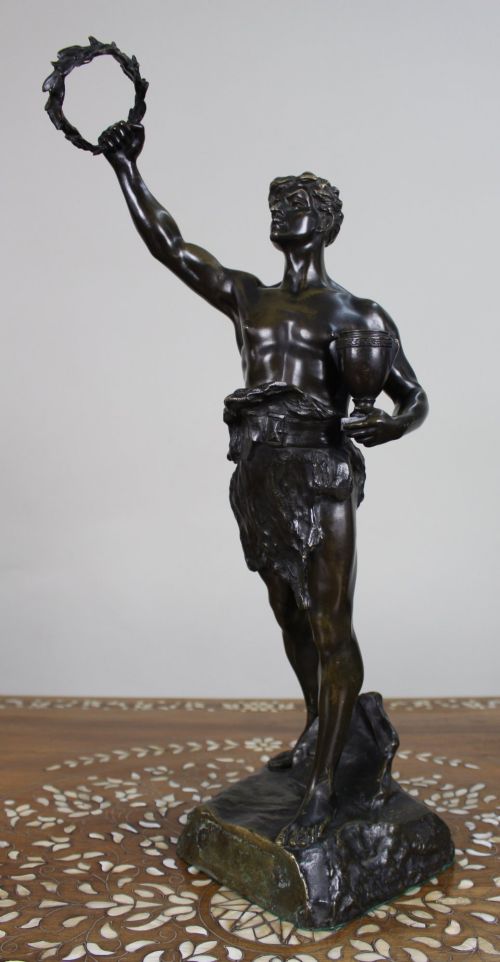
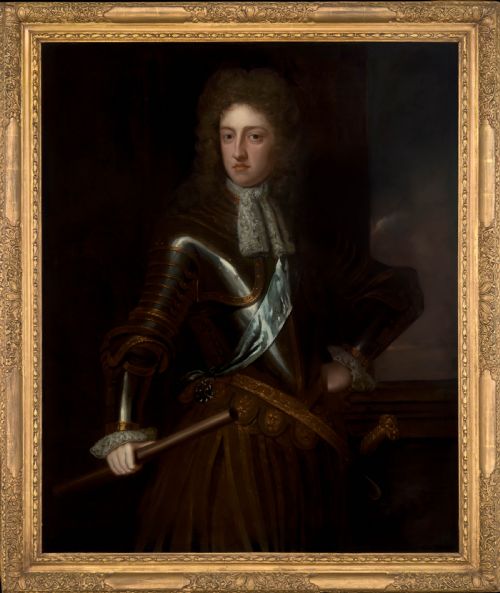
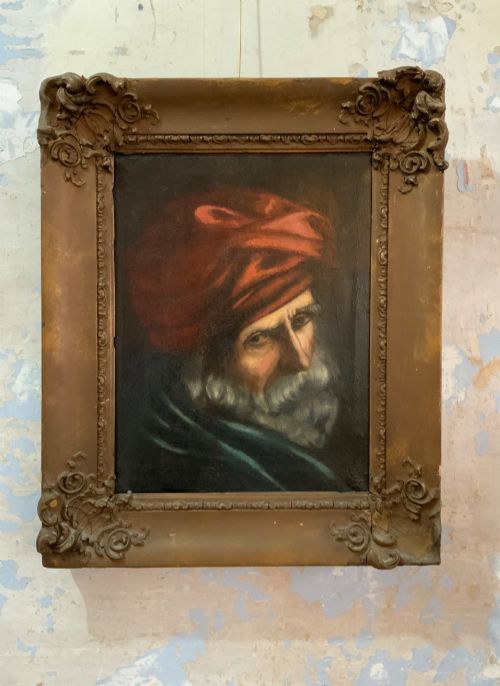
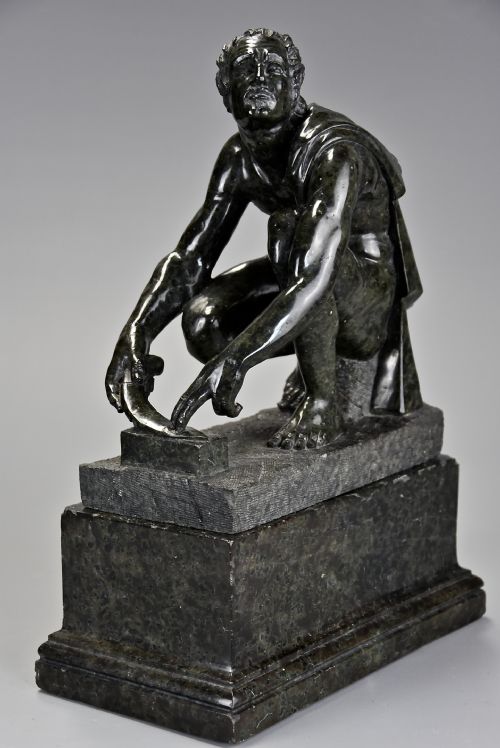
The antique male figure encompasses a diverse range of artistic expressions, including cast bronzes, oil paintings, academic drawings, and carved wood or stone sculptures. These pieces span from the seventeenth century through the early twentieth century, reflecting shifting aesthetic ideals across European traditions.
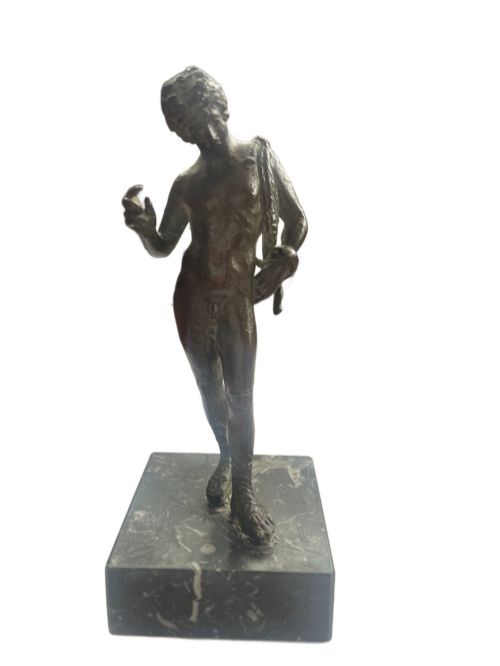
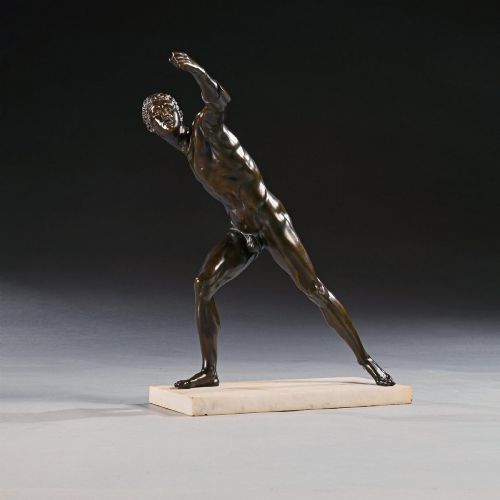
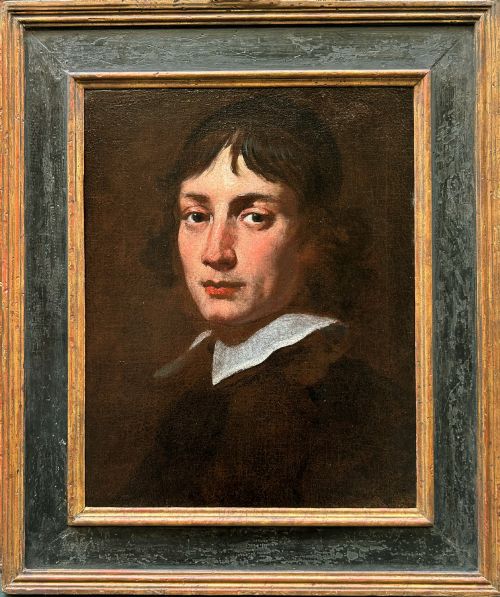
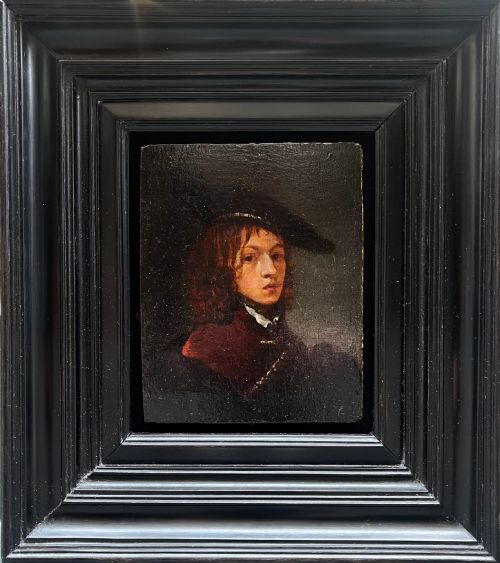
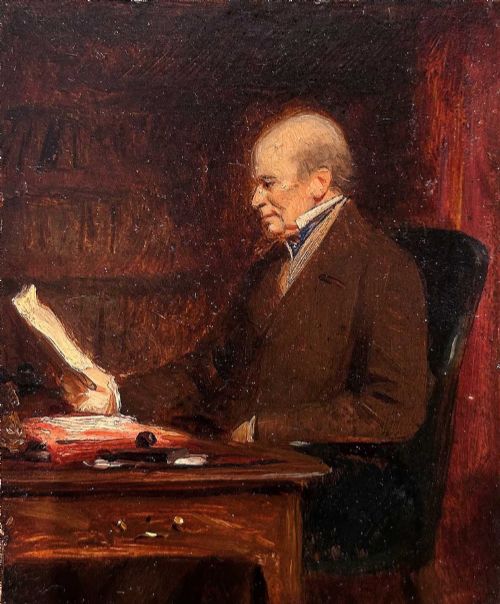
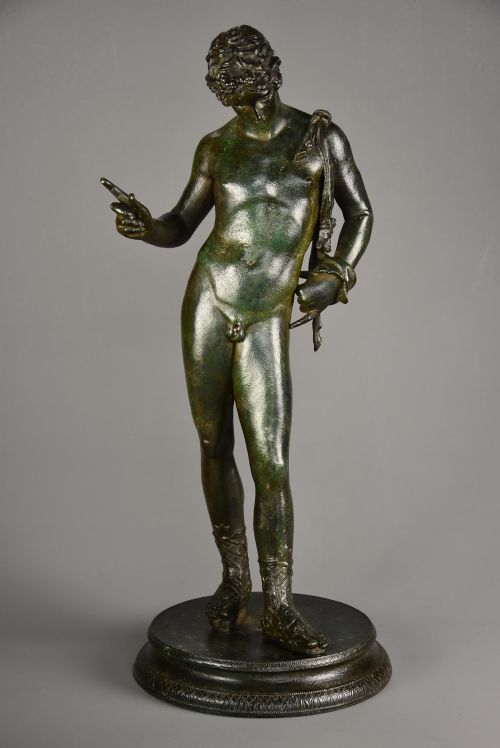
Grand Tour bronzes and academic life studies dominate the selection, often depicting classical heroes, mythological subjects, or formal portraits. Buyers frequently encounter nineteenth-century interpretations of ancient prototypes alongside portraiture from earlier eras.
The materials and mediums vary widely, incorporating cast metal with patination, canvas and panel paintings, graphite and charcoal drawings on paper, and carved porcelain or plaster. Each medium reveals the specific technical standards of its period.
Materials and Technique
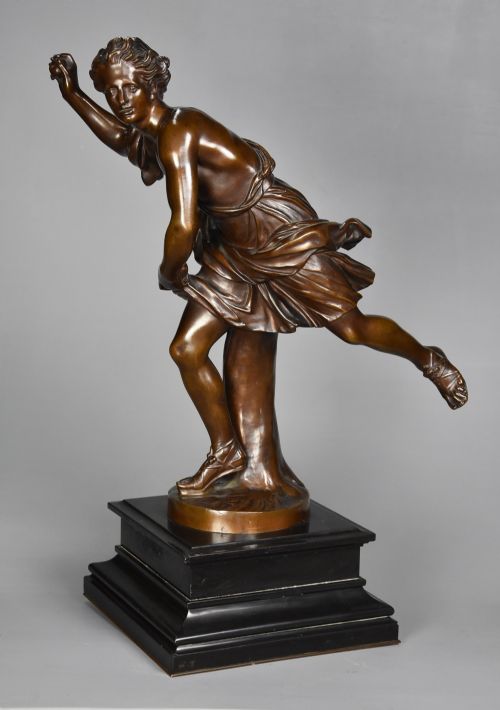
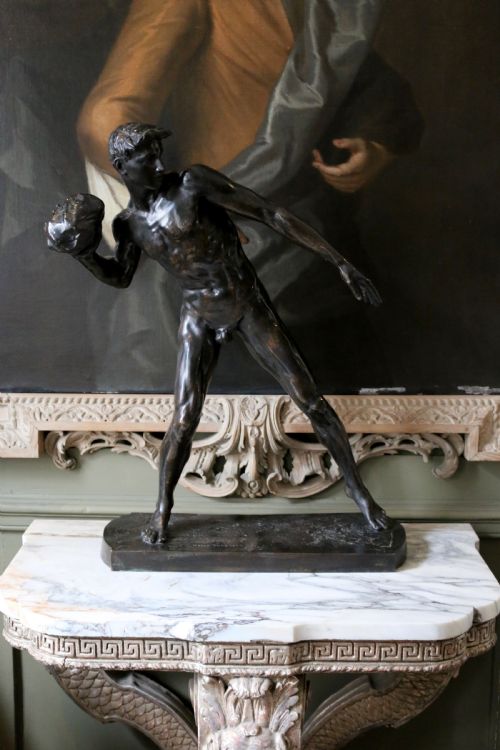
Bronze sculptures are typically produced via the lost-wax casting method, allowing for intricate detail before receiving chemical patination or verdigris finishes. Many of these metal pieces incorporate marble or slate bases to support their weight.
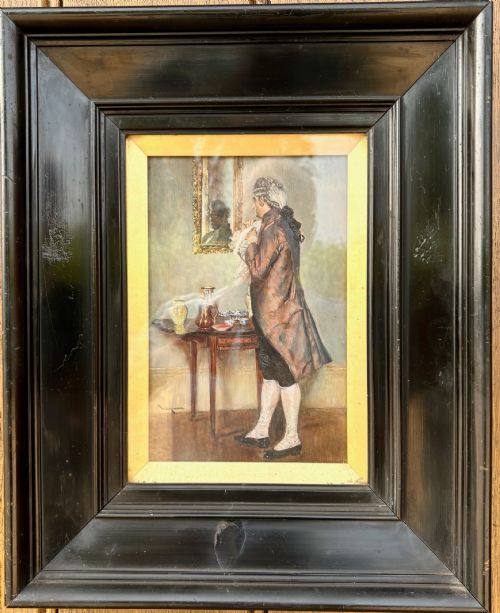
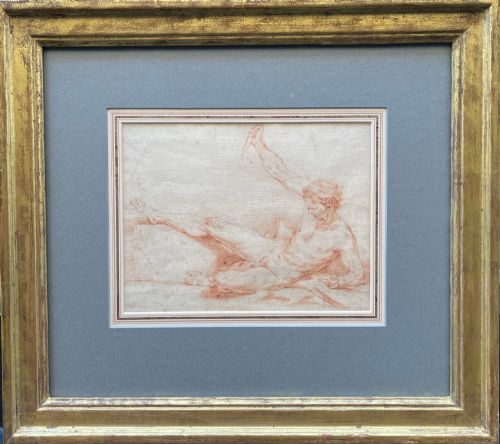
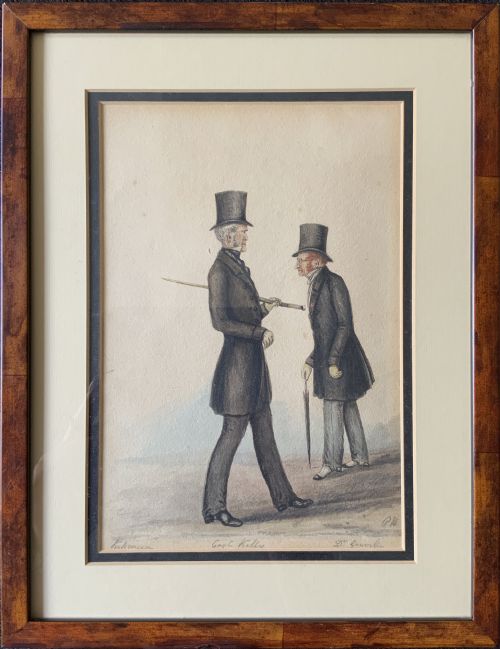
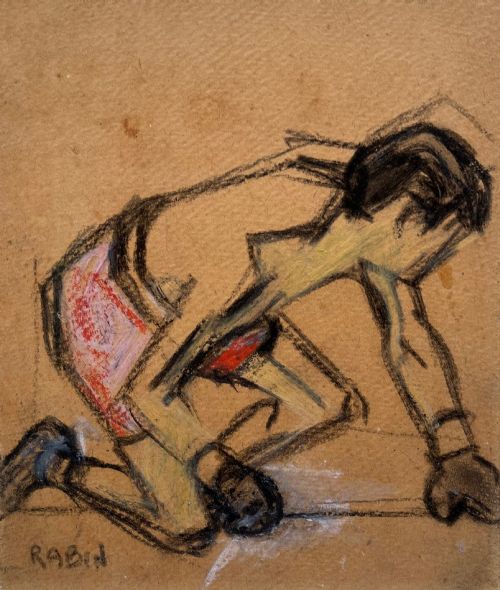
Two-dimensional works rely on oil paint applied to canvas or wood panel, as well as graphite, chalk, and watercolour on paper. Draftsmanship in the academic tradition prioritises anatomical accuracy through rigorous life studies.
Carved works utilise dense materials such as oak and marble, shaped with chisels and rasps to define musculature and drapery. Slip casting appears in later ceramic and plaster production, replicating fine sculptural models for broader distribution.
Several figures are caught mid-motion, proving that even heavy bronze men occasionally enjoy playing tennis or sharpening knives.
Craftsmanship and Execution
The refinement of anatomical rendering and surface chasing separates superior works from standard production pieces. Master foundry casts and original academic drawings display precise muscle definition and subtle tonal gradations that lesser copies omit.
The distinction between an artist's original composition, a signed foundry edition, and a generic souvenir dictates the standing of a piece. Signed bronzes from established foundries and documented paintings by recognised masters command greater attention than unsigned tourist items.
Sir Godfrey Kneller·Barbedienne·Hamo Thornycroft·Jules Dalou·Friedrich Goldscheider
The Antique Male Figure Glossary
- Grand Tour
- A cultural journey undertaken by wealthy young Europeans to visit continental art sites, inspiring the creation of small-scale bronze copies of classical antiquities.
- Patination
- The chemical treatment or natural ageing process that colours the surface of metal sculptures, ranging from deep brown to bright green verdigris.
- Academic Realism
- A style of painting and sculpture produced under the influence of European academies of art, emphasising traditional techniques, mythological themes, and precise anatomical study.
- Grisaille
- A painting executed entirely in shades of grey or neutral monochrome, often used to simulate sculpture or as an underpainting for oils.
- Spelter
- An alloy of zinc and lead used as a less expensive substitute for bronze in nineteenth- and twentieth-century decorative figures.
Antique Male Figure: Frequently Asked Questions
What is a Grand Tour bronze?
A Grand Tour bronze is a small-scale replica of a classical statue, purchased by travellers in Italy during the eighteenth and nineteenth centuries as a memento of their travels.
These pieces were cast by local foundries in Naples or Rome, often mounted on marble or stone bases, and served as sophisticated decorative objects for European libraries and studies.
How do I identify an academic life study?
An academic life study is a drawing or painting executed from a live human model within a structured art school environment. They focus heavily on correct human anatomy and tonal shading.
These works frequently display grid lines, studio stamps, or signatures from the artist or institution, marking them as foundational training pieces rather than finished portraits.
What is patination on bronze?
Patination is the colouration of a bronze surface, achieved either naturally through environmental exposure or artificially through chemical application. Dark brown, black, and green are common tones.
Original patination protects the metal underneath and indicates the age and handling history of the sculpture, making its preservation important for collectors.
How should I display a heavy bronze figure?
A heavy bronze figure requires a stable, level surface capable of supporting considerable weight, such as a hardwood sideboard or a dedicated plinth. Wall mounting is unsuitable for these solid metal objects.
Placement should avoid direct sunlight and fluctuating humidity to protect both the metal's patination and any integrated stone or marble bases.