




Bronze Bacchus Statue
A bronze bacchus statue brings classical mythology into a room through cast metal figures of the wine god, satyrs, and putti.
Bronze Bacchus Statue
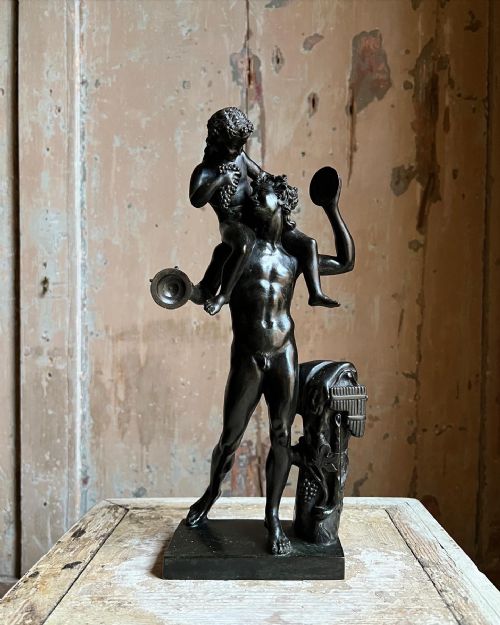
When you search for a bronze bacchus statue, you encounter sculptural works that draw directly on classical antiquity and the Grand Tour tradition. These pieces portray Bacchus, Dionysus, and associated mythological figures like satyrs, fauns, and putti, often engaging with grapes or wine vessels. The selection here spans the nineteenth and early twentieth centuries, capturing revivals ranging from French Neoclassical to Rococo and Grand Tour styles.
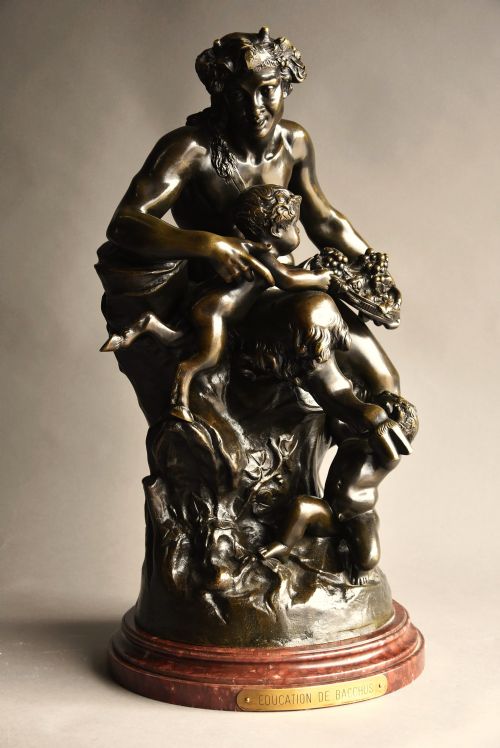
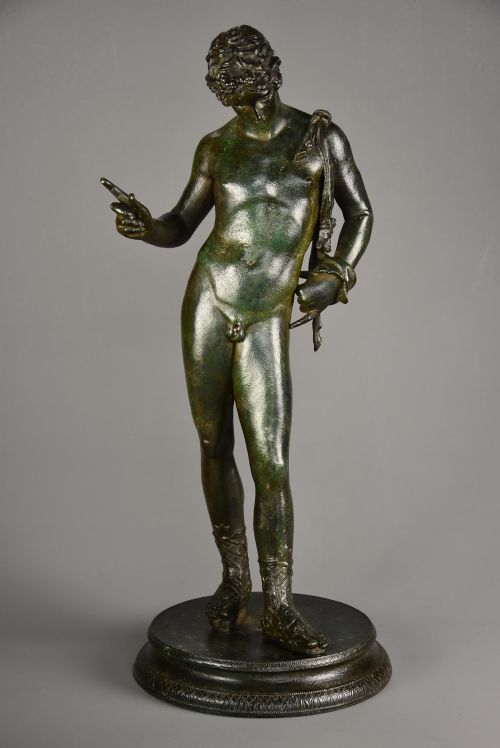
The forms vary from single standing figures to complex multi-figure groups. You will find interpretations copied from Pompeian originals, pieces after the antique, and works influenced by makers such as Claude Michel Clodion. These sculptures frequently sit upon integral or separate marble and stone bases, serving as decorative highlights that reflect centuries of European fascination with classical subjects.
Materials and methods
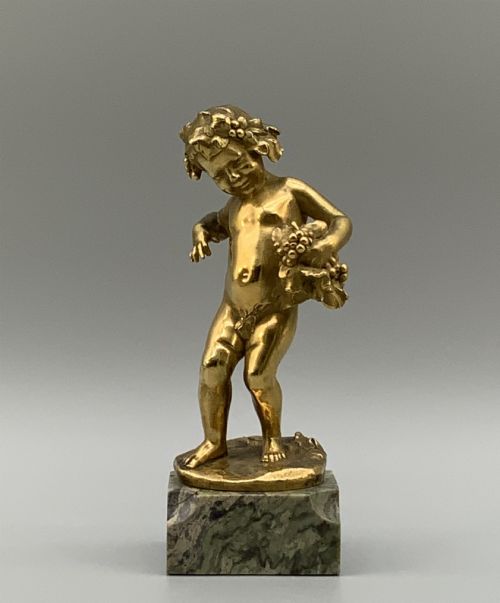
The works recorded here rely primarily on cast bronze, utilised alongside patinated bronze and gilt bronze. Metal is cast to capture complex anatomical details and flowing drapery, portraying hair, vine leaves, and grapes with physical depth. Artisans applied patination treatments, yielding surfaces with distinct dark tones or green patination that evoke excavated antiquities.
Many sculptures incorporate stone elements, mounting the metal castings upon marble or stone plinths. These materials provide stable weight and textural contrast to the metallic surface. The combination of cast bronze and polished or matte stone defines the physical presence of these nineteenth and early twentieth-century objects.
Several sculptures show the infant god happily consuming grapes, proving that mythic deities also appreciated a fruity snack.
Factors of quality
The sophistication of the composition also separates individual pieces. Multi-figure groups involving satyrs, maidens, and putti require intricate balancing of forms and dynamic interaction between the figures. The integration of the bronze casting with its marble or stone base further distinguishes standard decorative pieces from more ambitious sculptural interpretations.
Charles Louis Malric·Susse Frères·Claude Michel Clodian
The Bronze Bacchus Statue Glossary
- Grand Tour
- A traditional trip through Europe undertaken by upper-class young men to study classical art and architecture, which generated a vast market for portable antiquities and small-scale bronze copies.
- Patinated Bronze
- Bronze metal treated with chemicals or heat to produce a specific surface coloration, ranging from dark brown to green patination, which mimics the effects of age and burial.
- Gilt Bronze
- Metal that has been coated with a thin layer of gold or gold amalgam, producing a bright metallic finish that highlights decorative details.
- Putto
- A representation of a small human boy, frequently winged, appearing as an infant angel or spirit in classical and Renaissance art and often shown playing with grapes in these groupings.
- Neoclassical
- A style originating in the mid eighteenth century that drew inspiration from the art and culture of classical antiquity, focusing on proportion, order, and mythological subjects.
Bronze Bacchus Statue: Frequently Asked Questions
What is a Grand Tour bronze?
A Grand Tour bronze is a nineteenth-century souvenir or study piece cast after famous classical statues found in Italy and Greece. Wealthy travellers purchased these sculptures to bring classical culture back to their homes.
These pieces were produced in workshops across Europe, particularly in France and Italy, capturing the appearance of ancient sculpture on a smaller scale.
Where should I display a bronze sculpture?
These statues require stable surfaces such as desks, mantelpieces, or dedicated display tables where their weight and marble bases are fully supported. Position them away from direct sunlight and moisture to preserve the patination.
Allowing sufficient space around multi-figure groups lets you view the composition from multiple angles.
What does green patination mean?
Green patination is a surface treatment applied to bronze to simulate the natural oxidation that occurs when copper alloys are buried underground for centuries. Nineteenth-century founders often recreated this effect to make modern castings resemble excavated antiquities.
This coloration is intentional and forms an integral part of the aesthetic of Grand Tour bronzes.
Are these pieces original antiques?
The sculptures listed originate from the nineteenth and early twentieth centuries, representing historical revivals of classical themes rather than pieces from ancient Greece or Rome. They are period works created during the height of the Grand Tour and Neoclassical revivals.
Each piece reflects the casting techniques and artistic interpretations of its specific nineteenth or early twentieth-century era.