





Chinese Bronze Lamp
A chinese bronze lamp brings weight and cast-metal texture to a room, combining oriental form with functional lighting.
Chinese Bronze Lamp
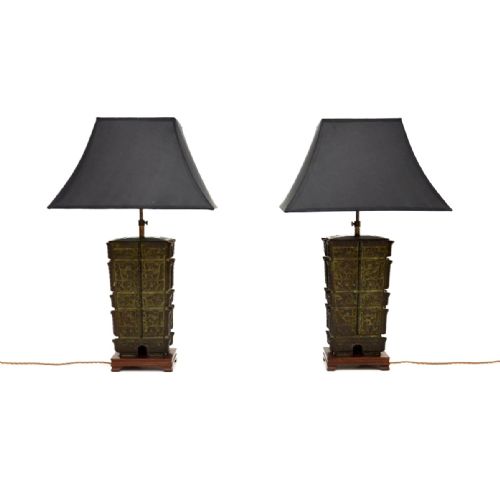
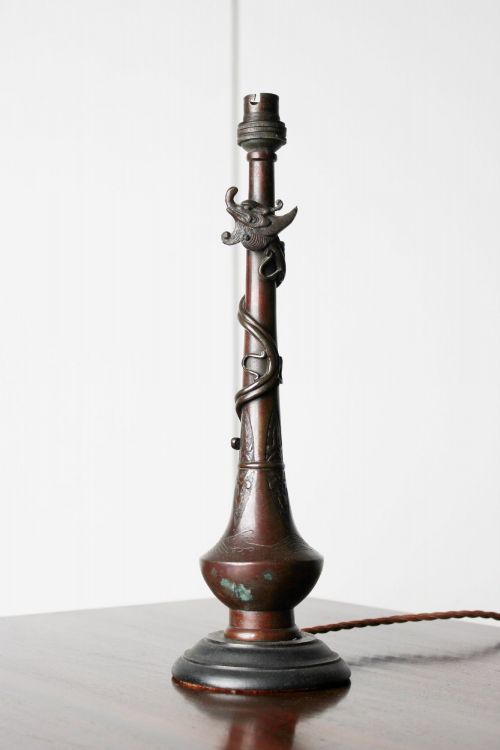
A chinese bronze lamp takes several distinct forms on this page, appearing as heavy metal table lamps or as converted vessels mounted for illumination. The selection spans the 18th century, the 19th century, and the early 20th century up to 1930, capturing periods such as the Edwardian era and Victorian times. Many examples bridge eastern manufacture and western adaptation.
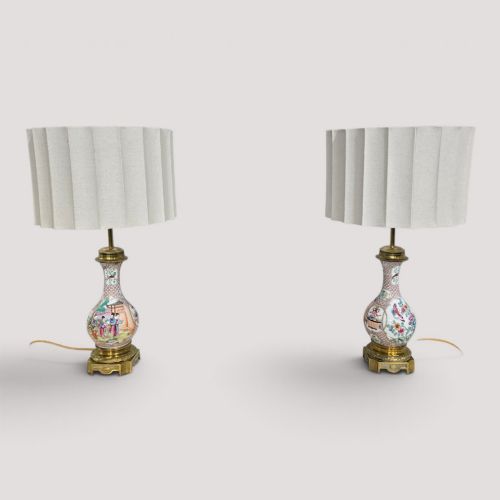
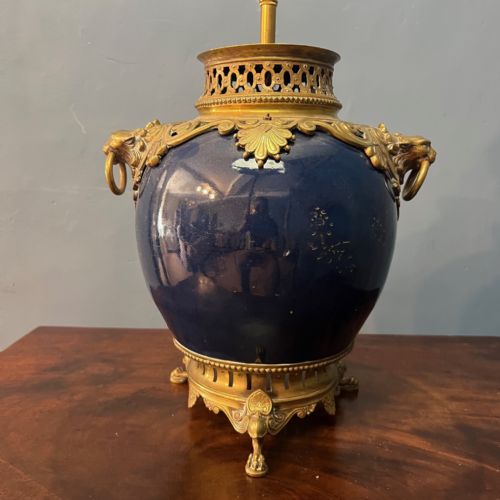
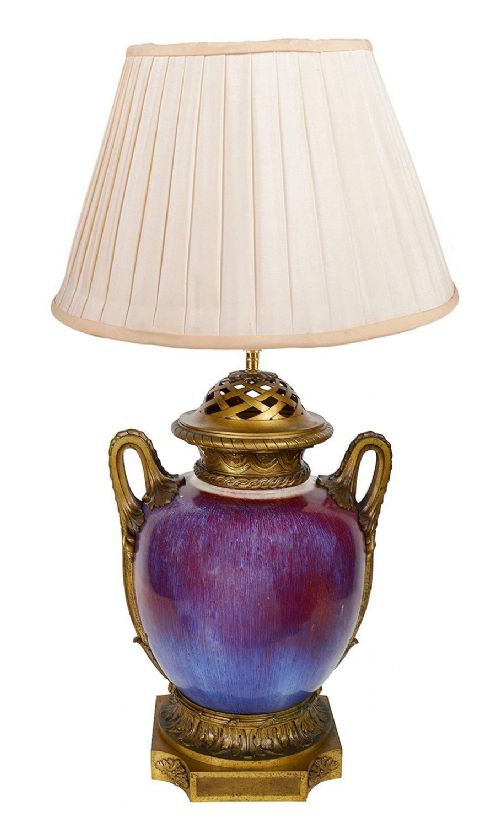
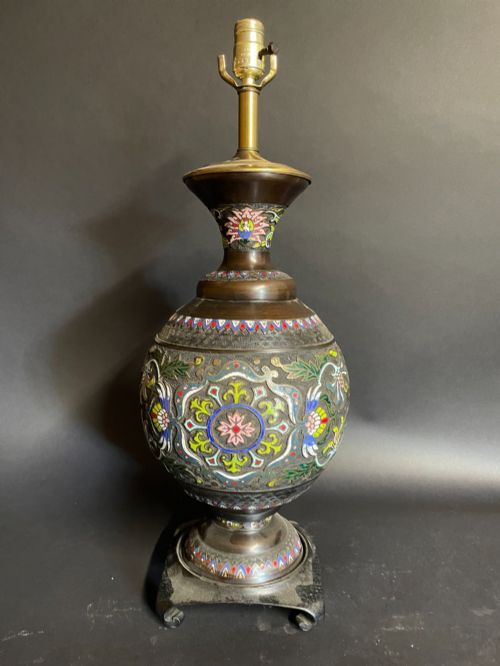
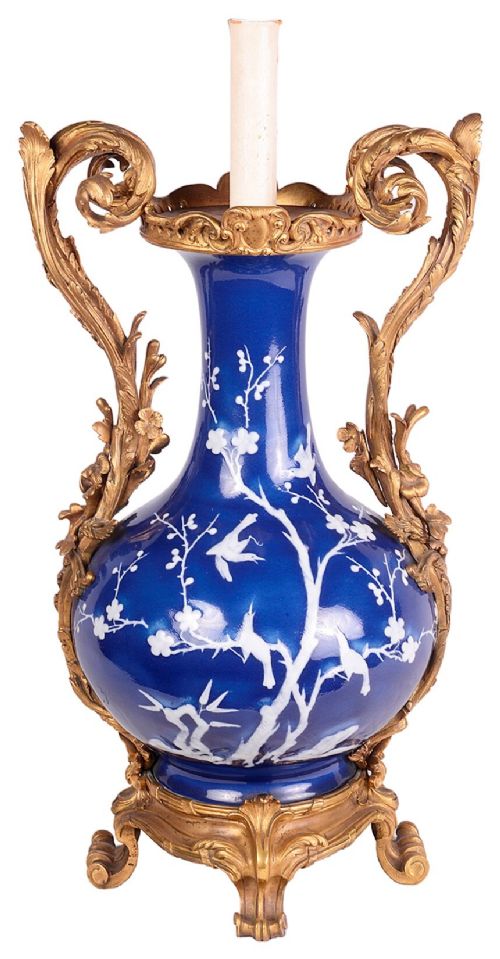
Vessels transformed into lamps form a substantial part of the offering, utilising porcelain bodies alongside cast metal. These include cloisonné, celadon, sang de boeuf, rose medallion, and blue and white porcelain vases fitted with mounts. The resulting pieces reflect stylistic currents from Qing Dynasty aesthetics to French Chinoiserie and Chinese archaistic designs.
Materials and construction
Metal components rely on bronze, brass, gilt bronze, ormolu, and patinated white metal, shaped through casting and patination. These metal elements provide structural integrity and decorative bases or collars for the bodies. Artisans applied gilding and chased surface details to accentuate the contours of the metalwork.
Ceramic bodies incorporate porcelain with enamel decoration, cloisonné work, and glazed surfaces in celadon or monochrome tones. Mounts in ormolu and gilt bronze secure these porcelain vases, uniting ceramic bodies with metal fittings to create stable lighting fixtures.
Chinese Bronze Lamp Retail Price Guide 2026
Typical asking prices for chinese bronze lamp among the pieces listed under this phrase on Sellingantiques today, from the lower quarter to the upper quarter. They describe what is for sale here now, not the wider market.
Listings feature items from the 18th century, 19th century, and 1930, utilising materials including bronze, ormolu, porcelain, cloisonné, and fabric.
Distinctions in quality
Quality rests on the precision of the metal casting and the crispness of the chased ormolu mounts. Finer pieces demonstrate careful integration between the metal collar and the ceramic or bronze body, ensuring the mount sits flush and secure without disturbing the vessel.
The finish of the patination and the depth of the enamel work on porcelain elements separate standard examples from superior ones. Hand-painted detail on famille rose, rose medallion, and cloisonné surfaces displays varying degrees of painterly skill and line control.
The Chinese Bronze Lamp Glossary
- Ormolu
- Gilt bronze mounted on decorative objects and furniture. This technique involves applying a gold-mercury amalgam to a bronze base.
- Cloisonné
- Enamelling technique where thin metal strips are soldered to a base to form compartments filled with paste. Firing produces a coloured glass design.
- Celadon
- Pale green glazed ceramic originating in China. The soft jade-like colour results from iron oxides in the glaze reacting during kiln firing.
- Sang de boeuf
- Rich red ceramic glaze developed in China, translating as ox-blood. The deep crimson tone arises from copper reduction firing.
- Chinoiserie
- European interpretation and imitation of Chinese artistic traditions. This decorative style appeared across furniture, porcelain, and metalwork in various periods.
Chinese Bronze Lamp: Frequently Asked Questions
Are these lamps converted from old vases?
Many examples are indeed antique vases or vessels that have been fitted for electricity at a later date. This method of conversion allows historic porcelain and bronze to function as modern table lamps.
The mounts and hardware added during conversion often reflect 19th century or early 20th century European wiring practices and decorative tastes.
How do I identify the period of a lamp?
Dating relies on examining the materials, the style of the mounts, and the characteristics of the ceramic body or bronze casting. Labels or period references such as Edwardian or Victorian provide a baseline for the age of the mounts and wiring.
Changes in patination and manufacturing techniques across the 18th, 19th, and early 20th centuries also help distinguish the era of manufacture.
What is the difference between bronze and ormolu?
Bronze is a copper and tin alloy used to cast the main body or structural parts of the lamp. Ormolu specifically refers to cast bronze that has been gilded with a gold finish.
On these lamps, ormolu is frequently used for decorative mounts, handles, and bases that clasp or frame the porcelain bodies.
How do I care for a bronze and porcelain lamp?
Dust metal surfaces gently with a dry, soft cloth to prevent the accumulation of grime on the bronze or ormolu. Avoid harsh chemical cleaners that can strip patination or damage gilt surfaces.
Porcelain sections tolerate light cleaning with a damp cloth, provided care is taken around electrical components and vintage fittings.