


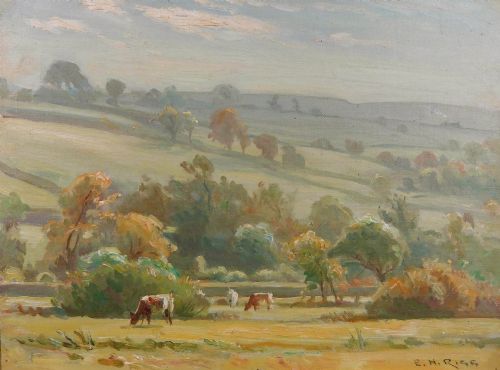
Green Pastoral Landscape Painting
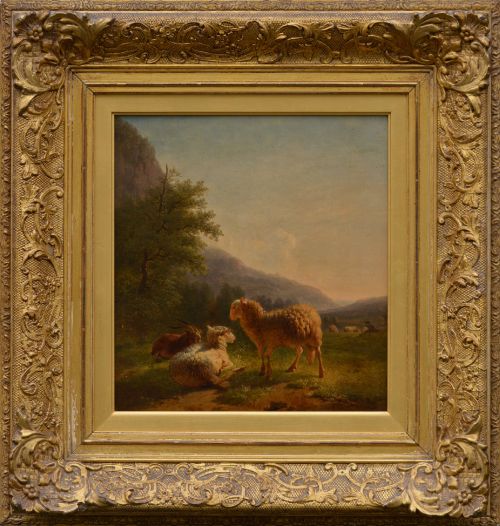
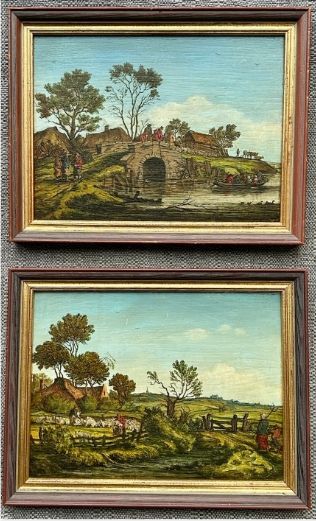
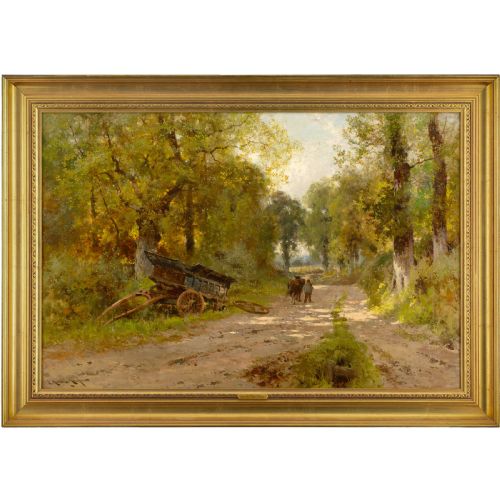
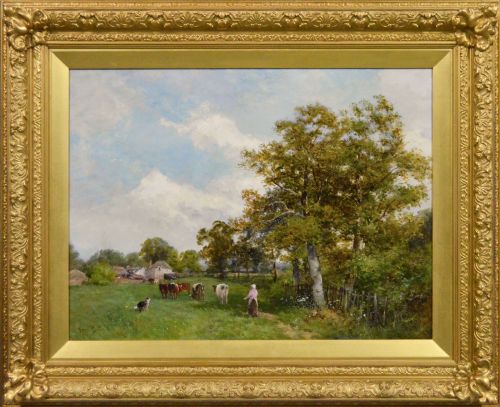
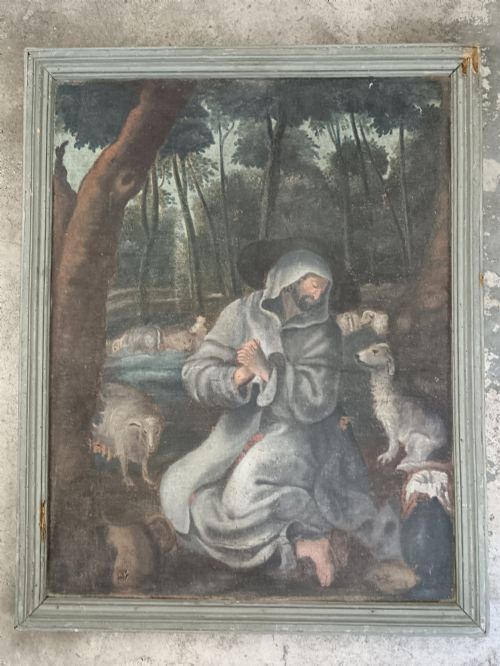
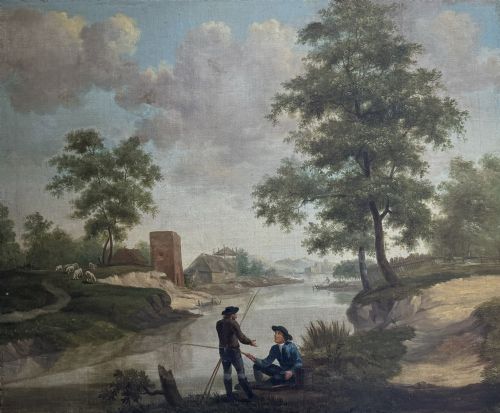
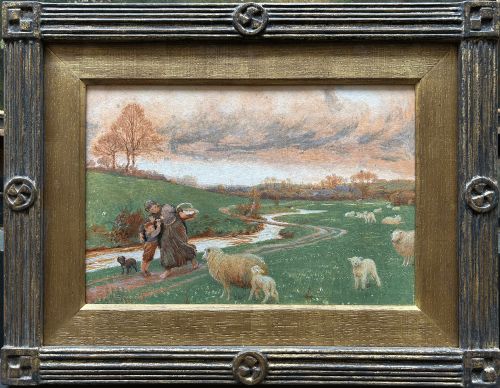
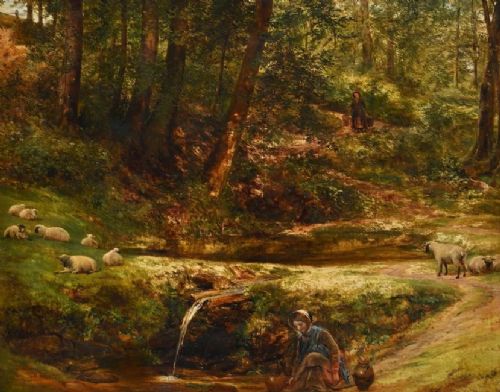
A green pastoral landscape painting captures quiet rural life, bringing cows, shepherds and riverbanks into the room with oil and watercolour.
Green Pastoral Landscape Painting
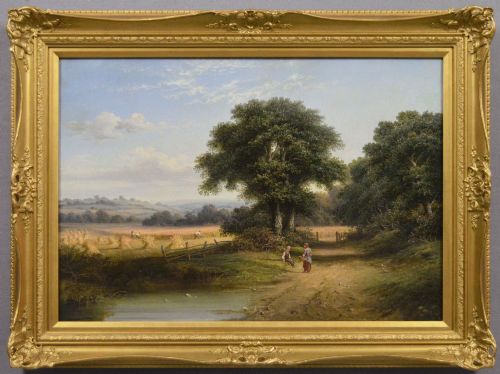
A green pastoral landscape painting portrays the countryside through scenes of livestock, rivers and rural workers. The selection on this page spans from the nineteenth century into the twentieth century, taking in Victorian and Edwardian works alongside British, Scottish and continental European examples.
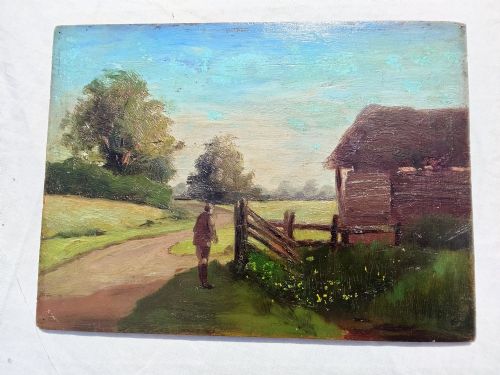
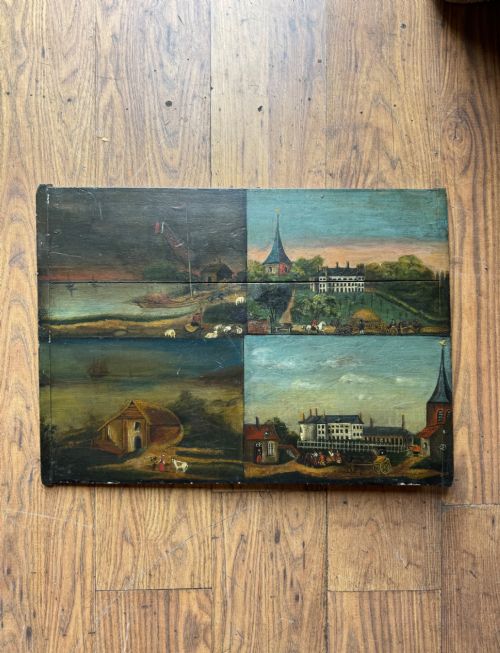
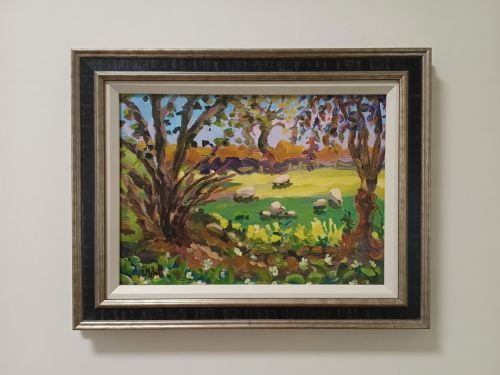
Most pieces show familiar rural pursuits such as cattle grazing, sheep resting and figures near harvest fields. Buyers meet framed watercolours on paper and oil paintings executed on canvas, wood panels and wooden boards.
Schools such as the English School and British Impressionism dominate the selection, alongside provincial naive folk art and pastoral realism. The subjects concentrate on quiet rural harmony rather than dramatic historical events.
How they were made
Artists painted primarily with oil paint or watercolour, applying pigment to prepared canvas, sturdy wood panels, wooden boards or paper. Oil paintings often retain heavy brushwork and textured surfaces, while watercolours rely on delicate washes across paper.
Many works sit within original or period frames constructed from giltwood and gesso, which provide structural support and a decorative border. Wood panels offered a rigid alternative to canvas for artists working on smaller or more detailed compositions.
The listings here include works from the Victorian and Edwardian periods, executed in oil and watercolour on canvas, wood and paper.
What varies in quality
Quality rests in the handling of light, the naturalism of animal and human anatomy, and the balance of the composition. Stronger works demonstrate confident brushwork and careful observation of atmosphere, whereas simpler pieces rely on formulaic arrangements.
The sophistication of the framing and the specific school or provenance also separate individual works. Signed pieces by recognised nineteenth and early twentieth century painters stand apart from unsigned or provincial folk art.
Eugène Verboeckhoven·William H Myers·GEORGE GRAHAM·Tom Campbell·W Klombeck·John Horace Hooper·David Bates·Walter Heath Williams·Lucy Pratt·Ernest Higgins Rigg·George Oyston·Frederick James Kerr·Robert Watson·Russell Sidney Reeves·Johann Friedrich Voltz·Henry H Parker·George Morland·Philip Richard Morris·Oswald Garside·Margaret Maitland Howard·William Henry Mander·Thomas Sidney Cooper·Franz van Severdonck·John Sanderson Wells·HENRY JOHN KINNAIRD
The Green Pastoral Landscape Painting Glossary
- Oil on Canvas
- Pigment mixed with drying oil applied to stretched woven fabric. This combination allowed artists to build rich textures and deep colour layers.
- Watercolour Painting
- A work created using water-soluble pigments on paper. The medium produces translucent washes that let the bright surface of the paper reflect light through the colours.
- Gesso
- A paint mixture consisting of a neutral binder mixed with chalk, gypsum, or pigment. It served as a smooth preparation layer on wood panels and picture frames before gilding.
- Wood Panel
- A flat wooden board used as a rigid support for oil painting. Panels were popular for smaller scale works because they provided a stable surface that resisted sagging.
Green Pastoral Landscape Painting: Frequently Asked Questions
What subjects appear in these paintings?
These works focus on rural scenery, featuring grazing cattle, flocks of sheep, riverbanks, and figures working in harvest fields or near cottages.
Animals and shepherds appear frequently, reflecting a nineteenth and early twentieth century fascination with peaceful country life.
How do I care for an antique oil painting?
Keep the painting away from direct sunlight, high humidity, and rapid temperature changes to protect the canvas and wood support.
Dust the surface gently with a soft, dry brush and avoid using water or chemical cleaners on the paint or gilt frame.
How can I tell watercolours from oils?
Watercolour paintings use thin, translucent washes on paper and usually require protective glass inside the frame.
Oil paintings present a thicker, textured surface on canvas or wood, allowing the paint to catch the light without glass.
Where were these pastoral scenes painted?
The artists worked across British, Scottish, and European rural locations, capturing specific rivers, counties, and pastoral valleys.
Many pieces record recognizable rural landscapes in regions such as Berkshire, Buckinghamshire, Kent, and the Scottish Highlands.