
Green Ceramic Vessel
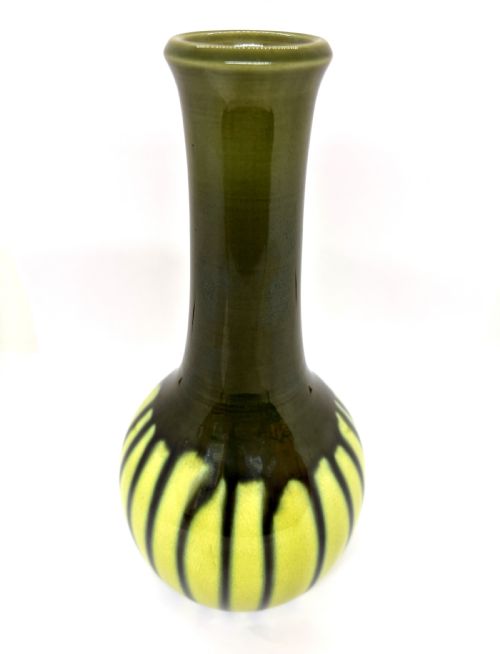
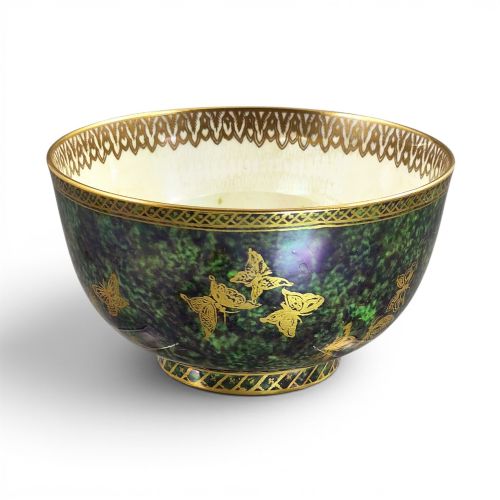
When you search for a green ceramic vessel, you find an eclectic range of vases, censers, bowls and jars spanning centuries of global pottery traditions.
Green Ceramic Vessel
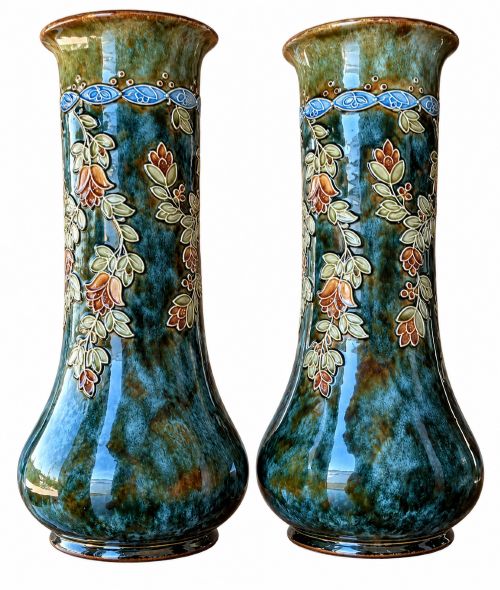
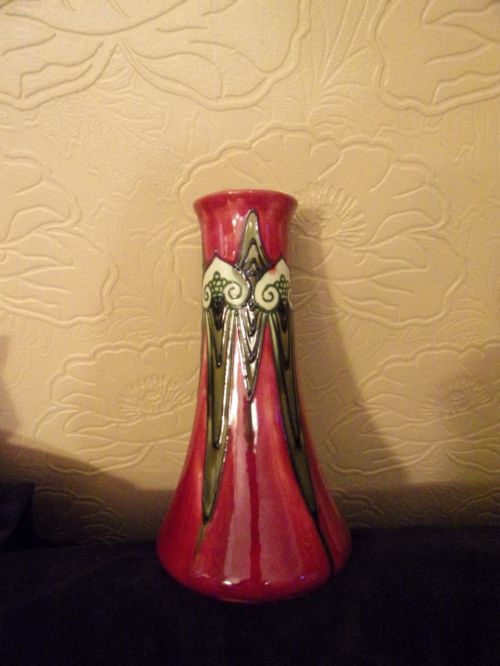
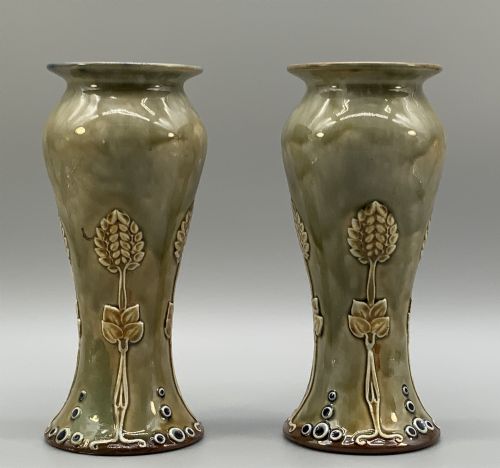
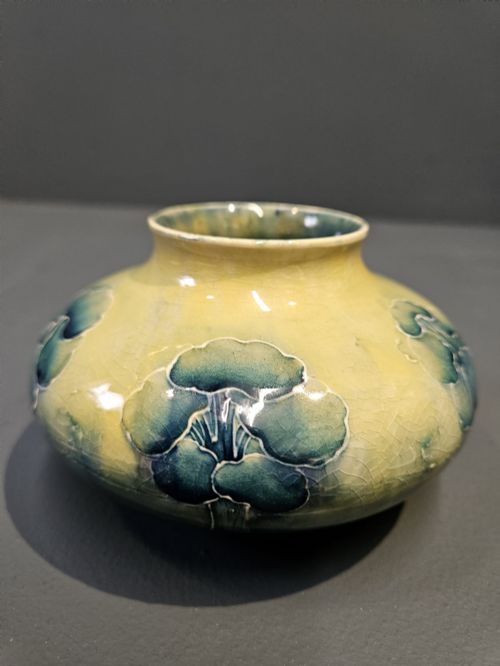
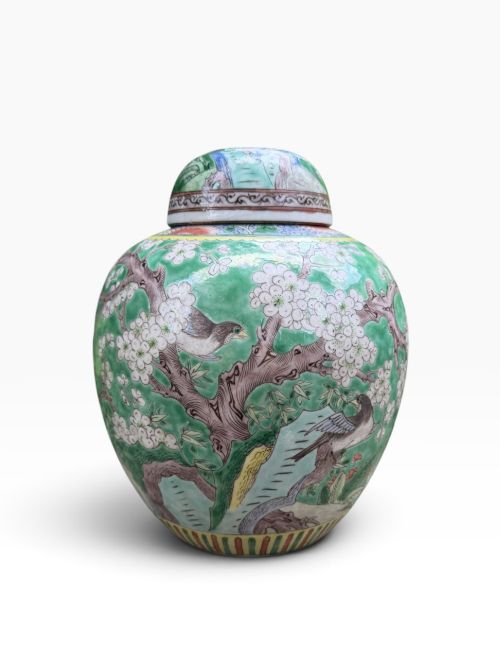
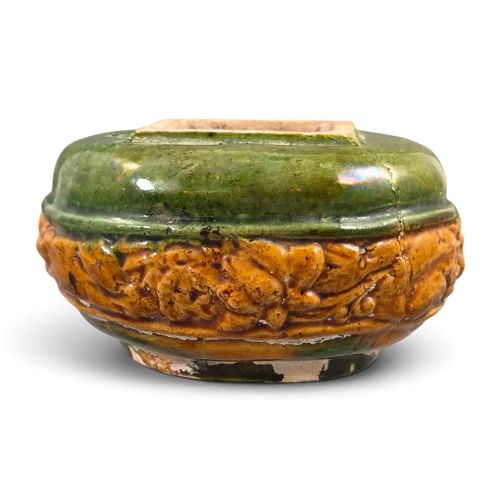
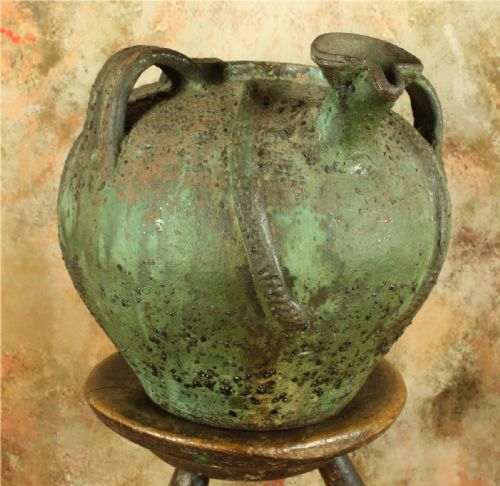
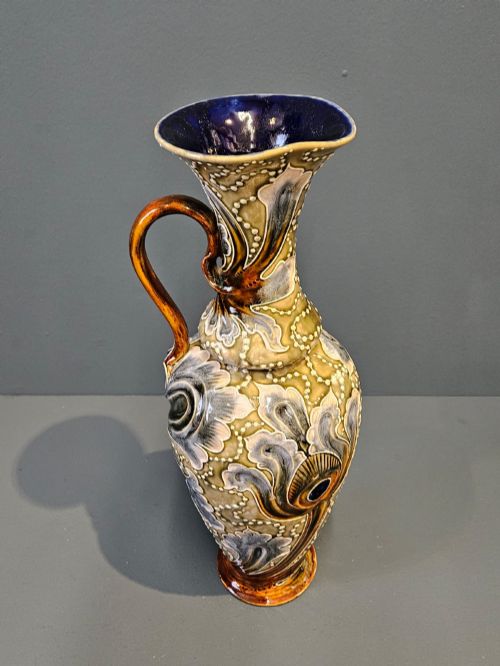
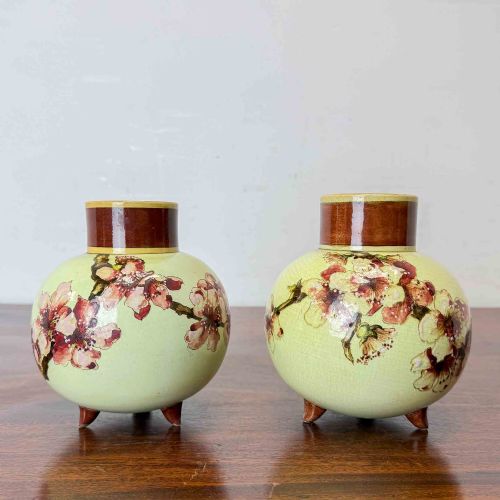
A green ceramic vessel encompasses utilitarian objects and decorative pieces, including apothecary jars, ginger jars, waterpots, ewers and incense burners. These items emerge from diverse contexts, ranging from European studio pottery and Victorian stoneware to ancient Chinese dynasties and Japanese works.
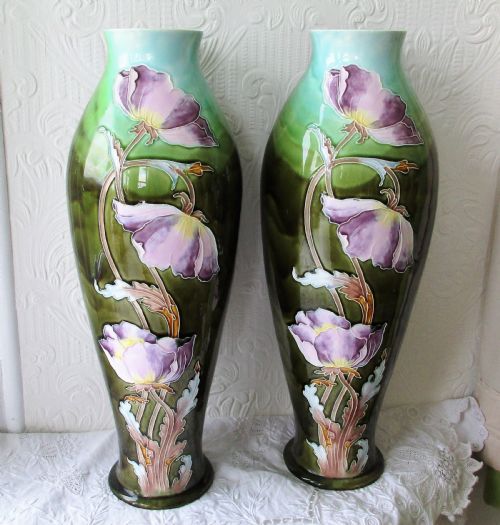
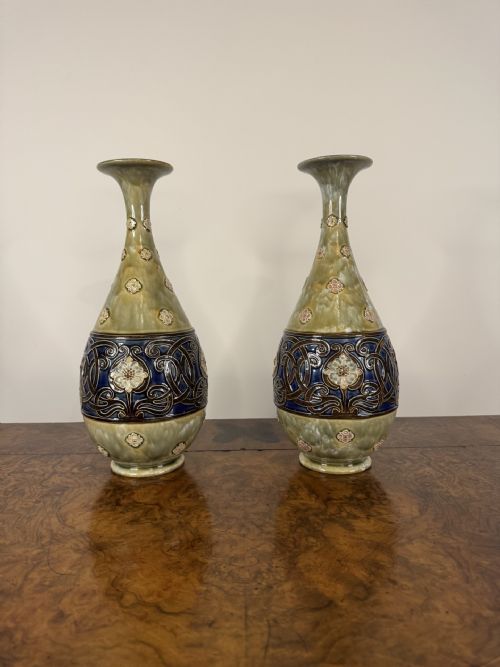
On this page, buyers most frequently encounter vases and decorative vessels shaped by movements such as Art Nouveau, Arts and Crafts, and traditional Asian periods like the Ming and Qing Dynasties. The forms span centuries, touching on the 18th, 19th and early 20th centuries alongside pre-16th century examples.
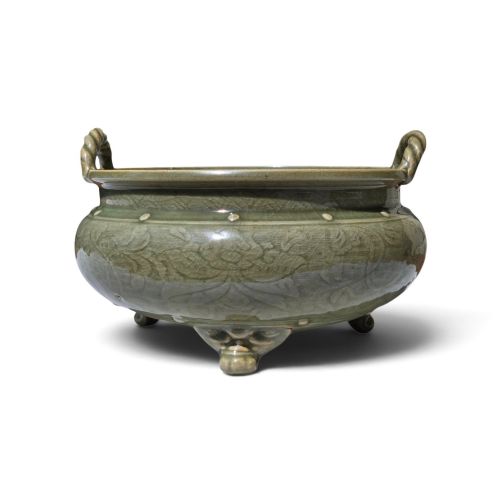
The practical functions of these items vary widely, stretching from scholar's water vessels and brush washers to confit jars, loving cups and ceremonial tripod censers. Each object carries the specific utility and aesthetic of its period of origin, united primarily by the presence of ceramic material and green glazes.
How they were made
Potters constructed these vessels using foundational materials such as earthenware, stoneware, terracotta and porcelain, shaping the clay by hand or on the wheel. Artisans applied specialised techniques to achieve specific structural forms, such as tube-lined designs or moulded bodies.
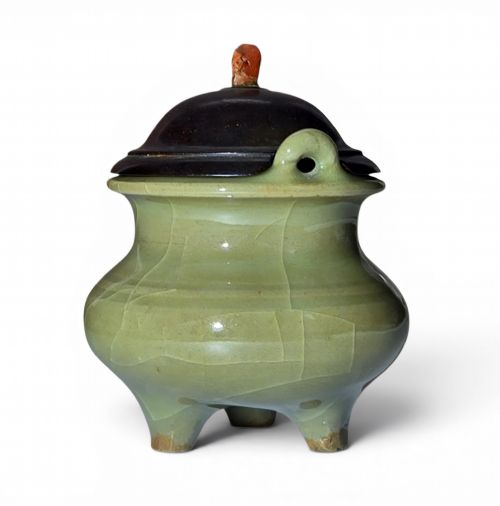
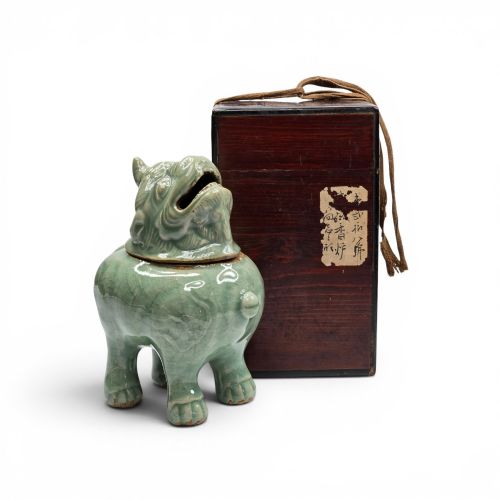
Surface treatments rely heavily on distinct glaze applications, including celadon glaze, tea dust glaze, enamel and gold leaf accents. Firing processes in kilns fused these glazes to the ceramic body, producing the characteristic green tones seen across the pieces.
Listings feature items from the Song, Ming and Qing Dynasties alongside 19th-century European studio pottery.
What varies in quality
Quality separates objects through the precision of the potter's form and the depth of the glaze, where complex finishes like celadon or tea dust require immense technical control. Pieces bearing recognised designer names or specific workshop attributions display a higher tier of artistic execution.
The refinement of painted details, tube-lined patterns or applied enamel work dictates the distinction between standard utilitarian wares and exceptional studio or imperial creations. Age and condition further influence the standing of a vessel within its historical category.
Royal Doulton Lambeth·Moorcroft·Burmantoft's Pottery·Makuzu Kozan·Sir Edmund Elton
The Green Ceramic Vessel Glossary
- Celadon glaze
- A pale green jade-like ceramic glaze originating in East Asia, prized for its subtle colour and smooth finish.
- Stoneware
- A robust, vitrified pottery fired at high temperatures, rendering it impermeable to liquids even without glaze.
- Earthenware
- Porous pottery fired at lower temperatures, typically finished with an opaque glaze or enamel for containment.
- Tripod censer
- A traditional vessel supported by three legs, historically utilised for burning incense during rituals or scholar pursuits.
- Tube-lined design
- A decorative ceramic technique where raised clay lines form compartmentalised cells to hold coloured enamel glazes.
Green Ceramic Vessel: Frequently Asked Questions
What is a celadon glaze?
A celadon glaze is a traditional green coating developed in ancient Asia, celebrated for its resemblance to jade.
The subtle shades result from iron oxides interacting within the kiln atmosphere during firing.
How were ancient incense burners used?
Incense burners served ritualistic, aromatic and meditative functions in scholar rooms and temples across various dynasties.
Their three-legged tripod designs ensured stability on tables or altars while distributing fragrance evenly.
What defines Art Nouveau ceramics?
Art Nouveau ceramics feature organic motifs, flowing asymmetrical lines and naturalistic forms inspired by plants and stems.
Potters often utilised tube-lining and specialised glazes to accentuate these fluid, botanical contours.
How do I care for antique pottery?
Antique pottery requires gentle handling and placement away from direct sunlight and sudden temperature fluctuations.
Dusting with a dry, soft cloth preserves the delicate glazes and historical surfaces without causing abrasion.