

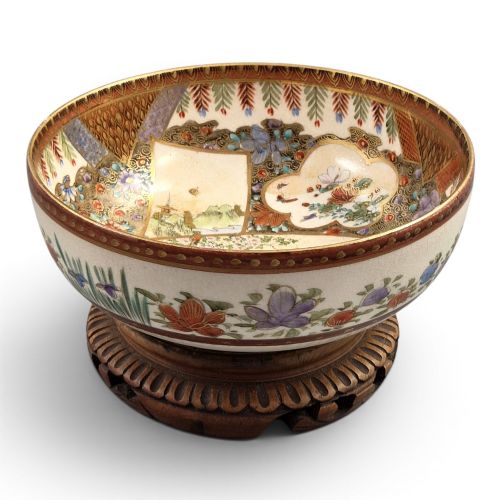


Decorative Porcelain Centrepiece
A decorative porcelain centrepiece anchors a room with colour and history, drawing the eye across bowls, baskets and urns crafted from the eighteenth century onward.
Decorative Porcelain Centrepiece
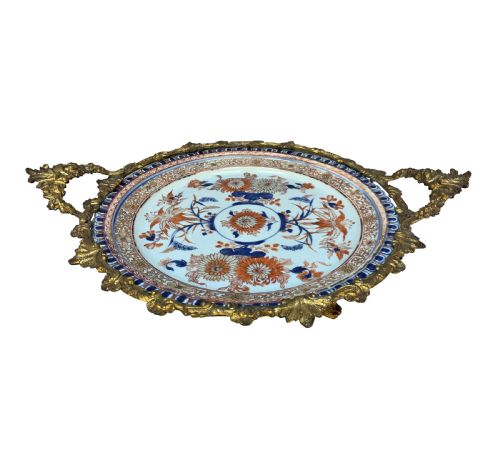
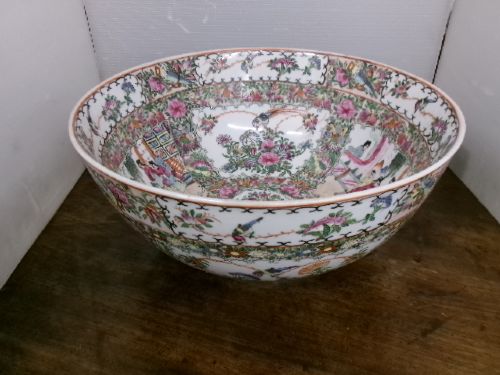
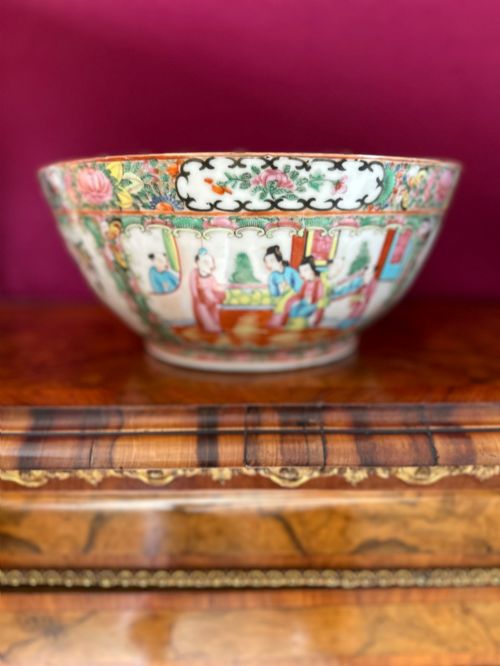
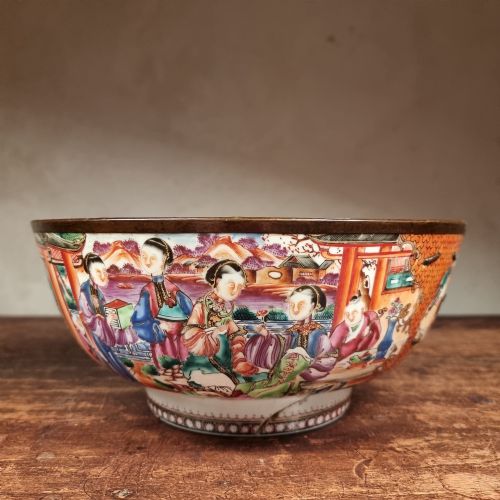
A decorative porcelain centrepiece typically takes the form of a large bowl, punch bowl, footed dish, or basket designed to command attention on a table or sideboard. These vessels arrive from diverse origins, encompassing Japanese Imari and Satsuma wares, Chinese Canton and Famille Rose pieces, alongside English and European factories.
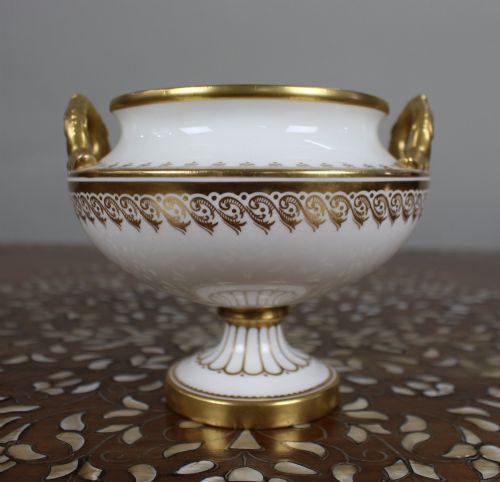
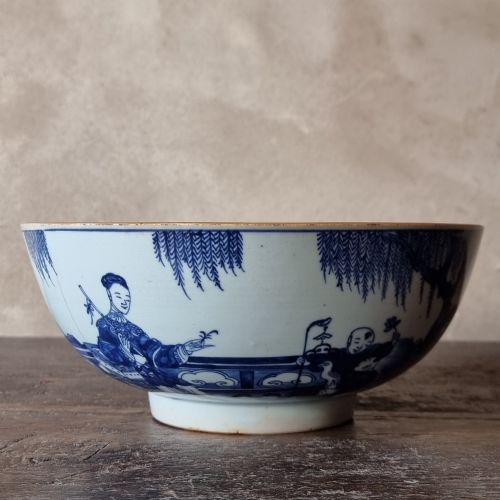
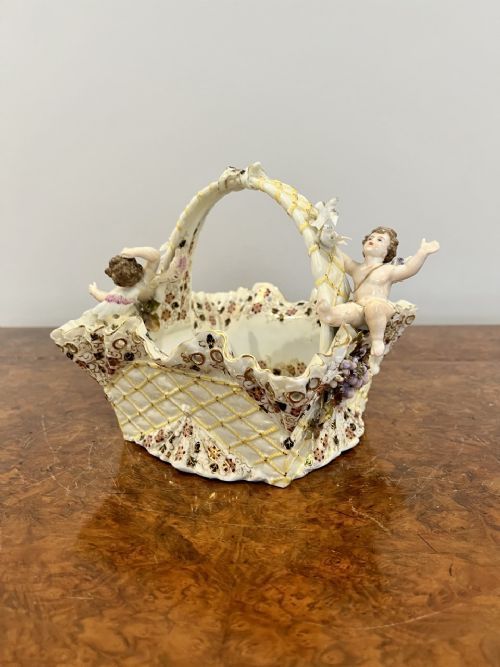
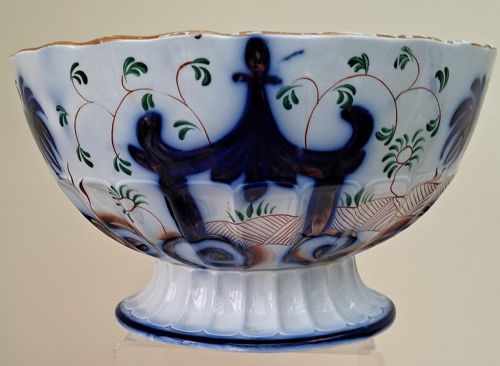
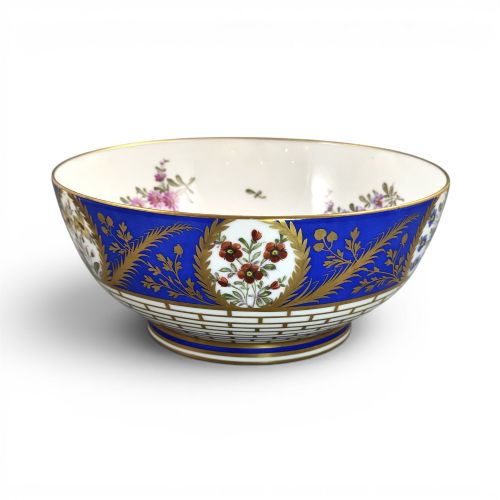
The versions most frequently met on this page span the nineteenth century and the Edwardian era, featuring scalloped edges, twin handles, and figural mounts. Buyers encounter everything from deep punch bowls decorated in cobalt blue and gilt to elaborate flower-encrusted baskets and urns.
Makers utilised these large formats to showcase intricate hand-painted motifs, landscapes, and patterns such as the Pagoda design or dense millefleur. Each piece reflects the aesthetic tastes of its period, shifting from oriental export styles to ornate Victorian and Art Nouveau creations.
Materials and Manufacture
Makers combined high-fired ceramic bodies with detailed hand-painting, layering cobalt blue, enamel colours, and gold leaf onto the white surface. Glazes provided a smooth, vitreous finish that protected the pigments during subsequent kiln firings.
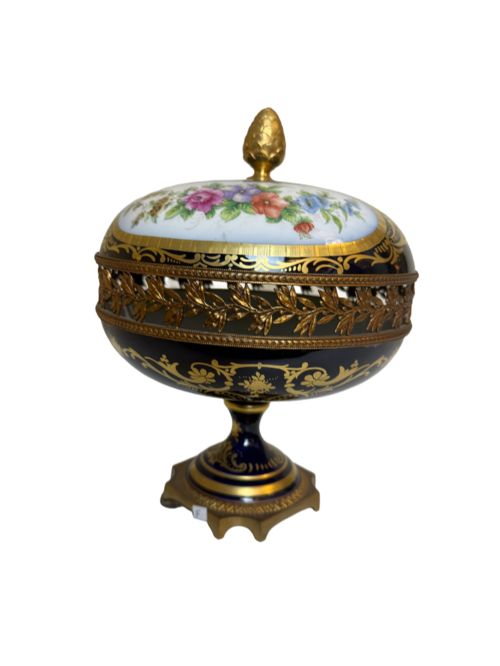
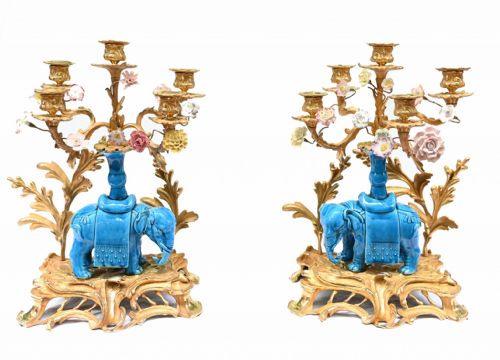
Many European and French examples incorporate cast or chased ormalu, gilt bronze, and champlevé enamel mounts that elevate the porcelain bowl or dish onto an architectural stand. Gilding and gold leaf accents highlight rims, handles, and sculptural details across both Eastern and Western workshops.
Listings span from the 18th century through the Victorian and Edwardian periods, encompassing porcelain, enamel, ormolu, and gold leaf.
Distinctions in Quality
Quality rests upon the crispness of the hand-painted brushwork and the precision of the gilding applied to the porcelain surface. Finer examples display meticulous detail in figures, landscapes, and motifs, whereas simpler output relies on broader, less defined application.
The integration of secondary materials defines the upper tier of the range, seen in heavy cast ormolu mounts, champlevé enamel work, or intricate flower encrustations. The weight, stability, and artistic ambition of the vessel separate standard production from exceptional studio output.
Samson Paris·Wedgwood·Doulton Burslem·Royal Worcester·Schierholz·Meissen·Royal Dux·Mason's
The Decorative Porcelain Centrepiece Glossary
- Imari
- A style of Japanese porcelain decorated in underglaze blue, iron red, and gilt, highly popular for export during the Edo and Meiji periods. These pieces are recognised by their dense, colourful geometric and floral panels.
- Ormolu
- Gilding technique utilising a mercury and gold amalgam applied to bronze mounts, frequently seen on nineteenth-century French centrepieces. It provides a rich, warm metallic contrast to the cold white porcelain.
- Famille Rose
- A palette of Chinese porcelain enamels dominated by opaque pink or rose colours, introduced during the Qing dynasty. The style depicts figures, court scenes, and abundant flowers.
- Lustre
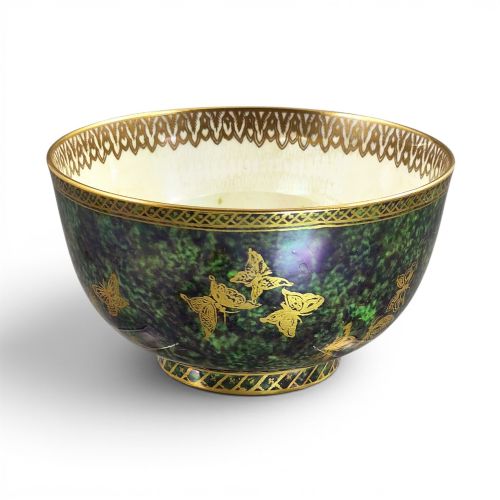
- A type of ceramic glaze that imparts a metallic sheen or iridescent surface through the reduction of metallic oxides in the kiln. Wedgwood notably produced striking examples with butterfly and dragon motifs.
- Champlevé
- An enamelwork technique where recesses are carved into a metal surface and filled with vitreous paste before firing. This colourful decorative method often embellishes the bronze mounts of French porcelain dishes.
Decorative Porcelain Centrepiece: Frequently Asked Questions
How were antique porcelain centrepieces used?
These large vessels originally served practical dining functions, holding fruit, flowers, or communal punch during formal nineteenth-century gatherings. Over time, many transitioned into purely decorative objects designed to anchor a room from the centre of a table or sideboard.
Today, collectors continue to display them for their artistic merit, utilising large bowls and baskets to bring historical colour and craftsmanship into modern interiors.
How do I distinguish Chinese export porcelain from Japanese Imari?
Chinese export porcelain, such as Canton and Famille Rose wares, often relies on soft pink enamel palettes, mandarin figure scenes, and symmetrical floral borders. The paste and glaze show distinct regional characteristics tied to Chinese imperial kilns.
Japanese Imari pieces are instantly recognised by their characteristic dark underglaze blue combined with fiery iron red and abundant gold leaf. Their patterns tend to feature dense panels of brocade designs and natural motifs.
How can I date an ormolu-mounted French centrepiece?
Dating relies on examining the style of the bronze mounts, the composition of the porcelain body, and any factory marks hidden beneath the glaze or metalwork. Nineteenth-century French pieces often combine Sevres-style porcelain with intricate champlevé enamel or classical ormolu casting.
The weight and colour of the gilt bronze, alongside the crispness of the chasing, provide clear indicators of whether a piece belongs to the Victorian era or the later nineteenth century.