


Green Art Deco Figurine
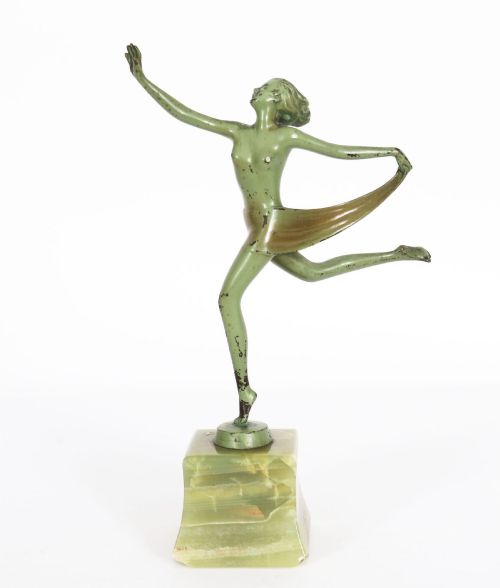
A green art deco figurine captures the kinetic energy and stylised geometry of the interwar period in metal, ceramic or stone.
Green Art Deco Figurine
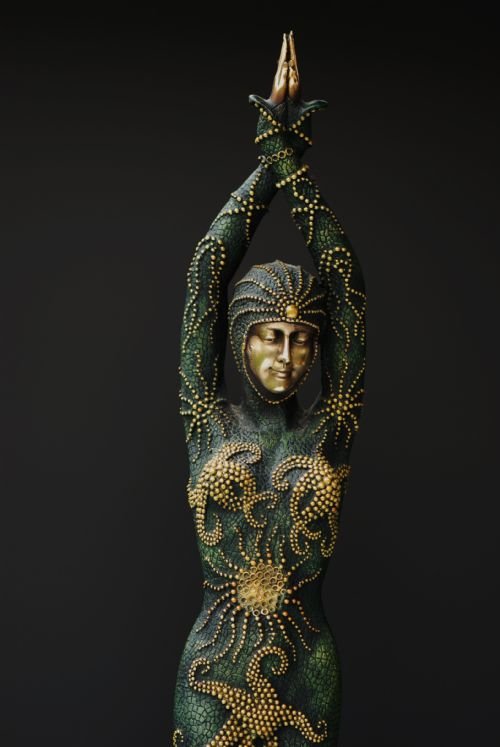
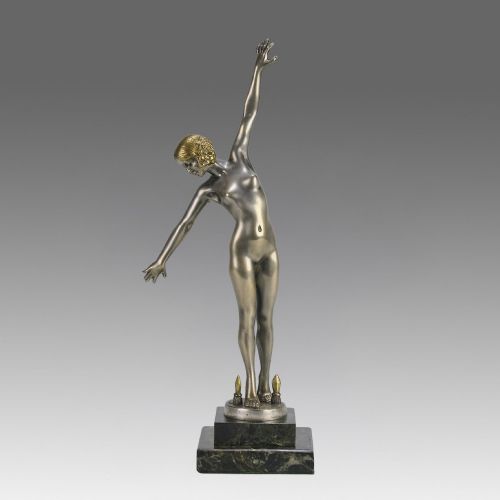
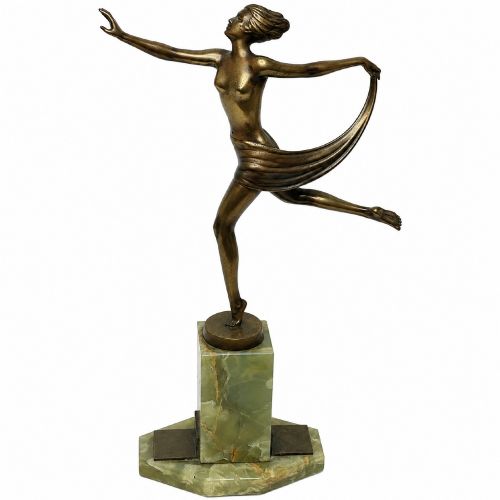
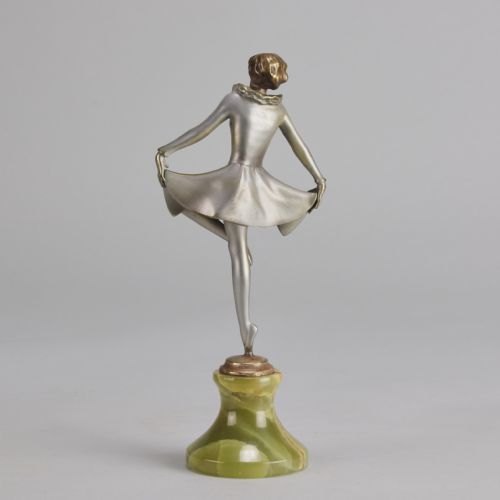
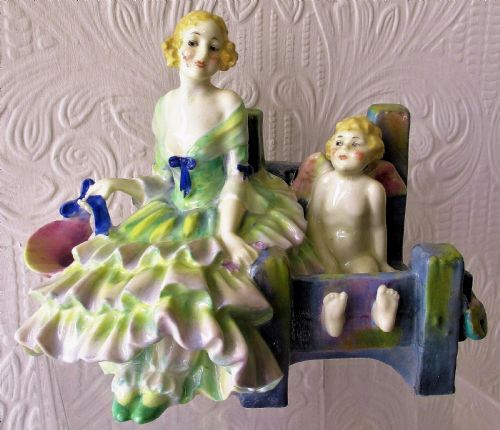
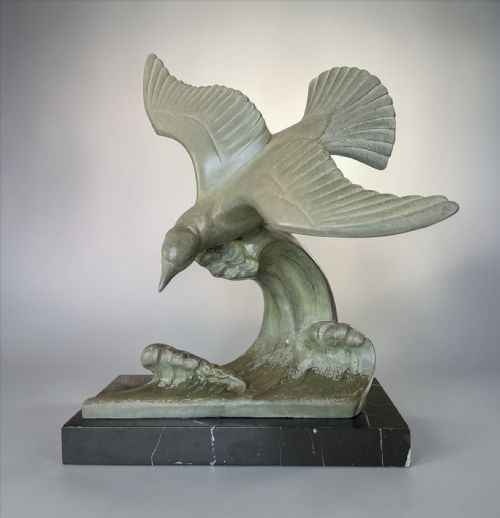
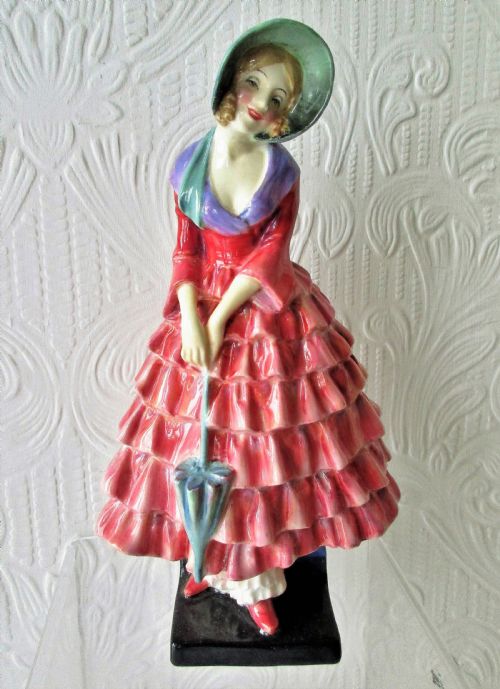
A green art deco figurine represents dancers, animals, athletes and allegorical figures produced primarily across the 1920s, 1930s and neighbouring decades. These sculptures merge modernist sleekness with vibrant polychrome finishes, frequently combining metal figures with heavy stone bases.
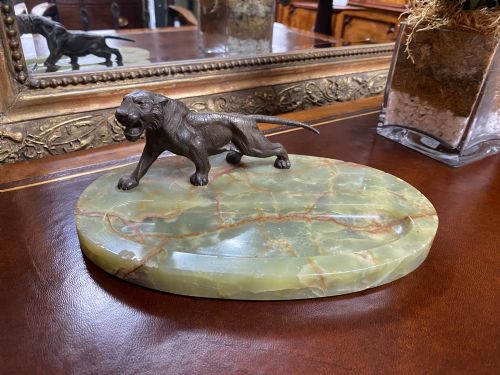
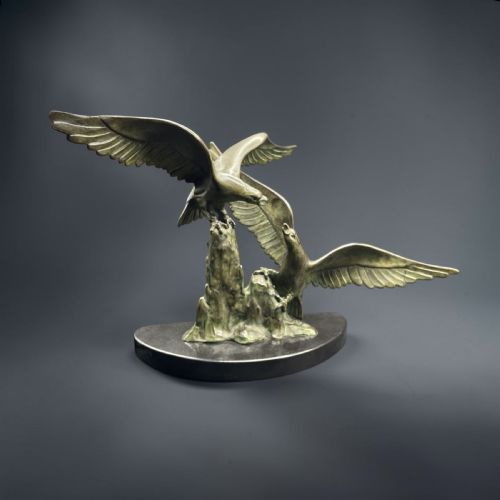
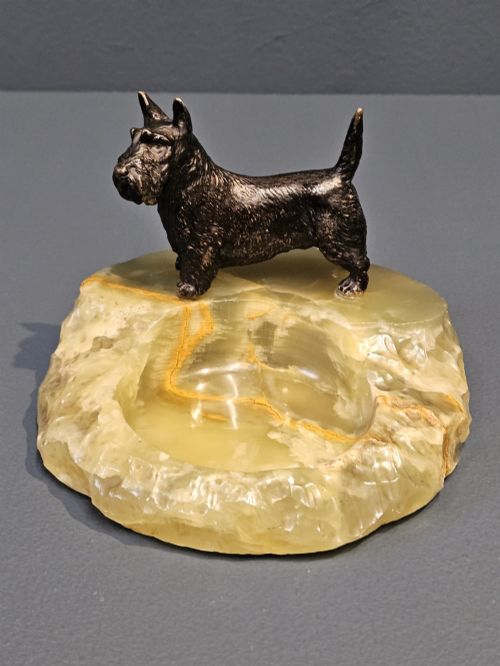
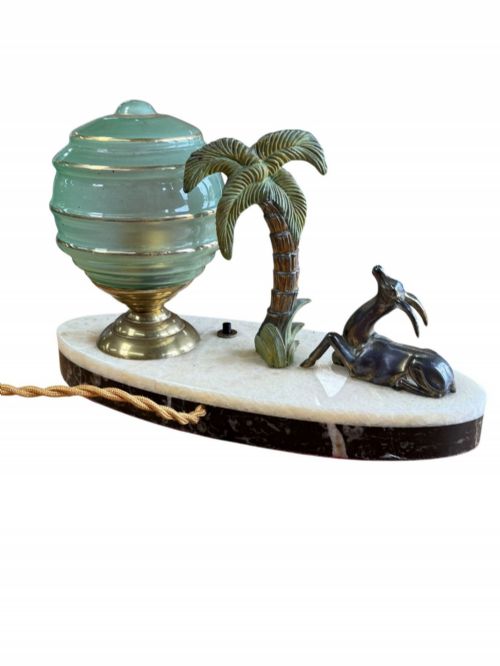
Buyers encounter subjects ranging from athletic dancers and golfers to domestic animals, birds and whimsical characters. Many examples double as functional objects such as desk tidies, table lamps, pin cushion dolls and cocktail stick holders.
Origins span British potteries, Austrian foundries, French studios and German ceramic works. The stylistic vocabulary relies on elongated limbs, dramatic poses and stylised drapery characteristic of the era.
Materials and methods of production
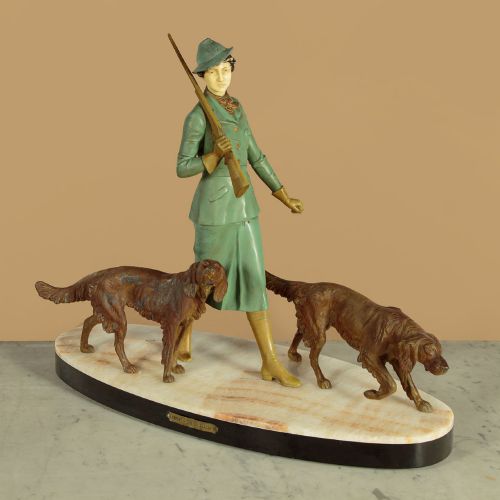
Makers utilised bronze, spelter and cast metals combined with cold-painted finishes, enamel and gilding to render garments and details. Metal figures frequently sit upon mounting plinths carved from contrasting materials like onyx and marble.
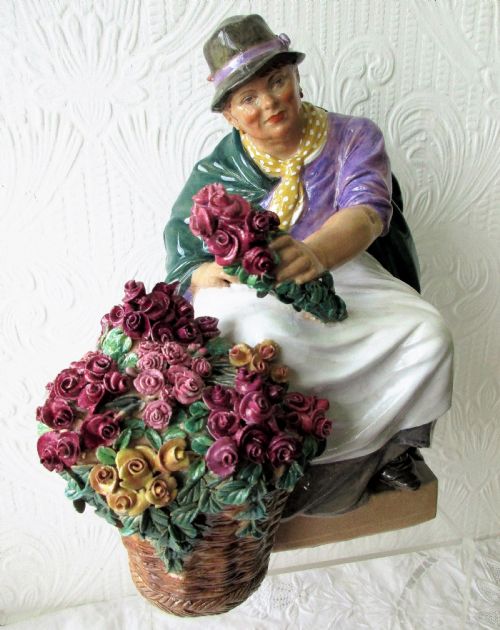
Ceramic and porcelain pieces employ moulded earthenware, studio pottery techniques and rich glazes to achieve characteristic green colourways. Artisans also incorporated carved ivory, glass and specialised enamelling to accent the primary figures.
Green Art Deco Figurine Retail Price Guide 2026
Typical asking prices for green art deco figurine among the pieces listed under this phrase on Sellingantiques today, from the lower quarter to the upper quarter. They describe what is for sale here now, not the wider market.
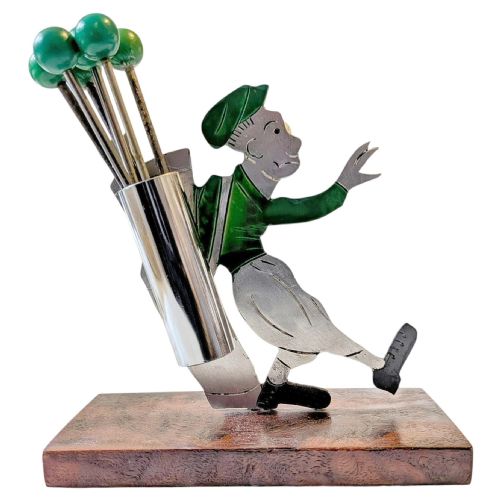
A comical golfer with a caddy stands ready to dispense cocktail sticks.
Distinguishing quality across the range
The refinement of the casting and the crispness of chisel work separate mass-market ornamental items from foundry pieces signed by noted sculptors. Superior metalwork exhibits meticulous cold-painting that retains its original palette without crude overpainting.
Ouillon Carrere·Sudre·Josef Lorenzl·Royal Doulton·Charles Vyse·Fasold & Stuach·Gotthilf Jaeger·C Masson·Le Manceau·Rene Andre Varnier·Elizabeth Anna Clapp·Ugo Cipriani·Bruno Zach·P.MAREC·Mario Korbel
The Green Art Deco Figurine Glossary
- Cold-painted
- A technique where metal figures are painted with oil, distemper or enamel without undergoing high-temperature kiln firing. This method allowed for intricate multicoloured garments on bronze and spelter sculptures.
- Spelter
- An alloy of zinc and lead utilised as a cost-effective alternative to bronze in interwar European manufacturing. It takes patination and metallic paint well while remaining significantly lighter than solid bronze.
- Half doll
- A porcelain upper torso manufactured without legs, commonly sewn onto powder puffs, pincushions or tea cosies. These charming vanity items became immensely popular during the art deco period.
- Plinth
- A heavy base block, typically fashioned from onyx or marble, that anchors and balances dynamic upright or sprawling figures. The stone provides structural stability and visual contrast to the metal sculpture above.
- Desk tidy
- A small functional receptacle incorporating figural sculpture to hold office supplies, stamps or small personal items. These dual-purpose desk accessories combined practical utility with modernist design.
Green Art Deco Figurine: Frequently Asked Questions
What materials make up these sculptures?
The listings combine cast metals such as bronze and spelter with ceramic, porcelain and glazed earthenware. Many figures incorporate stone bases like onyx and marble.
Additional decorative elements include cold-painted enamel finishes, ivory details and inset glass eyes to enhance the visual impact of each subject.
How do I care for cold-painted bronze?
Cold-painted surfaces require gentle treatment using a dry microfibre cloth to remove accumulated dust. Avoid moisture, chemical cleaners and abrasive scrubbing, which strip away the delicate original paint.
Keep figures away from direct sunlight to prevent fading of the polychrome pigments applied across the garments and hair.
Were these figures purely decorative?
Many examples served practical functions alongside their sculptural appeal. Workshops produced pieces configured as table lamps, cocktail stick holders, inkwells and desk tidies.
Ceramic variations frequently functioned as powder boxes, pin cushion dolls or perfume bottle stoppers used on period dressing tables.
How are signed pieces identified?
Foundry marks, artist signatures and titles are frequently cast directly into the metal base or incised into the stone plinth. Ceramic and porcelain versions carry factory stamps, pattern numbers or decorator initials on the underside.
Checking these inscriptions helps determine the originating studio and period of manufacture.