


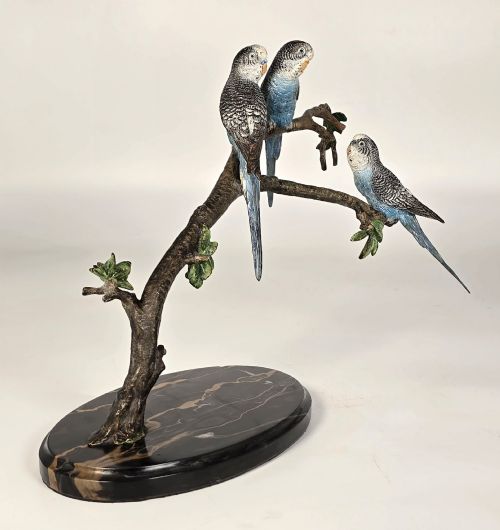


Art Deco Bronze Group
An art deco bronze group captures the dynamic rhythm of the interwar years through multi-figure sculptural compositions.
Art Deco Bronze Group
An art deco bronze group brings together figures, animals, or dancers mounted on substantial bases from the nineteen-twenties and nineteen-thirties. You will frequently encounter French figural compositions depicting stags, deer, birds, hunters, and dancers interacting within a single scene.
These works capture the distinctive geometry and stylised movement characteristic of the period. Most examples combine figurative elements with architectural plinths designed to display the grouping to maximum effect.
How they were made
Foundries cast these pieces using traditional methods, often pairing patinated bronze or cold-painted surfaces with heavy stone bases. Many contemporary studios also utilised spelter and silvered metal as accessible alternatives to solid bronze.
Art Deco Bronze Group Retail Price Guide 2026
Typical asking prices for art deco bronze group among the pieces listed under this phrase on Sellingantiques today, from the lower quarter to the upper quarter. They describe what is for sale here now, not the wider market.
Listings feature works from the nineteen-twenties and nineteen-thirties, incorporating materials such as marble, onyx, alabaster, and spelter alongside bronze.
What varies in quality
The choice of mounting material also distinguishes the work, with high-grade multi-coloured marble and onyx bases elevating the overall presence of the sculpture. Weaker pieces often rely on simplified casting techniques and generic plinths.
P. Sega·H. Bal·Chiparus·I. Rochard
The Art Deco Bronze Group Glossary
- Spelter
- A zinc alloy commonly utilised as a cost-effective substitute for bronze during the period. It accepts patination and paint well.
- Patinated bronze
- Metal treated with chemical solutions to produce a specific surface colour and tone. This finish protects the metal and enhances sculptural depth.
- Cold-painted
- A decorative technique where paint is applied to metal without subsequent firing. It requires careful handling to preserve the pigment over time.
- Onyx
- A banded variety of chalcedony frequently carved into decorative bases for figural groups. Its natural translucence adds visual depth to the plinth.
Art Deco Bronze Group: Frequently Asked Questions
What is an art deco bronze group?
These sculptures feature multiple human or animal figures interacting within a single composition from the nineteen-twenties and thirties. They were created to capture modern movement and streamlined aesthetics.
Most examples sit upon heavy geometric bases made of marble or onyx to anchor the dynamic arrangement of the figures above.
How do I care for my sculpture?
Keep the piece away from direct sunlight and fluctuating humidity to protect both the metal surface and the stone base. Dust gently with a soft dry cloth.
Avoid using liquid cleaners or chemical polishes, as these can strip away the original patination or damage cold-painted details.
Are all these groups solid bronze?
While the search term highlights bronze, many period pieces use spelter or silvered metal as alternative casting materials. Foundries employed these metals extensively during the interwar years.
Examining the underside and weight of the piece usually helps determine the specific metal used in the casting process.
Why are marble and onyx used for bases?
Stone plinths provide essential stability for multi-figure compositions that might otherwise be top-heavy. They also introduce contrasting textures and colours that complement the metalwork.
This combination of materials is a hallmark of the decorative arts style popular during the interwar decades.