



Gold Satsuma Ceramic Urn
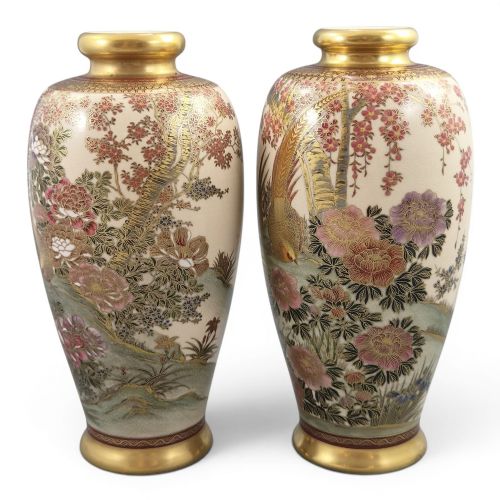
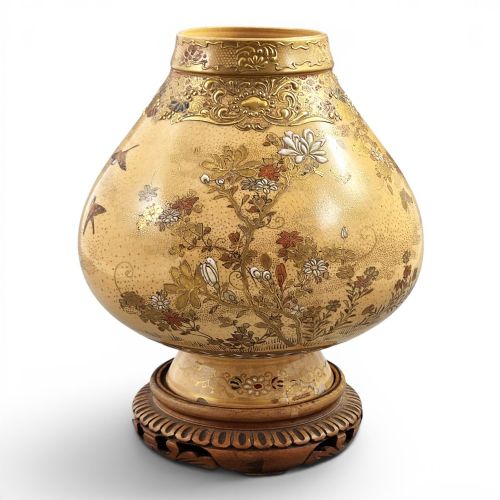
These gold satsuma ceramic urn pieces bring intricate Meiji period artistry and heavy gilding into domestic interiors.
Gold Satsuma Ceramic Urn
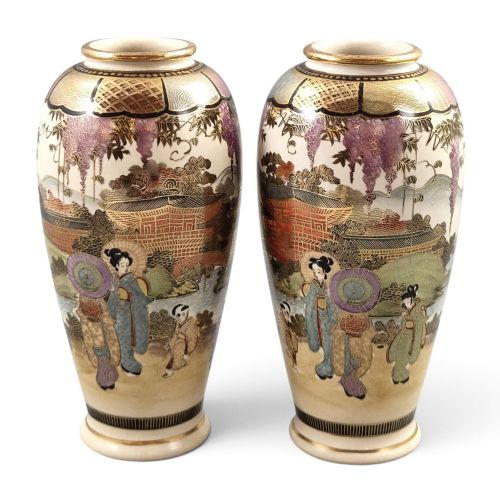
A gold satsuma ceramic urn search brings up Japanese earthenware vessels decorated with fine enamel and gold leaf. The pieces span from the late nineteenth century into the early twentieth century, encompassing the Meiji, Taisho, and Showa periods.
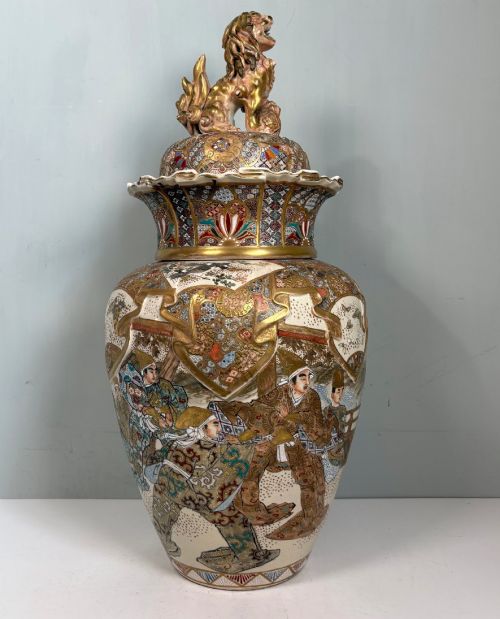
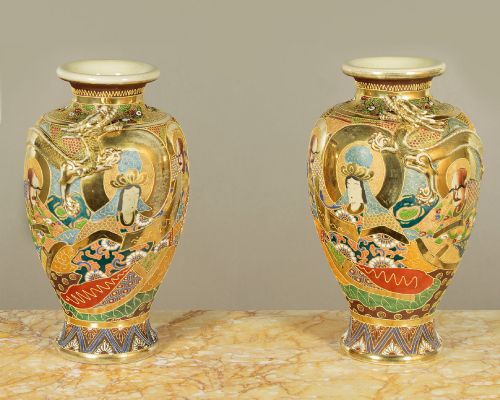
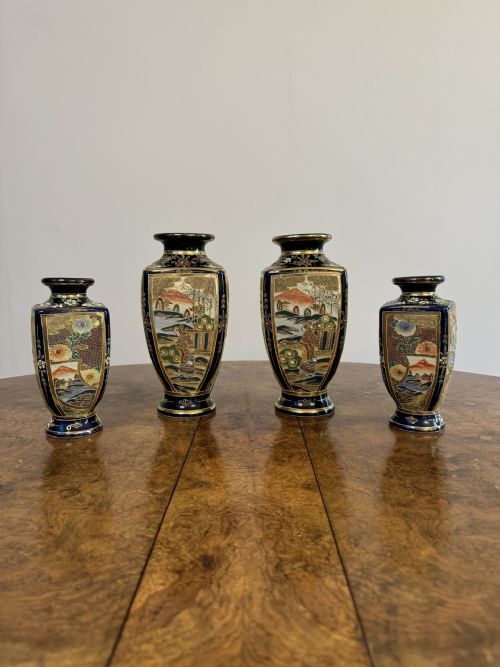
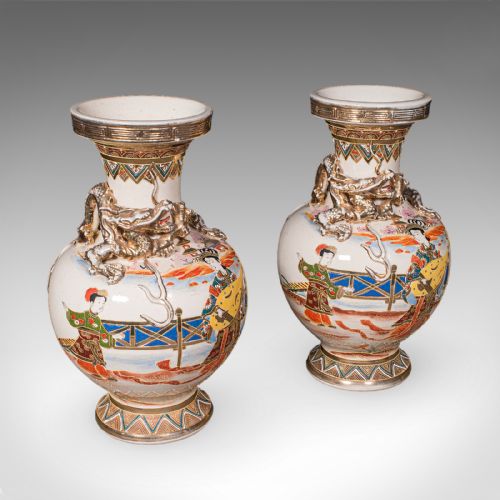
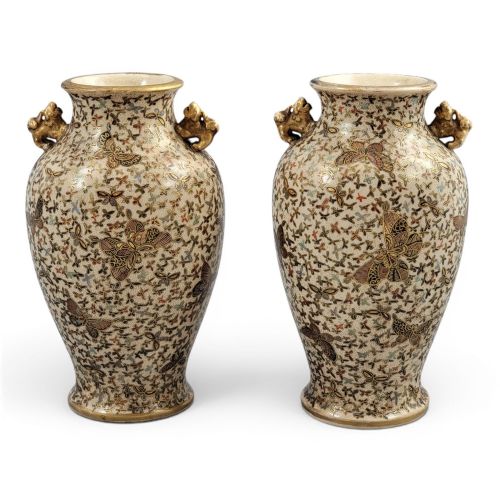
Buyers most frequently encounter large baluster vases, garnitures, and lidded vessels carrying detailed figural scenes, dragons, and thousand butterfly patterns. These items originate predominantly from major ceramic centres such as Kyoto and Kobe.
Forms vary from standard bulbous bodies to hexagonal shapes, garlic head profiles, and ritual incense burners known as koro. Many examples bear artist signatures or workshop marks from renowned makers.
How they were made
Potters shaped earthenware bodies to receive a characteristic ivory-coloured crackle glaze that formed the canvas for subsequent painting. Artisans then applied polychrome enamel pigments alongside extensive gold leaf and gilt work to define complex figural processions and landscapes.
Raised relief decoration, known as moriage, was built up using dense slip to give depth to dragon scales, garments, and floral borders. Firing in kilns set the base glazes before fine gold detailing was added in supplementary low-temperature firings.
The inventory includes miniature vases alongside monumental Kyoto pieces standing over eighty centimetres tall.
What varies in quality
Quality rests upon the precision of the brushwork within the figural panels and the density of the gold leaf application. Finer pieces demonstrate meticulous control over micro-painting, rendering individual facial expressions and garments with exceptional clarity.
The weight and stability of the earthenware body, alongside the crispness of the moulded moriage relief work, distinguish standard production from exhibition pieces. Workshop attribution to recognised Kyoto or Kobe masters elevates the standing of individual vessels.
Shozan·Manpei·Kinkozan·Hotoda·Chosei·Shuzan·Nanzan·Seiko-en Chokei·Kizan·Hakusan·Hattori
The Gold Satsuma Ceramic Urn Glossary
- Satsuma Ware
- Japanese earthenware pottery featuring a crackled cream-coloured glaze and elaborate polychrome and gilt decoration. Originating in Satsuma Province, production later flourished in Kyoto and Tokyo.
- Moriage
- A ceramic technique where clay slip is piped onto the surface in dots or lines to create raised decorative relief. This method adds a tactile dimension beneath the enamel and gold highlights.
- Garniture
- A set of matching ceramic vessels designed for symmetrical display on mantelpieces or cabinets. These sets typically comprise three, four, or five matching vases and urns.
- Koro
- A traditional Japanese incense burner supported on three or more feet, featuring a pierced cover to release fragrance. These ritual vessels often incorporate guardian lions or shishi on the lid.
- Shimazu Mon
- The heraldic crest of the Shimazu clan, consisting of a cross within a circle. This mon frequently appears on Satsuma ceramics associated with the domain.
Gold Satsuma Ceramic Urn: Frequently Asked Questions
How do I identify a Meiji period piece?
Meiji period vessels generally display dense, microscopic enamel work combined with heavy gilt highlights over a fine crackle glaze. Look for traditional signatures of Kyoto or Kobe workshops painted on the base.
Artisans during this era produced works for both domestic use and international export exhibitions, leading to elaborate storytelling panels depicting arhats, samurai, and immortal figures.
Where should I display a large Satsuma urn?
Large baluster urns and garnitures require stable placement on sturdy sideboards or cabinets where adequate lighting can catch the gold leaf details. Keep them away from direct sunlight to protect the stability of the polychrome enamel pigments.
Because many pieces feature intricate hand-painted figural scenes, positioning them at eye level allows closer inspection of the minute brushwork.
Are these ceramic pieces waterproof?
Satsuma vessels are constructed from earthenware with a decorative crackle glaze rather than vitrified porcelain. Filling them with water can cause moisture to penetrate the porous clay body and stain the interior glaze.
It is best to treat these items as decorative display objects rather than functional flower holders to preserve their historical condition.