



Gold Leaf Pier Mirrors
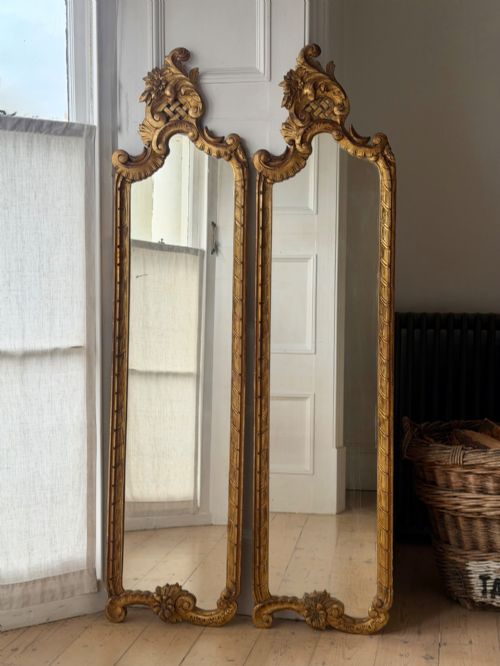
Gold leaf pier mirrors bring vertical grandeur to a room, hung traditionally between windows to reflect light and expand space.
Gold Leaf Pier Mirrors
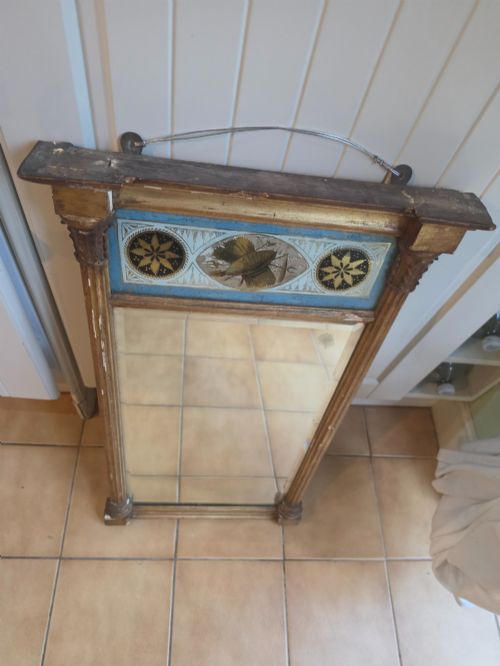
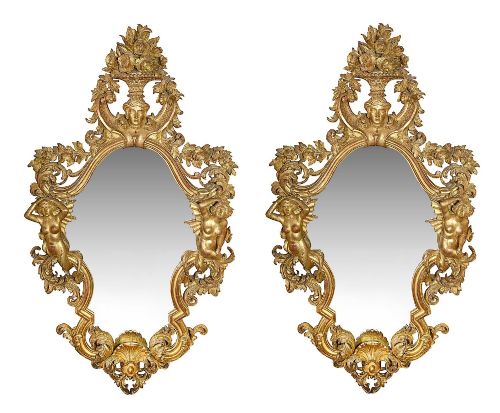
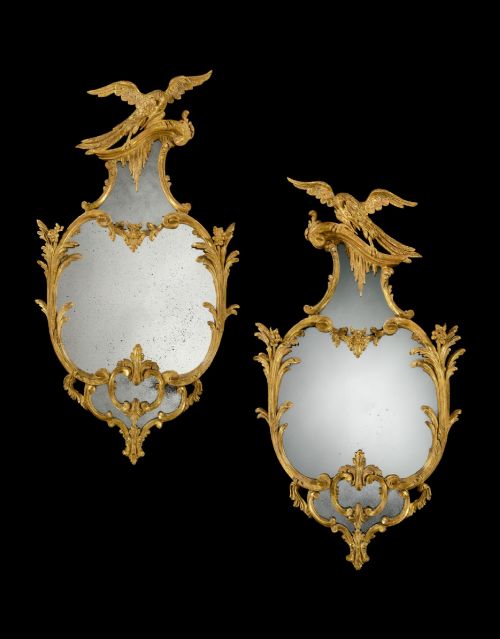
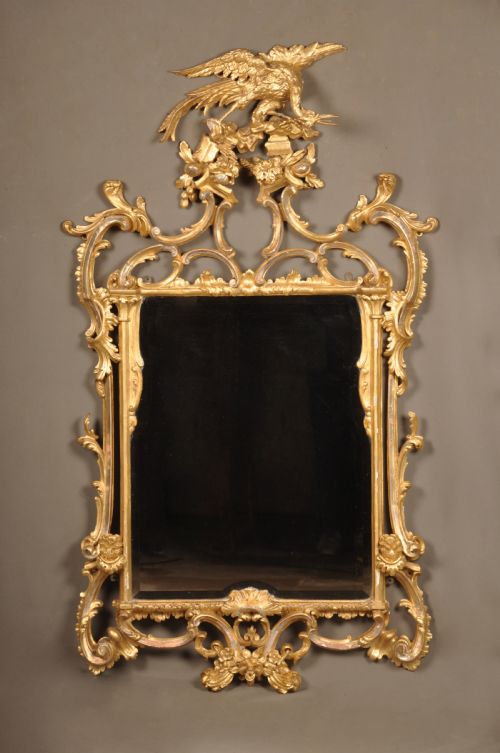
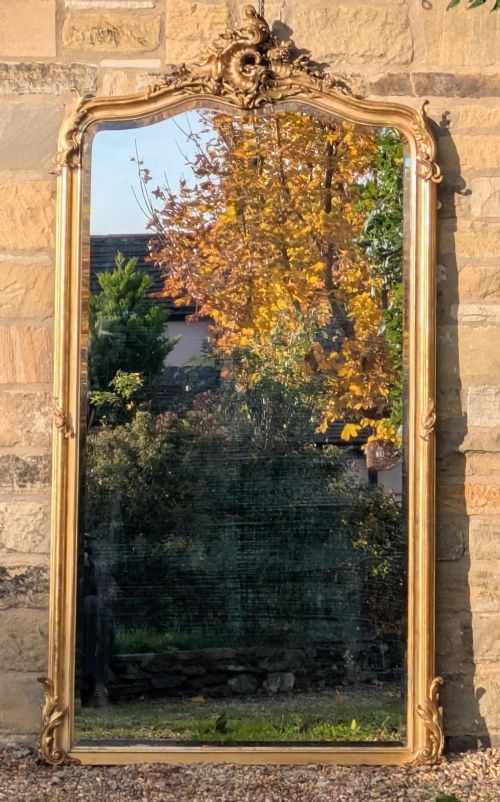
Gold leaf pier mirrors occupy a commanding vertical space, designed originally to fit the narrow wall section between two windows. These pieces emerge in styles ranging from Georgian and Regency to French Rococo Revival, spanning the eighteenth and nineteenth centuries.
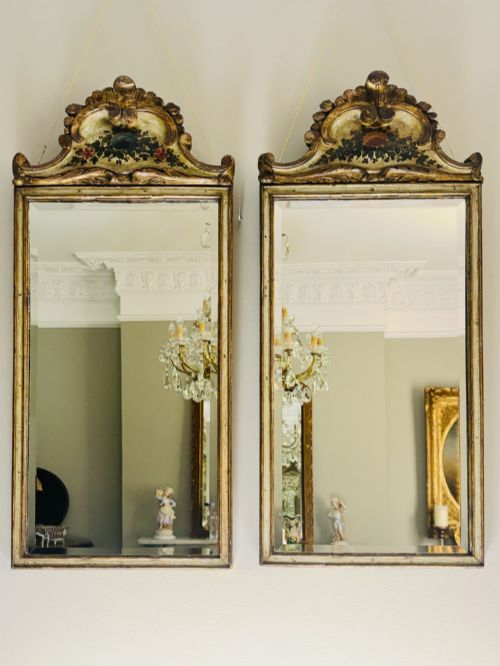
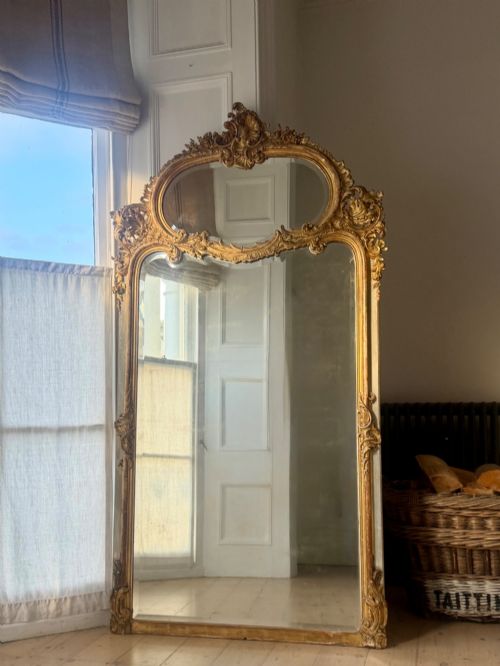
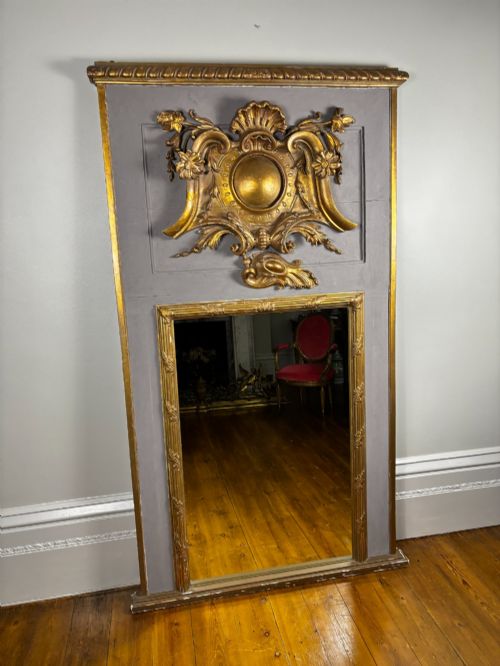
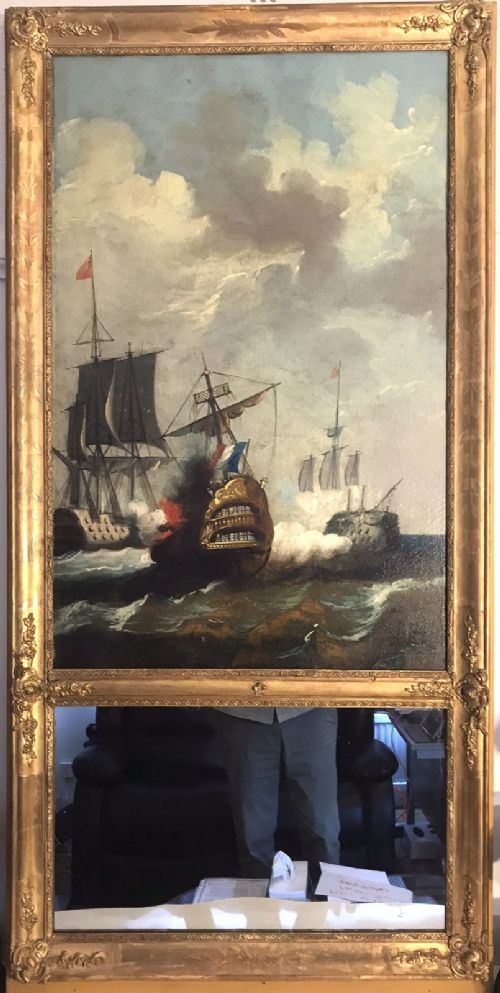
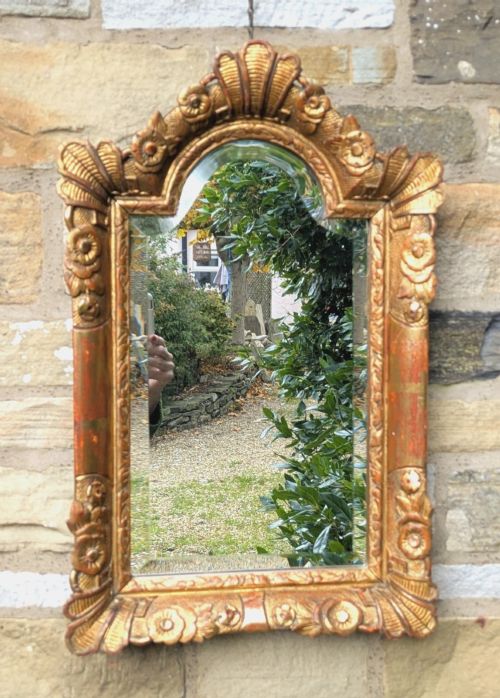
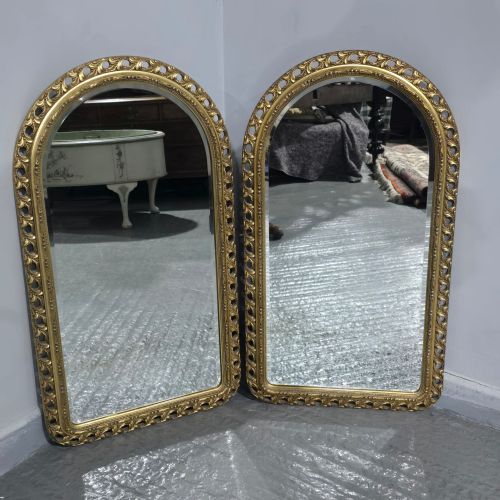
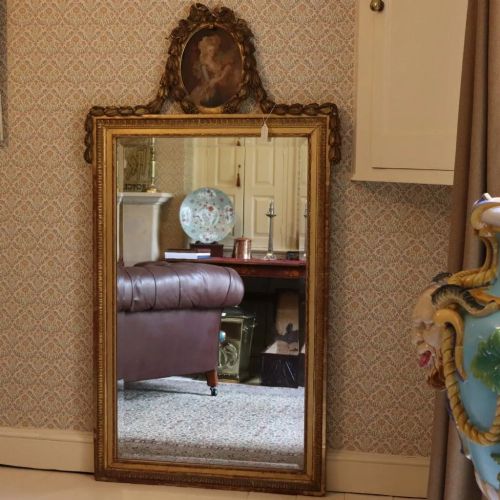
The inventory on this page relies heavily on nineteenth century French and Italian examples, alongside Georgian and Regency designs. Forms include arched frames, console table pairings, and trumeau mirrors incorporating painted panels or seascapes.
Materials and construction
Makers built these frames using carved wood, often applying layers of gesso to create smooth surfaces for detail work. Gold leaf was then laid over the prepared ground, sometimes combined with polychrome paint or silvering.
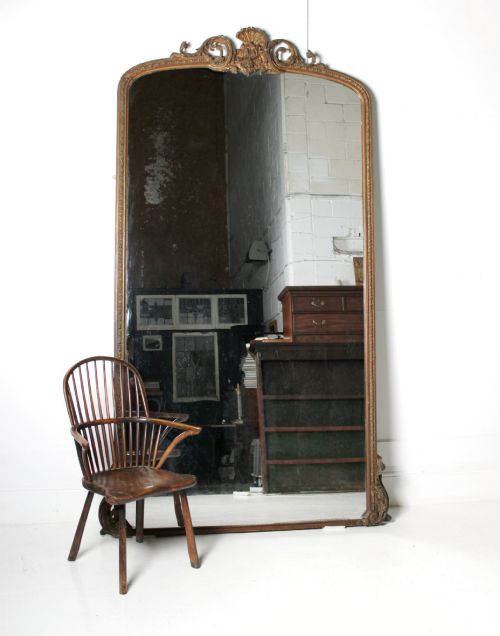
Glass plates were silvered using traditional methods, yielding mercury glass or early bevelled plates that show age through foxing. Composition ornament was frequently pressed into moulds to achieve intricate Rococo and neoclassical motifs efficiently.
Gold Leaf Pier Mirrors Retail Price Guide 2026
Typical asking prices for gold leaf pier mirrors among the pieces listed under this phrase on Sellingantiques today, from the lower quarter to the upper quarter. They describe what is for sale here now, not the wider market.
Listings feature periods spanning from the eighteenth century through to the early twentieth century, including Georgian, Regency, and French Rococo Revival styles.
Judging quality and craftsmanship
The depth and crispness of the wood carving distinguish finer examples from standard production, as hand-carved detail holds sharper lines than moulded composition. The integrity of the original gilding and the survival of untouched mirror plates elevate a piece's standing.
Proportion and scale dictate success in a room, with superior items exhibiting harmonious balance between frame and glass. Integration with original painted panels, eglomise glass, or matching console tables points to higher atelier output.
The Gold Leaf Pier Mirrors Glossary
- Pier glass
- A tall mirror specifically sized to hang on the wall space between windows. These mirrors reflect natural light back into the interior.
- Gesso
- A plaster mixture applied to wood frames to create a smooth surface for gilding. It holds fine detail from carving or moulding.
- Trumeau mirror
- A decorative wall mirror featuring an upper panel painted or carved with scenes. They often integrate directly into wall panelling.
- Verre eglomise
- A cold decoration technique where designs are applied to the reverse of glass using gold or silver leaf. This gives a reflective, metallic finish to painted panels.
- Mercury glass
- An early form of silvered glass created by pouring a mercury amalgam between double-walled blown glass. It produces a mottled, atmospheric reflection.
- Foxing
- Age-related spotting and oxidation within the mirror plate. This chemical breakdown darkens the glass in small, characteristic patches.
Gold Leaf Pier Mirrors: Frequently Asked Questions
Where should I hang a pier mirror?
These mirrors suit narrow wall spaces, traditionally positioned between two windows to maximise daylight. They also work effectively above console tables or fireplaces where vertical height is needed.
Ensure the wall construction supports the weight of carved wood and gesso frames. Securing the mirror at both top and bottom prevents movement.
How do I identify the period?
Examine the carving style, joinery, and materials to determine the era. Georgian pieces show restraint, whereas Regency and Rococo Revival mirrors display bolder, asymmetrical curves and classical motifs.
Backboards, fixings, and the composition of the glass plate provide additional clues. Original mercury glass and hand-bevelled edges usually point to nineteenth century or earlier manufacture.
How do I clean antique giltwood?
Dust the frame gently with a soft, dry brush to remove loose particles. Avoid using water, chemical sprays, or modern cleaning solutions, which strip delicate gold leaf.
Mirror glass can be cleaned sparingly with a dry or barely damp microfiber cloth. Keep moisture away from the edges where the silvering meets the frame.