




Rococo Painted Mirror
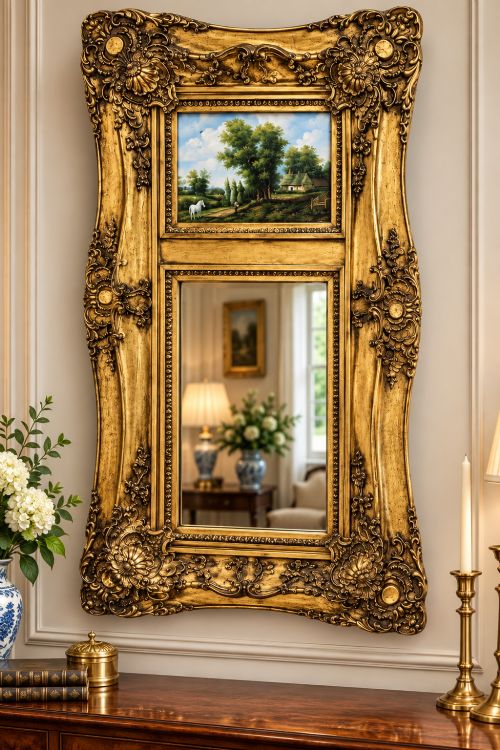
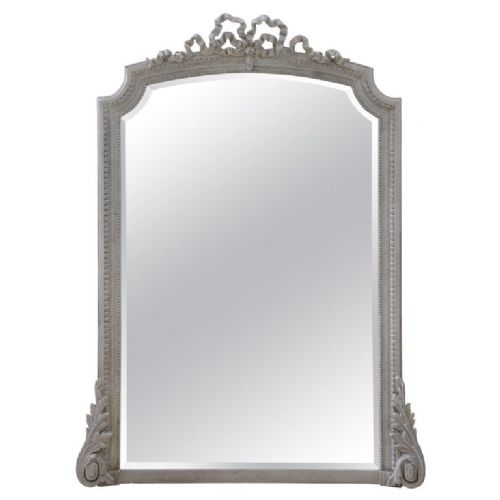
Every rococo painted mirror brings swirling asymmetrical curves, soft painted surfaces and ornate decorative frames into a room.
Rococo Painted Mirror
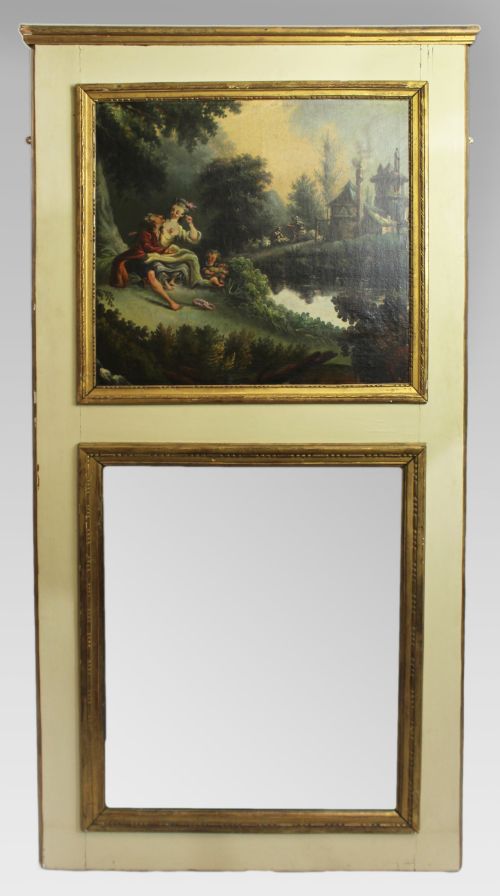
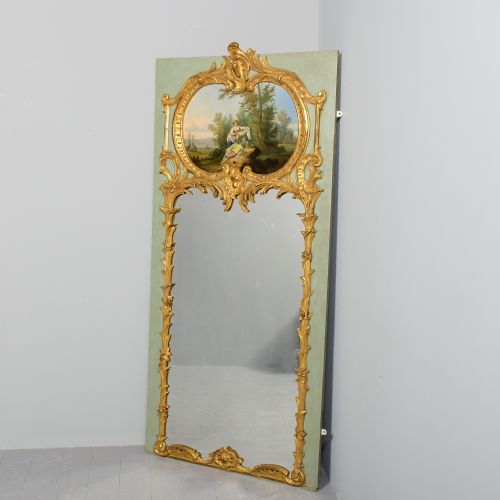
A buyer searching for a rococo painted mirror encounters items spanning the eighteenth through the early twentieth centuries, with nineteenth-century French and Italian examples appearing most frequently. These pieces range from grand architectural overmantle mirrors and tall trumeau panels featuring oil paintings to smaller wall mirrors and pier glasses.
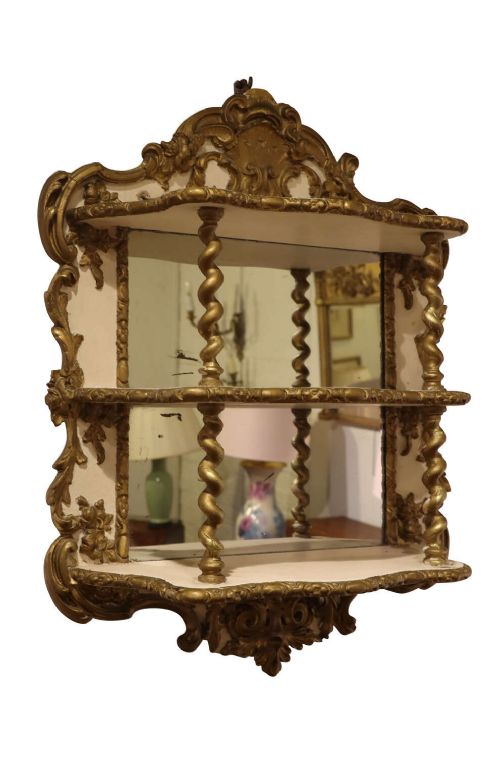
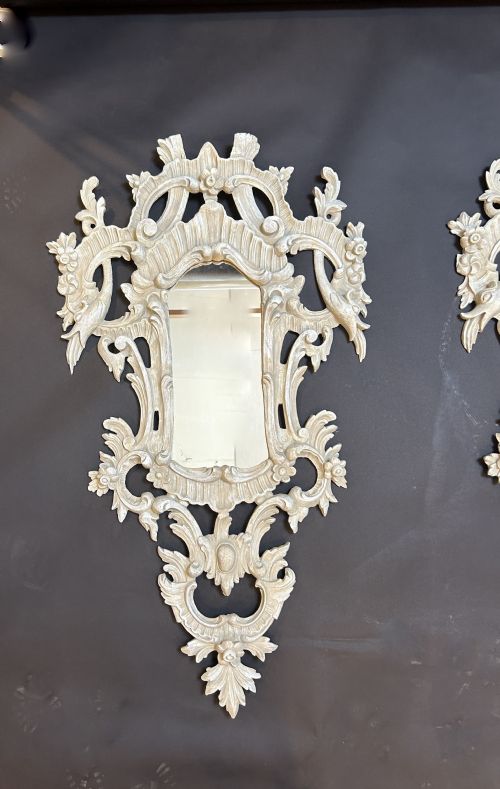
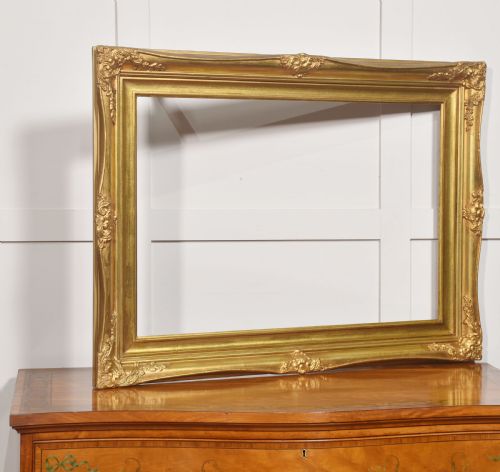
Makers drew on French chateau aesthetics, Louis XV models and Italian designs to shape wooden frames with characteristic scrolls and floral motifs. The selection includes items finished with hand-painted details, parcel-gilt highlights and distressed painted surfaces.
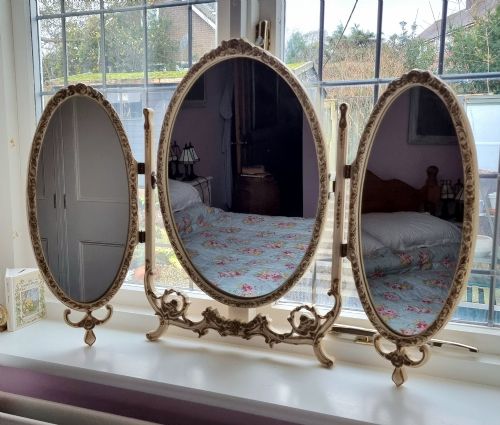
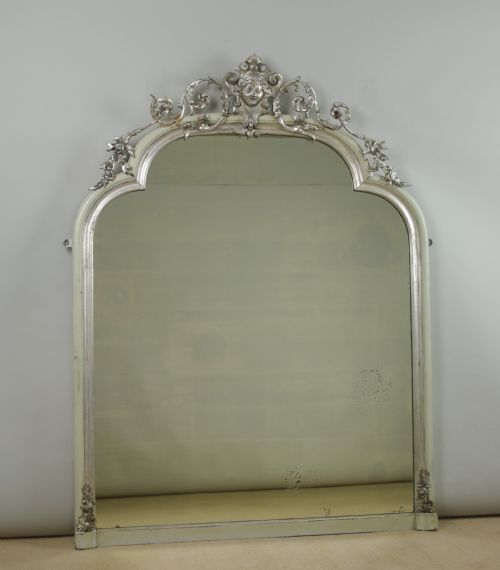
Wall mirrors and overmantle mirrors dominate the types seen, frequently incorporating shaped tops and carved wooden crests. Alongside these wall-hung pieces, related forms such as dressing table mirrors, picture frames and console tables occasionally appear.
Materials and Technique
Frames rely on carved wood and moulded gesso applied over a wooden base to build up the intricate scrolls and asymmetrical cartouches characteristic of the style. Artisans then applied layers of paint, gold leaf and parcel-gilt highlights directly onto the gesso and wood substrate.
Glass plates, sometimes original or showing silvering oxidation, sit within these ornate surrounds, occasionally paired with oil paintings set into upper trumeau panels. Kingwood, painted wood and silvered finishes also feature across continental and English workshops.
Listings feature items from the eighteenth century to the early twentieth century, utilising carved wood, gesso, paint and gold leaf.
Evaluating Quality
Quality rests on the crispness and depth of the wood carving and the underlying gesso moulding, where manually modelled relief work distinguishes superior frames from simpler production. The finesse of the hand-painted decoration and the preservation of original parcel-gilt or paint layers also determine the standing of a piece.
The integrity of the glass plate, whether original to the frame, influences the character of the mirror. Proportion and balance in the asymmetrical scrollwork separate exceptional decorative objects from routine regional items.
Pauly et Cie
The Rococo Painted Mirror Glossary
- Trumeau
- A decorative wall mirror featuring an integrated oil painting or panel above the glass plate. These tall architectural pieces originate primarily from eighteenth and nineteenth century French interiors.
- Gesso
- A plaster-like mixture applied to wood frames and carved or moulded to create raised ornamentation before gilding or painting. It forms the textured relief underlying the painted surface.
- Parcel-gilt
- A decorative treatment where portions of a painted surface receive gold leaf highlights, typically accentuating carved scrolls and floral details. This technique contrasts metallic sheen with painted colour.
- Overmantle
- A large mirror designed to hang directly above a fireplace mantel. These horizontal formats often incorporate substantial carved wooden frames.
- Pier Glass
- A tall, narrow mirror designed to hang on the wall space between windows. They frequently combine painted wood frames with lower console tables or stands.
Rococo Painted Mirror: Frequently Asked Questions
How do I date a painted mirror?
Dating relies on examining the construction methods of the wooden frame, the composition of the gesso, and the characteristics of the glass plate. Stylistic indicators point to periods from the eighteenth century through the early twentieth century.
Evidence of wear on the painted surface and silvering degradation on the glass also help establish age.
Where should I hang an overmantle mirror?
An overmantle mirror is traditionally placed directly above a fireplace mantel to reflect light and anchor the room's proportions. Their horizontal scale suits this specific architectural placement.
They also function effectively on large living room walls above low side cabinets.
What is the difference between French and Italian styles?
French models often follow Louis XV and chateau aesthetics with restrained elegance and trumeau formats. Italian pieces frequently display more exuberant carving and varied painted palettes.
Both draw heavily on rococo scrolls and asymmetrical motifs.