

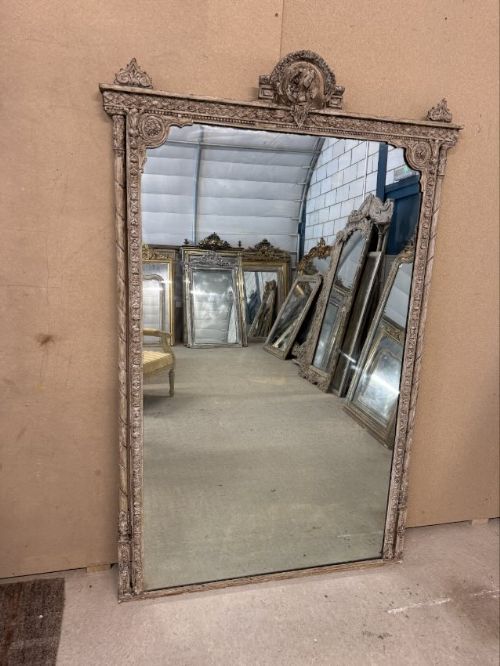
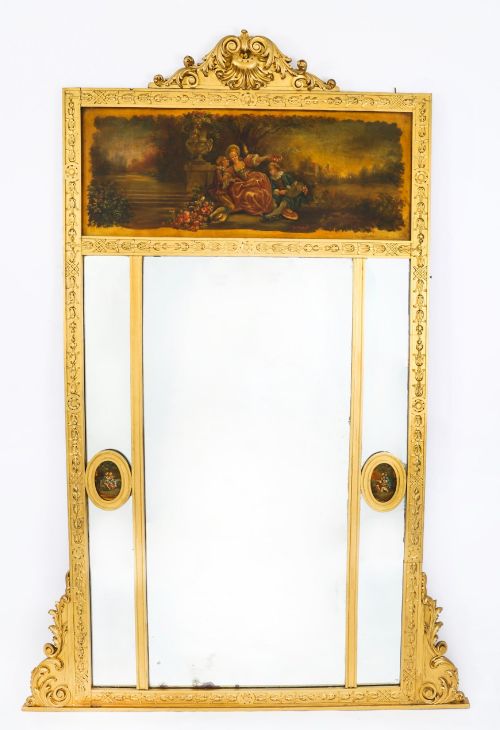
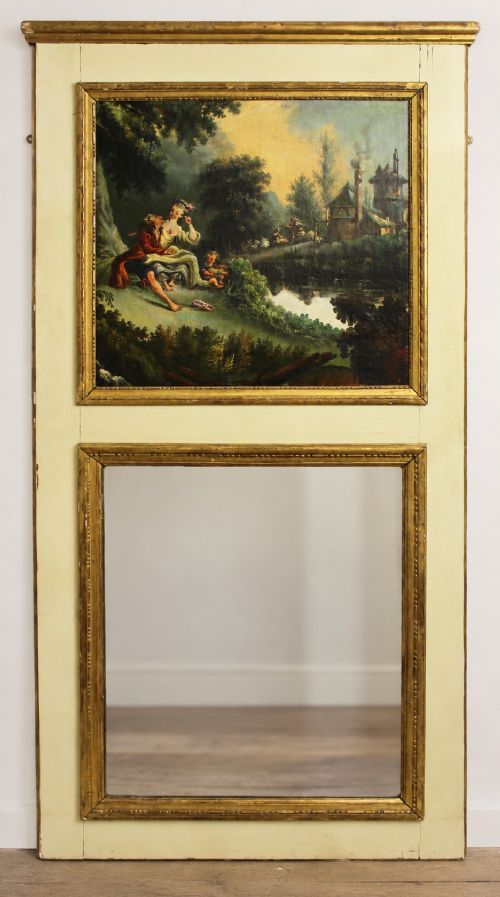
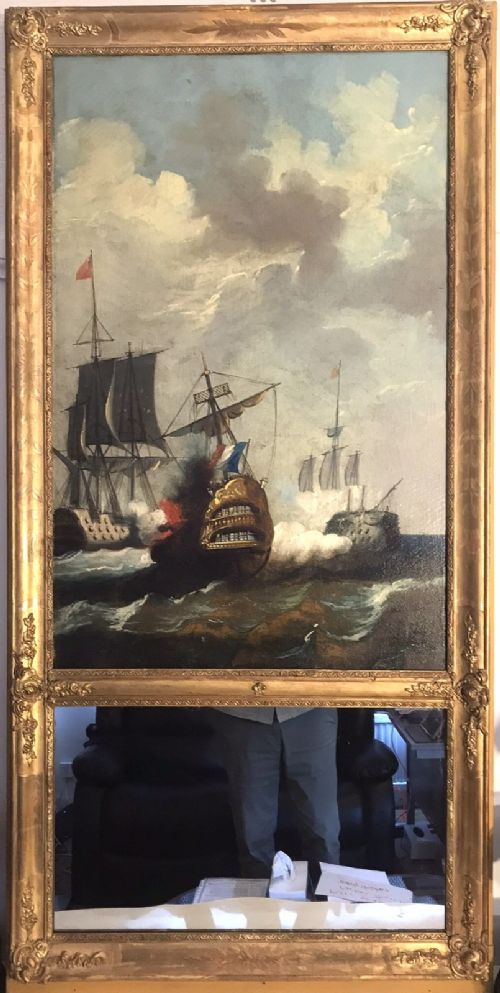


Painted Trumeau Frame
A painted trumeau frame brings architectural dignity to a room by combining a vertical wall mirror with an integrated top panel of art.
Painted Trumeau Frame
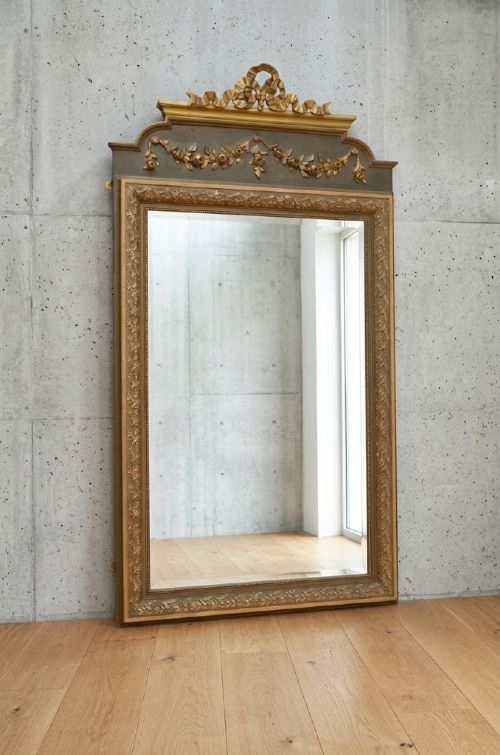
When you search for a painted trumeau frame, you are looking at tall architectural wall fittings designed to sit above mantels or between windows. The most common examples on this page are French pieces from the nineteenth century, spanning provincial country house models to grander Louis XVI and Rococo revival formats.
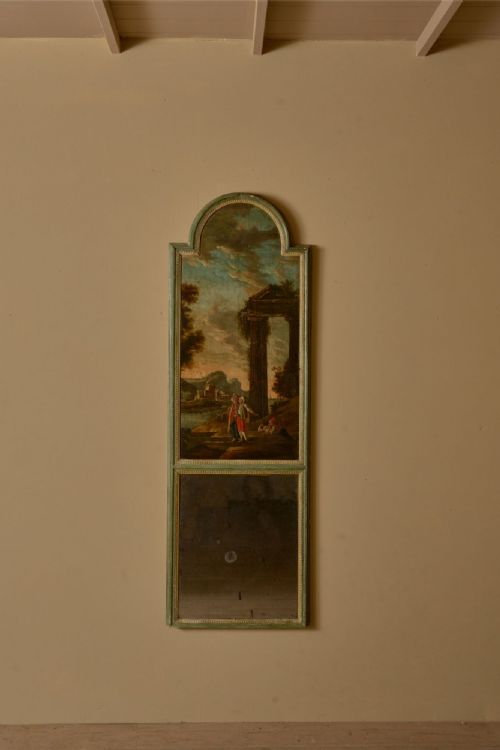
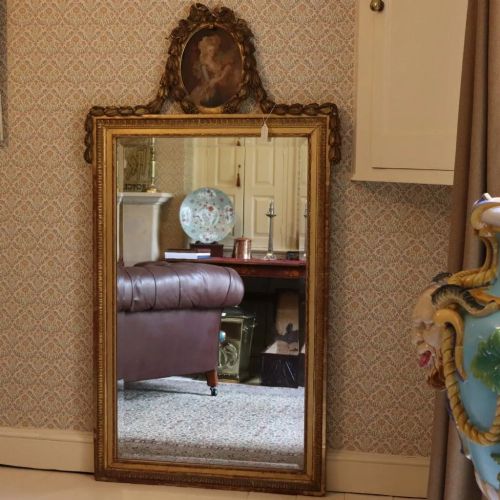
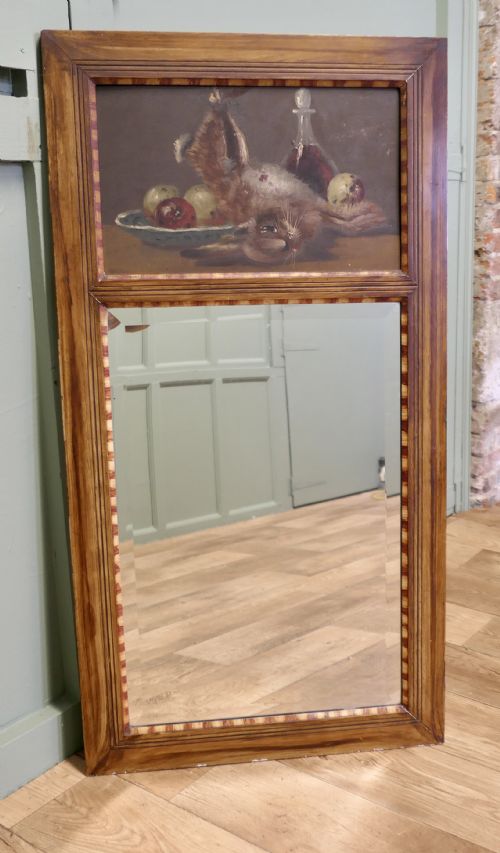
These dual-purpose objects pair a lower glass mirror plate with an upper decorative zone. That upper section frequently contains an oil painting, a reverse glass print, or a carved relief panel rather than plain wood alone.
How they were made
Wood frameworks of pine, maple, walnut, or carved timber receive coats of oil paint, gesso, and partial gilding to build up their decorative surfaces. Artisans construct these frames to integrate the upper panel directly into the main body above the glass.
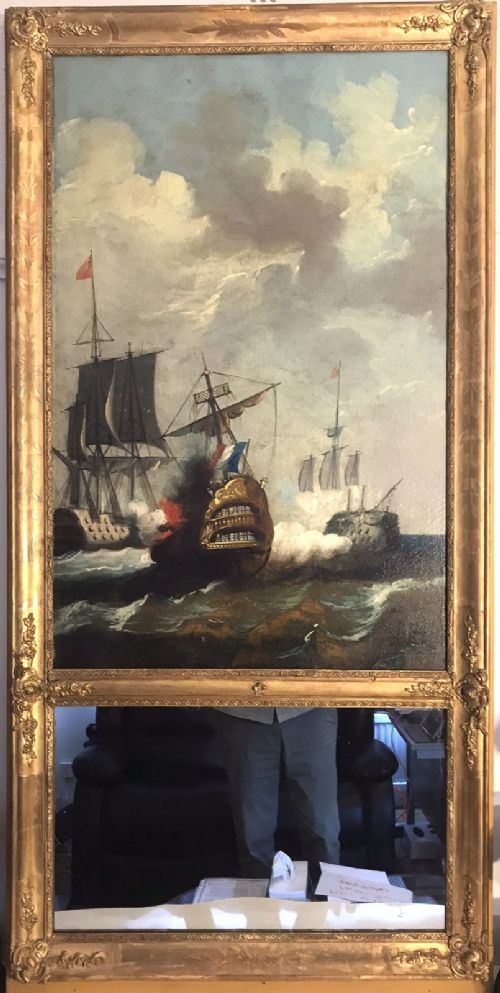
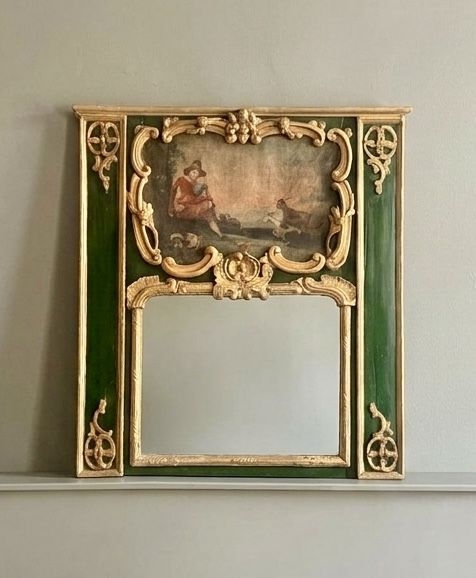
The upper sections showcase various artistic techniques, from hand-painted pastoral oil scenes and seascapes of galleons to verre eglomisé reverse glass panels and decorative relief plasterwork.
Painted Trumeau Frame Retail Price Guide 2026
Typical asking prices for painted trumeau frame among the pieces listed under this phrase on Sellingantiques today, from the lower quarter to the upper quarter. They describe what is for sale here now, not the wider market.
Listings on this site span the eighteenth century, the Regency era, and the nineteenth century, utilising materials such as mercury glass, giltwood, and oil paint.
What varies in quality
The distinction between ordinary and superior trumeau frames lies in the execution of the decorative elements and the harmony of the proportions. Hand-painted oil panels depicting pastoral scenes or naval engagements demand considerably more skill than standard decorative mouldings.
Original surface preservation heavily influences the character of each piece. Frames retaining their initial paint and gilt layers alongside period mercury glass plates present a more cohesive historical presence than later repainted examples.
The Painted Trumeau Frame Glossary
- Trumeau mirror
- An architectural mirror featuring an upper panel, usually containing a painting or carving, set above the main glass plate. These items originated as permanent wall decorations in European interiors.
- Verre églomisé
- A process of cold painting and gilding on the rear face of glass to produce a metallic, mirror-like image. It frequently appears on Regency and nineteenth-century pier glasses.
- Pier glass
- A tall, narrow mirror designed specifically to hang on the section of wall between two windows. They often share characteristics with trumeau frames.
- Gesso
- A plaster mixture applied to wood frames to provide a smooth base for subsequent gilding or painting. Carved details in the gesso add relief depth to the woodwork.
Painted Trumeau Frame: Frequently Asked Questions
Where should I hang a trumeau frame?
These tall pieces traditionally sit directly above a fireplace mantelpiece as an overmantel, or on the narrow wall space between two windows as a pier mirror.
Because of their height, they draw the eye upward and reflect natural light deep into the room.
What is the difference between an overmantel and a pier mirror?
An overmantel mirror is proportioned to sit horizontally or vertically above a fireplace hearth, often matching the width of the mantel shelf below.
Pier mirrors are explicitly designed for the wall space between windows, prioritising vertical height to illuminate darker corners.
How do I identify the period of a painted trumeau frame?
Dating relies on stylistic clues such as the carved motifs, the type of paint layering, and the construction of the wood frame behind the gesso.
Nineteenth-century French examples often incorporate Louis XVI neoclassical styling or provincial country house adaptations.
Can the upper painting be replaced easily?
The upper panel, whether an oil painting or a reverse glass print, forms an integral part of the trumeau's original structural design.
Altering or replacing this section removes the historical context that defines the piece.