

18th Century Rococo Mirror
An 18th century rococo mirror brings asymmetric carved frames and reflective depth to a room.
18th Century Rococo Mirror
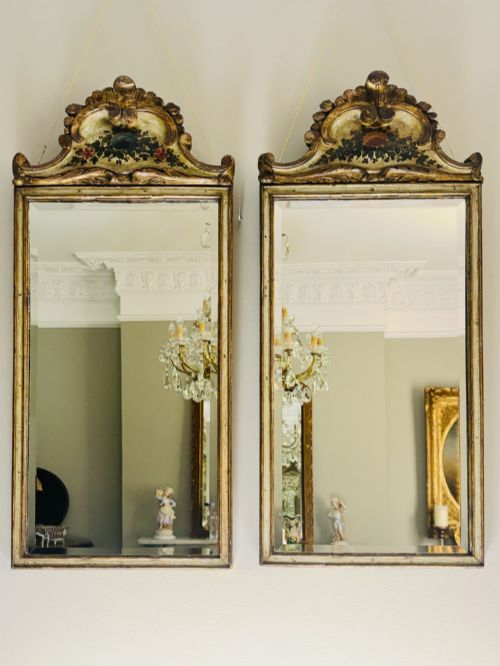
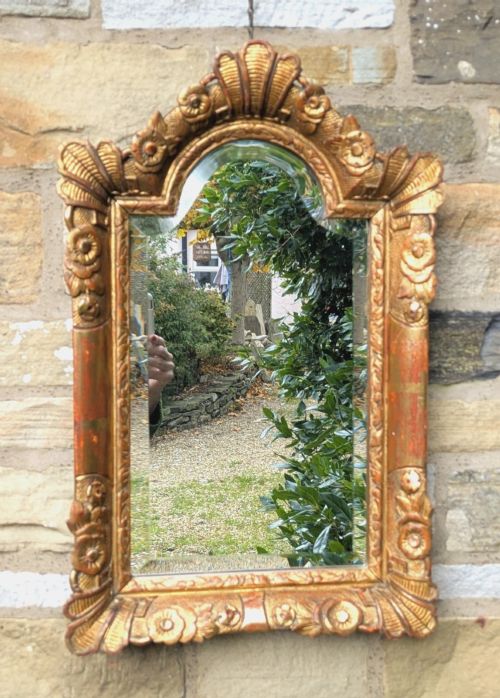
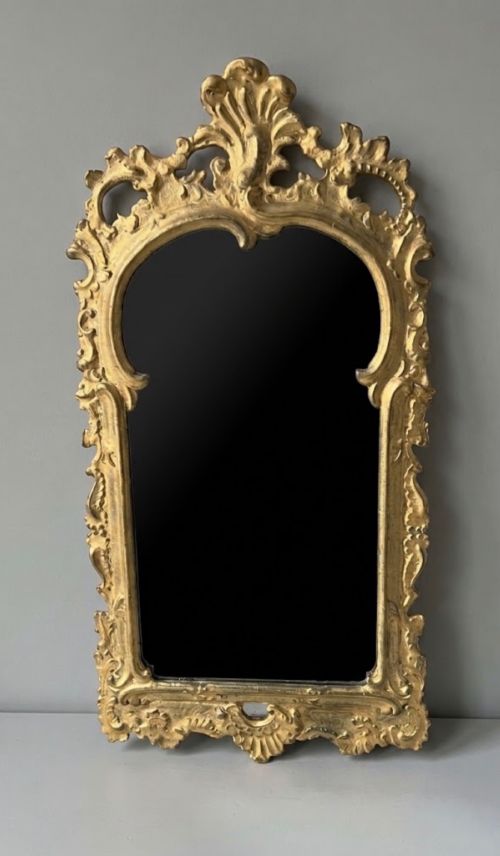
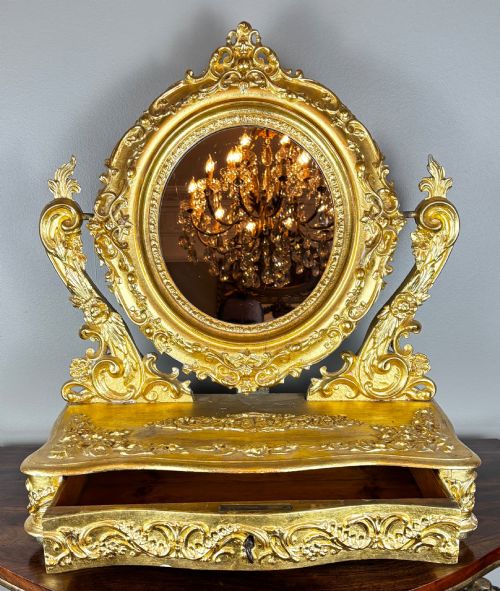
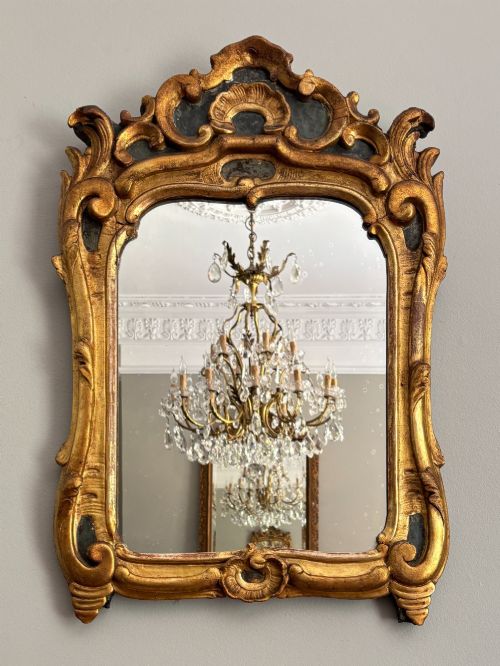
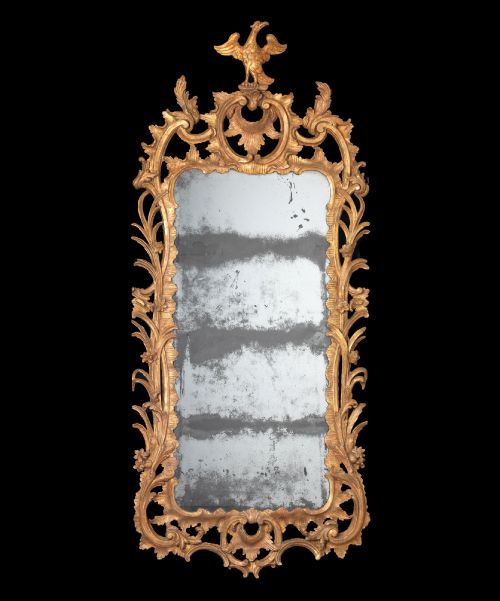
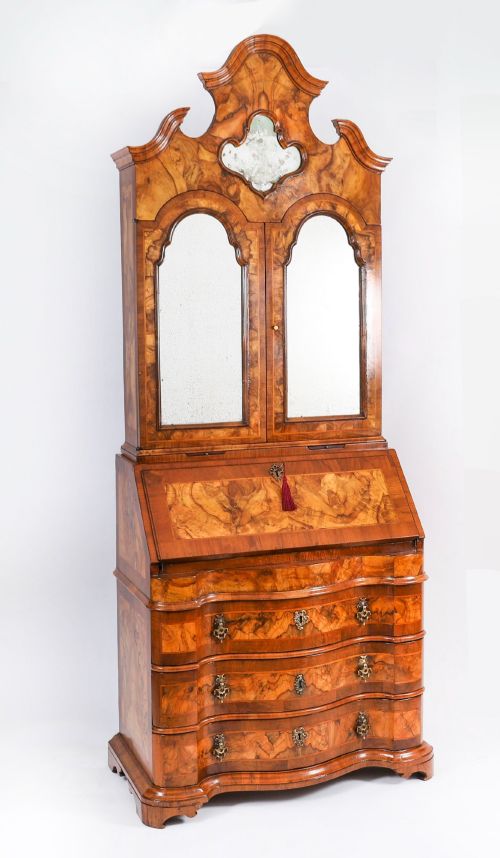
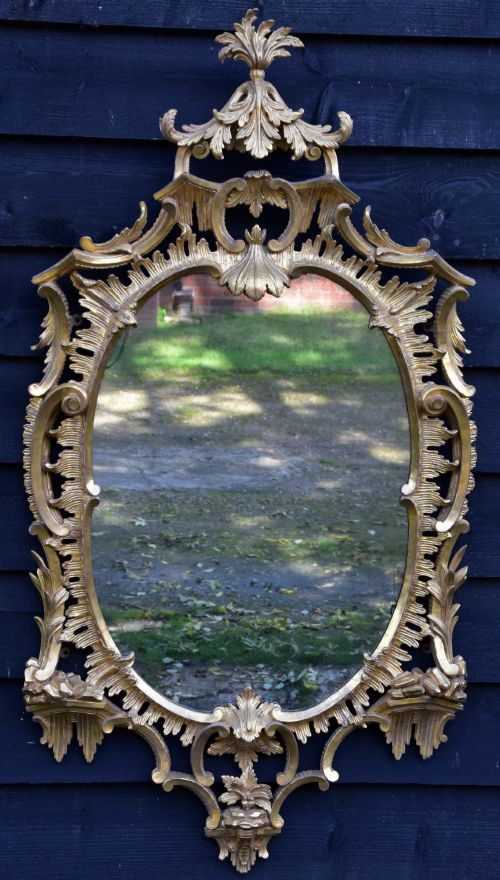
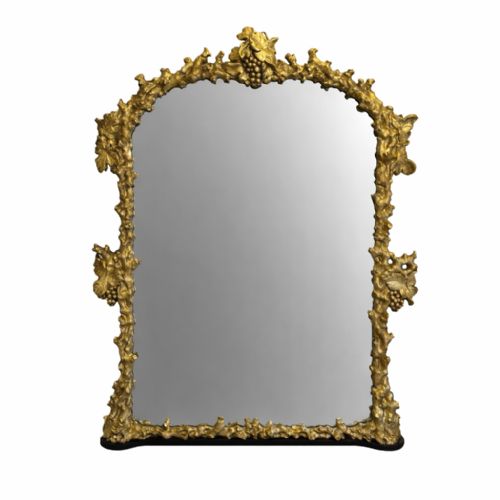
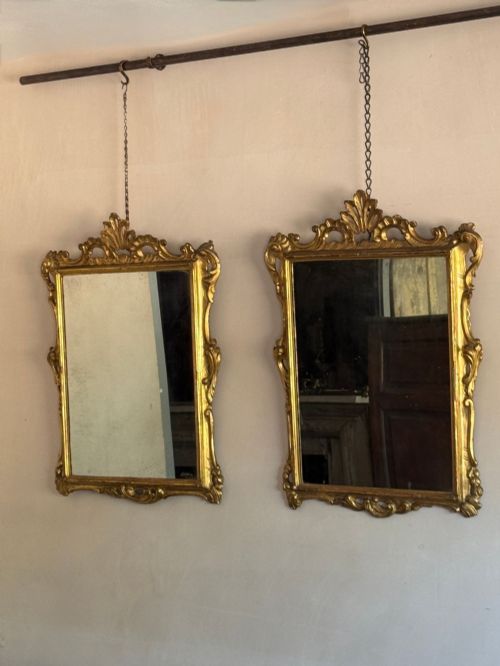
An 18th century rococo mirror encompasses wall mirrors, overmantel mirrors, and smaller dressing or table variants originating from French, Italian, and Georgian workshops. The typical form encountered on this page displays organic scrolls, C-scrolls, and asymmetrical motifs carved into wooden frames.
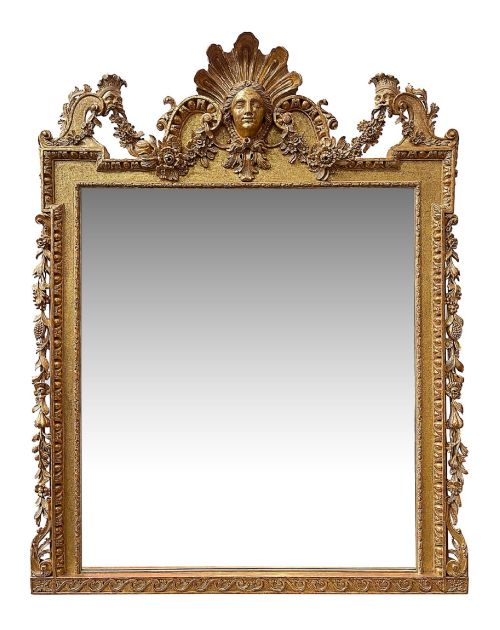
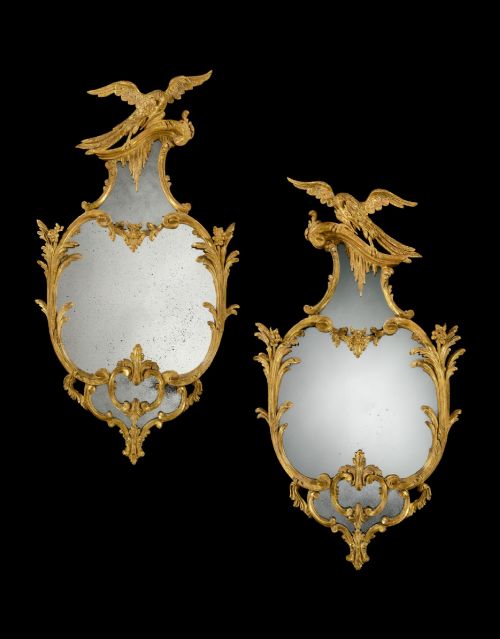
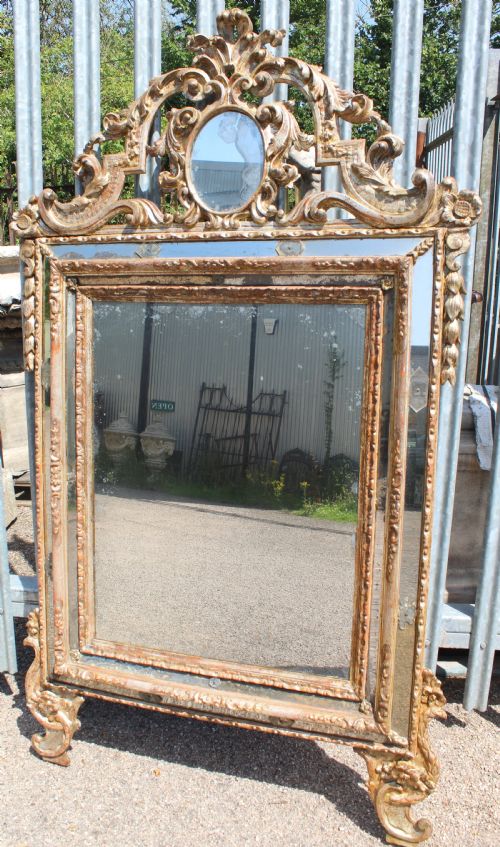
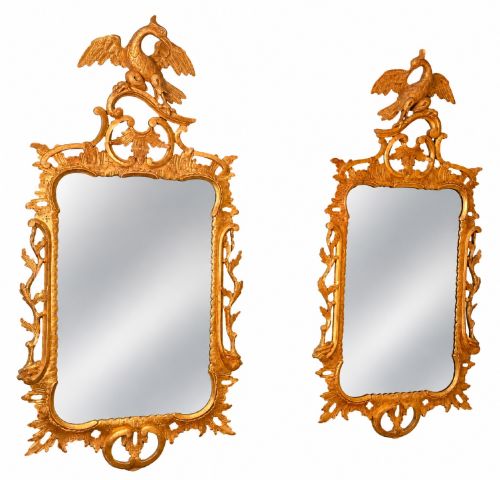
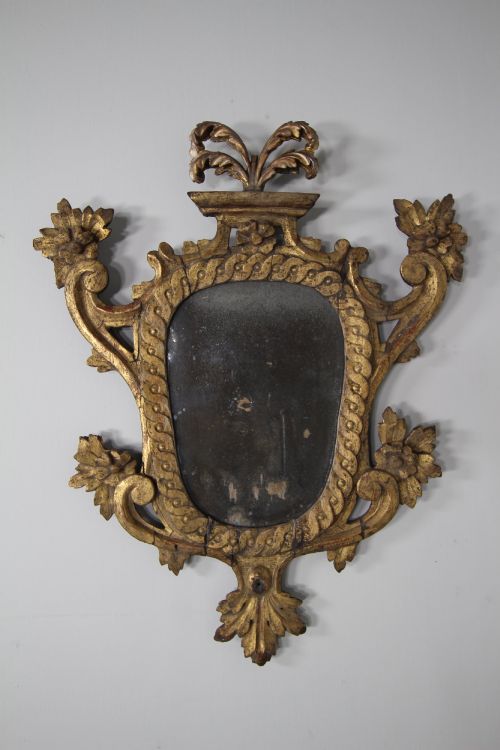
Geographic origin shapes the silhouette, with Venetian and Italian examples frequently adopting cartouche or border designs alongside Murano glass elements. French and English pieces lean towards giltwood frames with carved foliage, birds, or decorative masks embedded in the crest.
Materials and construction
Carved wood provides the structural foundation, utilising timber such as oak, walnut, sycamore, or pine beneath the decorative surface. Gesso is applied over the carved wooden base to build up relief details and smooth contours before gilding takes place.
Gold leaf or silver gilt is laid upon the prepared gesso surface to give the frame its metallic finish. Reflective plates consist of mercury glass or silvered mirror glass, often showing foxing and age spots accumulated over centuries.
18th Century Rococo Mirror Retail Price Guide 2026
Typical asking prices for 18th century rococo mirror among the pieces listed under this phrase on Sellingantiques today, from the lower quarter to the upper quarter. They describe what is for sale here now, not the wider market.
Certain marriage mirrors record historic unions with carved birds perched eternally amid rococo foliage.
Evaluating craftsmanship
Depth and crispness of the wood carving distinguish superior work from simpler production, separating deep undercut scrolls from flat surface decoration. The harmony of the asymmetrical balance dictates the success of the rococo design.
Preservation of the original gilding and the retention of the original mercury glass plate contribute to the integrity of the piece. Subtle details like engraved plates or intact fretwork panels indicate higher workshop standards.
The 18th Century Rococo Mirror Glossary
- Giltwood
- Wood that has been coated with gold leaf over a prepared gesso layer. This finish creates a warm metallic sheen characteristic of period frames.
- Gesso
- A mixture of gypsum or chalk and animal glue used to coat wood frames. It creates a smooth surface suitable for carving fine details and applying leaf.
- Mercury glass
- A type of double-walled silvered glass produced historically using a mercury amalgam. It produces a mottled, reflective quality with dark foxing spots.
- Cartouche
- An ornamental frame resembling a scroll or rolled-up piece of parchment. It often forms the central shape of Italian rococo mirrors.
- Trumeau
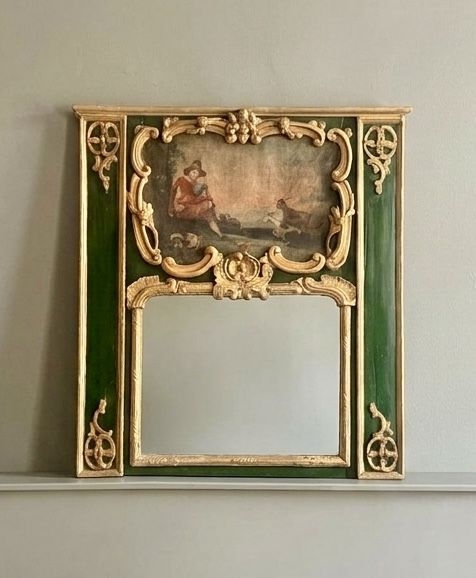
- A decorative wall mirror combined with a painted panel or carved wood panel above the glass. These originate primarily from French interiors.
- Fretwork
- Ornamental pattern work created by cutting designs out of wood using a fretsaw. This technique appears on Chippendale period frames.
18th Century Rococo Mirror: Frequently Asked Questions
How do I hang a heavy giltwood mirror?
Heavy carved wood frames require professional wall fixings secured directly into studs or masonry. Weight distribution must be supported adequately by brackets beneath the frame rather than relying solely on the hanging wire.
Consult a professional restorer or framer to assess the structural integrity of the antique backing and wooden joints before mounting.
What is foxed mirror glass?
Foxing refers to the dark spots, speckles, and mottled degradation that develop on antique mirror plates over long periods. This chemical reaction occurs as atmospheric moisture interacts with the silvering behind the glass.
Collectors often value foxed plates because they confirm the age and originality of the mirror glass.
Can I place these mirrors in a bathroom?
High humidity and fluctuating temperatures can damage historic gesso, delicate gold leaf, and aged wooden frames. Moisture accelerates the deterioration of original mercury glass plates and adhesives.
Keep these pieces in dry, stable living spaces away from direct steam and water exposure to preserve the finish.
How do I clean an antique gilt frame?
Dust frames gently with a soft, dry brush or feather duster to remove surface particles. Avoid liquid cleaners, chemical solvents, and abrasive cloths that can strip the delicate gold leaf or gesso.
Professional conservators should handle any deep cleaning or restoration of the gilded surface.