







Italian Rococo Pier Mirrors
Italian rococo pier mirrors bring dramatic architectural presence and fluid, asymmetrical carving into a room, capturing the theatrical spirit of eighteenth-century design.
Italian Rococo Pier Mirrors
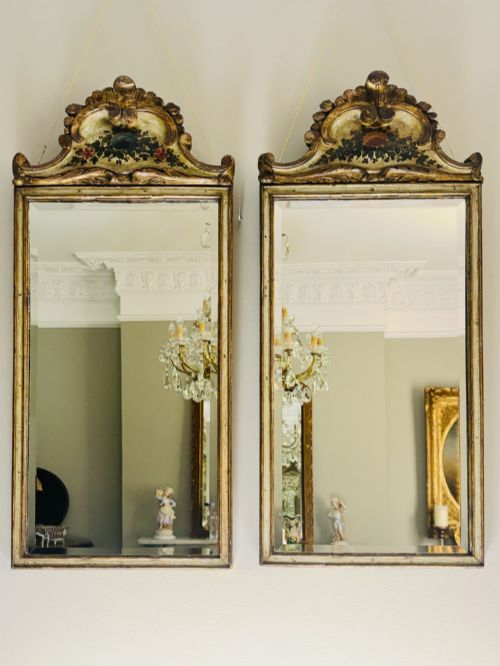
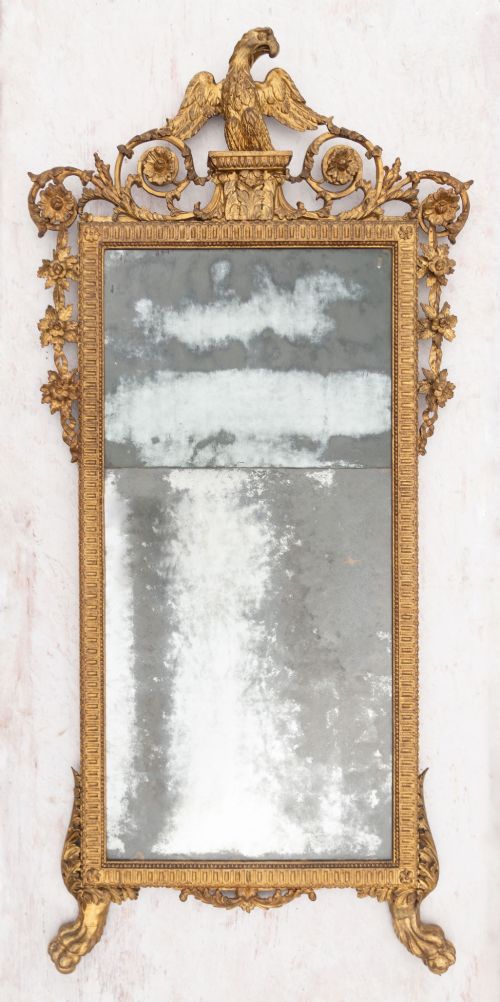
When you search for italian rococo pier mirrors, you encounter grand vertical wall glasses designed to sit between windows on a pier wall, often accompanied by matching console tables. These pieces originate primarily from Venice, Florence, and northern Italian workshops across the eighteenth and nineteenth centuries.
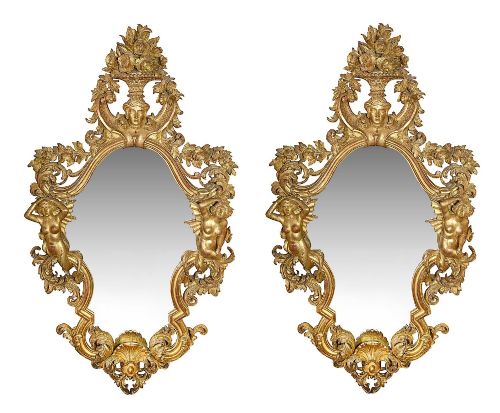
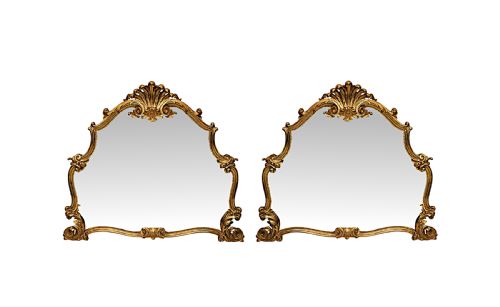
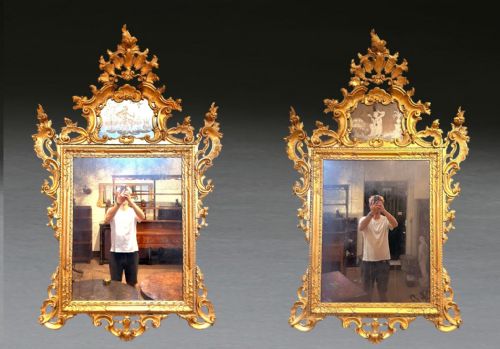
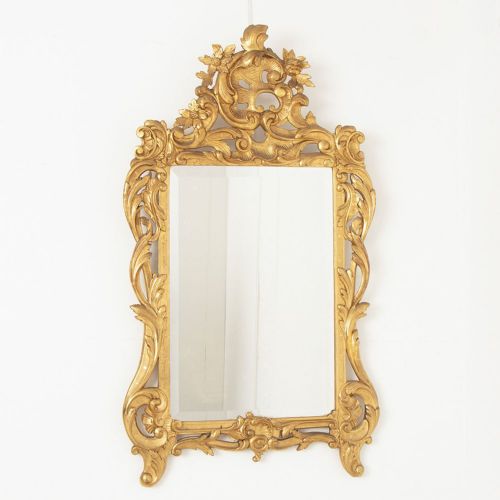
The versions most commonly met on this page date from the nineteenth century, including revival pieces that emulate eighteenth-century models. They appear as large single plates or dramatic pairs, utilising carved wood frames shaped with characteristic scrolls and crestings.
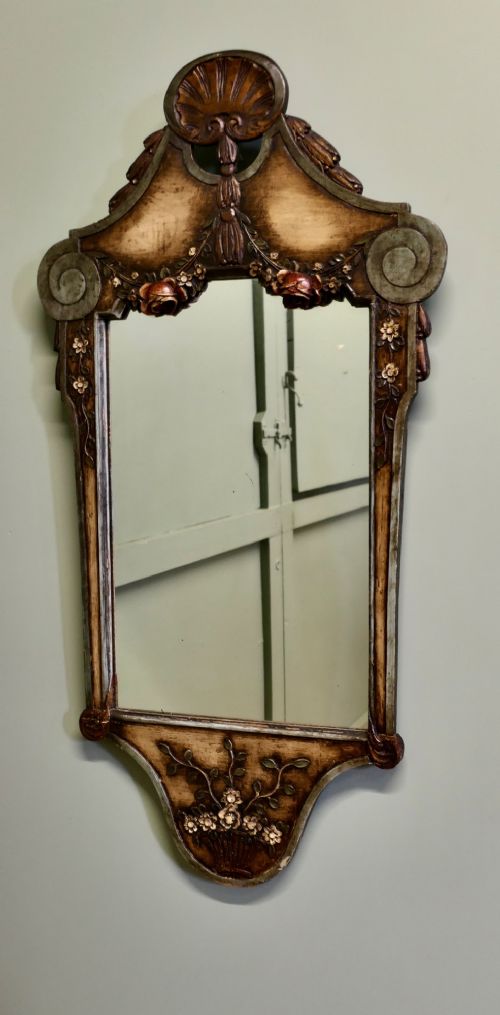
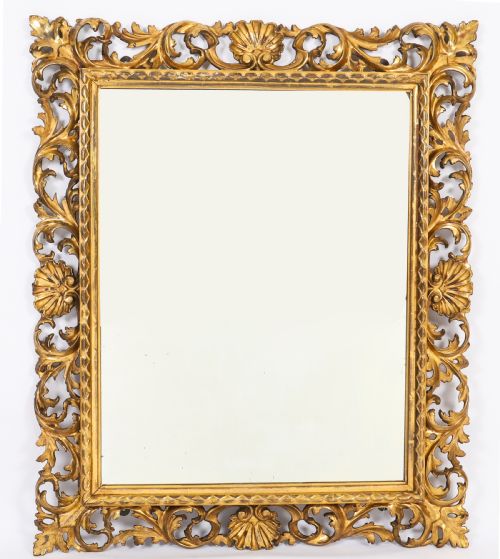
Objects range from giltwood wall mirrors to console table and mirror sets and pier glasses with hand-painted surfaces. Eighteenth-century examples sit alongside nineteenth-century interpretations sharing the same regional decorative vocabulary.
How they were made
Frames rely on carved wood and gesso applied to a wooden base, providing the smooth foundation necessary for subsequent finishing. Carvers worked wood into deep, flowing scrollwork and asymmetrical motifs characteristic of the style.
Surfaces are finished with gold leaf, silver leaf, or polychrome paint, often layered over gesso grounds. Gilding and paint work together to highlight the intricate relief of Florentine and Venetian frames.
Italian Rococo Pier Mirrors Retail Price Guide 2026
Typical asking prices for italian rococo pier mirrors among the pieces listed under this phrase on Sellingantiques today, from the lower quarter to the upper quarter. They describe what is for sale here now, not the wider market.
Object types include wall mirrors, console tables, and dressing mirrors originating from Italian workshops in Venice and Florence.
What varies in quality
The depth and crispness of the wood carving distinguish finer examples from simpler production. Master carvers achieved fluid, undercut foliage and scrolls that retain sharp definition through layers of gesso and gold leaf.
The integrity of the original surface finish determines the character of the piece. Retaining untouched original gilding or authentic hand-painted polychrome decoration preserves the historical authenticity prized by collectors.
Proportion and scale dictate the visual impact of a pier glass. Pieces where the mirror plate and the carved frame exist in harmonious balance demonstrate superior design and workshop capability.
The Italian Rococo Pier Mirrors Glossary
- Pier mirror
- A tall, narrow mirror designed specifically to hang on the wall space between two windows. These pieces frequently sit directly above matching console tables.
- Giltwood
- Timber that has been coated with a thin layer of gold leaf over a prepared gesso ground. This technique creates a luminous surface finish characteristic of antique Italian frames.
- Gesso
- A plaster-like mixture applied to wood frames to create a smooth surface for carving and gilding. It allows for crisp detail work before the application of gold leaf or paint.
- Girandole
- A wall-mounted mirror featuring attached candle sconces that reflect light into the room. Eighteenth-century Venetian versions often incorporate this lighting function.
- Polychrome
- Decorated in multiple colours using paint. This surface treatment appears on northern Italian frames alongside traditional gilding.
Italian Rococo Pier Mirrors: Frequently Asked Questions
Where should I hang a pier mirror?
These tall glasses fit naturally on narrow wall spaces between windows or above low console tables. Their vertical proportions draw the eye upward and reflect natural light deep into reception rooms.
Historically, they anchored formal room schemes by filling architectural gaps between structural openings. Positioning one above a suitable table re-creates this traditional arrangement.
How do I distinguish eighteenth-century pieces from nineteenth-century revivals?
Examination of the timber, gesso structure, and mirror glass plate reveals the period of manufacture. Eighteenth-century examples show distinct hand-tool marks and aged silvering characteristics.
Nineteenth-century revival pieces utilise similar carved techniques but often display different wood ageing patterns and plate construction. Comparing the construction details against documented regional styles clarifies the date.
What is a console table and mirror set?
This combination pairs a wall-mounted pier glass with a matching floor-standing table positioned directly beneath it. The frames and decorative motifs coordinate to create a unified architectural unit.
Such sets served as focal points in grand reception rooms, often featuring marble tops on the tables and matching gilding throughout.
How do Venetian mirrors differ from Florentine ones?
Venetian pier glasses often incorporate engraved glass elements, silver-leaf finishes, and delicate polychrome highlights reflecting lagoon aesthetics. They lean towards lighter, highly ornate glasswork.
Florentine frames typically emphasise deep, heavy wood carving, rich giltwood surfaces, and bold baroque or rococo scrolls. Both regional styles utilise distinct decorative vocabularies.