


Gold Leaf Cabinet Plate
A gold leaf cabinet plate brings hand-painted porcelain and rich gilding together for display rather than the dining table.
Gold Leaf Cabinet Plate
When you search for a gold leaf cabinet plate, you encounter decorative porcelain dishes produced across the nineteenth and early twentieth centuries for visual display. These pieces appear in forms such as cabinet plates, dishes, and chargers created by major English and continental factories.
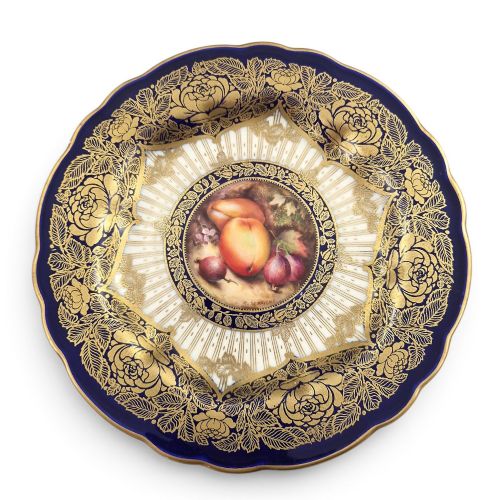
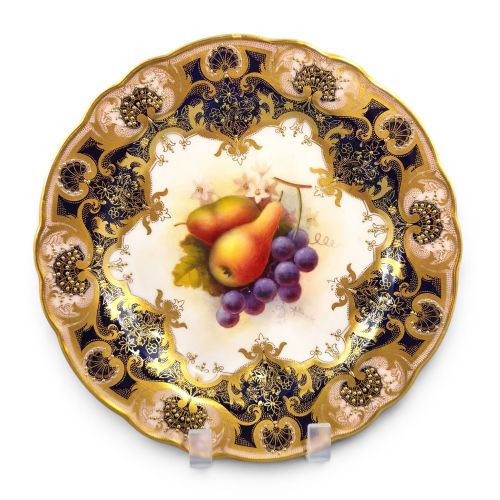
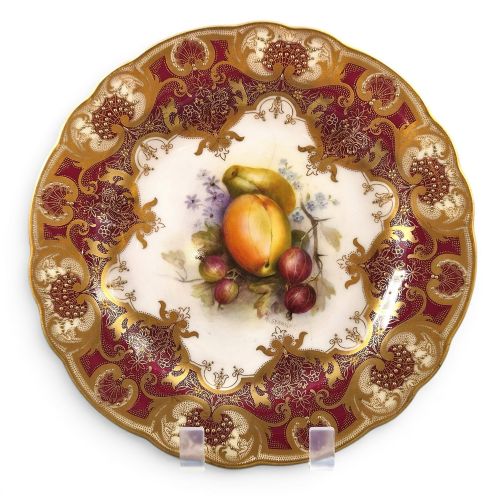
The selection on this page centres on porcelain and bone china adorned with gold leaf, gilt, and enamel highlights. You find Victorian, Edwardian, and Art Deco examples featuring hand-painted botanical studies, mythological scenes, and birds.
Most items on this page originate from established makers including Royal Worcester, Royal Doulton, Minton, and Vienna. These serve as focal points in a room, designed historically for display in glass-fronted cabinets or on sideboards rather than for serving food.
Materials and production methods
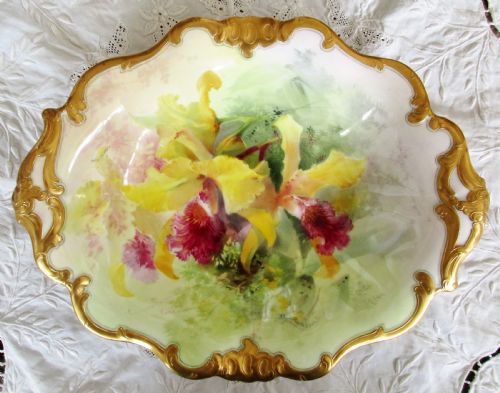
Potteries shaped fine porcelain and bone china into plates, chargers, and basketweave dishes before applying initial kiln-fired glazes. Artisans then painted detailed subjects by hand, including botanical orchid studies, game, fruit, and classical figures.
Workers applied gold leaf, gold gilding, and enamel work to the borders and rims, often using raised paste gilding to create tactile, reflective patterns. A further firing fixed the metallic leaf and enamel pigments to the porcelain body.
Painters such as Richard Sebright and Albert Shuck are recorded on signed Royal Worcester works within the inventory.
Assessing craftsmanship and finish
Quality depends upon the skill of the hand-painted decoration, ranging from standard floral transfers with light gilt borders to fully signed artistic works depicting fruit, birds, or mythological scenes by named painters. The precision of the brushwork and the complexity of the subject matter dictate the distinction.
The application of the gold leaf and gilding marks another division, where raised and chased gold work requires superior technical mastery compared to flat gilt bands. The weight and whiteness of the porcelain body also contribute to the overall standard of the piece.
Royal Worcester·Royal Doulton·Minton·Coalport·Meissen·Derby·Barr Flight and Barr
The Gold Leaf Cabinet Plate Glossary
- Cabinet plate
- A decorative porcelain plate intended for display in a cabinet rather than for table use. These typically feature elaborate hand-painted scenes and rich gilding.
- Gilt
- A thin layer of gold applied to the surface of porcelain. It provides metallic highlights along the rim and borders.
- Pate sur pate
- A ceramic decoration technique where layers of slip are built up to create a raised cameo-like relief design on a contrasting background. Minton utilised this method on high-grade porcelain.
- Charger
- A large decorative plate or dish used primarily for display. Nineteenth-century examples often depict classical or historical narratives.
- Bone china
- A type of porcelain containing bone ash, producing a strong, white, and translucent body. English factories frequently employed this material for painted wares.
Gold Leaf Cabinet Plate: Frequently Asked Questions
What is a cabinet plate?
A cabinet plate is a decorative ceramic piece designed purely for display in a cabinet or on a wall rather than for dining use. They usually display intricate hand-painted artwork and rich gilding.
These items were produced in large numbers by nineteenth and twentieth-century porcelain factories to showcase the highest skill of their painters and gilders.
How do I display these plates?
You can display these plates in glass-fronted cabinets, on dedicated plate stands on sideboards, or securely mounted on walls. Positioning them away from direct sunlight protects the enamel colours and gold leaf.
Ensure any wall hangers or stands use padded contact points to avoid scratching the porcelain body or the gilt rims.
Can I use them for food?
These pieces are intended for decorative display rather than culinary use. Historic glazes, delicate hand-painted enamel, and applied gold leaf can wear away or react poorly with food and frequent washing.
Using them as tableware risks damaging the artistic surface and any artist signatures present on the front or reverse.
How do I clean gold leaf porcelain?
Dust the surface gently with a soft, dry feather duster or a clean, dry microfibre cloth. Avoid chemical cleaners, abrasive cloths, or immersion in water, as these can harm the gilding and enamel.
If more thorough cleaning is necessary, consult a professional conservator to prevent accidental loss of the hand-painted details.