

Gold Gilt Urns
When you search for gold gilt urns, you are looking at decorative and functional vessels shaped by neoclassical tastes, French influence, and nineteenth-century revival styles.
Gold Gilt Urns
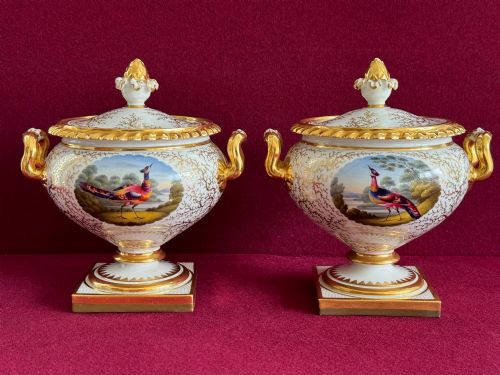
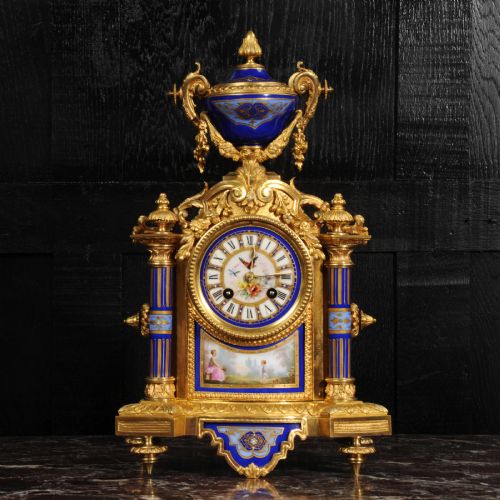
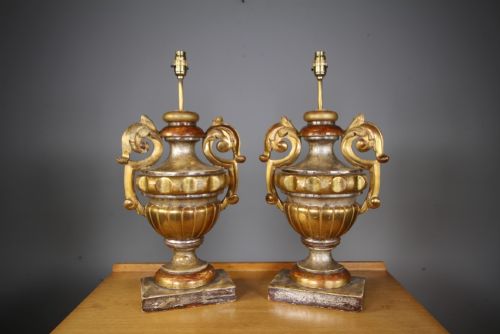
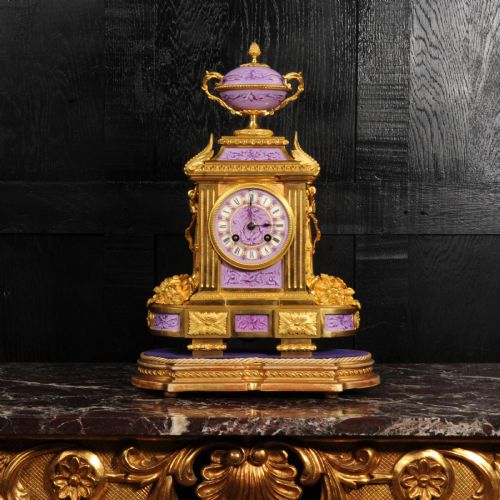
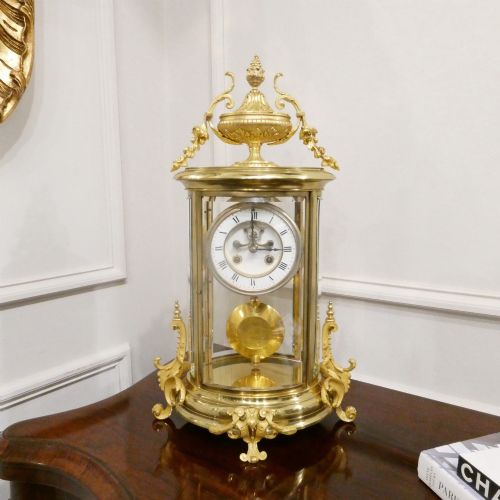
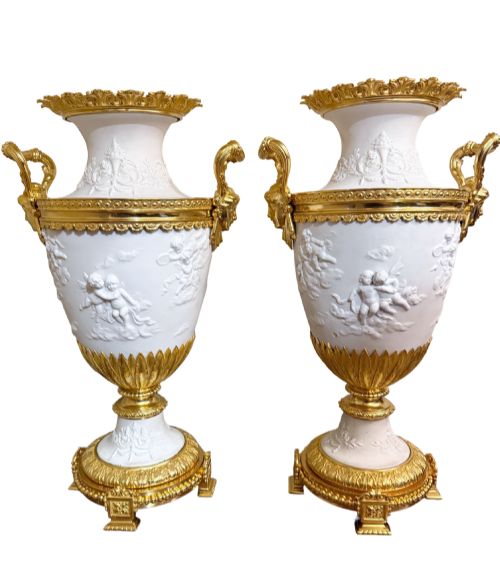
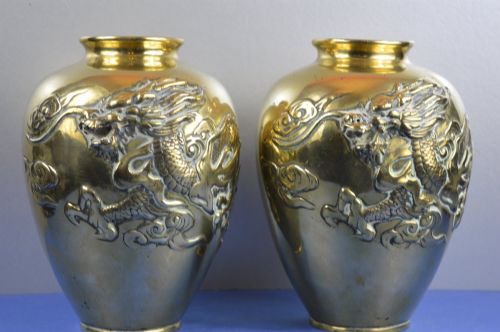
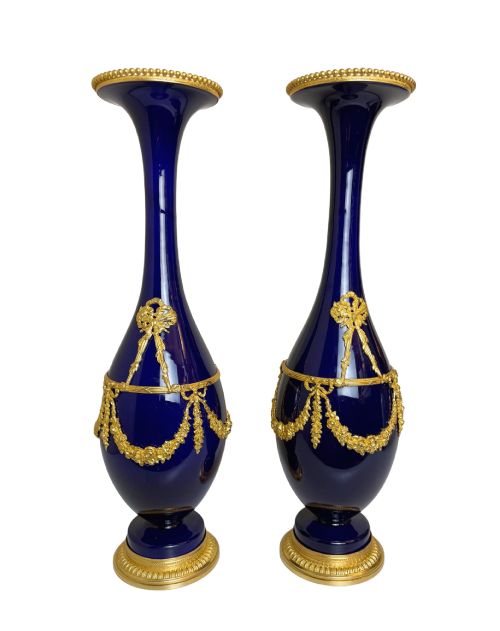
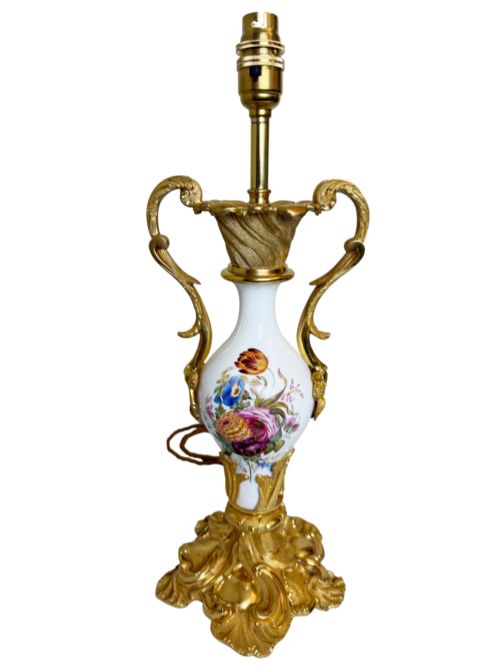
Gold gilt urns encompass ornamental vessels, lamps, and clocks produced across the eighteenth and nineteenth centuries, drawing heavily on classical forms like the Warwick vase. You will most frequently encounter nineteenth-century decorative urns and vases mounted in gilt bronze or ormolu, alongside porcelain pieces finished with gold leaf.
The aesthetic leans heavily into Neoclassical, Regency, and Louis XVI styles, reflecting a long fascination with antiquity. Makers from English potteries to French bronze foundries adapted these ancient shapes for drawing rooms, mantelpieces, and grand entrance halls.
How they were made
The construction of these pieces relies on the pairing of cast metals like ormolu and gilt bronze with fine ceramics, porcelain, and carved pine giltwood. Artisans shaped bronze through casting and chasing before applying mercury gilding or gold leaf to achieve a durable, luminous surface.
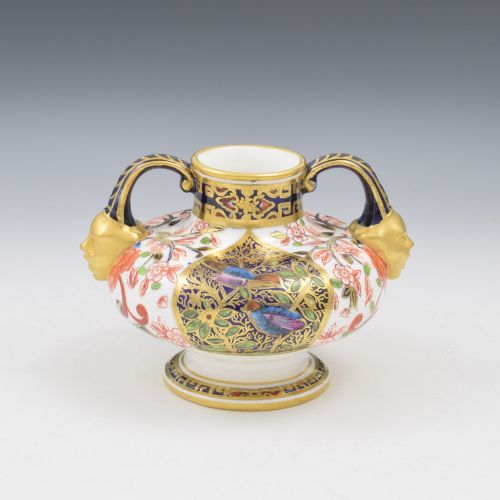
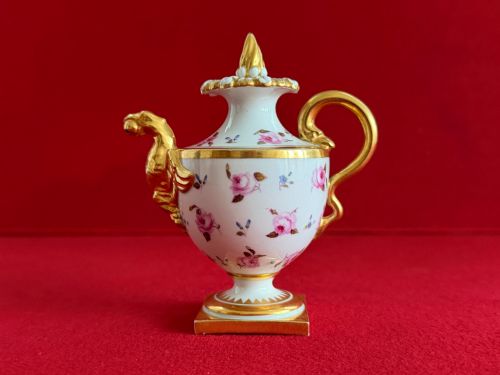
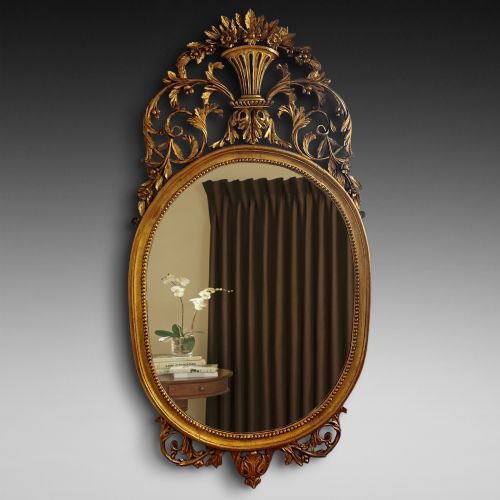
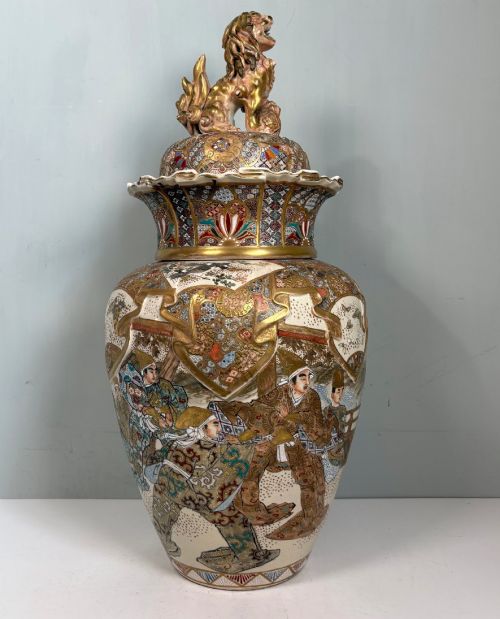
Ceramic bodies, from Derby and Sèvres-style porcelain to Satsuma earthenware, were hand-painted and glazed before receiving intricate gilt highlights. Wood elements like frames and pedestals required skilled carving and gesso application prior to gilding.
Several pieces owe their existence entirely to eighteenth-century travellers buying ancient Italian plumbing relics and calling them art.
What varies in quality
Quality rests in the crispness of the bronze chasing, the depth and adhesion of the gold leaf or ormolu, and the finesse of any hand-painted ceramic decoration. Superior examples show meticulous detail in cast motifs like rams heads, acanthus leaves, and classical figures, where lesser pieces can appear soft and indistinct.
The integrity of the underlying material also dictates value, from heavy, finely cast bronze assemblies to well-seasoned carved giltwood. Original components, consistent gilding wear, and documented maker attributions elevate a piece far above standard decorative items.
Achille Brocot·Samuel Marti·Casier·George Robertson
The Gold Gilt Urns Glossary
- Ormolu
- A golden-coloured alloy of copper, zinc, and sometimes nickel, used to imitate gold and applied to bronze mounts. It requires precise casting and acid-dipping to achieve its characteristic matte and burnished finish.
- Giltwood
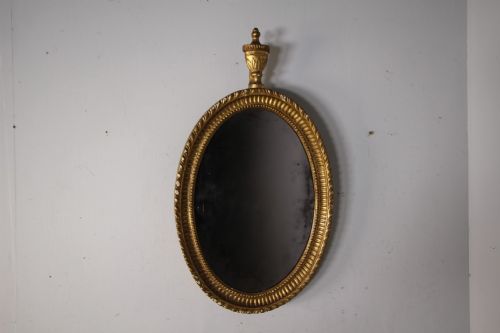
- Timber, usually pine or gesso-coated wood, covered with thin sheets of gold leaf. This technique was standard for mirrors, sconces, and decorative frames during the Georgian and Victorian eras.
- Sèvres
- A famous French porcelain manufactory known for soft-paste and hard-paste porcelain decorated with rich ground colours and heavy gilding. Pieces bearing its mark or style often feature pastoral scenes or exotic birds.
- Neo-classical
- A style spanning the eighteenth and nineteenth centuries that revived the motifs of ancient Greece and Rome. It prioritises symmetry, restraint, urn shapes, and architectural details.
- Ewers
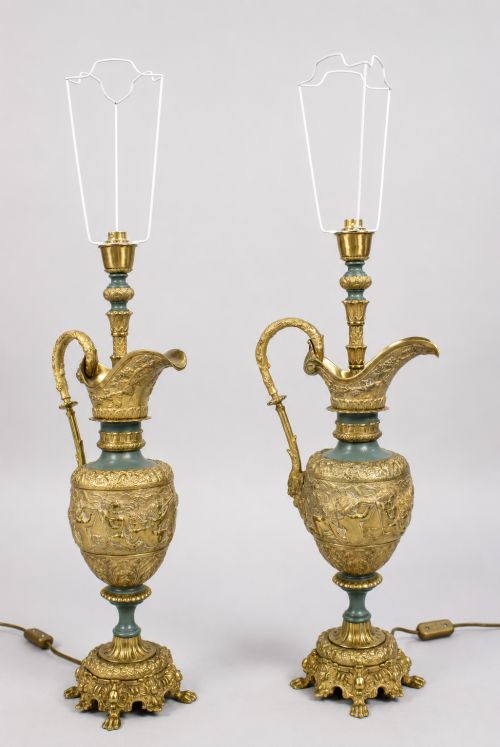
- Large jugs or pitcher-like vessels with wide spouts and looped handles, frequently produced in bronze or porcelain as ornamental companions to urns.
Gold Gilt Urns: Frequently Asked Questions
What are gold gilt urns made from?
These pieces combine metals like gilt bronze, brass, and ormolu with ceramics, porcelain, and carved giltwood. Many incorporate marble bases or enamel details to enhance their visual weight.
The choice of material often reflects the origin, with French workshops favouring ormolu mounts and English makers focusing on porcelain and carved timber.
How do I date a nineteenth-century urn?
Dating relies on stylistic clues, mounting techniques, and ceramic bodies. Neoclassical revivals in the mid to late nineteenth century often mimic earlier Georgian or French court designs.
Examine the casting quality of the bronze and the composition of the ceramic body to narrow down the decade of production.
Were these urns used for ashes?
Most of these decorative vessels served purely as ornaments, mantelpiece garnitures, or were later converted into table lamps. Their intricate porcelain bodies and open handles make them unsuitable for practical storage.
Wealthy households displayed them on pedestals, consoles, and mantelpieces to signal classical learning and refined taste.
How should I clean gilt bronze?
Gilt surfaces require gentle dusting with a soft brush or a dry microfibre cloth. Avoid harsh chemical cleaners, polishes, or water, which can strip the thin layer of gold leaf or ormolu.
Preserving the original aged patina is essential for maintaining the historical and aesthetic integrity of antique metalwork.