

Gold Gilt Trumeau Mirror
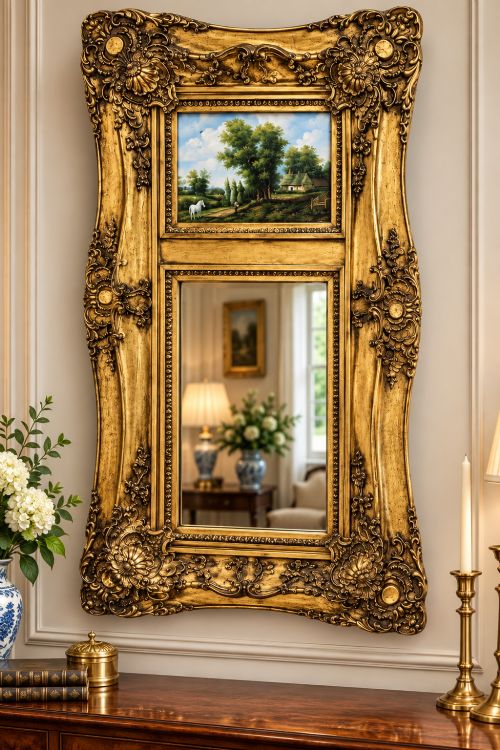
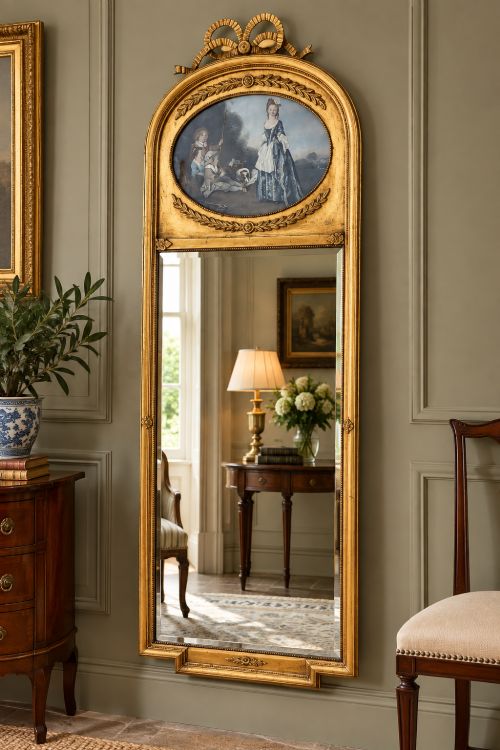
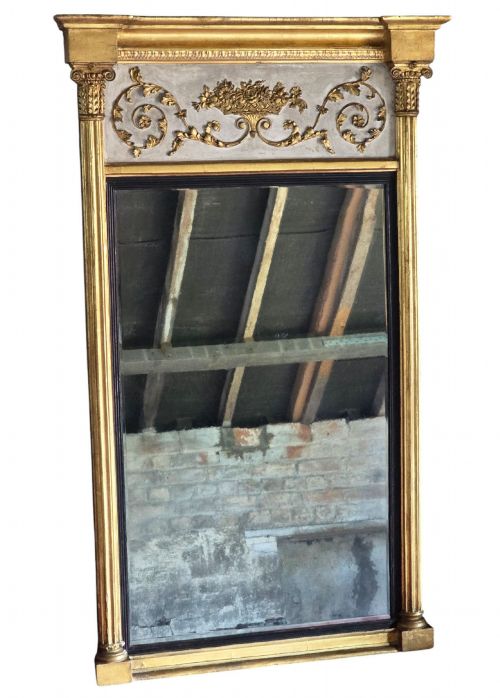
A gold gilt trumeau mirror combines architectural framing with oil painting or decorative panels, bringing height and light to a room.
Gold Gilt Trumeau Mirror
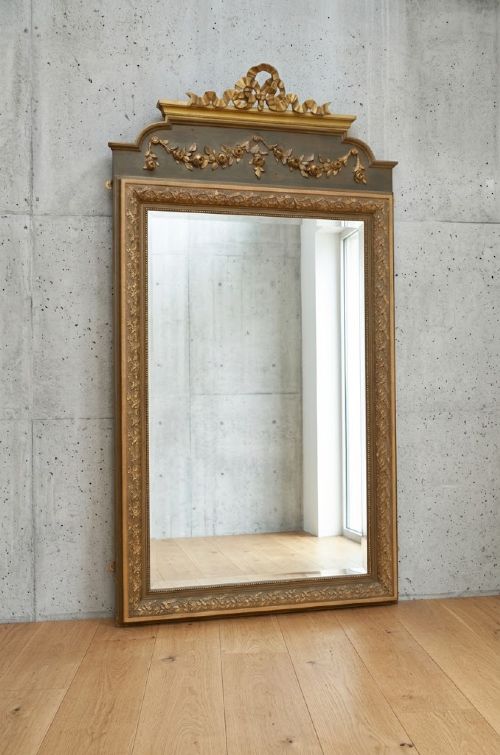
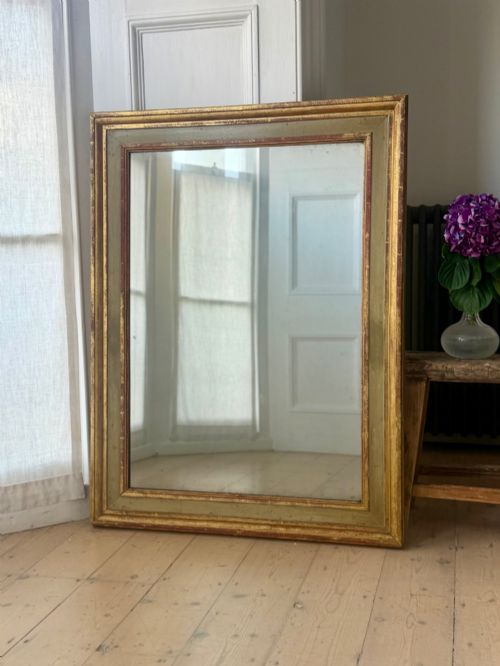
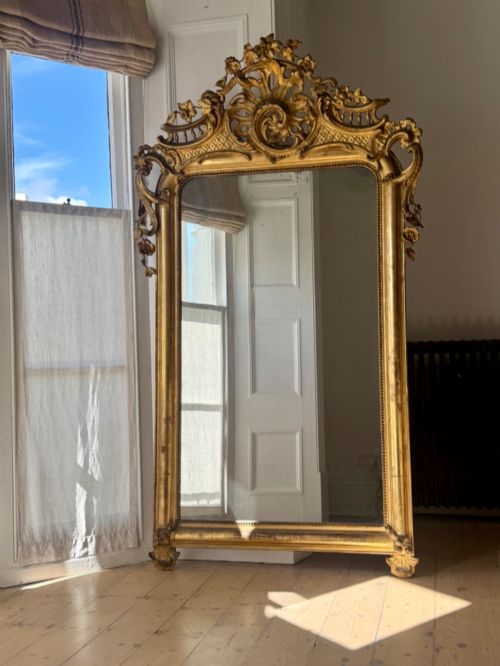
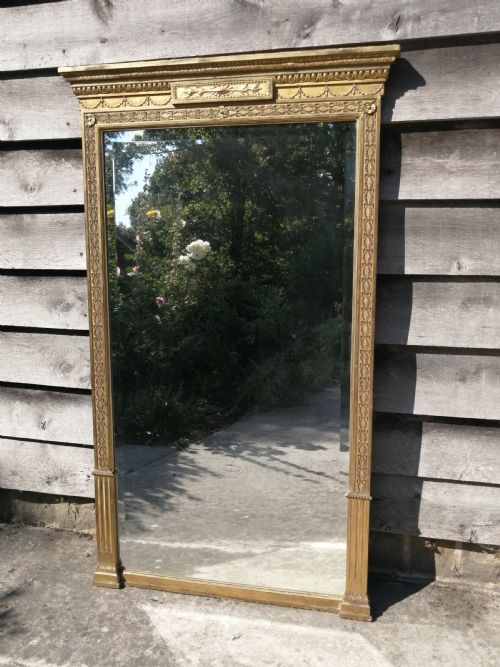
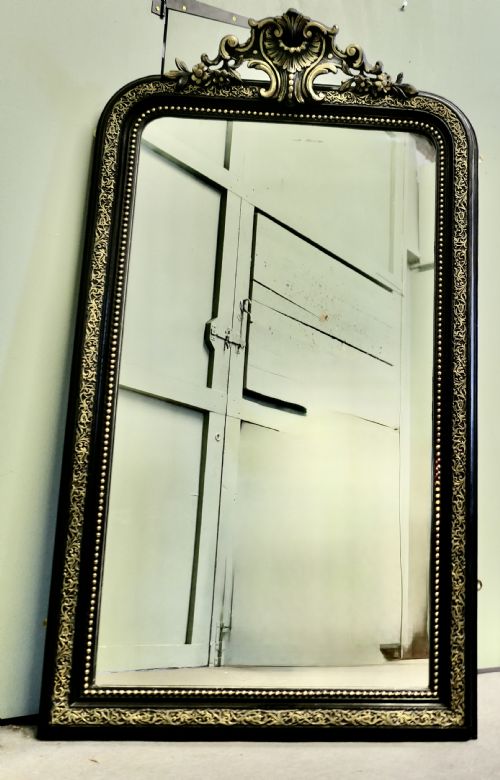
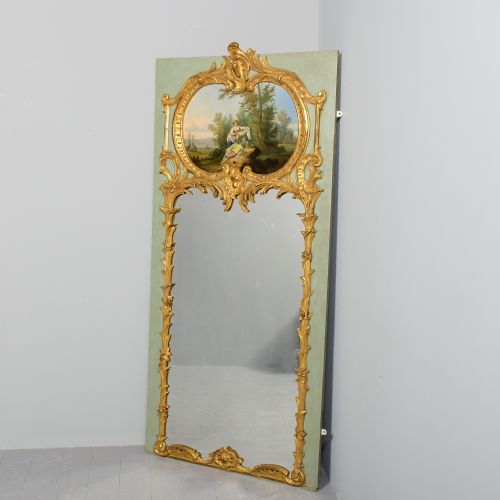
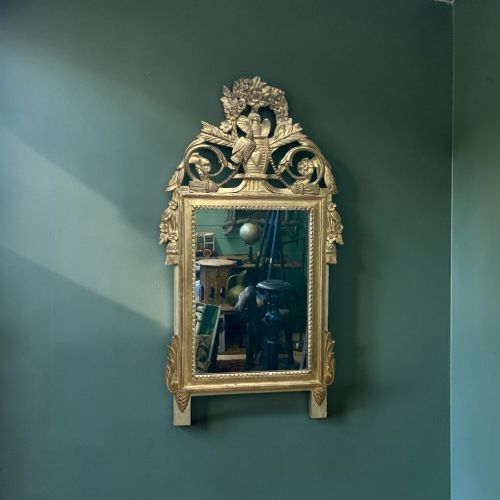
A gold gilt trumeau mirror functions as a wall-mounted glass plate paired with an upper artwork or decorative panel, originating primarily from French and Regency traditions. These decorative objects span from the 18th century through to the early 20th century, encompassing styles such as Louis XVI, French Empire, and Rococo. The selection on this page relies heavily on French examples, often integrating oil paintings or painted woodwork directly into the frame.
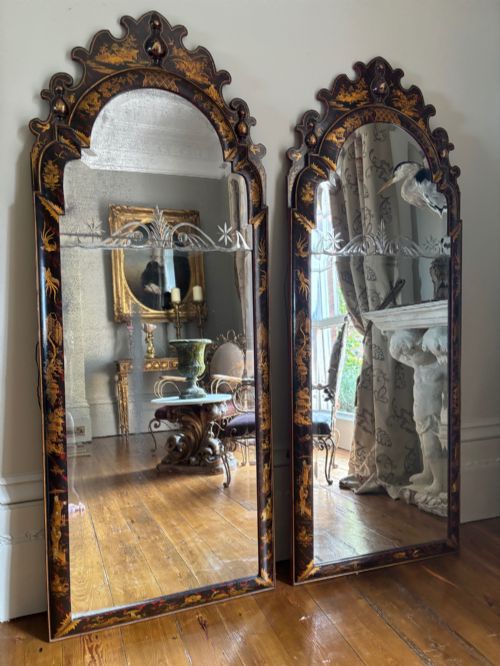
Buyers encounter pier mirrors and overmantel mirrors alongside dedicated trumeau forms, positioned between windows or above fireplaces. The frames frequently display carved giltwood, gesso, and painted wood finishes in combinations of gold leaf and olive green or black. Certain pieces incorporate specific regional touches, including Swedish mahogany frames or Chinoiserie motifs.
How They Were Made
Maker workshops built these structures from wood, applying layers of gesso to carve intricate surface details before gilding with gold leaf or applying paint. Many of the earlier examples utilise mercury glass plates, distinguishable by their characteristic depth and minor surface speckling.
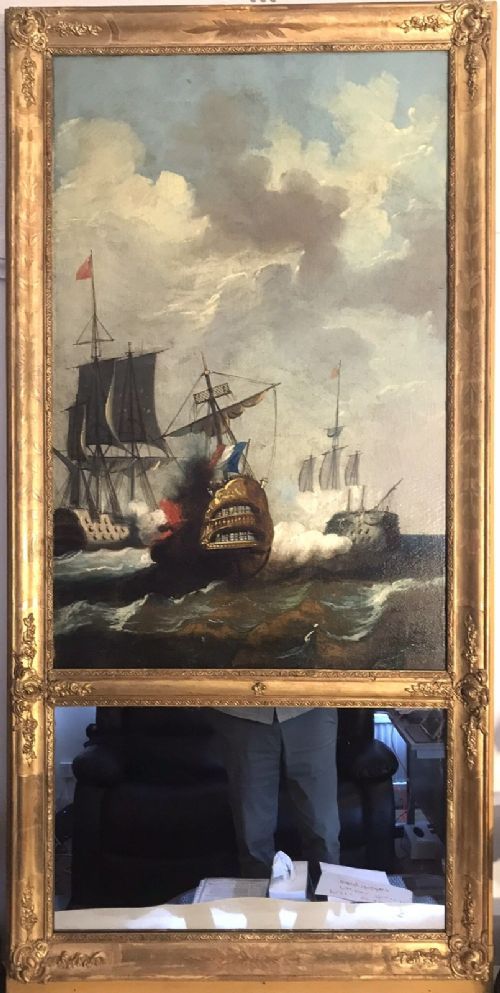
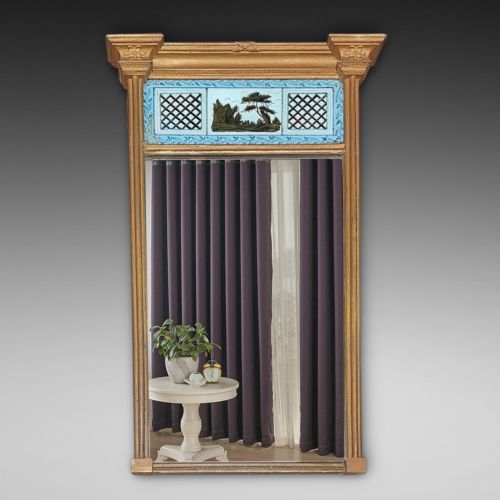
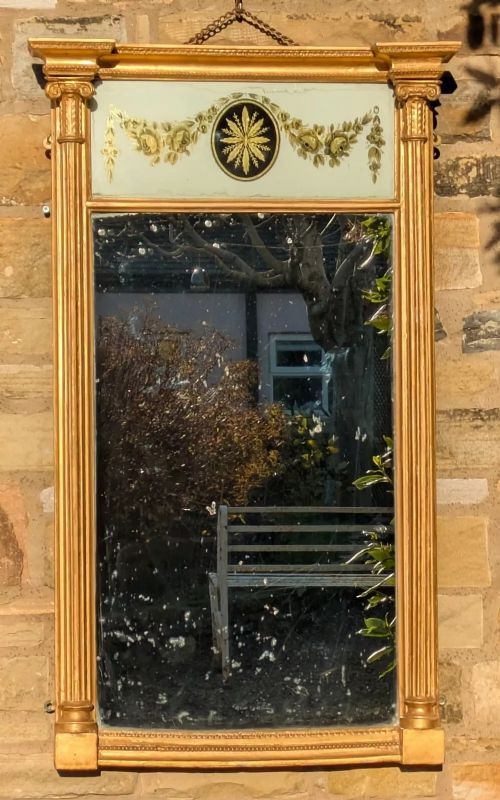
Upper panels in trumeau configurations often feature canvas supports for oil paintings, such as seascapes with galleons, or decorative verre églomise panels. Frames range from carved giltwood to parcel-gilded painted timber, constructed to fit tall vertical proportions.
Gold Gilt Trumeau Mirror Retail Price Guide 2026
Typical asking prices for gold gilt trumeau mirror among the pieces listed under this phrase on Sellingantiques today, from the lower quarter to the upper quarter. They describe what is for sale here now, not the wider market.
Listings span the 18th century to 1930, featuring Giltwood, Gesso, and painted wood alongside canvas and mercury glass.
What Varies in Quality
The sophistication of the carved gesso and the crispness of the giltwood ornamentation define the upper tier of these pieces. Hand-carved wooden details executed with depth separate workshop output from simpler decorative constructions.
Originality determines distinction, particularly the presence of untouched mercury glass plates and contemporary oil paintings or verre églomise panels rather than later replacements.
The Gold Gilt Trumeau Mirror Glossary
- Trumeau Mirror
- A wall mirror featuring an integrated upper panel, often containing an oil painting or decorative wooden carving.
- Gesso
- A plaster-like mixture applied to wood frames to provide a smooth surface for subsequent carving and gilding.
- Verre Églomise
- A cold decoration technique involving the application of gold or silver leaf onto glass, combined with reverse painting.
- Mercury Glass
- Silvered glass produced using a mercury amalgam process before modern vacuum-silvering methods replaced it in the mid-19th century.
- Pier Mirror
- A tall mirror designed specifically to hang on the narrow wall space between two windows.
Gold Gilt Trumeau Mirror: Frequently Asked Questions
Where should I hang a trumeau mirror?
These mirrors suit placement above mantelpieces or on tall, narrow wall sections between windows where their vertical proportions fit naturally.
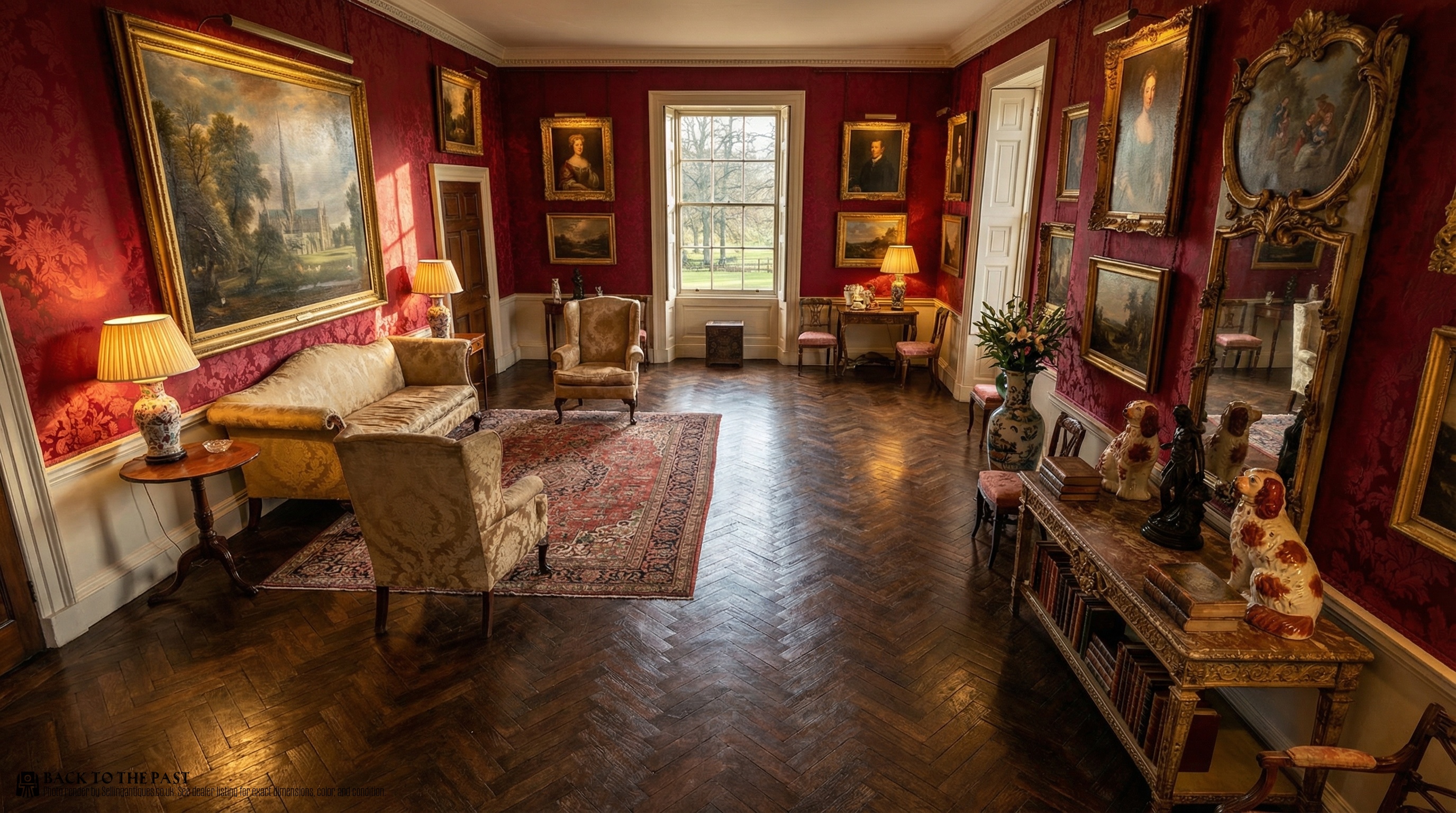
Their combined mirror plates and painted upper panels also function well above low console tables to reflect natural light across a room.
How do I identify mercury glass?
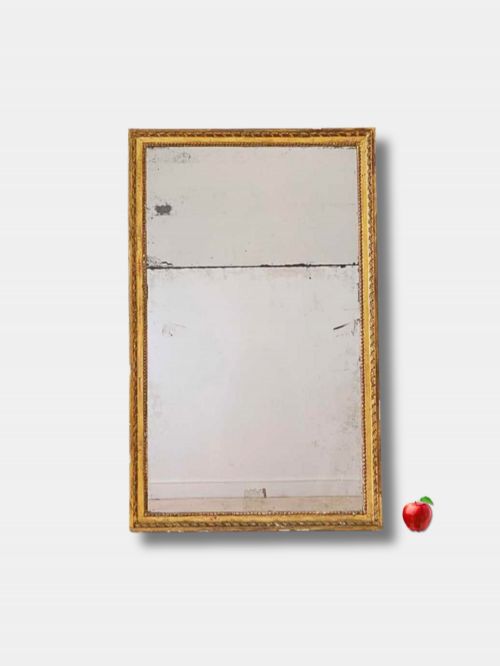
Older mirror plates display a characteristic darker reflection with subtle clouding, unevenness, and small dark speckles trapped behind the glass.
These visual traits result from the historical amalgamation method used before the invention of modern chemical silvering.
What is a verre eglomise panel?
Verre églomise involves painting and applying metal leaf onto the reverse side of a glass panel to create a decorative motif.
In these mirrors, you find this technique used on the upper panel above the main glass plate.
Are these mirrors French in origin?
Many examples originate from France, spanning periods from Louis XVI and the 18th century through to the Belle Époque.
The listings also include Regency, Georgian, and Swedish pieces alongside French output.