


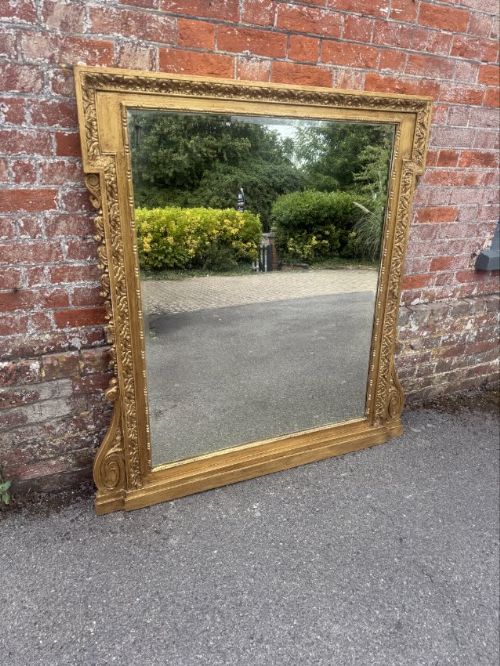
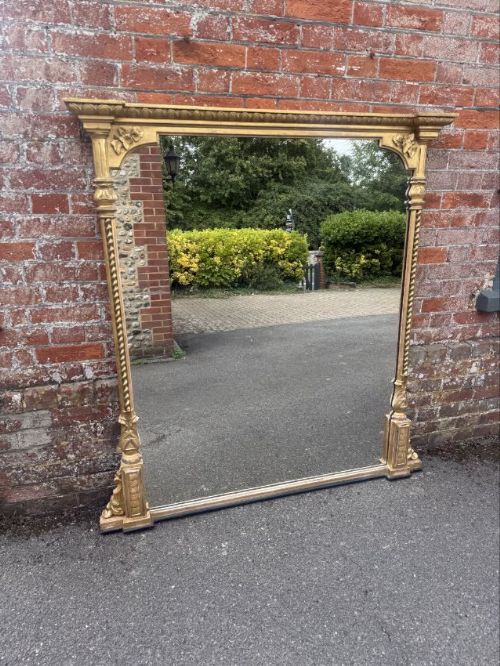
Gold Gilt Framed Mirror
A gold gilt framed mirror brings immediate light and a sense of volume to a room through centuries of decorative tradition.
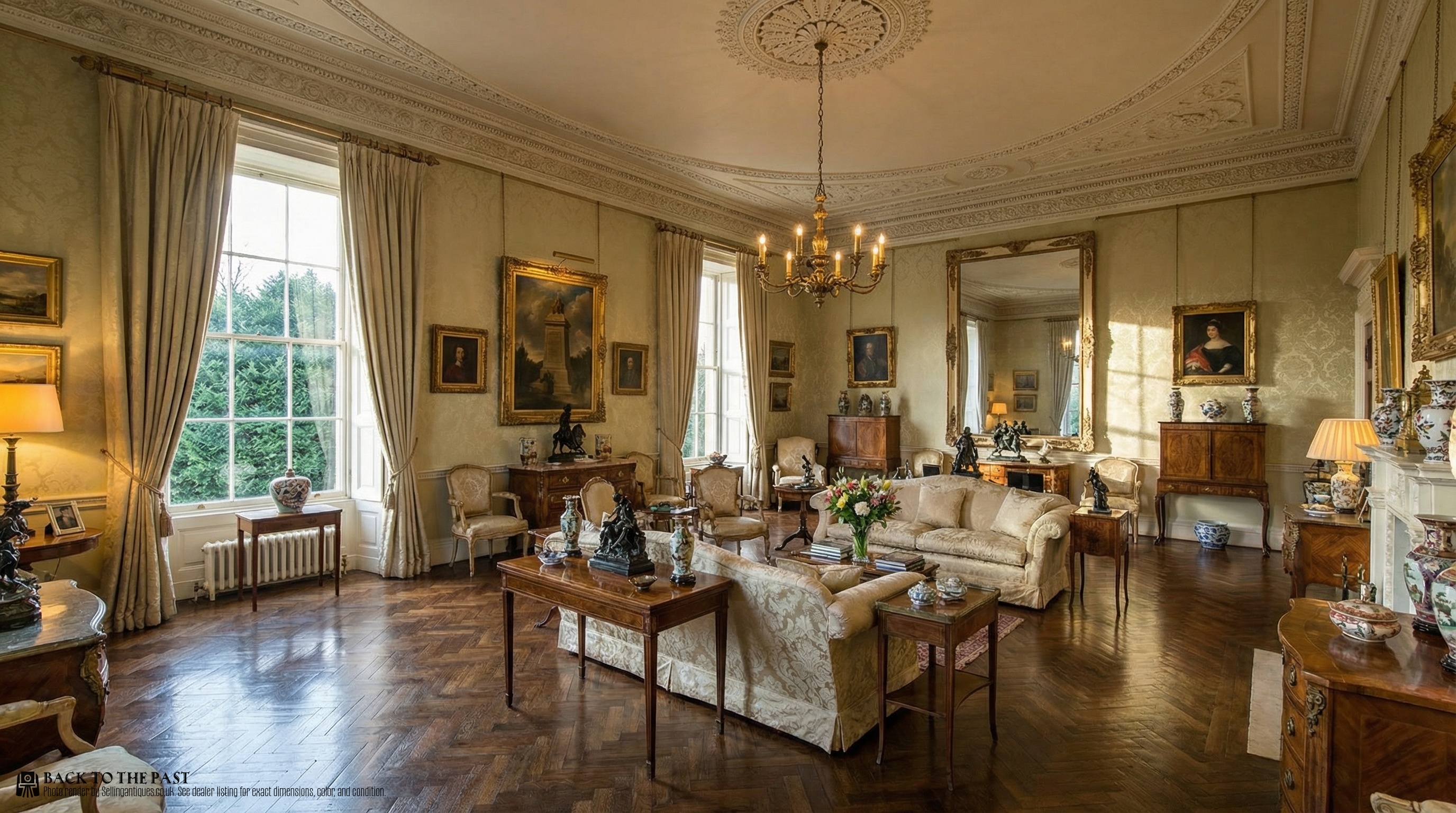
Gold Gilt Framed Mirror
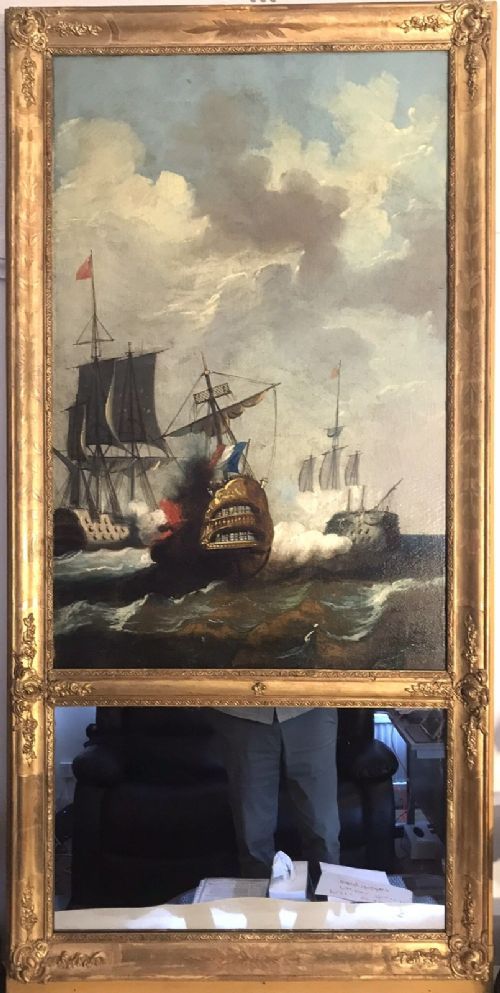
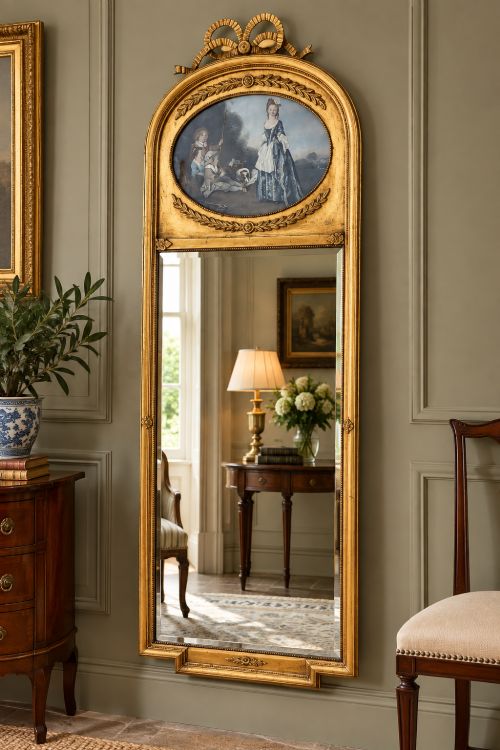
When searching for a gold gilt framed mirror, collectors encounter an array of wall hung pieces, grand overmantels, and slender pier mirrors designed to catch and reflect light. The selection spans the 18th, 19th, and early 20th centuries, drawing heavily on English and French craftsmanship.
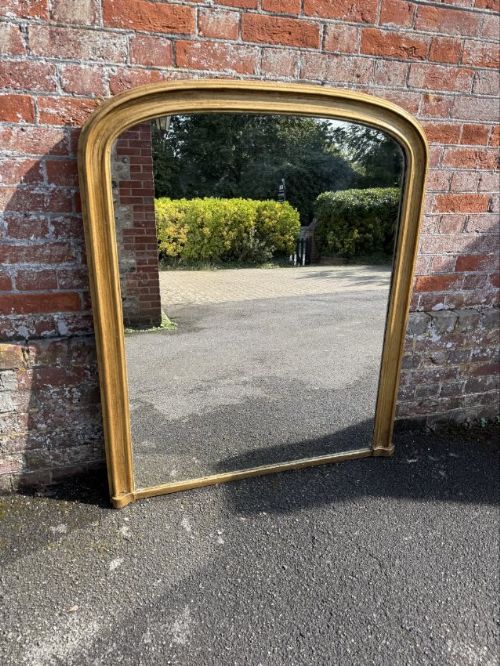
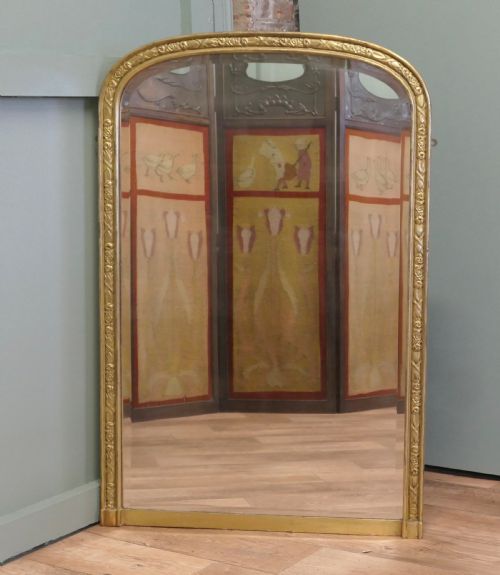
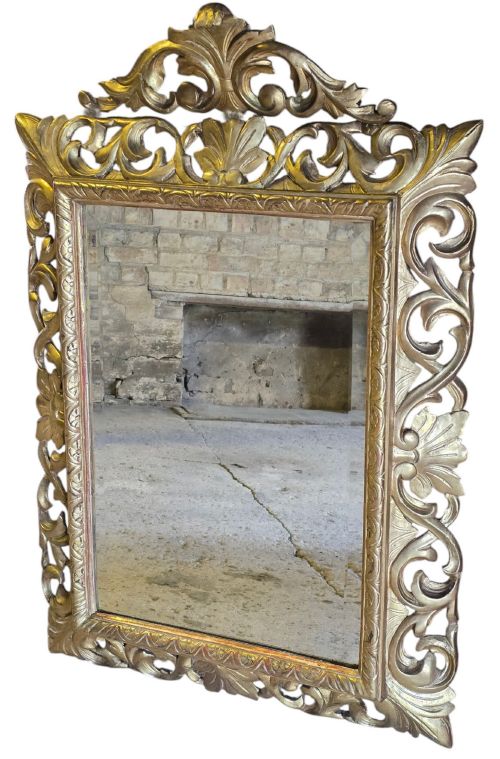
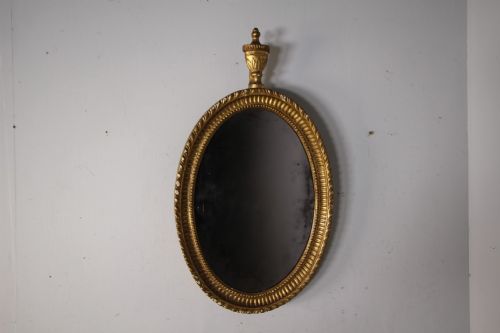
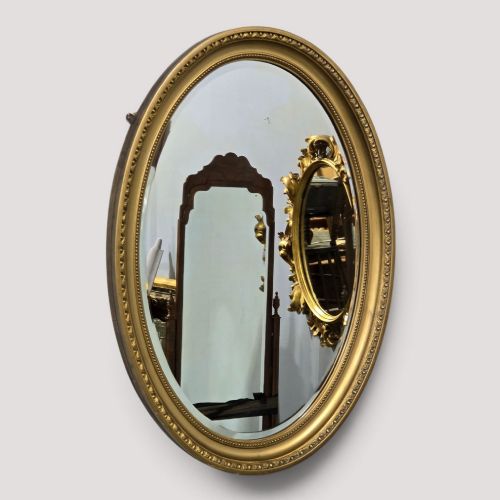
Overmantel mirrors dominate the offerings, frequently featuring arched tops or ornate carved crests intended to sit above a fireplace. Wall mirrors and oval formats appear alongside specialised forms like girandoles and parcel gilt designs.
Origins stretch from English workshops to French provincial ateliers and Italian Florentine carvers. Buyers most commonly meet Victorian interpretations and French Louis Philippe styles alongside earlier Georgian and Regency examples.
Materials and construction
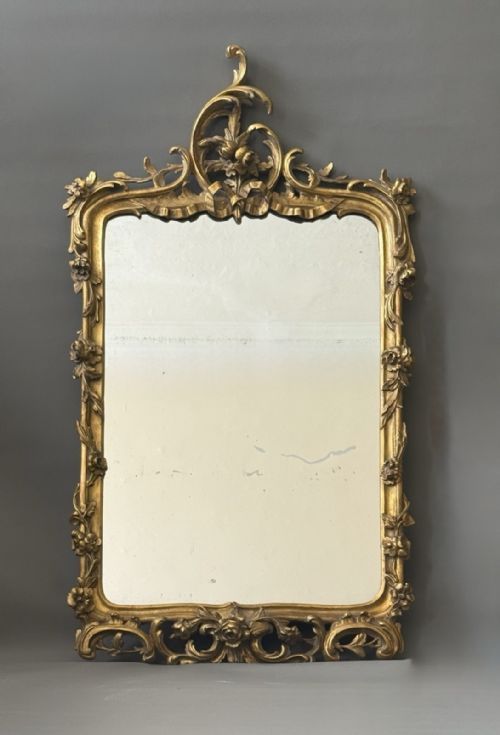
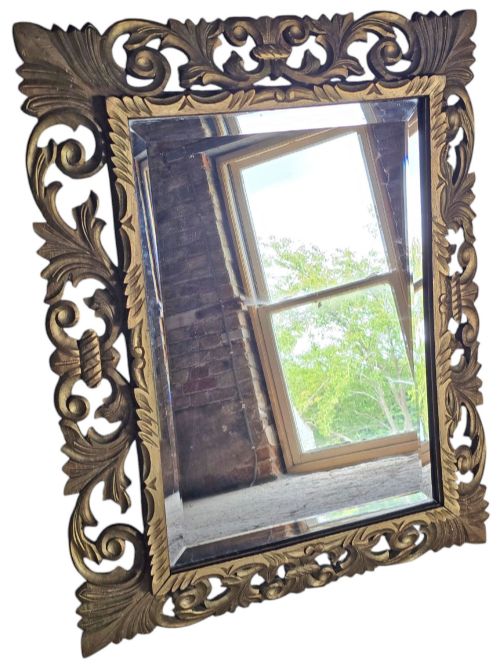
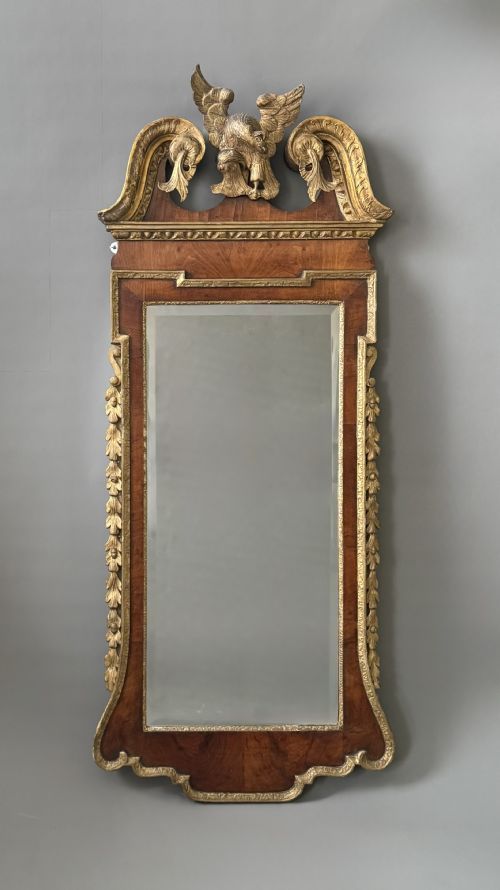
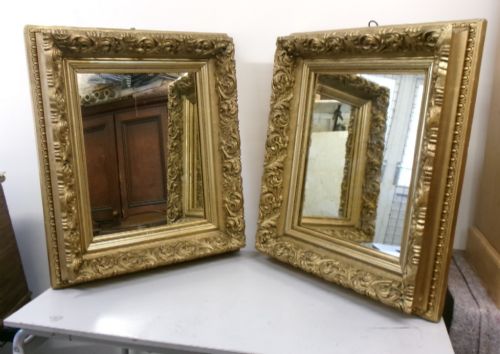
Carved wood provides the structural foundation for the finest frames, often utilising timber such as walnut or general hardwoods beneath decorative layers. Gesso and composition mouldings are applied over the wood substrate to build up relief details, acanthus leaves, and ribbon crests.
Guilding techniques involve applying gold leaf or liquid gold finishes across the prepared surfaces to achieve a luminous metallic sheen. Glass plates range from standard antique plate to authentic mercury glass featuring characteristic foxing and age spots.
Listings feature pieces spanning the 18th century, Victorian era, Regency period, and early 20th century, utilising materials like gesso, mercury glass, and giltwood.
Distinctions in quality
Depth and crispness of the carved ornamentation separate standard production pieces from exceptional works. Hand-carved wooden details hold sharper contours and greater dimensional weight than moulded composition alternatives.
The integrity of the gilding and the preservation of the original glass plate contribute substantially to a piece's standing. Age-related foxing on mercury glass adds character, while the survival of untouched gilt surfaces indicates careful historical maintenance.
The Gold Gilt Framed Mirror Glossary
- Gesso
- A plaster-like mixture applied to wooden frame bases to create a smooth surface for subsequent gilding and carving. It allows intricate relief patterns to be moulded onto the wood.
- Giltwood
- Timber that has been coated with thin sheets of gold leaf or gilt paint. This material forms the primary shimmering structure of antique frames.
- Mercury glass
- A type of silvered glass produced by pouring a liquid mercury amalgam between double-walled blown glass. Older examples develop characteristic dark spots known as foxing.
- Overmantel mirror
- A large horizontal mirror specifically scaled to hang above a fireplace mantelpiece. These pieces often incorporate arched tops or elaborate cresting.
- Parcel gilt
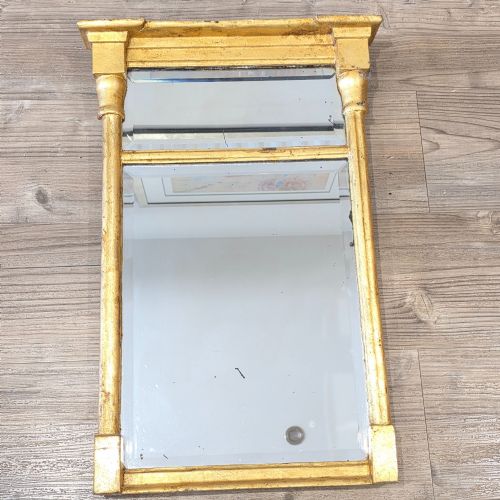
- A decorative treatment where only specific carved elements or raised portions of a wooden object are gilded, leaving the underlying wood visible.
Gold Gilt Framed Mirror: Frequently Asked Questions
How do I date a gold gilt framed mirror?
Dating relies on examining the construction methods of the wooden frame, the composition of the gesso, and the backboards. Fasteners, joinery techniques, and the type of glass plate provide clear chronological markers.
Style indicators also help establish periods, such as the clean lines of Louis Philippe plates versus the heavy, ornate carvings typical of Victorian overmantels.
What is mercury glass in an antique mirror?
Mercury glass refers to double-walled glass silvered with a mercury amalgam rather than modern chemical solutions. It creates a deep, reflective quality distinct from contemporary mirrors.
Over time, chemical reactions cause the silvering to develop foxing, which appears as characteristic dark spots and cloudy patches across the glass.
Where should I hang an overmantel mirror?
An overmantel mirror traditionally hangs directly above a fireplace mantel to reflect light and anchor the room's main focal point. Secure wall fixings are essential due to the substantial weight of carved wood and gesso frames.
They also function effectively on principal living room walls where their large scale can open up narrower spaces.
How do I clean a giltwood frame?
Giltwood frames require gentle dusting with a soft, dry brush to prevent damage to fragile gold leaf and gesso layers. Moisture and chemical cleaning agents can strip the historic metallic finish entirely.
Professional conservation is recommended for deep cleaning or repairing cracked composition ornaments on older frames.