


Vintage Large Hall Mirror
A vintage large hall mirror anchors a grand entrance, bringing scale, light and architectural presence to a narrow space.
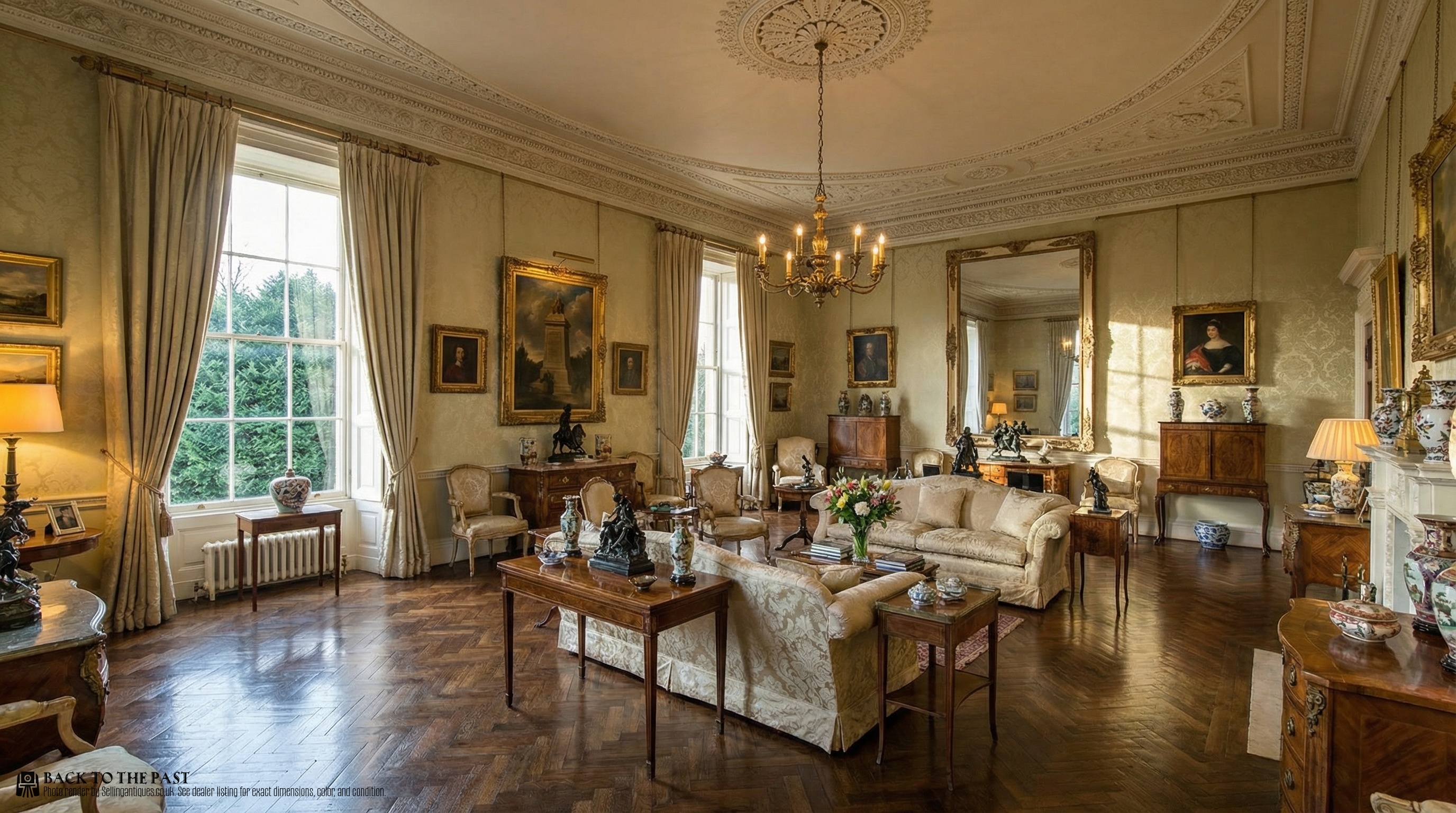
Vintage Large Hall Mirror
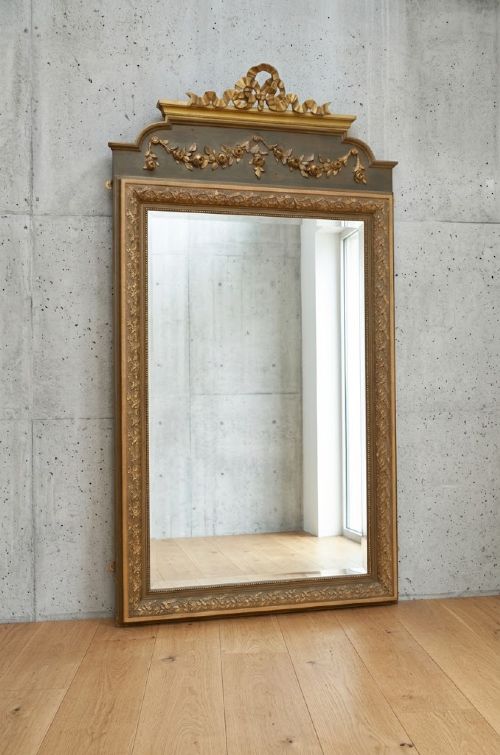
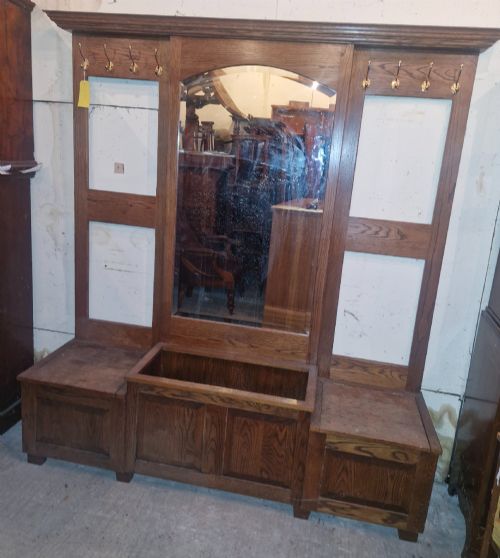
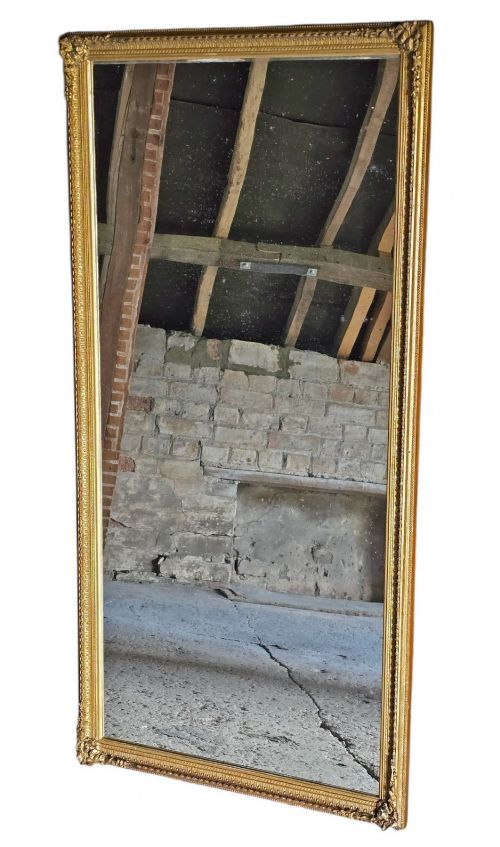
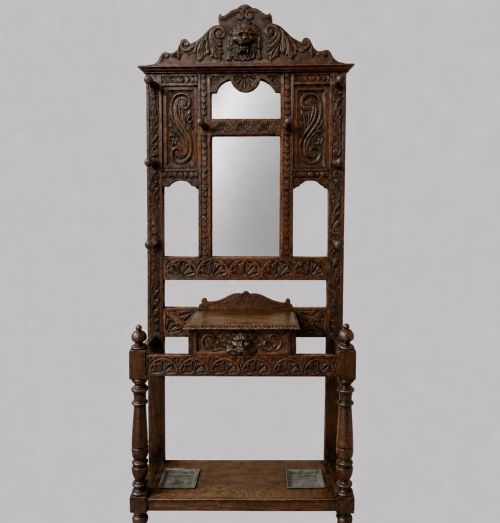
A vintage large hall mirror spans 19th-century works through to the early 20th century, encompassing Victorian, Edwardian and continental periods. These objects take the form of substantial wall mirrors, overmantels, or integrated hall stands and wardrobes featuring mirrored panels.
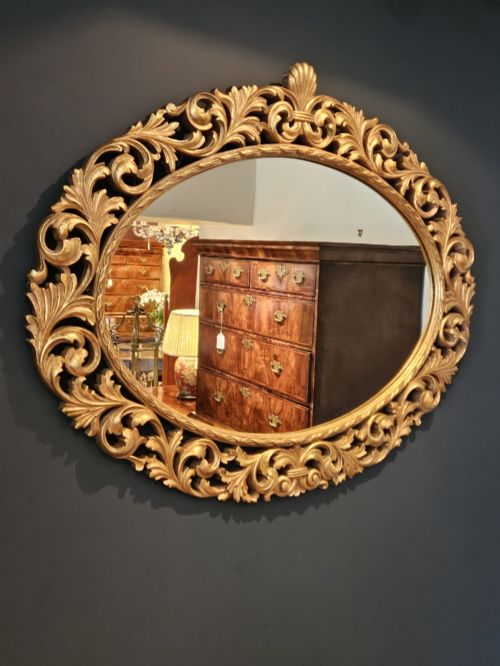
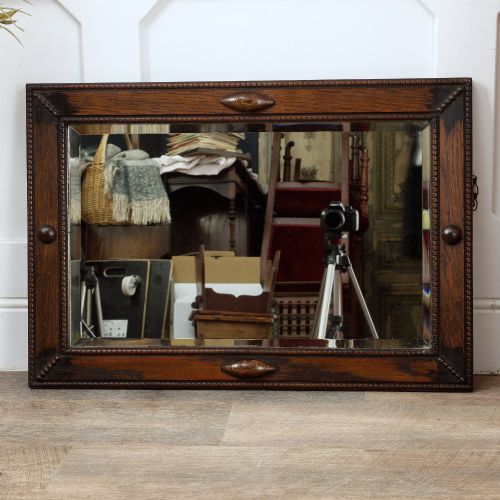
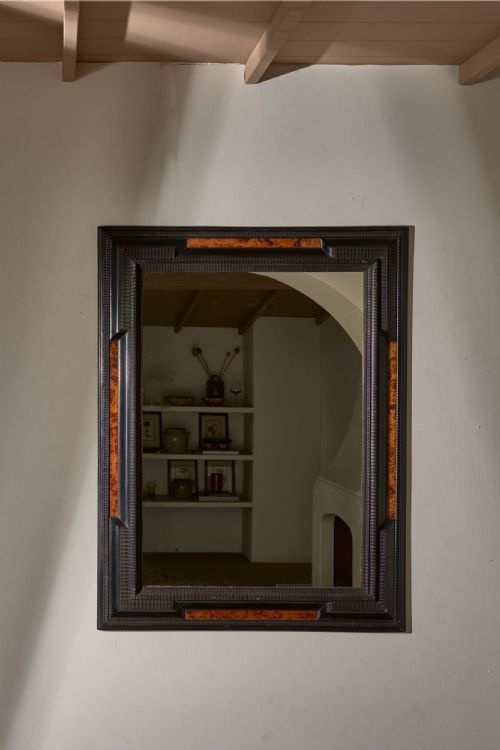
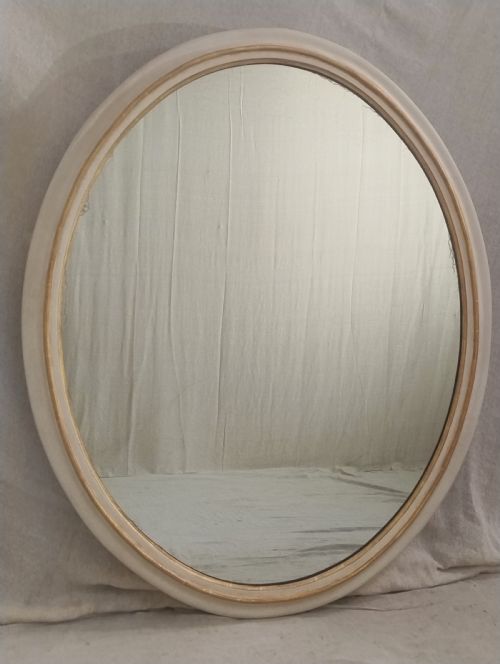
The selection ranges from restrained oak and mahogany frames to heavily ornamented French and Italian giltwood creations. Buyers encounter rectangular wall hangings, grand ovals, and arched top designs suited for substantial entranceways.
Materials and construction methods
Carved wood and gesso form the foundation of ornate frames, finished with gold leaf, silver, or paint. Timber species such as oak, mahogany, pine and bamboo provide the structural support for heavier glass plates.
Giltwood and parcel-gilt techniques impart metallic lustre to the surrounds, while ebonised and faux tortoiseshell finishes offer darker, contrasting tones. Glass plates are set within these frames, occasionally replaced or retained in original form.
Listings feature 19th-century and early 20th-century pieces utilising materials such as gesso, giltwood, oak, mahogany, bamboo and brass.
Assessing quality in large mirrors
Depth of carving and definition within the gesso ornament differentiate standard production from superior craftsmanship. Finer pieces demonstrate crisp detail in floral motifs, crests and scrollwork.
The integrity of the frame joints and the preservation of original gilding or paint layers dictate the standing of a piece. Original glass plates with authentic foxing hold distinct appeal compared to modern replacements.
Nosetti
The Vintage Large Hall Mirror Glossary
- Gesso
- A plaster mixture applied to wood frames to create a smooth surface for gilding or painting. It is sculpted or moulded into decorative reliefs before finishing.
- Giltwood
- Wood that has been coated with gold leaf or gold powder. This material defines many ornate 19th-century frames.
- Overmantel mirror
- A large mirror originally designed to hang above a fireplace mantel. These frequently serve in entrance halls due to their generous proportions.
- Parcel gilt
- A finishing technique where only specific portions of a carved frame are gilded, leaving the underlying wood or paint exposed elsewhere.
- Portmanteau
- A combined hall stand incorporating coat hooks, umbrella storage and a mirror. This form organises an entrance hall efficiently.
Vintage Large Hall Mirror: Frequently Asked Questions
How do I secure a heavy mirror to the wall?
Substantial frames require heavy-duty wall fixings anchored directly into masonry or secure wall studs. Professional installation is recommended given the considerable weight of timber and glass.
Weight distribution across multiple points ensures the mirror hangs safely without stressing the original frame construction.
Can I place a hall mirror in a narrow space?
Large mirrors effectively bounce available light down confined corridors, creating an illusion of depth. Scale the frame width to match the passage dimensions without blocking movement.
Positioning the glass opposite a light source maximises illumination in darker entrance areas.
How do I date a 19th-century mirror frame?
Examine the timber construction behind the frame, backboards, and the composition of the gesso mouldings. Period indicators include hand-carved details and traditional joinery methods.
Screws and fixings, where original, also provide clues to the manufacturing decade.
Should I clean original mirror glass?
Original glass plates often display ageing spots known as foxing, which contributes to historical character. Gentle cleaning with a soft cloth avoids damaging the silvering on the rear.
Harsh chemical cleaners should be kept away from the edges where the reflective coating meets the frame.