


Victorian Painted Overmantel Mirror
A victorian painted overmantel mirror brings architectural weight and reflected light to a chimney breast, shaped by nineteenth-century tastes in paint, gesso and gilding.
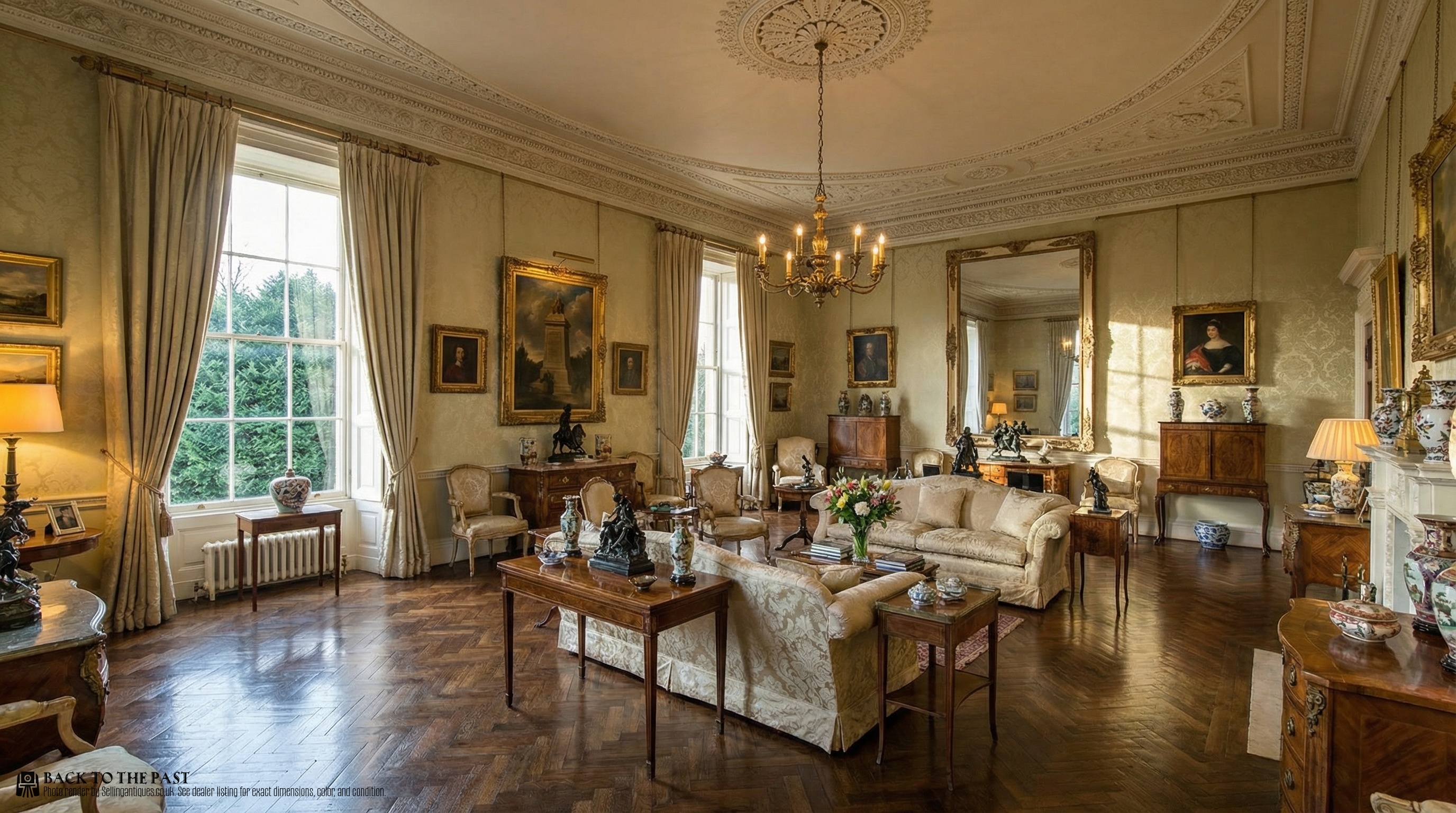
Victorian Painted Overmantel Mirror
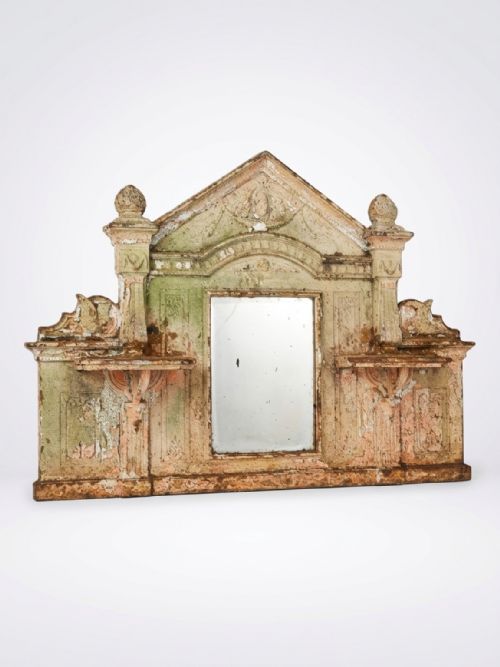
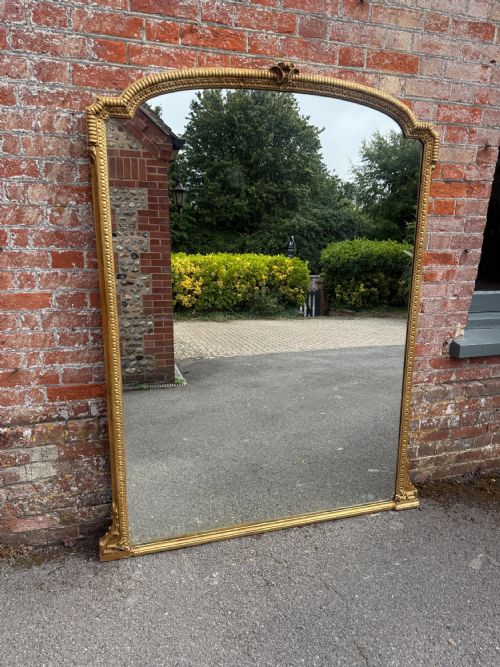
A victorian painted overmantel mirror is a large wall-hanging or mantel-resting looking glass designed to sit directly above a fireplace. The examples found here span the nineteenth century, with particular concentrations from the eighteen-sixties and eighteen-eighties.
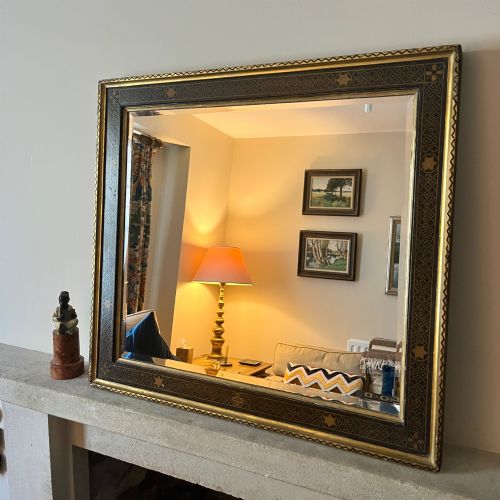
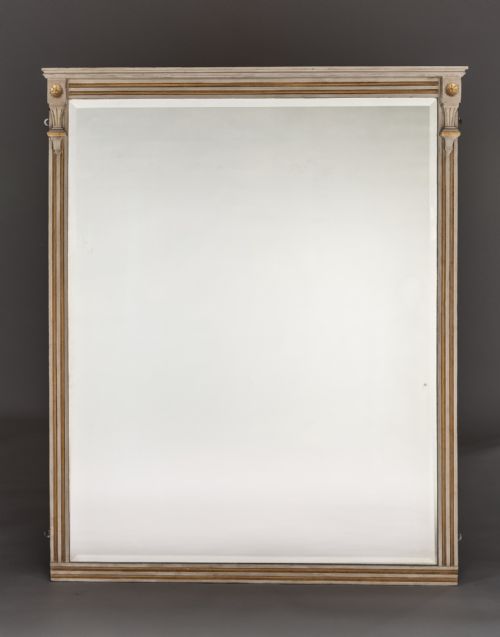
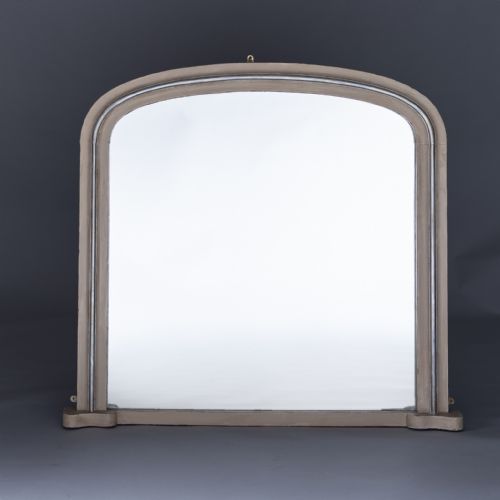
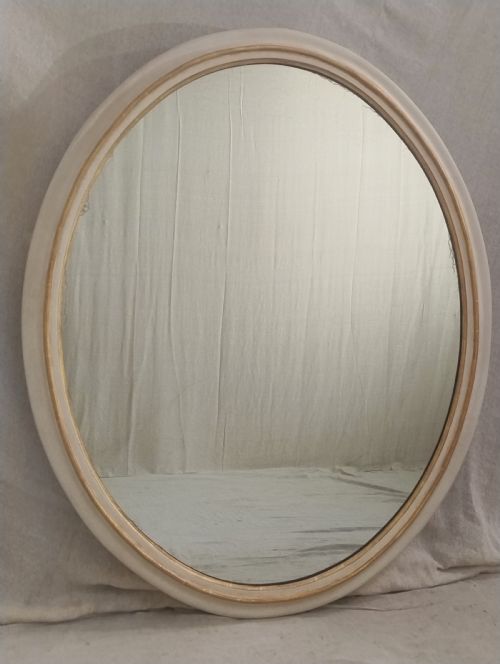
Most pieces take the form of substantial horizontal or arched frames executed in painted wood, often enriched with parcel-gilt highlights or ebonised surfaces. Alongside standard overmantels, related wall mirrors and pier mirrors appear within the selection.
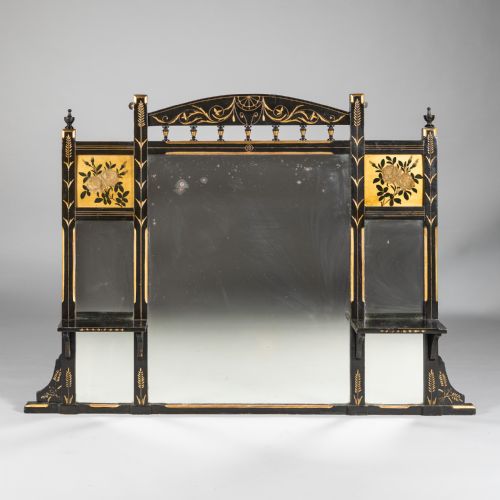
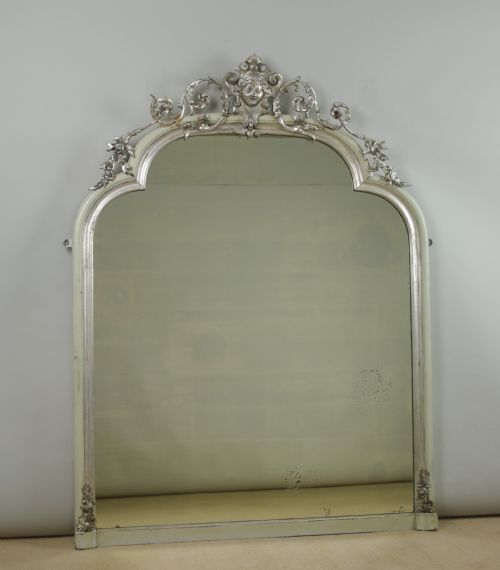
Stylistically, these pieces draw on English traditional designs, Rococo Revival curves, Neoclassical symmetry and the darker, linear geometries of the Aesthetic Movement. French nineteenth-century pieces also surface among the English domestic variants.
Materials and Construction
Makers built the foundational frames using carved wood, applying moulded gesso to build up intricate surface ornament, classical columns, ribbed sections or shaped tops before painting. Common finishes include white, cream and dark ebonised paint combined with gold leaf or silver leaf parcel details.
Mirror glass is set within these heavy wooden carcases, occasionally exhibiting the soft foxing or distortion characteristic of nineteenth-century silvering. The physical assembly relies on traditional joinery to support the considerable weight of the glass and ornate wooden mouldings.
Recorded periods span from eighteen-sixty through the eighteen-eighties and eighteen-nineties up to nineteen-ten.
Distinctions in Quality
Quality separates simple utility frames from ambitious decorative statements through the depth and crispness of the carved wood and gesso ornament. Elaborate column frames, shaped arches and refined parcel-gilt or silvered highlights indicate higher workshop ambition.
The integrity of the original painted surface finish relative to later over-painting dictates the visual authority of a piece. Substantial scale combined with balanced proportions distinguishes the finest domestic reception room mirrors from smaller secondary examples.
The Victorian Painted Overmantel Mirror Glossary
- Overmantel
- A large mirror specifically proportioned to hang on the wall directly above a fireplace mantelpiece. These pieces visually anchor the hearth within nineteenth-century room schemes.
- Gesso
- A plaster-like mixture applied to wooden frames and carved or moulded into relief decoration before gilding or painting. It provides the crisp sculptural detail seen on Victorian frames.
- Parcel-gilt
- Partially gilded, where gold leaf is applied only to specific raised portions of a carved frame rather than covering the entire surface. This technique creates contrast against painted wood.
- Ebonised
- Wood finished with a dark stain or paint to imitate expensive ebony wood. It became particularly popular during the Aesthetic Movement of the late nineteenth century.
- Pier mirror
- A tall mirror designed to hang on the narrow section of wall between two windows, often sharing stylistic traits with overmantels. They served to bounce natural light deep into Victorian interiors.
Victorian Painted Overmantel Mirror: Frequently Asked Questions
Where should an overmantel mirror be hung?
These mirrors are traditionally positioned centrally on the chimney breast directly above the fireplace surround, where they reflect the opposite side of the room.
Because of their substantial weight and scale, they require secure wall fixings or rest safely anchored upon the wooden mantel shelf itself.
How do I identify an Aesthetic Movement frame?
Aesthetic Movement pieces typically feature dark ebonised mahogany surfaces paired with subtle gilt highlights or painted details. The lines are often cleaner and more geometric than the earlier exuberant Rococo Revival curves.
They reflect a late nineteenth-century shift towards artistic refinement and contrasting dark tones within domestic interiors.
What is parcel-gilt and silvering?
Parcel-gilt refers to decorative frames where gold leaf is applied selectively to raised mouldings, letting the painted wood beneath show through in the recesses. Parcel-silvered variants use similar contrasting metallic leaf in silver tones.
Both techniques add visual depth and catch candle or window light effectively.
How do I date these mirrors?
Dating relies on stylistic markers combined with construction methods, moving from the ornate carved gesso and gilt styles of the eighteen-sixties towards the ebonised Aesthetic designs of the eighteen-eighties. Frame shapes also shift from rounded arch tops to strict rectangular formats.
Inspect the backboards, joinery and the condition of the mirror glass for period indicators.