





Gold Framed Maritime Painting
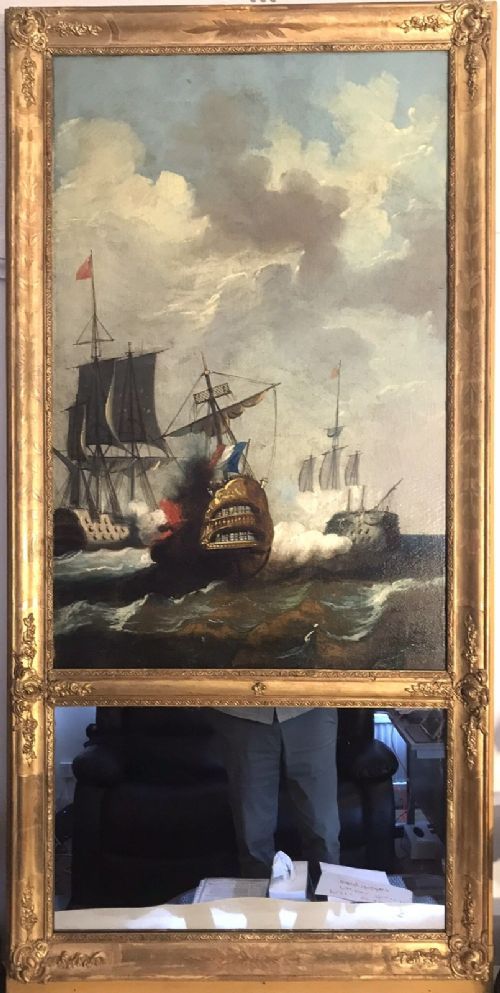
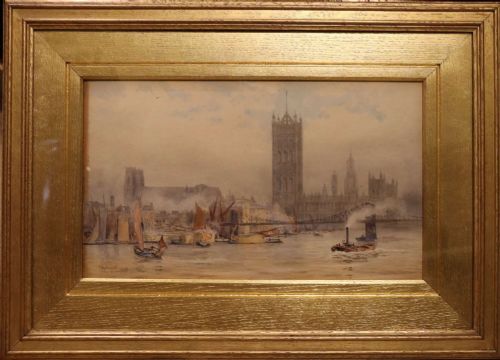
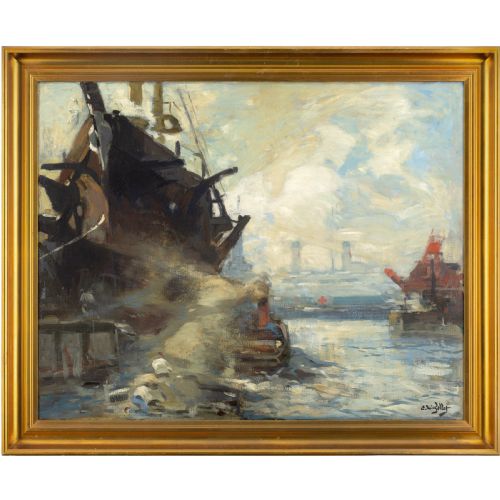
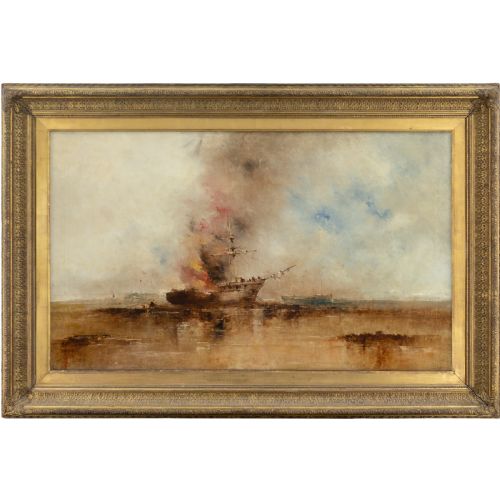
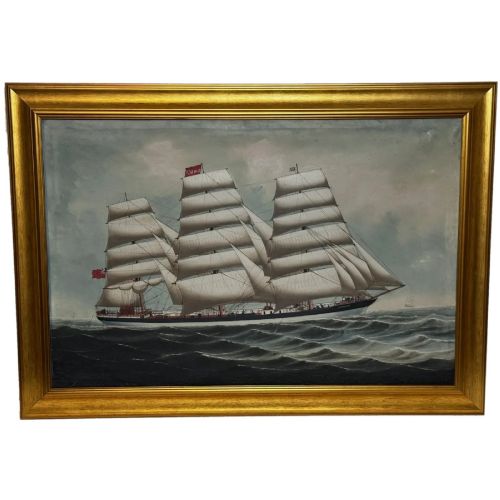
A gold framed maritime painting brings the movement of open water and historical shipping directly onto the wall.
Gold Framed Maritime Painting
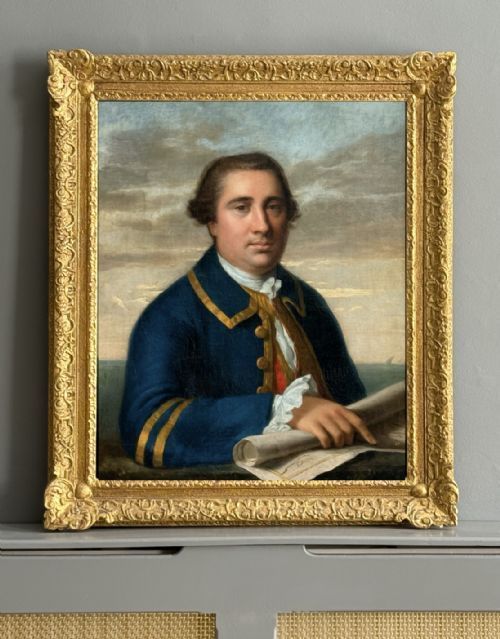
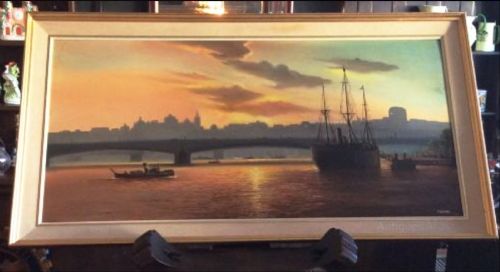
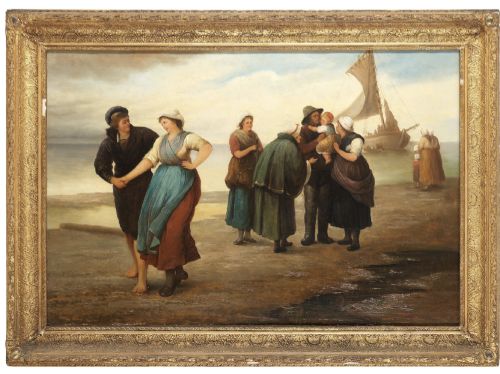
A gold framed maritime painting records marine subjects, coastal views, and naval actions executed primarily in oil paint on canvas or panel, along with watercolours. These works span from the eighteenth century through the Edwardian period and into the mid twentieth century, featuring British, French, and Dutch scenes.
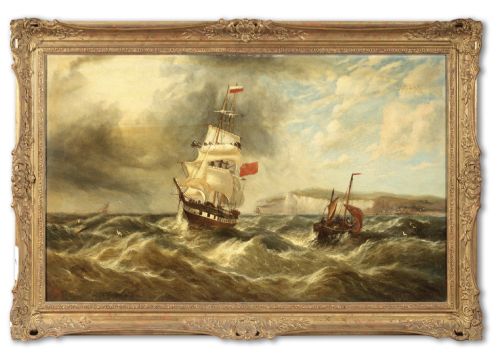
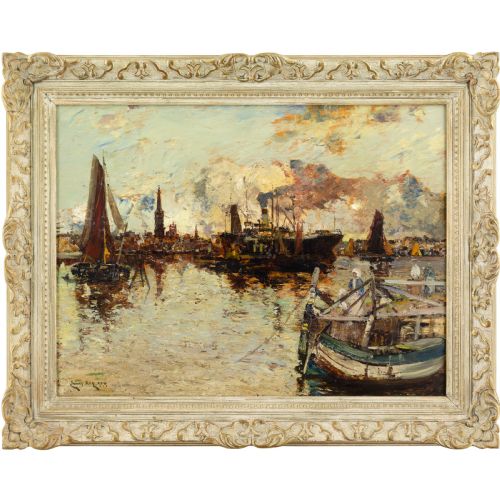
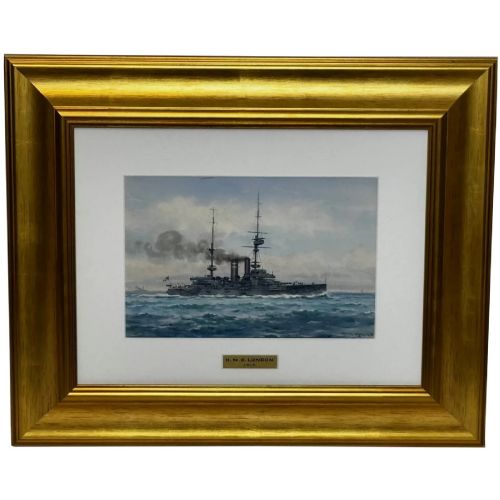
The most common examples on this page are nineteenth century oil paintings housed in giltwood or gilt frames, depicting sailing vessels, harbours, and coastal trades. Works range from intimate watercolours of village harbours to large canvases showing warships in heavy seas.
How they were made
Artists applied oil paint or watercolour onto stretched canvas, wooden panels, or paper boards, building up coastal and sea views with layered brushwork. Canvases were then set into wooden frames finished with gesso and gold leaf or giltwood.
Gilt frames often incorporate moulded plaster ornamentation finished with gold leaf, designed to complement the tonal palette of the marine subject within.
Several canvases capture ships navigating choppy waters, proving that artists preferred a gale over a flat calm.
What varies in quality
Quality rests upon the artist's ability to render water, light, and rigging with conviction, separating routine topographical records from accomplished marine art. Handling of atmosphere, movement in heavy seas, and accurate vessel architecture distinguish the finer works.
The construction and original pairing of the frame also matter, as period giltwood frames that match the age and scale of the canvas contribute significantly to the integrity of the piece.
Lemuel Francis Abbott·Bonaventura Peeters·Francis Moltino·John Wilson Carmichael·Bernard Benedict Hemy
The Gold Framed Maritime Painting Glossary
- Giltwood
- Wood carved and coated with gold leaf or metallic powder. It provides the reflective border common to period picture frames.
- Oil on Canvas
- Pigment mixed with drying oil applied to a woven fabric support. This combination allows for rich blending and textured marine surfaces.
- Panel Painting
- Artwork executed on a flat piece of wood rather than canvas. Wooden supports offer a rigid surface frequently used in earlier marine works.
- Watercolour
- Paint consisting of water soluble pigments applied to paper. These works capture light and coastal atmosphere with translucent washes.
- Maritime Art
- Painting or visual representation depicting ships, sea views, and coastal life. It encompasses both naval history and peaceful harbour scenes.
Gold Framed Maritime Painting: Frequently Asked Questions
What periods do these paintings come from?
The works span from the eighteenth century through the Victorian and Edwardian eras up to the mid twentieth century. Most examples date from the nineteenth century.
Dates are established through stylistic analysis, artist signatures, and framing methods typical of specific decades.
How do I hang a heavy gilt frame?
Large nineteenth century frames carry substantial weight due to their wooden construction and plaster mouldings. They require secure wall fixings screwed directly into studs or masonry.
Professional picture hangers use two heavy duty fixings distributed across the width of the frame to ensure stability.
Are all these pieces painted in oil?
While oil on canvas or panel forms the majority of the selection, the listings also include watercolours on paper. Both mediums were widely used for maritime subjects.
Watercolours are typically mounted behind glass, whereas oil paintings remain unglazed.
How do I identify the ship types shown?
Vessels are identified by their rigging, mast count, and hull configuration, ranging from three masted schooners to merchant barques and naval warships. Maritime artists recorded contemporary shipping with technical precision.
Local landmarks or flags included in the background often help pinpoint the specific waters depicted.