




Maritime Artwork in Frame
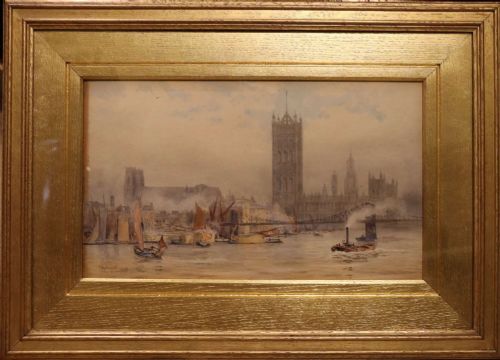
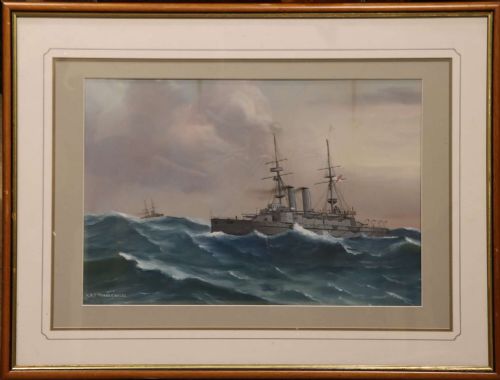
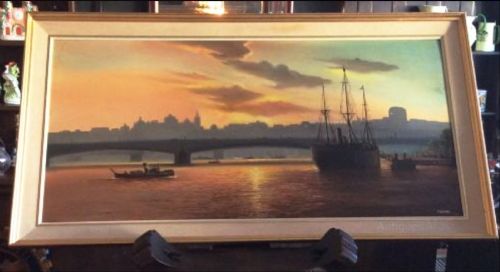
Maritime artwork in frame brings coastal scenes and historic vessels onto the wall through enduring oil paintings and delicate watercolours.
Maritime Artwork in Frame
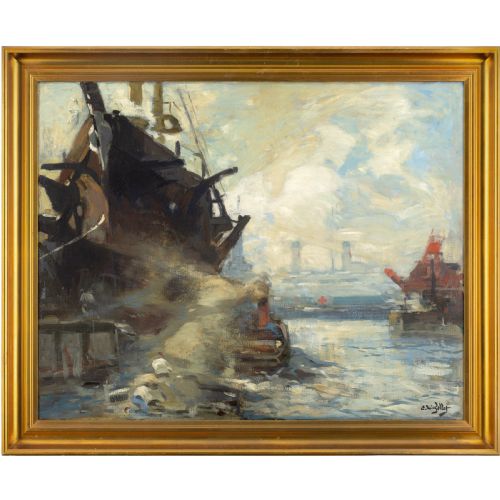
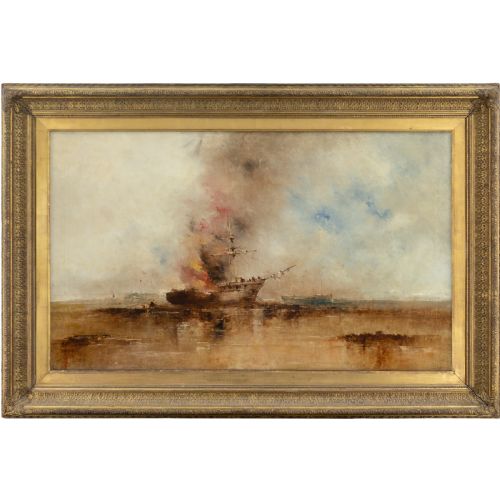
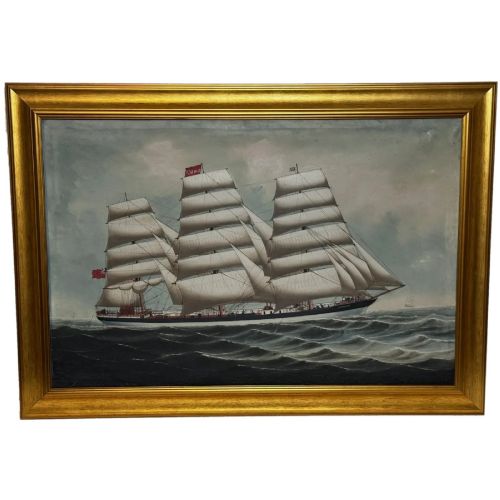
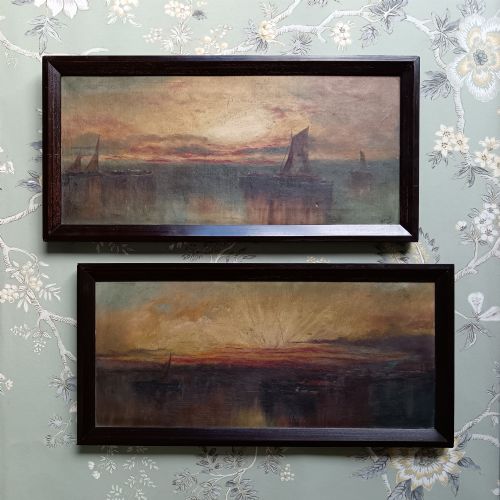
Maritime artwork in frame encompasses coastal landscapes, harbour views, and detailed depictions of naval vessels and merchant ships. The works span from the nineteenth century through the Edwardian era into the mid-twentieth century, capturing sea life across changing decades.
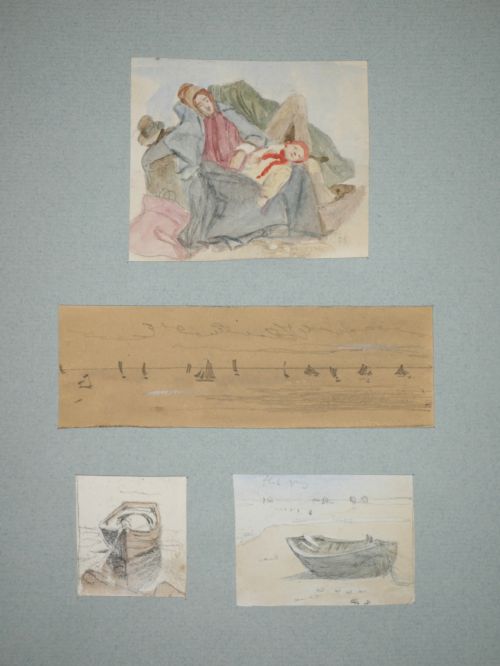
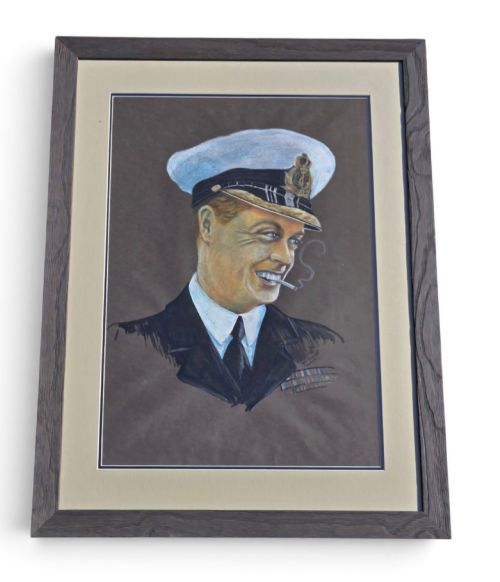
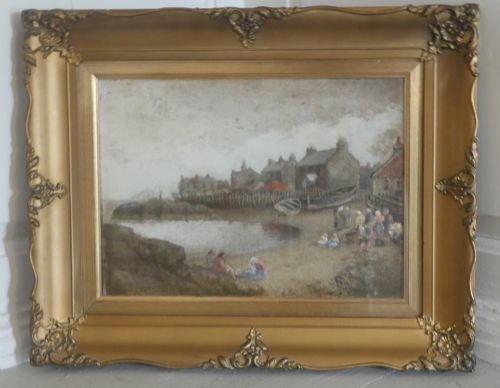
Oil paintings on canvas and panel sit alongside watercolours, gouache, and pastel portraits within protective glazing and timber surrounds. Buyers regularly encounter nineteenth-century British and European marine watercolours and oil paintings housed in period gilt frames.
Materials and methods
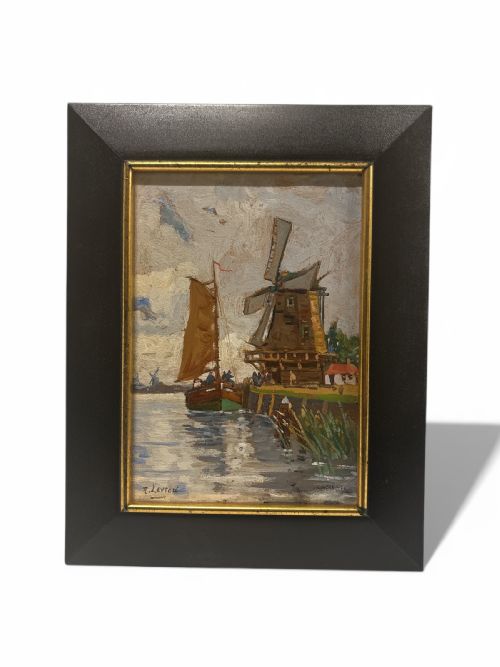
Artists painted marine subjects using oil paint on canvas, board, and panel, or applied watercolours and gouache onto paper surfaces. Pigments capture the movement of water, atmospheric skies, and the textures of wooden sails and hulls.
Works are mounted behind glass where paper supports require protection, and secured within wooden frames finished with gilt or paint. Framing materials range from modest mouldings to ornate antique frames that complement the painting style.
Several Victorian artists clearly enjoyed painting stormy seas far more than calm harbours.
Determining quality in marine pieces
Quality rests upon the artist's ability to render water movement, atmospheric light, and ship proportions accurately. Finer works display confident brushwork and precise draughtsmanship, particularly in rigging and architectural details of vessels.
The relationship between the artwork and its frame influences overall character, where period-appropriate gilt moulding enhances the visual weight of canvas and paper pieces.
James Orrock·Eugène-Louis Gillot·William McAlpine·Charles Edward Dixon·Frank William Scarbrough·Francis Moltino
The Maritime Artwork in Frame Glossary
- Watercolour
- A paint consisting of pigment suspended in a water-soluble binder, commonly used on paper for lighter marine sketches and detailed coastal views.
- Gouache
- An opaque watercolour paint that provides heavier coverage and brighter colour highlights on paper or board supports.
- Panel
- A flat wooden support used instead of canvas for painting, offering a rigid surface for detailed nineteenth-century oils.
- Gilt
- A gold leaf or gold-coloured finish applied to wooden picture frames to provide a decorative metallic border.
Maritime Artwork in Frame: Frequently Asked Questions
How do I hang framed maritime art?
Hang these pieces at eye level on walls that receive indirect light to protect oil pigments and paper from fading.
Ensure wall fixings match the weight of the timber frame and glass combination.
What periods do these paintings date from?
The selection spans the nineteenth century, Edwardian period, and early twentieth-century decades up to the mid-twentieth century.
Dates appear in signatures, styles, and dealer records accompanying each framed piece.
Are watercolours always framed behind glass?
Watercolours and works on paper require glass protection to shield the delicate pigments and paper surface from atmospheric moisture and dust.
Oil paintings on canvas or panel typically remain unglazed within their frames.
How do I identify a marine oil painting?
Marine oil paintings feature heavy textured paint layers applied to canvas, board, or wood panels depicting ships, harbours, and seascapes.
Canvas works often show canvas texture through the paint surface while panel works present a rigid backing.