

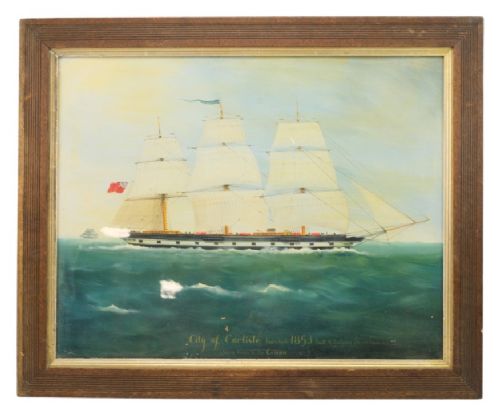
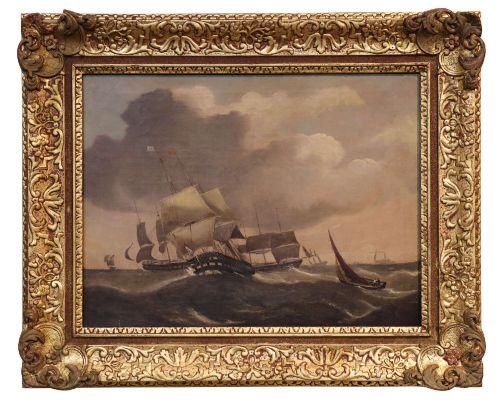
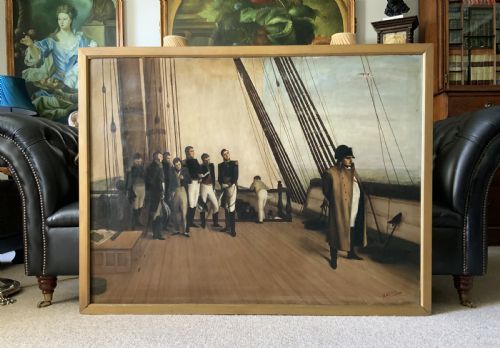
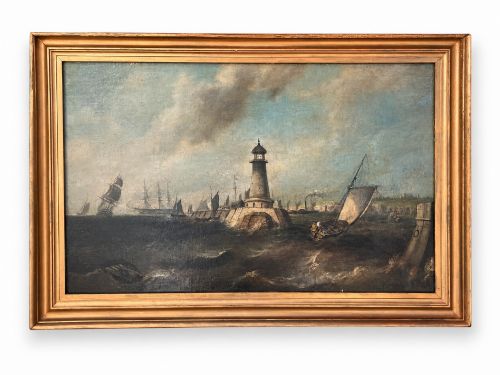


Naval Ship Oil Painting
A naval ship oil painting captures the historic power and drama of maritime warfare and royal fleets upon the open sea.
Naval Ship Oil Painting
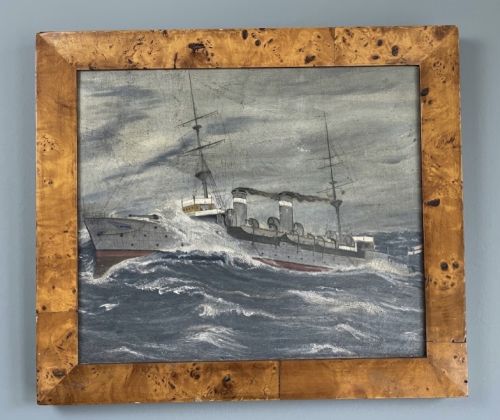
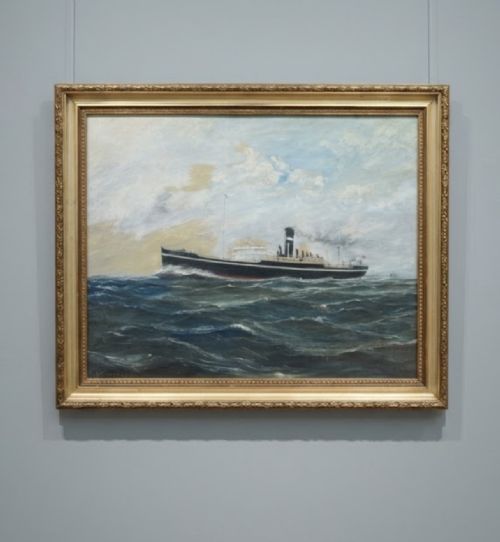
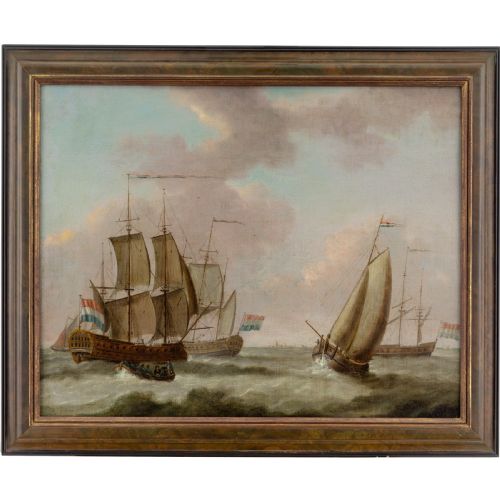
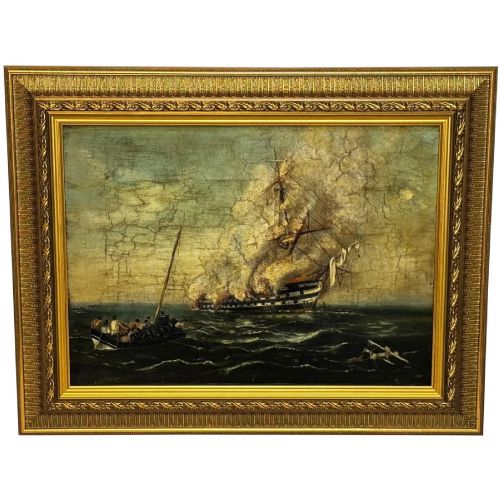
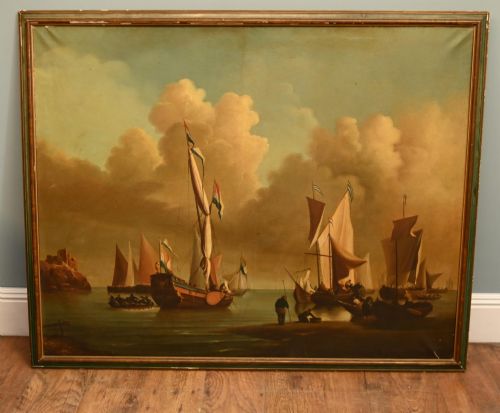
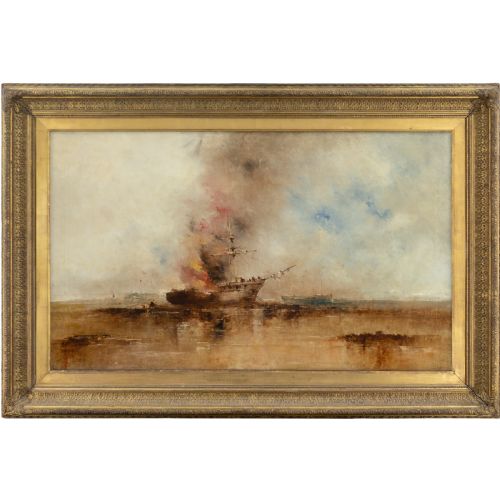
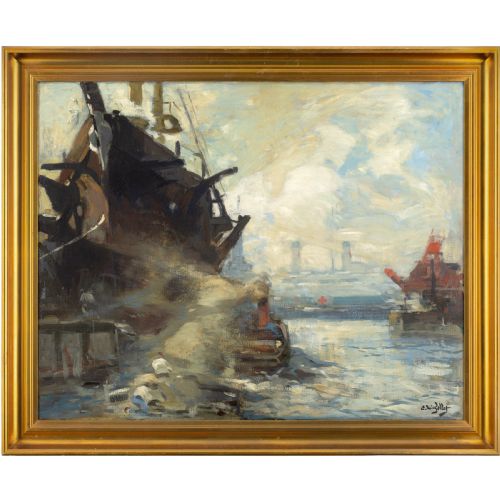
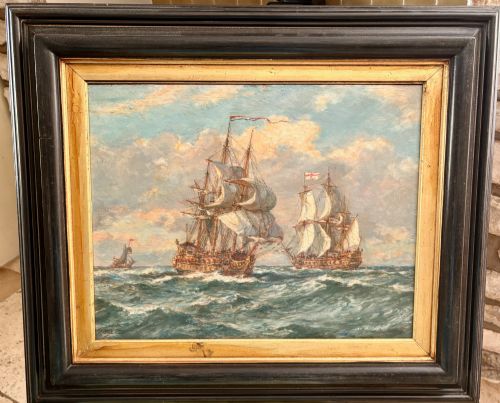
A naval ship oil painting portrays historic vessels, dramatic sea battles, and coastal operations across various eras. These works record significant maritime moments, from royal yachts and armed galleons to steam cruisers and frigates engaged in maneuvers or heavy seas.
Buyers on this page most frequently encounter nineteenth century and Victorian interpretations of naval subjects. These canvases and panels often depict specific named vessels, such as the HMS Queen Charlotte or the clipper ship Thermopylae, alongside broader marine scenes.
The selection ranges from early eighteenth century depictions of sea battles to twentieth century interpretations. Formats include individual portraits of warships, pairs of maritime scenes, and expansive views of harbours with coastal figures.
Materials and Technique
Artists painted these works primarily with oil paint upon prepared canvas, wood panels, or board. The medium allowed for subtle blending of tones to render the turbulent motion of waves, smoke from cannon fire, and the intricate rigging of three masted vessels.
Many of these paintings retain their original giltwood or gold leaf frames, which complement the maritime subject matter. The application of oil paint built up rich textures, capturing the stark contrast between dark storm water and white sails.
Naval Ship Oil Painting Retail Price Guide 2026
Typical asking prices for naval ship oil painting among the pieces listed under this phrase on Sellingantiques today, from the lower quarter to the upper quarter. They describe what is for sale here now, not the wider market.
The inventory encompasses works spanning from the seventeenth century through the mid-twentieth century, employing oil on canvas, wood panel, and board.
Quality and Execution
The distinction in quality rests upon the artist's command of maritime architecture and atmospheric perspective. Superior examples demonstrate precise knowledge of naval rigging, hull construction, and accurate positioning of vessels relative to the horizon and wind.
Compositional strength separates standard decorative works from accomplished paintings. Stronger pieces convey a palpable sense of movement and scale, whether depicting a quiet anchorage off Malta or a chaotic sea battle under heavy skies.
James Hardy·Eugène-Louis Gillot·William McAlpine·Bernard Gribble·Nicholas Condy·Dion Pears·Marie-Edouard Adam·Ebeneezer Colls·Richard Brydges Beechey·Charles Dixon·William Langley·Abraham Storck·Francis Holman
The Naval Ship Oil Painting Glossary
- Giltwood
- Wood carved and coated with gold leaf or gold paint. This material forms the ornate frames frequently housing nineteenth century maritime artworks.
- Canvas
- Heavy woven fabric stretched across a wooden support to serve as a painting surface. Oil on canvas represents the primary medium for these historical marine scenes.
- Galleon
- A large sailing warship utilised by European nations from the sixteenth through the eighteenth centuries. These multi-decked vessels frequently appear in depictions of historic naval engagements.
- Frigate
- A fast, medium-sized warship with three masts carrying sails on all. These agile vessels appear often in coastal scenes and battle compositions from the eighteenth and nineteenth centuries.
- Panel
- A flat piece of wood or board utilised as a rigid alternative to canvas. Several works on this page utilise panels for smaller maritime compositions.
Naval Ship Oil Painting: Frequently Asked Questions
What do these paintings depict?
These artworks illustrate historic naval vessels, royal yachts, and armed sailing ships operating in coastal waters or during open sea battles. The subjects range from specific named warships like the HMS Alacrity to broader scenes of fleets in heavy weather.
Many pieces document actual historical events, such as troop transports heading to the Crimea or engagements off the English coast. The focus remains squarely on maritime power and the majesty of traditional sailing and early steam vessels.
How were naval paintings historically displayed?
Owners typically hung these framed oil paintings within formal reception rooms, shipowners' offices, or maritime headquarters. Their scale and subject matter communicated authority, patriotism, and an appreciation for naval history.
Substantial gilt frames enhanced their presence on wood-panelled walls or within domestic interiors, elevating the status of the vessels portrayed within the canvas.
How do I care for an oil on canvas?
Preserving these paintings requires stable environmental conditions away from direct sunlight, excessive moisture, and rapid temperature fluctuations. Daylight can degrade oil pigments and discolour older varnishes over extended periods.
Dusting should occur gently with a soft, dry brush, avoiding any moisture or cleaning agents on the painted surface. Professional conservators should handle any structural repairs or varnish removal.
How do I date a maritime painting?
Dating relies heavily upon the vessel types depicted, rigging styles, uniform details, and the technical characteristics of the canvas or panel. Steam-driven ironclads indicate a later period than multi-decked wooden sailing galleons.
Signatures, artist attribution, and framing styles provide additional clues, while the costume of figures on deck or shore helps narrow the era of execution.