

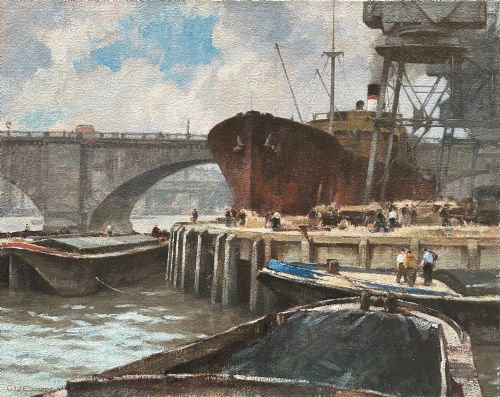
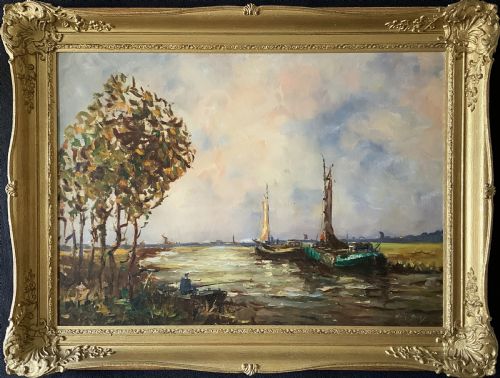
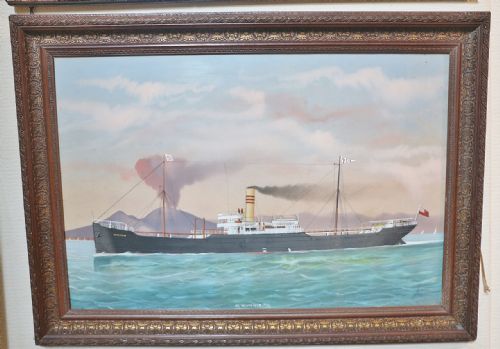
Vintage Nautical Canvas Art
Vintage nautical canvas art brings historical maritime scenes and coastal atmospheres into interior spaces through authentic period paintings.
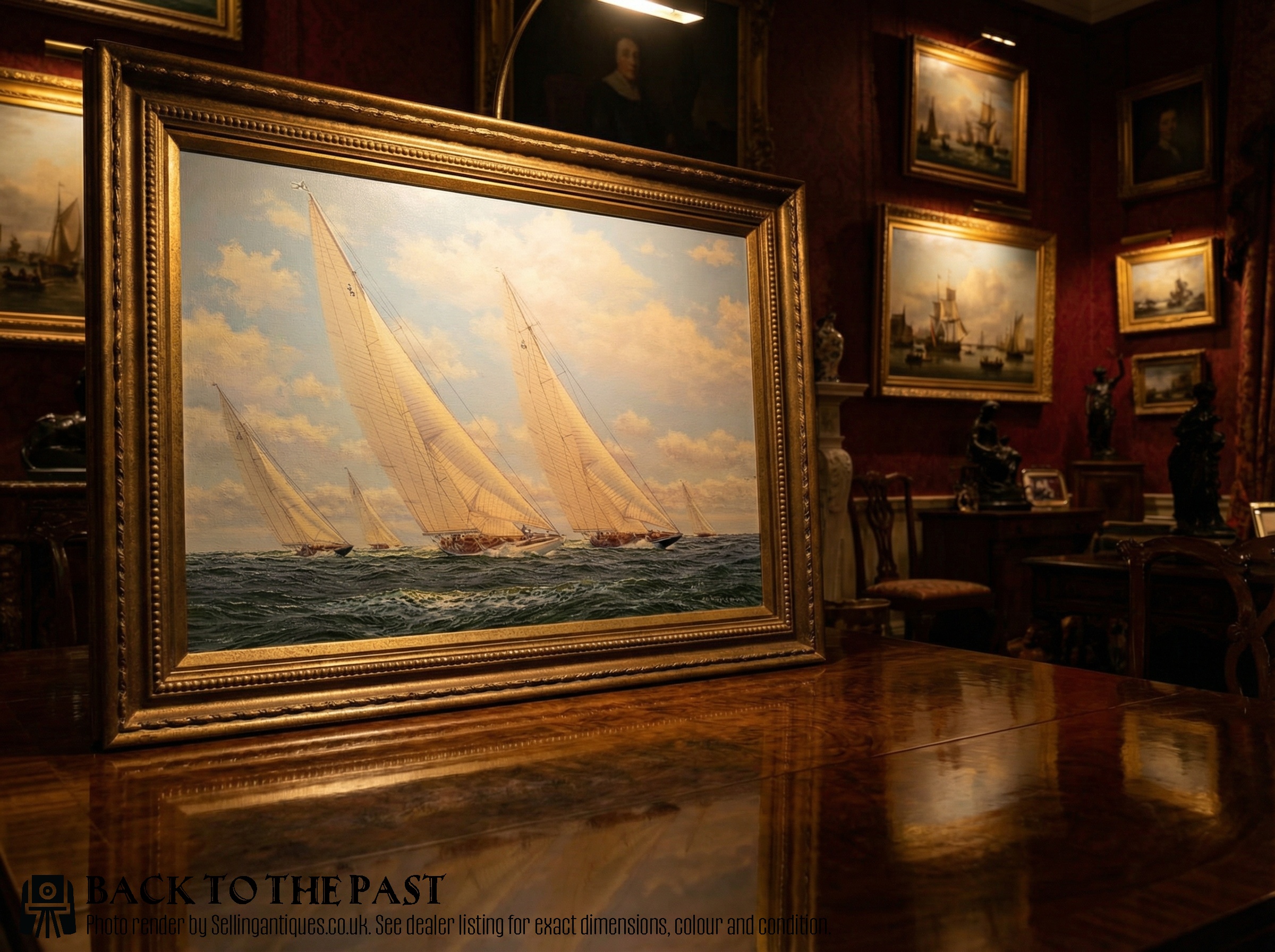
Vintage Nautical Canvas Art
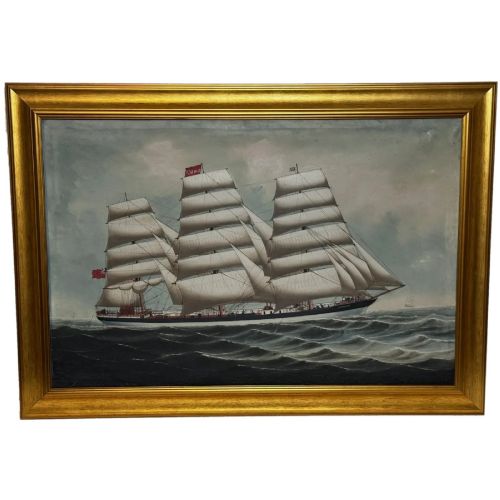
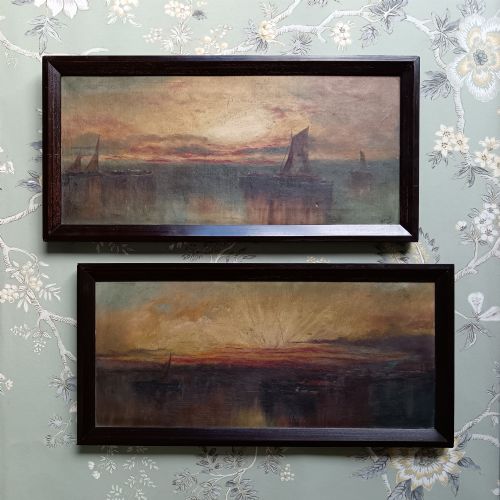
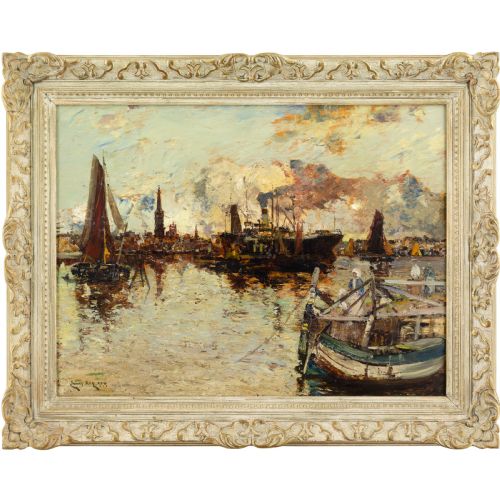
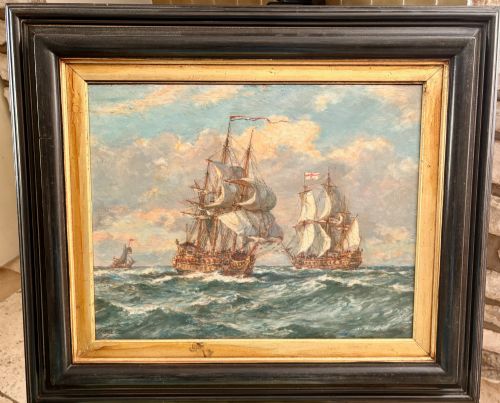
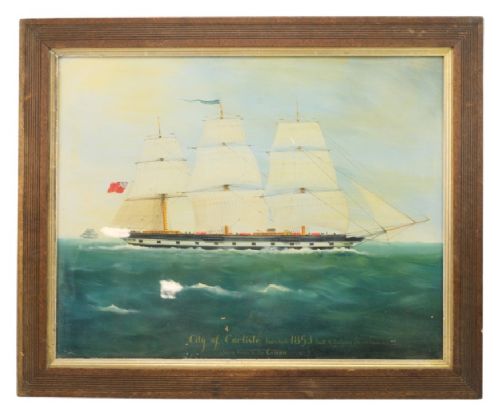
Vintage nautical canvas art encompasses traditional marine paintings, coastal landscapes, and historical ship portraits created during the nineteenth and twentieth centuries. Buyers searching for this phrase encounter oil paintings on canvas depicting sailing vessels, harbour scenes, and stormy seas by various named and regional artists.
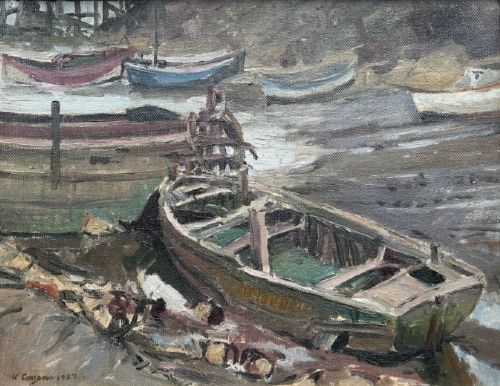
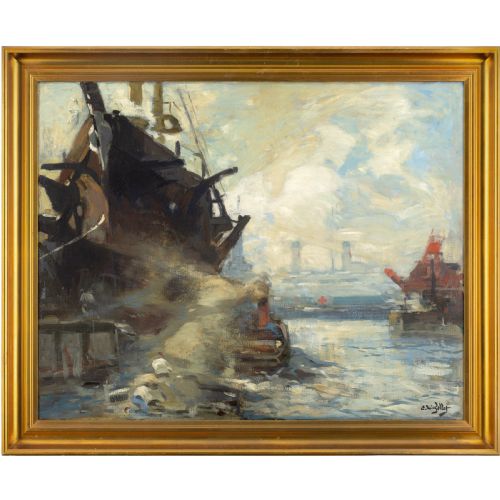
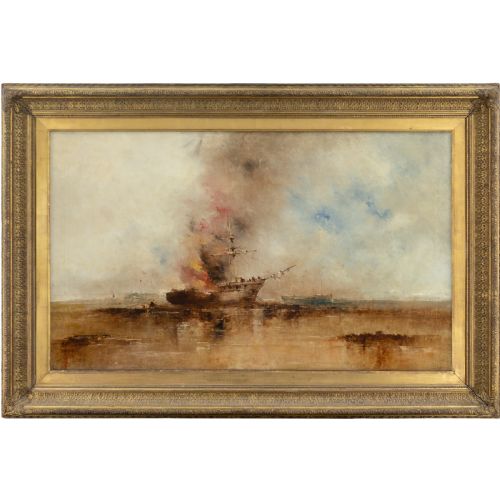
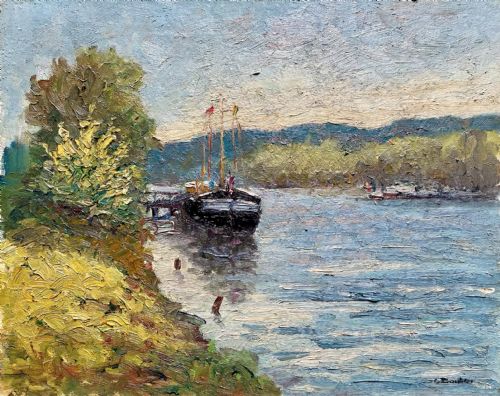
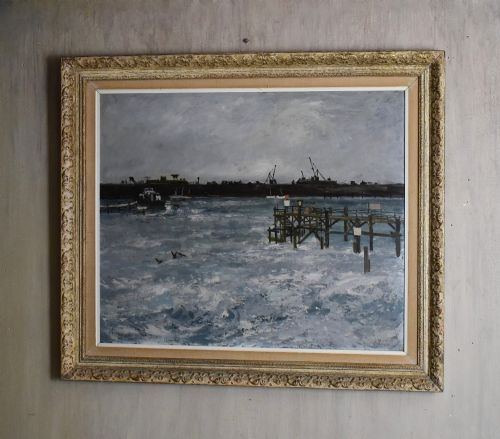
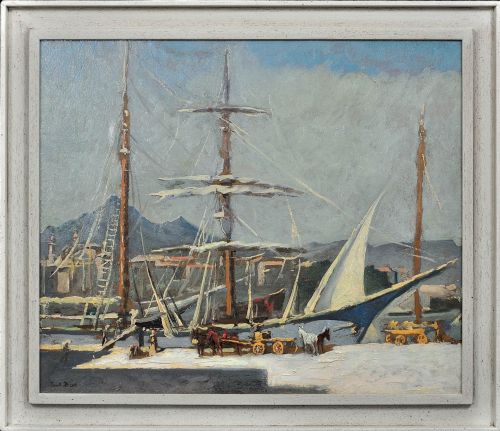
The selection ranges from early Victorian depictions of naval shipping to mid-century post-impressionist interpretations of European ports and rivers. Most examples utilise traditional oil paint applied to canvas supports, frequently housed within original gilt wood frames that complement the maritime subject matter.
The selection documented here leans heavily toward British and European maritime realism, alongside impressionist and post-impressionist coastal views from the Edwardian era through the nineteen-sixties.
Materials and Techniques
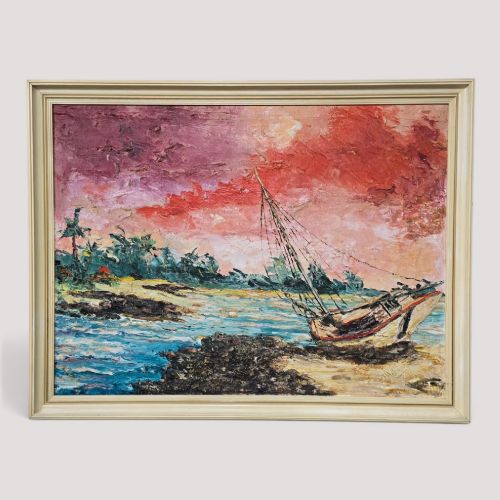
Painters of these marine scenes relied primarily on oil paint applied to woven canvas supports, sometimes stretched over wooden strainer frames or applied directly to board. The physical medium allowed artists to build rich impasto textures when rendering churning waves, billowing sails, and atmospheric coastal light.
Gilt wood frames played a significant role in the presentation and preservation of these works, often incorporating decorative mouldings characteristic of the Victorian and Edwardian periods.
Object types seen include oil paintings, marine paintings, wall art, and fine art paintings.
Evaluating Quality and Execution
The distinction between ordinary and superior pieces rests in the artist's command of light, maritime architecture, and atmospheric perspective. Accomplished painters captured the correct rigging of vessels, the movement of heavy seas, and natural weather conditions with anatomical and technical precision.
Condition and originality also influence the standing of a piece, particularly the stability of the original canvas, the presence of stable craquelure, and the preservation of the matching period frame.
Kenneth Cozens·Eugène-Louis Gillot·William McAlpine·Reginald Arthur Borstel·James Kay RSW·Bernard Gribble·Peter Brannan·Paul Bret·Willem Bos·Lai Fong·Nicholas Condy·William Henry Williamson·Abraham Hulk I·Elisabeth Bardon·Charles Napier Hemy·Adrian Van Porten·Edward Henry Eugene Fletcher·George Shaw·Stephen J. Renard·Hendrik Willebrord Jansen
The Vintage Nautical Canvas Art Glossary
- Canvas
- A heavy woven fabric used as a surface for oil painting. It is typically stretched tightly over a wooden frame before application.
- Impasto
- A technique where paint is laid on an area of the surface in very thick layers. This method allows brush marks to remain visible and adds physical texture to the water or sky.
- Pierhead painting
- A specific genre of ship portraiture usually commissioned by captains or shipowners to record a vessel. These works often show the ship entering or leaving a specific port.
- Maritime realism
- An artistic style focused on the accurate and detailed representation of ships, oceans, and coastal environments. It prioritises documentary precision alongside aesthetic composition.
- Gilt wood
- Wood coated with a thin layer of gold leaf or gold paint. Frames utilising this finish were standard for displaying fine art during the nineteenth and early twentieth centuries.
Vintage Nautical Canvas Art: Frequently Asked Questions
What subjects are included in vintage nautical canvas art?
These works typically feature sailing ships, naval battles, commercial barques, and coastal fishing boats operating in various weather conditions. Harbour views and tranquil river scenes also appear frequently across the selection.
The geographical scope extends from British ports and coastal waters to Mediterranean harbours and Dutch canalscapes, reflecting the international nature of maritime trade and travel.
How do I identify the period of a marine painting?
Dating relies on stylistic clues, framing techniques, and the specific types of vessels depicted in the composition. Nineteenth-century works often favor precise maritime realism, while twentieth-century examples incorporate looser impressionist brushwork.
Signatures, artist biographies, and recorded exhibition histories provide further confirmation of the exact decade of creation.
Are these paintings supplied with frames?
Many listings include original or period-appropriate gilt wood frames that enhance the visual impact of the canvas. These frames often reflect the decorative tastes of the Victorian or Edwardian eras.
Buyers should examine the specific listing details to confirm whether the artwork retains its historic mounting or has been reframed at a later date.
How should I care for an oil painting on canvas?
Oil paintings require stable indoor humidity levels and protection from direct sunlight to prevent the canvas from sagging and the paint from fading. Gentle dusting with a soft, dry brush maintains the surface.
Professional conservation should be sought if structural repairs to the canvas or cleaning of aged varnish become necessary over time.