





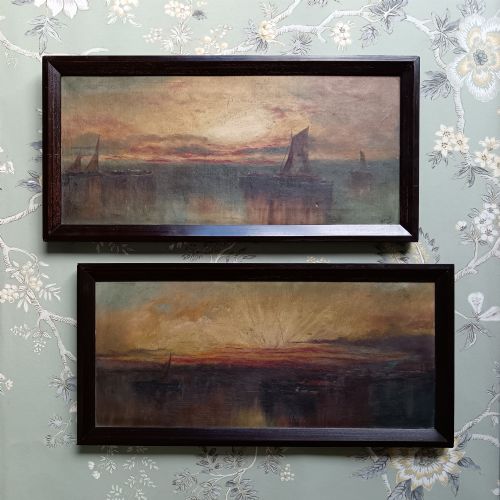
Marine Art Seascape
When you search for marine art seascape, you discover framed coastal records and open water paintings spanning Victorian periods through to the mid twentieth century.
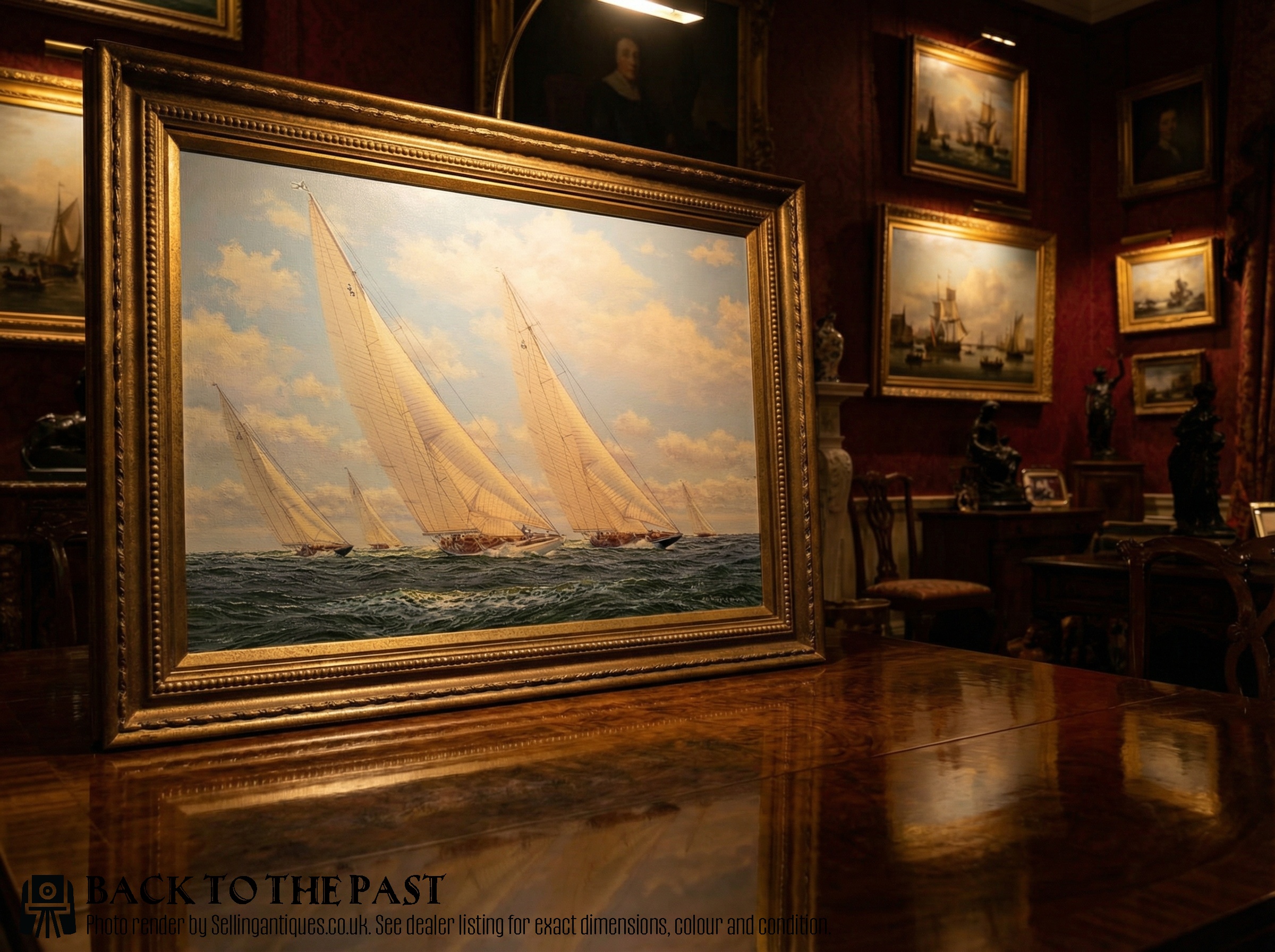
Marine Art Seascape
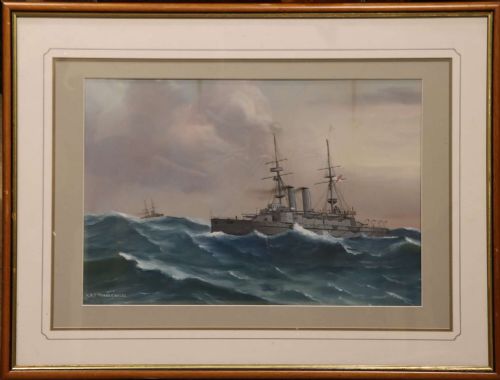
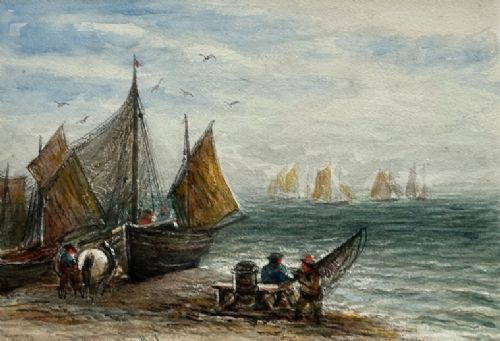
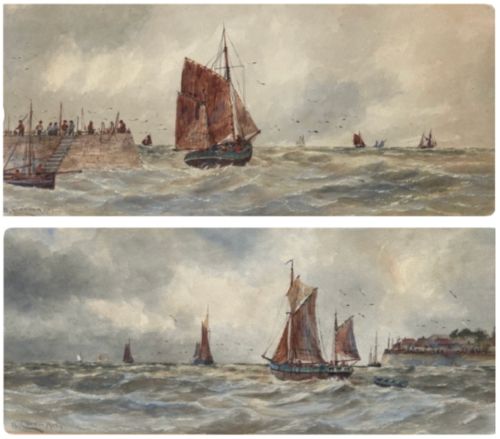
The marine art seascape category encompasses paintings and works on paper recording vessels, coastal harbours, and open water across the nineteenth and twentieth centuries. Buyers encounter framed oil paintings on canvas and board alongside watercolour sketches produced by British and European artists.
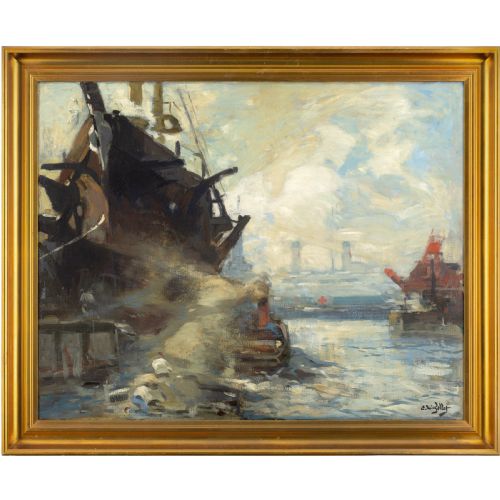
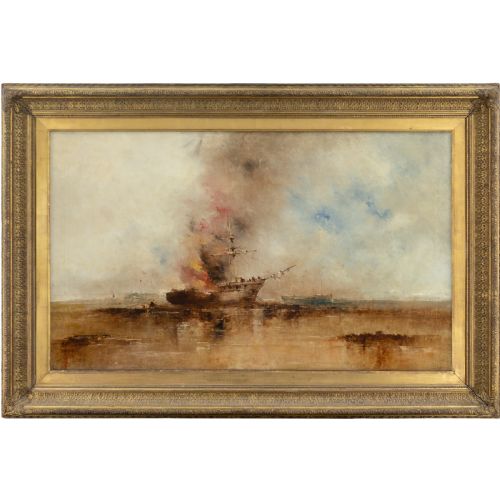
Most examples originate from the Victorian era through to the nineteen sixties, capturing everything from calm coastal inlets and fishing boats to dramatic gales and naval engagements. Subjects range from named warships and merchant vessels near British ports to quiet Cornish beaches and foreign harbours.
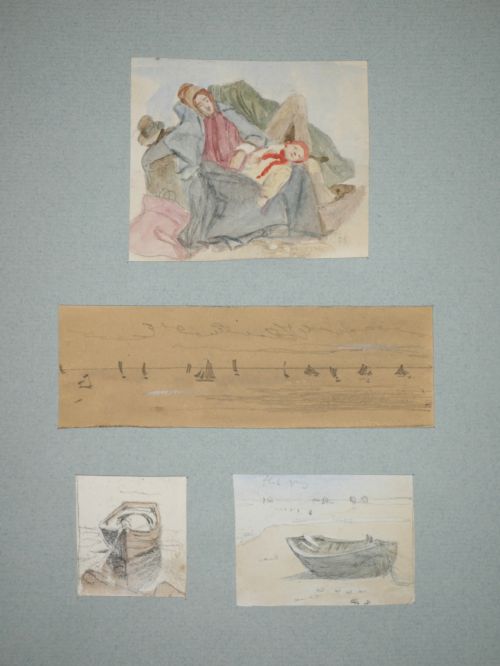
The selection on this page relies heavily on original works executed in oil paint or watercolour, supplemented by occasional gouache and period framing. Forms vary from intimate panel studies to large canvases depicting historical maritime scenes.
How they were made
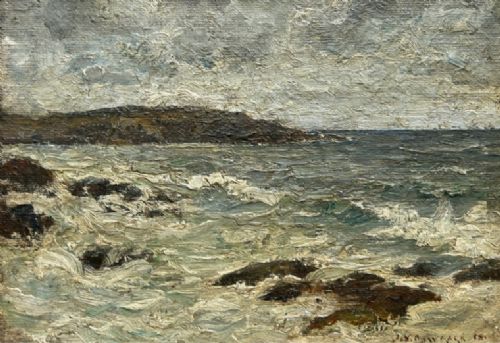
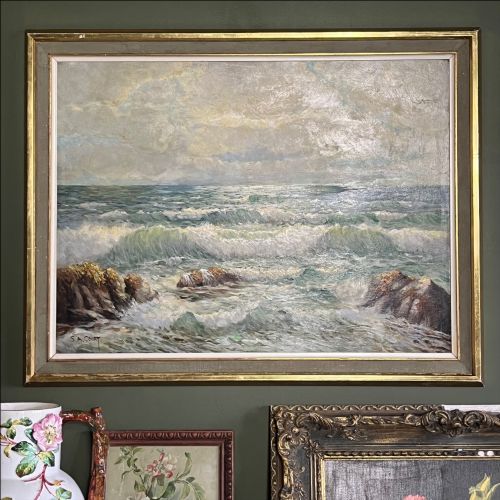
Artists working within marine art seascape primarily utilised oil paint or watercolour applied to canvas, wooden panel, board, or paper. Oil paintings often display layered impasto brushwork to render churning ocean waves and turbulent skies, while watercolours rely on fluid washes for atmospheric coastal light.
Many nineteenth and early twentieth century examples incorporate gilt wooden frames that complement the maritime subject matter. Pigments were worked either en plein air along coastal spots like Cornwall and Brighton or developed in studios from earlier sketches and historical accounts.
Materials recorded across the archive include oil paint, watercolour, gouache, canvas, and gilt framing.
What varies in quality
Quality within a marine art seascape depends on the artist's command of atmospheric light, fluid motion, and maritime architecture. Superior works demonstrate accurate vessel rigging, convincing water transparency, and confident handling of changing weather conditions.
The distinction between standard decorative pieces and finer works rests in the sensitivity of the brushwork and the artist's ability to capture the weight of the sea. Original signed compositions by established painters command greater attention than unsigned or generic workshop copies.
James Hardy·Kenneth Cozens·James Orrock·William Cannon·Eugène Louis Gillot·William McAlpine·Charles Edward Dixon·Eric Tufnell·William Banks Fortescue·John Rose Miles·Frank Watson Wood·Bernard Gribble·Bonaventura Peeters·Frank William Scarbrough·F Corpuz·Clive Browne·Peter Brannan·Hector Caffieri·Bernard Benedict Hemy·Thomas Creswick·Willem Bos·TB Hardy·Charles Euphraisie Kuasseg·John Wilson Carmichael·William Henry Williamson
The Marine Art Seascape Glossary
- Impasto
- Paint applied thickly to a canvas or board so that it stands out from the surface. This technique allows artists to build physical texture into crashing waves and billowing sails.
- En plein air
- The practice of painting outdoors to capture direct natural light and weather conditions. Artists utilised this method along beaches and harbour walls to record changing coastal scenes.
- Panel
- A rigid flat piece of wood used as a support for oil paintings instead of stretched canvas. Panels provide a stable surface favoured for detailed nineteenth century maritime sketches.
- Gouache
- An opaque water-based paint that dries to a matte finish. Painters combined gouache with watercolour to create heavier highlights on stormy seas and vessel hulls.
- Watercolour
- A painting method in which fine pigment is suspended in a water-based solution on paper. It requires precise brush control to capture the translucent quality of coastal air and water.
Marine Art Seascape: Frequently Asked Questions
What periods do marine art seascape pieces cover?
The listings span from the seventeenth century through to the mid twentieth century, with a heavy concentration of nineteenth century Victorian works and early twentieth century watercolours.
Buyers will find specific dates ranging from historical depictions signed in the eighteen hundreds up to post war modernist coastal interpretations.
Where were most of these coastal scenes painted?
The geographical focus rests heavily on British and European coastal locations, including Cornish fishing ports like St Ives and Newlyn, the River Thames in London, and foreign harbours.
Artists frequently travelled to working ports, naval dockyards, and coastal cliffs to record local shipping and maritime trade.
How should I care for an antique marine painting?
Paintings require stable indoor humidity away from direct sunlight to prevent canvas sagging, paint cracking, or fading in watercolour pigments.
Works on paper under glass benefit from acid free mounting and minimal exposure to bright natural light to preserve the original paper tones.