


Edwardian Marine Art
Edwardian marine art captures the shifting moods of British and international waters through period watercolours, oils, and gouache.
Edwardian Marine Art
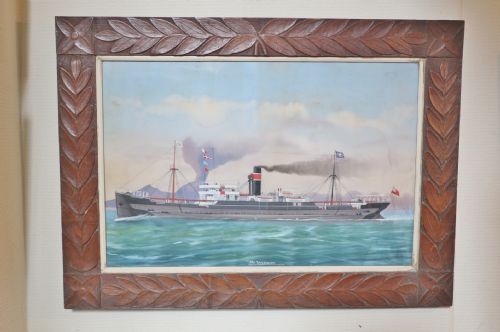
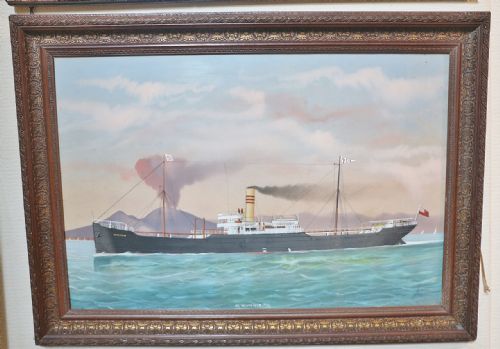
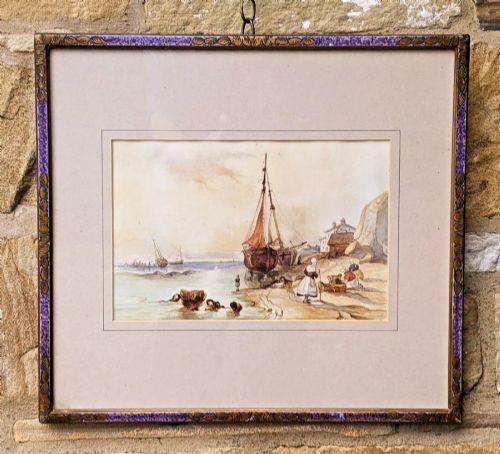
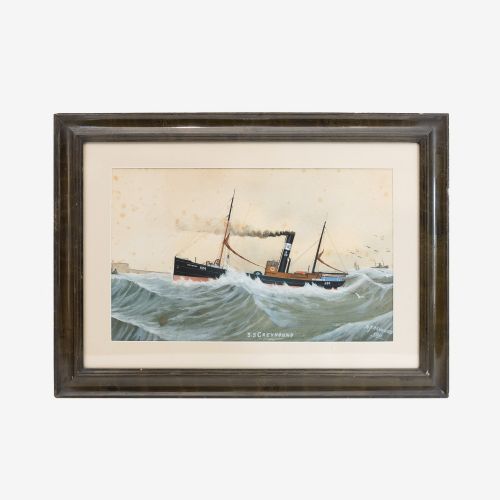
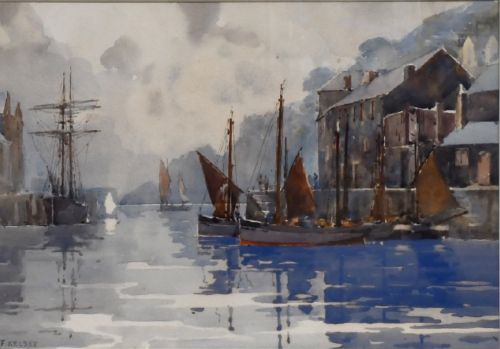
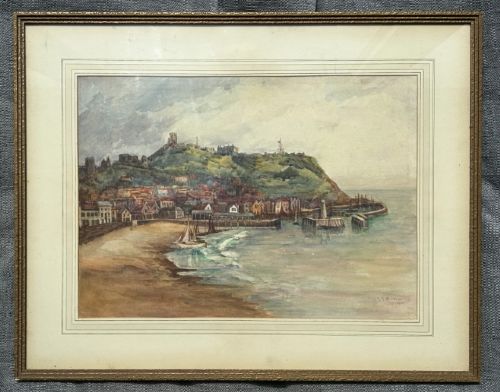
Edwardian marine art encompasses framed paintings, watercolours, and etchings depicting coastal harbours, naval vessels, and working fishing boats from the early twentieth century.
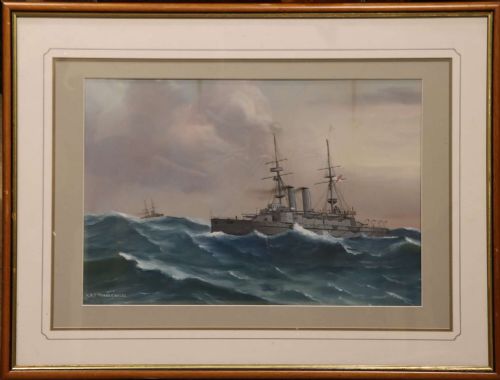
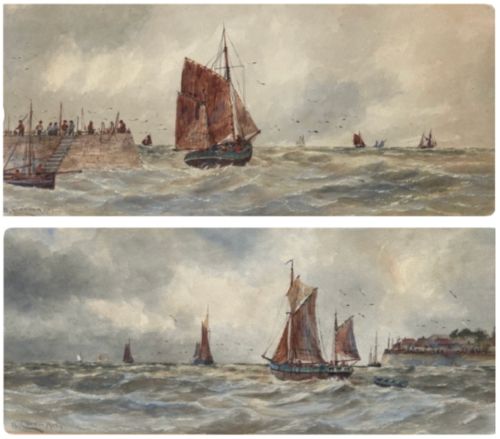
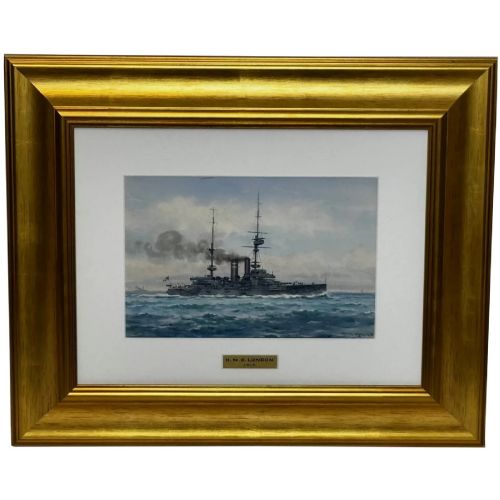
Buyers browsing this selection will frequently encounter watercolours and oil paintings signed by period artists, alongside gouache depictions of named steamships and sailing vessels.
The subjects range from tranquil Cornish fishing ports like Whitby and St Ives to stormy seas and international waters featuring ironclad warships and China Trade junks.
How They Were Made
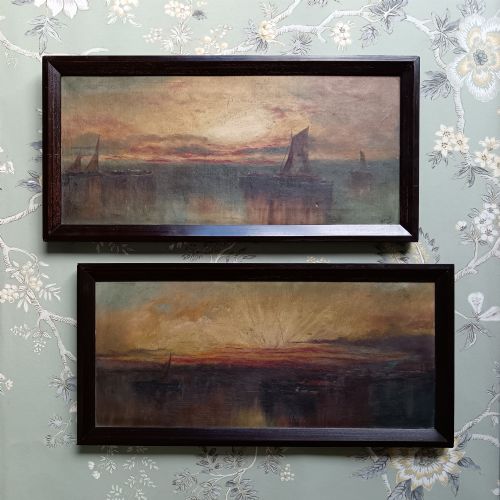
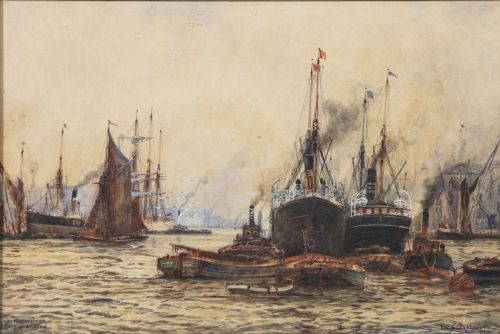
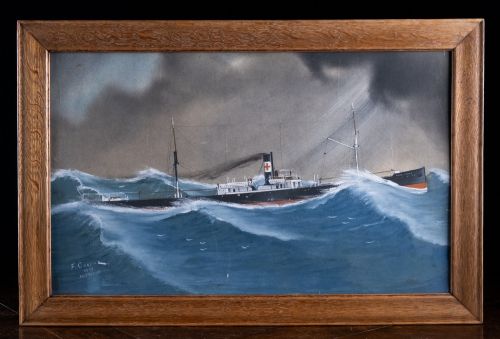
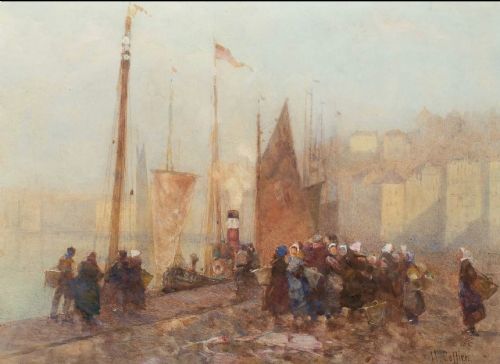
Artists of this era applied oil on canvas and wood panels to build rich textures for deep waters and stormy skies, while others utilised watercolour and gouache on paper to capture bright coastal light.
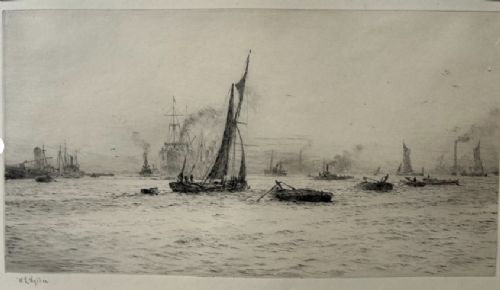
Detailed etchings on paper utilised precise ink lines to render rigging and dockyard architecture, occasionally paired with delicate pencil signatures from the printmaker.
Framed works frequently incorporated traditional gilt surrounds to complement the maritime subject matter.
A French sailor once immortalised his ironclad battleship as a sentimental tribute to his shipmates.
What Varies in Quality
Quality rests upon the artist's ability to render maritime atmosphere and accurate vessel rigging rather than mere technical neatness.
Works signed by known practitioners of the period demonstrate superior brushwork and compositional balance compared to anonymous studio pieces.
William Cannon·Frank Watson Wood·William Lionel Wyllie·Frank William Scarbrough·Hector Caffieri·Alexander Harwood·Frank Kelsey·A Roylance·Alfred George Morgan·Charles Napier Hemy·Richard Harry Carter·Pieter Cornelis Dommersen·Daniel Sherrin·Tom Clough·Stanley Leader·Edward Henry Eugene Fletcher·Fred Waugh·James Webb·George Hamilton Constantine·John Bell·Ernest F Hill·Frederick Stuart Richardson
The Edwardian Marine Art Glossary
- Gouache
- An opaque watercolour paint that dries to a matte finish, frequently employed by marine artists to render heavy clouds and cresting waves.
- Lugger
- A traditional small fishing boat carrying lug sails, commonly seen in West Country coastal scenes.
- Etching
- A printmaking process where lines are incised into a metal plate with acid before being inked and transferred to paper.
- Ironclad
- A steam-propelled warship protected by iron or steel armour plates, frequently depicted in early twentieth-century naval art.
- China Trade
- Paintings produced in East Asia for Western export, often recording specific merchant junks and foreign ports.
Edwardian Marine Art: Frequently Asked Questions
What subjects appear in Edwardian marine art?
These works depict named naval ships, steamships, working fishing boats, and quiet coastal harbours along the British coastline and international waters.
Scenes range from calm morning ports in London and Whitby to turbulent seas off Cornwall and the coast of Italy.
How do I identify a period watercolour?
Period watercolours on paper often display characteristic early twentieth-century mounting, artist signatures in pencil or ink, and paper discolouration consistent with age.
Signatures frequently connect to known maritime painters active around the nineteen hundreds and nineteen tens.
Where were these maritime scenes painted?
Artists painted both on location along active fishing docks such as St Ives, Polperro, and Scarborough, and from naval vantage points recording specific vessels.
Others captured international trade routes and foreign ports including the Pearl River in Hong Kong.
How should I display framed maritime art?
These framed watercolours and oil paintings suit traditional wall spaces where direct sunlight can be avoided to protect pigments on paper and canvas.
Original gilt frames enhance the historical character of the artwork and should be preserved where possible.